免费 
18650 Battery Case
Thingiverse
This collection gathers STL models for holding and storing cylindrical lithium cells, from slim single-cell sleeves to boxes that take a whole pack. The files range from simple open trays to closed cases with lids, hinges or spring contacts, so the same topic covers both storage and build projects. It is useful when you are organising loose cells or designing a housing around them for 3D printing. Polyzon does not confirm whether models are free, their price, license, official status, affiliation, safety or fitness. Check the current terms at the source.
本合集的文字为英文,搜索本身支持任何语言。
 Polyzon合集 · 48个模型 来自4个平台
此合集由Polyzon根据已接入平台的搜索结果整理而成:去除重复项和没有预览图的模型,匹配度低的排在最后,其余按搜索结果顺序排列。模型归作者所有——请在各模型页面查看使用条款。
筛选规则:Polyzon编辑部 · 文字更新于2026年10月15日
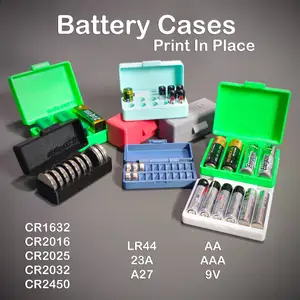


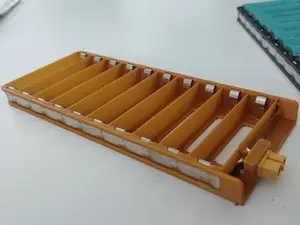
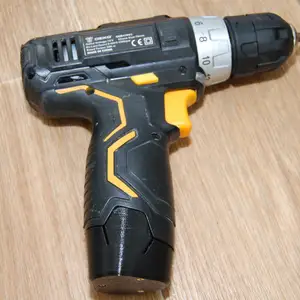


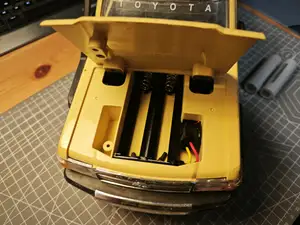
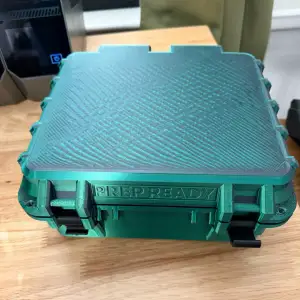

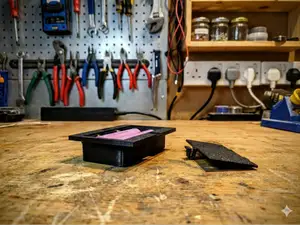

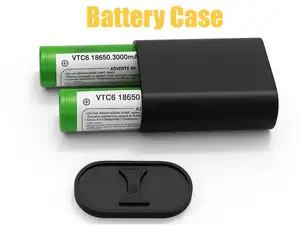
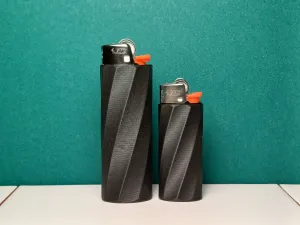

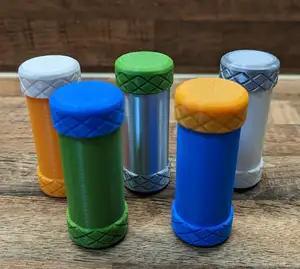
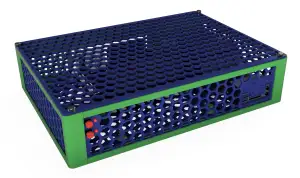

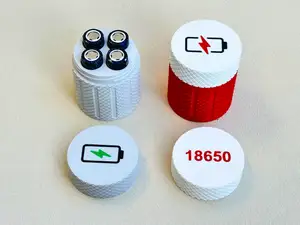
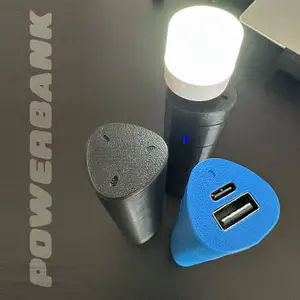

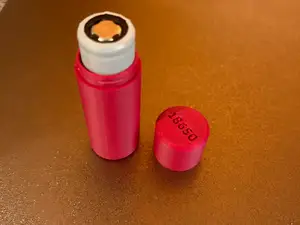
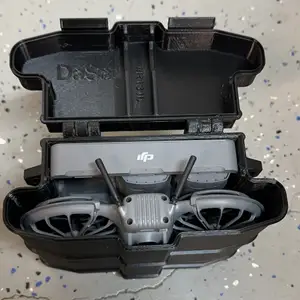

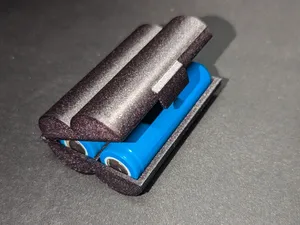
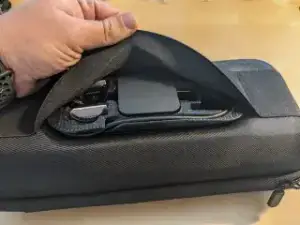

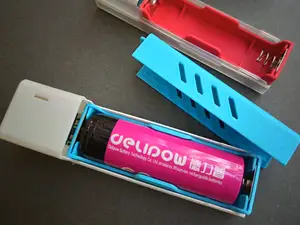
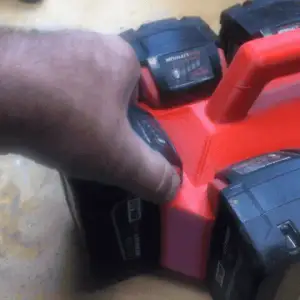


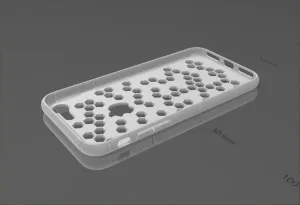

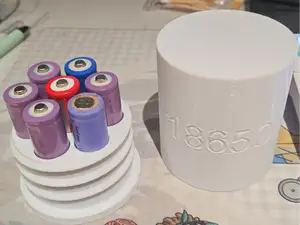
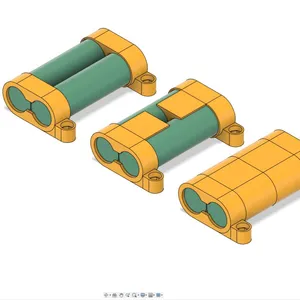

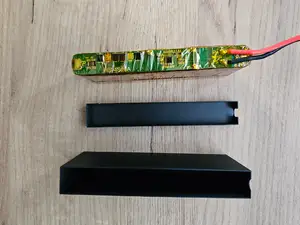
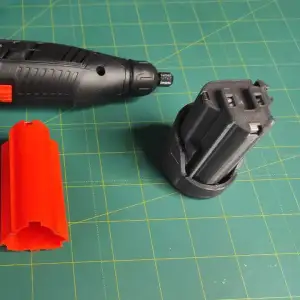


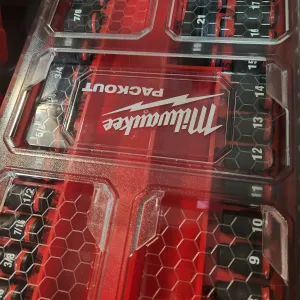

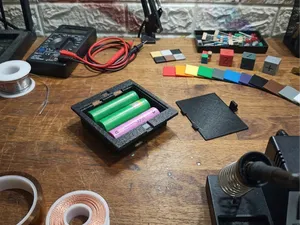
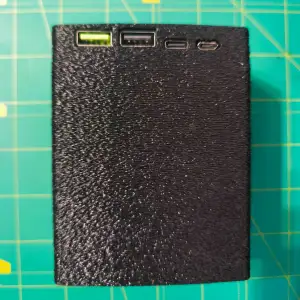
The models split roughly into open holders and closed containers. Open holders keep cells visible and let you pull them out by hand, while lidded boxes protect the terminals and keep dust out. Some designs are printed as one piece with a living hinge or a snap closure, and others are separate bodies with a lid that you fit afterwards. Spring-based holders add a flexible arm that presses the cell into place instead of relying on a tight fit.
When you open a model page, look at the cell count and the internal dimensions first, because the nominal size of a cylindrical cell does not include the wrapper or the protection board on some variants. Check how many separate parts the author lists, whether the lid needs extra hardware, and whether the geometry requires supports. Read the material and settings the author mentions, and look at photos of real prints to judge wall thickness, tolerances and how the closure actually behaves.
If the results feel narrow, try related wording: cell holder, battery tray, storage box, caddy, dispenser, or the diameter and length of the cell instead of the model number. Searching for the device the pack goes into, such as a handheld radio or a power tool housing, often surfaces enclosures that also fit loose cells. Combining a holder term with a mounting term, like rail, panel or wall bracket, brings up versions meant to be fixed in place.
A few points are worth deciding before you print. A snug friction fit holds a cell without extra parts but can be hard to remove, while a loose fit needs a lid or a strap. Thin walls save material but flex, and thick walls hold shape at the cost of print time. If the case is meant to travel, check how the lid is retained and whether the cells can shift sideways.


完整的主题目录:从家居日用到CNC,均可在已接入的来源平台中搜索。