
Gratuit 
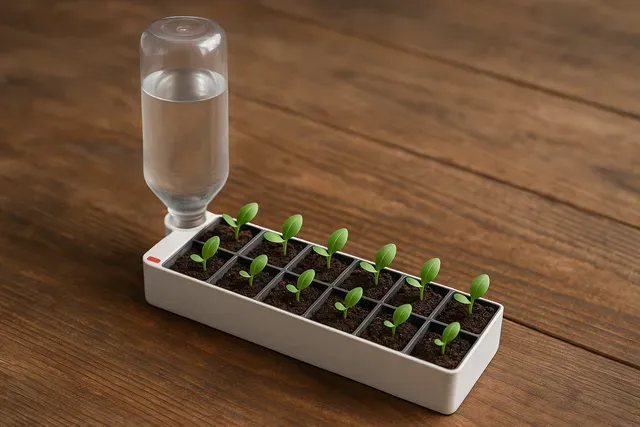
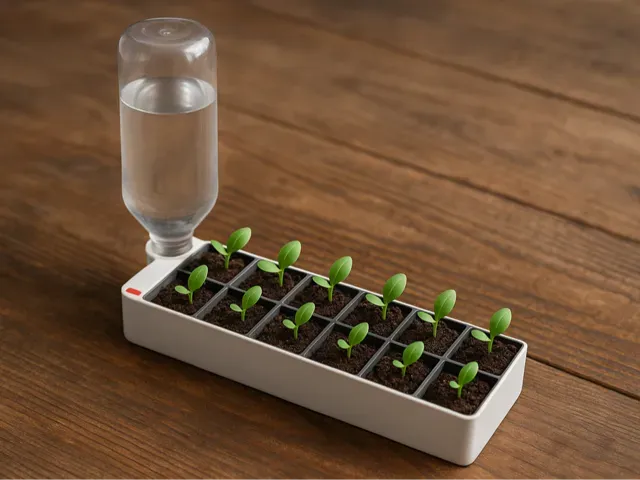
Seedlings Pot - Continuous Self Watering System (PET Water Bottle Sealed) - Germination Station
Thingiverse
This collection gathers STL files for self-watering setups: planters with reservoirs, modular moss poles, seedling pots and drip spikes. Most designs move water by capillary action or a wick, so it travels slowly from a tank into the soil. It is useful if you want houseplants and seedlings to keep going between refills. Polyzon does not confirm whether models are free, their price, license, official status, affiliation, safety or fitness. Check the current terms at the source.
Le texte de cette collection est rédigé en anglais ; la recherche, elle, fonctionne dans toutes les langues.
 Une collection Polyzon · 48 modèles sur 6 plateformes
Polyzon compose cette collection à partir des résultats de recherche des plateformes connectées. Les doublons et les modèles sans aperçu sont retirés, les correspondances faibles sont placées à la fin, et le reste suit l’ordre de la recherche. Les modèles appartiennent à leurs auteurs : consultez les conditions sur la page de chaque modèle.
Règles de sélection : la rédaction de Polyzon · Texte mis à jour le 13/10/2026

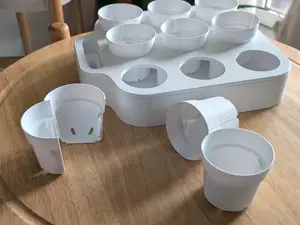


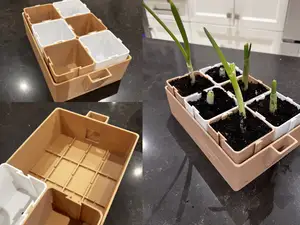
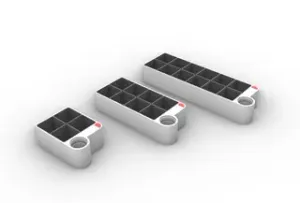


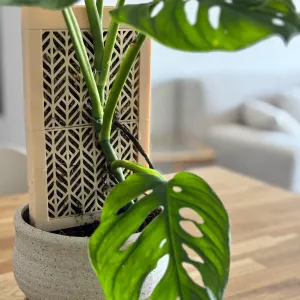
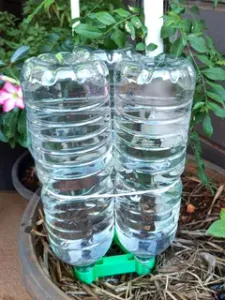
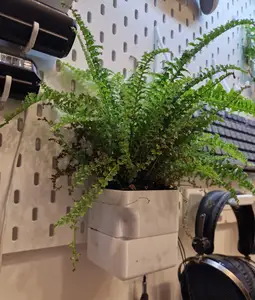
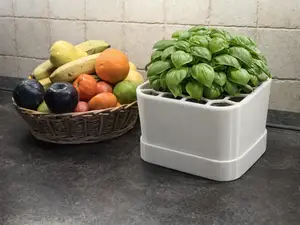

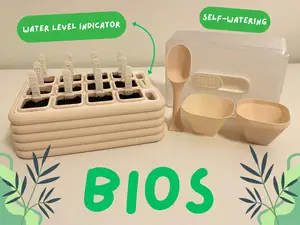
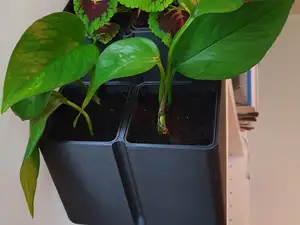


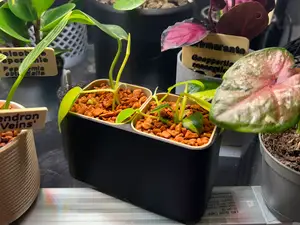
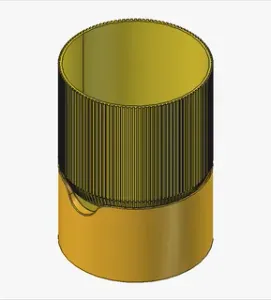
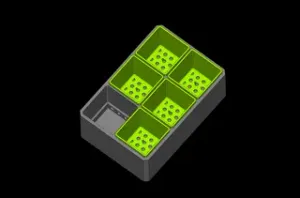
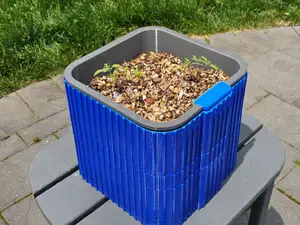

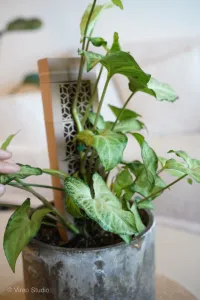
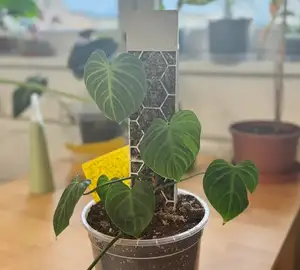
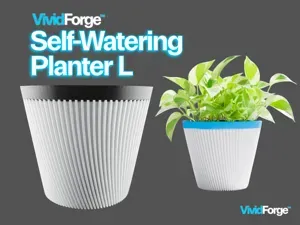


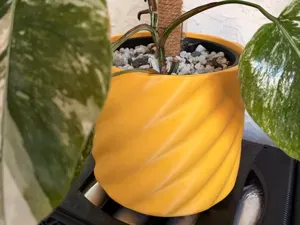
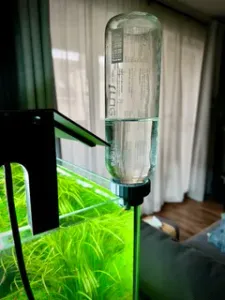
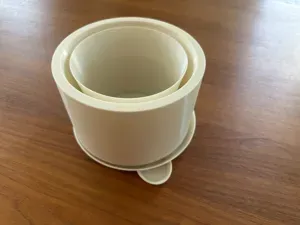
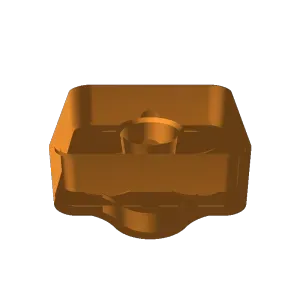


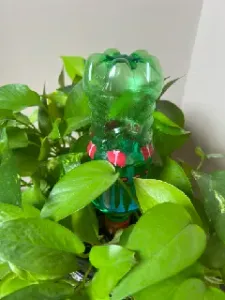
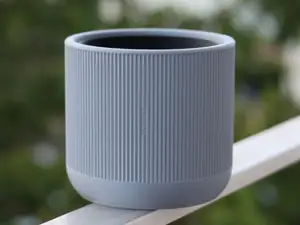


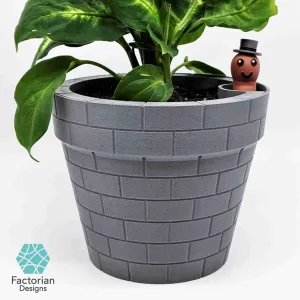
Self-watering planters appear in several shapes: jar inserts, vase-like shells and pots with a separate tank underneath. Moss poles are usually modular, with stackable segments that hold moisture and give climbing plants something to grip. Seedling and germination pots are smaller and often take a standard bottle or tray as a water source. Spikes and drip lines work at the other end of the scale, feeding a single pot or a row of them.
On the author's model page, check the outer dimensions and the volume of the reservoir, since a small tank empties quickly in a warm room. Look at how many parts the design has and whether they snap, screw or need glue. The listing usually states the material and layer height the author used, and whether supports are needed. Photos of real prints show how the seams and the wick opening came out.
Search terms shift with what you need: "autorriego" and "Bewässerung" bring up designs titled in Spanish and German, while "capillary" and "wicking" describe the same principle in English. Related topics include drip irrigation, water level indicators, propagation and moss poles. Adding a container type, such as jar, bottle or tray, narrows the results further.


Le catalogue complet des thèmes, de la maison à la CNC, avec une recherche sur tous les sites connectés.