
免费 
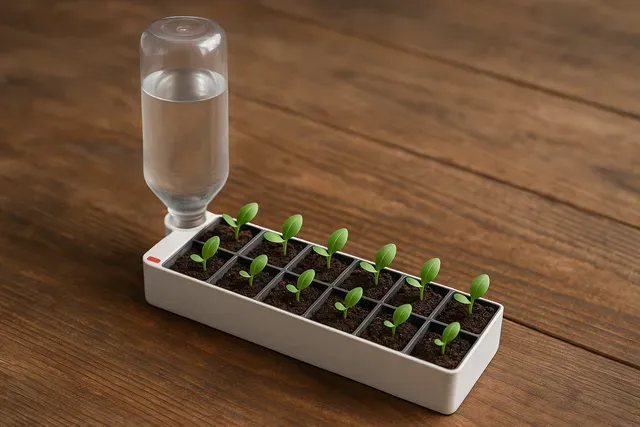
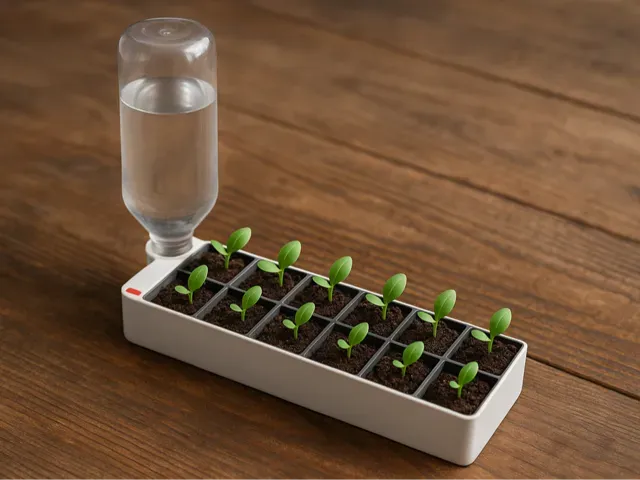
Seedlings Pot - Continuous Self Watering System (PET Water Bottle Sealed) - Germination Station
Thingiverse
This collection gathers STL files for self-watering setups: planters with reservoirs, modular moss poles, seedling pots and drip spikes. Most designs move water by capillary action or a wick, so it travels slowly from a tank into the soil. It is useful if you want houseplants and seedlings to keep going between refills. Polyzon does not confirm whether models are free, their price, license, official status, affiliation, safety or fitness. Check the current terms at the source.
本合集的文字为英文,搜索本身支持任何语言。
 Polyzon合集 · 48个模型 来自6个平台
此合集由Polyzon根据已接入平台的搜索结果整理而成:去除重复项和没有预览图的模型,匹配度低的排在最后,其余按搜索结果顺序排列。模型归作者所有——请在各模型页面查看使用条款。
筛选规则:Polyzon编辑部 · 文字更新于2026年10月13日
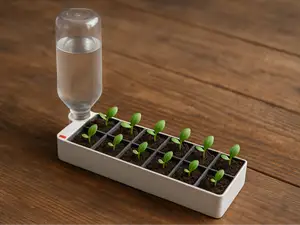

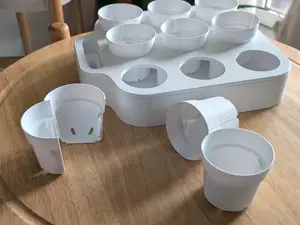


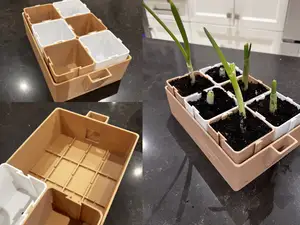
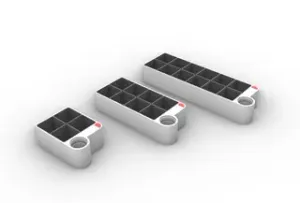


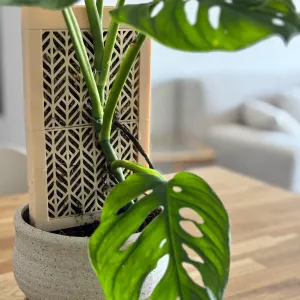
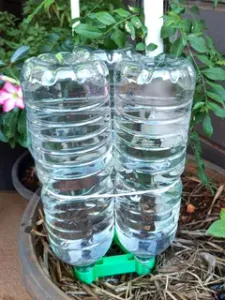
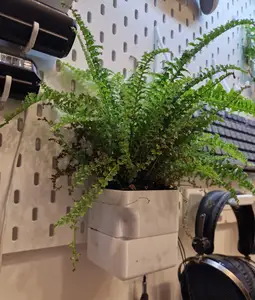
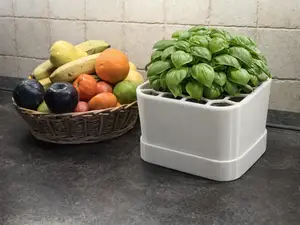

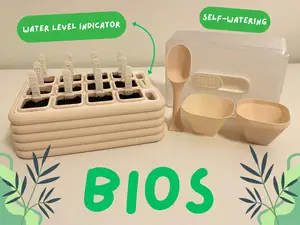
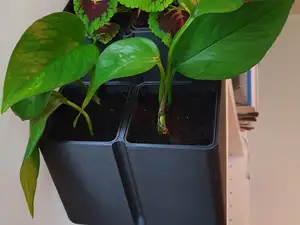


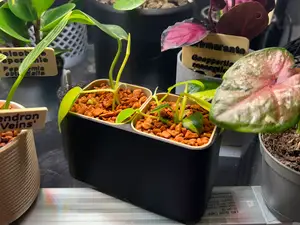
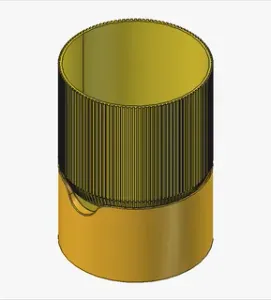
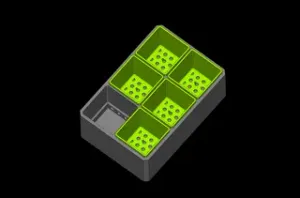
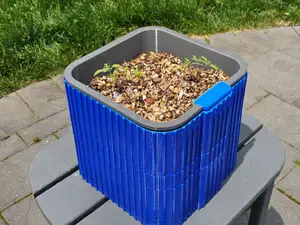

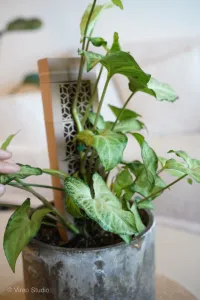
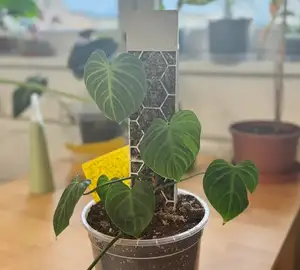
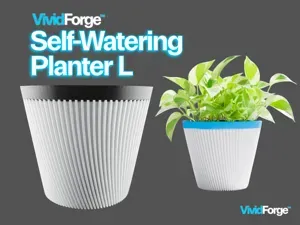


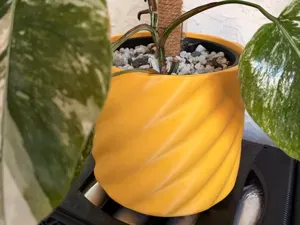
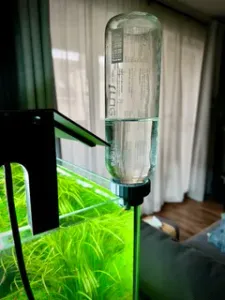
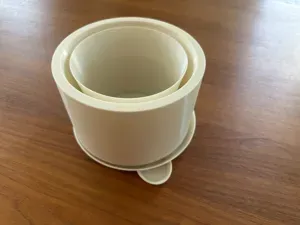
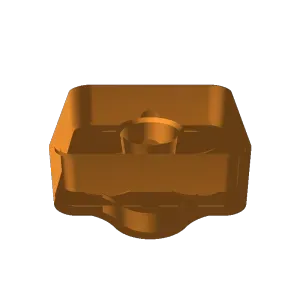


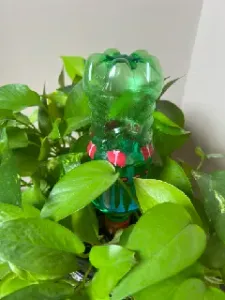
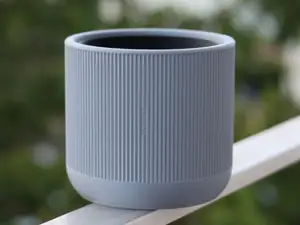


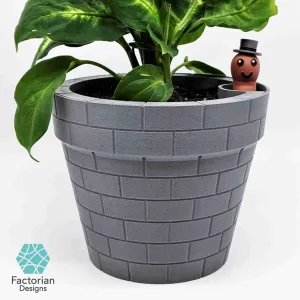
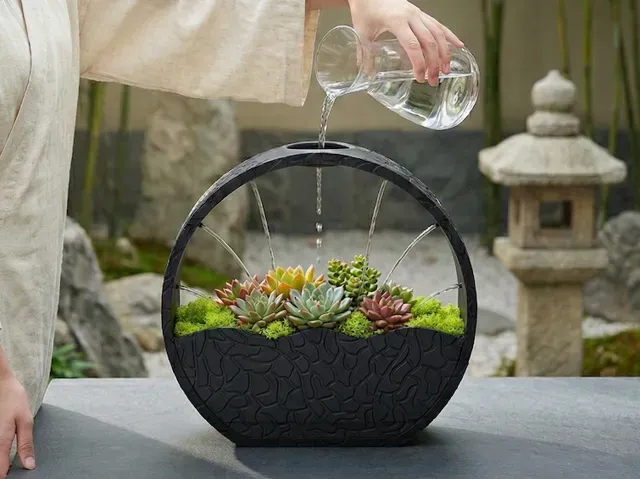
Self-watering planters appear in several shapes: jar inserts, vase-like shells and pots with a separate tank underneath. Moss poles are usually modular, with stackable segments that hold moisture and give climbing plants something to grip. Seedling and germination pots are smaller and often take a standard bottle or tray as a water source. Spikes and drip lines work at the other end of the scale, feeding a single pot or a row of them.
On the author's model page, check the outer dimensions and the volume of the reservoir, since a small tank empties quickly in a warm room. Look at how many parts the design has and whether they snap, screw or need glue. The listing usually states the material and layer height the author used, and whether supports are needed. Photos of real prints show how the seams and the wick opening came out.
Search terms shift with what you need: "autorriego" and "Bewässerung" bring up designs titled in Spanish and German, while "capillary" and "wicking" describe the same principle in English. Related topics include drip irrigation, water level indicators, propagation and moss poles. Adding a container type, such as jar, bottle or tray, narrows the results further.
完整的主题目录:从家居日用到CNC,均可在已接入的来源平台中搜索。