Gratuit 
Makita DVC 350 Adapter 38 mm Innendurchmesser
Thingiverse
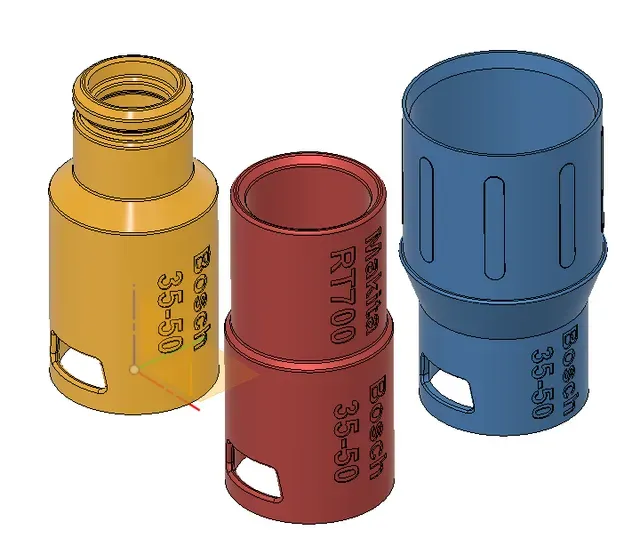
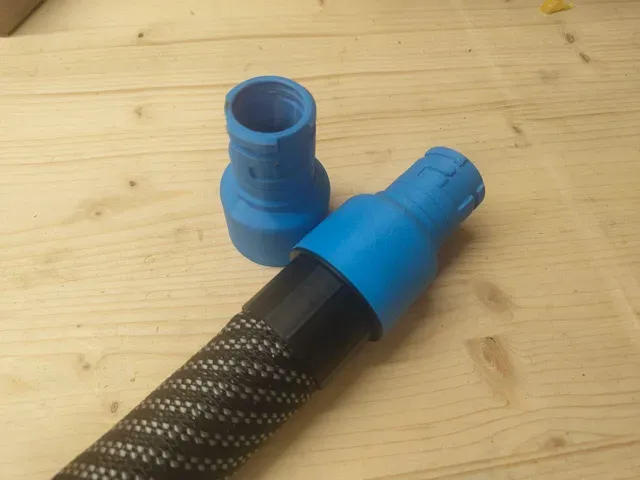
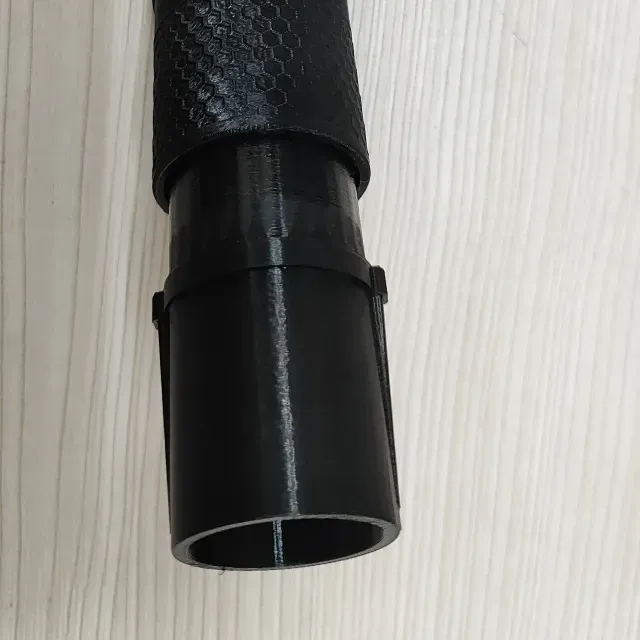
This collection gathers 3D printing files for vacuum hose adapters, mostly around 35 mm and 38 mm diameters, plus reducers that bridge other sizes. It is useful when a hose, a shop vac and a power tool do not match out of the box and you need a part that fits your own combination. Polyzon does not confirm whether models are free, their price, license, official status, affiliation, safety or fitness. Check the current terms at the source.
Le texte de cette collection est rédigé en anglais ; la recherche, elle, fonctionne dans toutes les langues.
 Une collection Polyzon · 48 modèles sur 4 plateformes
Polyzon compose cette collection à partir des résultats de recherche des plateformes connectées. Les doublons et les modèles sans aperçu sont retirés, les correspondances faibles sont placées à la fin, et le reste suit l’ordre de la recherche. Les modèles appartiennent à leurs auteurs : consultez les conditions sur la page de chaque modèle.
Règles de sélection : la rédaction de Polyzon · Texte mis à jour le 12/10/2026
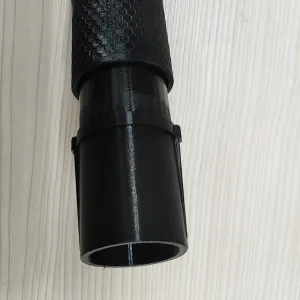

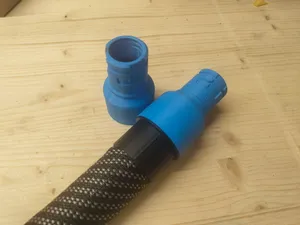
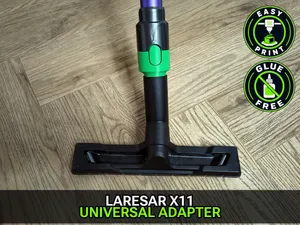


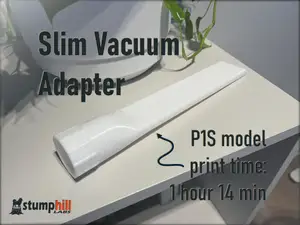
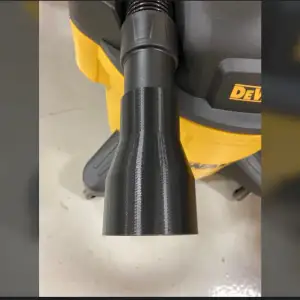


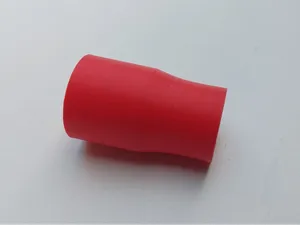
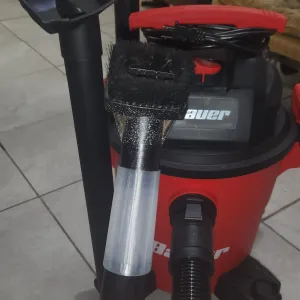

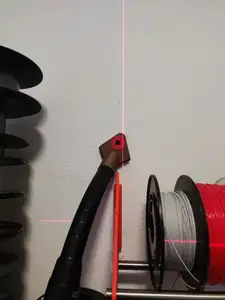
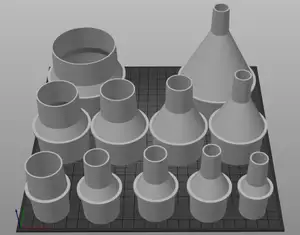
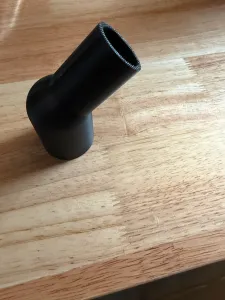

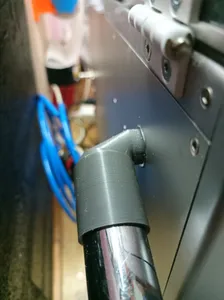
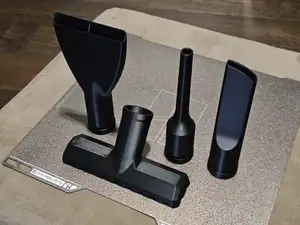
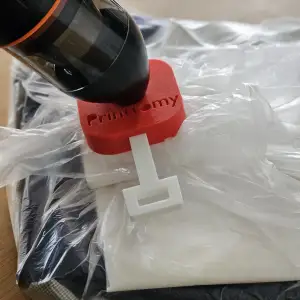


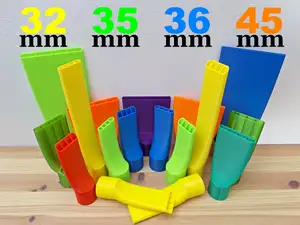
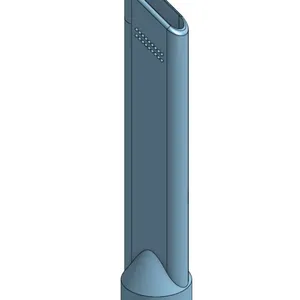

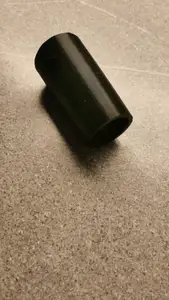
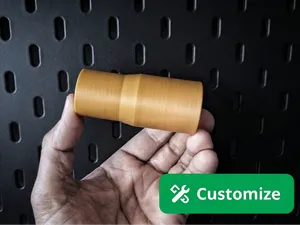
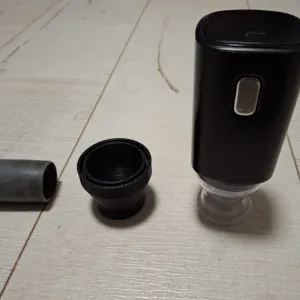

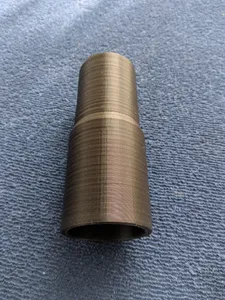

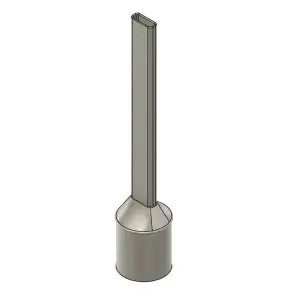



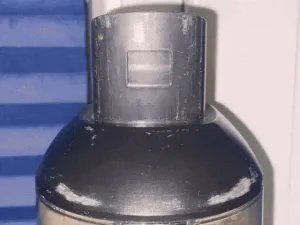


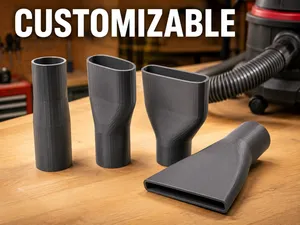
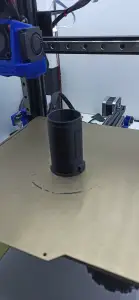


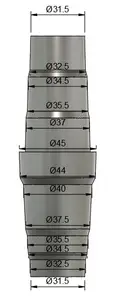
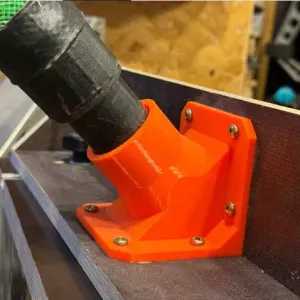
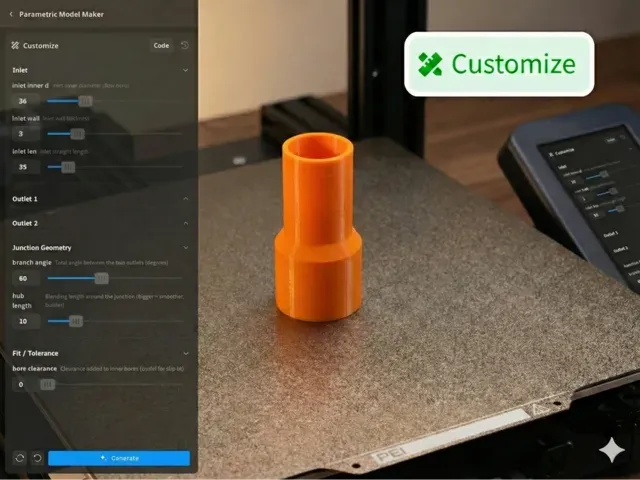
The models fall into a few groups. Some are shaped for one vacuum brand or a specific tool port, others are plain reducers that step from one diameter to another, and a third group is parametric, so the inner and outer diameters can be set before export. Angled and slim versions appear as well, for tight corners or short runs where a straight connector would be awkward.
Before printing, read the author's page for the exact inner and outer diameters, the taper or clip geometry, and the wall thickness. Check whether the part is meant to slide over a hose end or into a port, since that decides the clearance you need. Look at the material and layer settings the author lists, and at photos of real prints, because a thin-walled adapter behaves differently from a solid one.
If the first search gives few results, try the diameter alone or the hose end size, then add terms such as reducer, step-down, shop vac or tool port. Searching by the tool type or by the connector style often surfaces files that a brand name would miss. Related topics worth checking are dust collection fittings, cyclone separators and sander port adapters.




Le catalogue complet des thèmes, de la maison à la CNC, avec une recherche sur tous les sites connectés.