
Gratuit 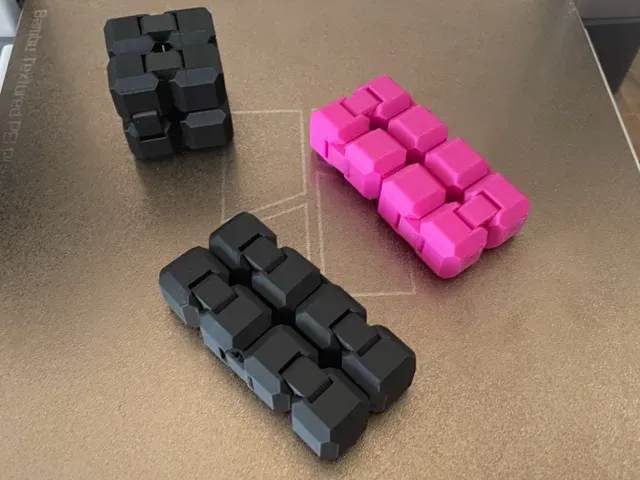
Infinity Cube Fidget Toy
MakerWorld
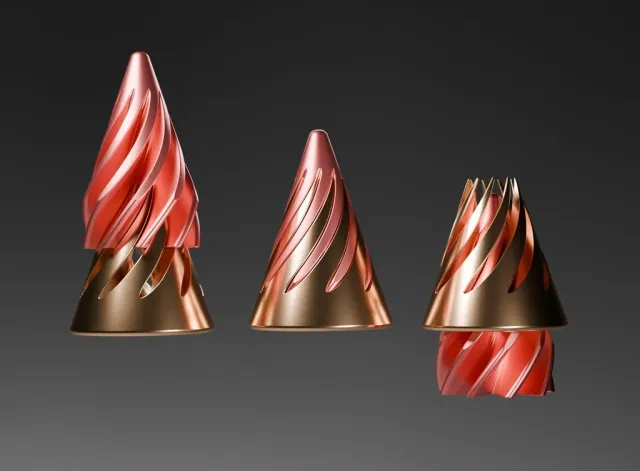
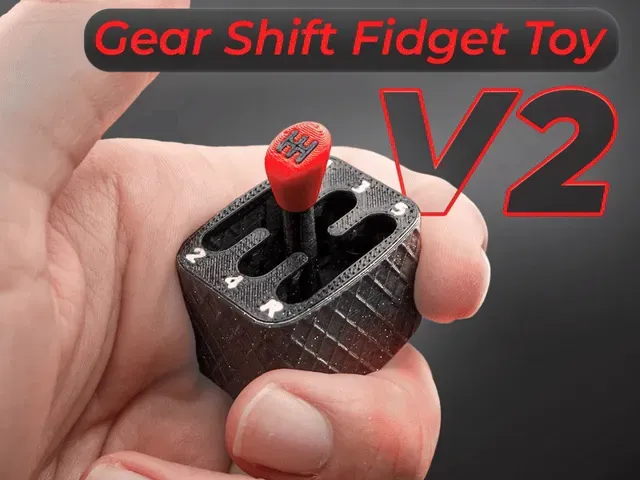
This collection gathers fidget toy 3D models that range from spinning shapes to print-in-place mechanisms and spiral cones. Most are small enough to sit on a desk or in a pocket, which makes them a practical starting point for 3D printing. The variety also helps if you want a quick print that still has moving parts. Polyzon does not confirm whether models are free, their price, license, official status, affiliation, safety or fitness. Check the current terms at the source.
Le texte de cette collection est rédigé en anglais ; la recherche, elle, fonctionne dans toutes les langues.
 Une collection Polyzon · 48 modèles sur 4 plateformes
Polyzon compose cette collection à partir des résultats de recherche des plateformes connectées. Les doublons et les modèles sans aperçu sont retirés, les correspondances faibles sont placées à la fin, et le reste suit l’ordre de la recherche. Les modèles appartiennent à leurs auteurs : consultez les conditions sur la page de chaque modèle.
Règles de sélection : la rédaction de Polyzon · Texte mis à jour le 10/10/2026


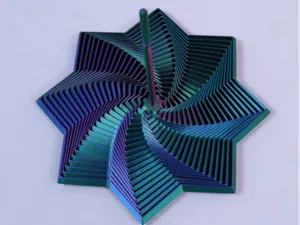
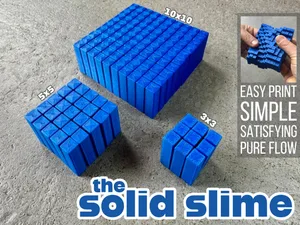
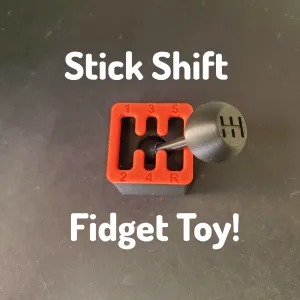


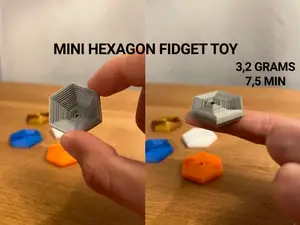

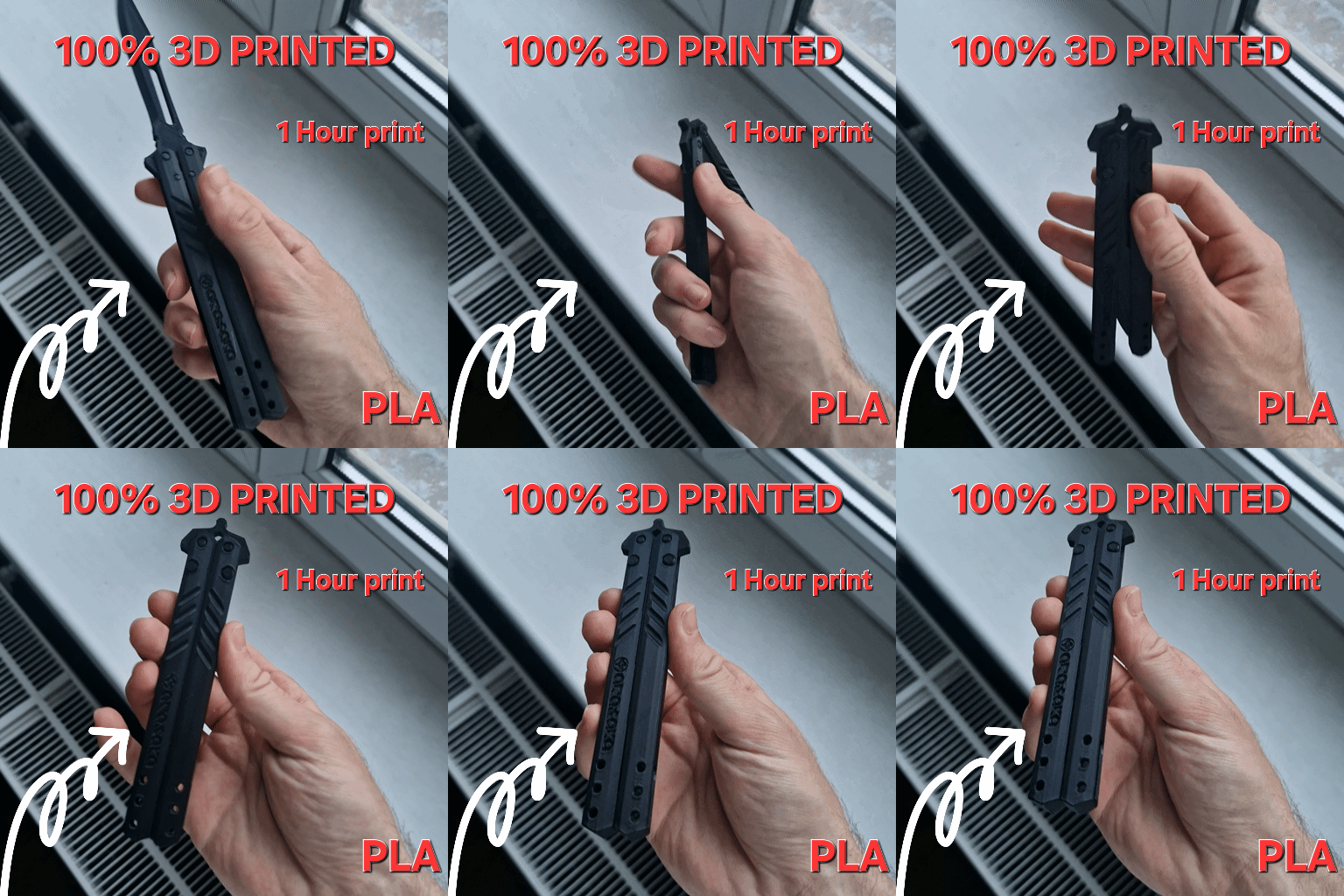
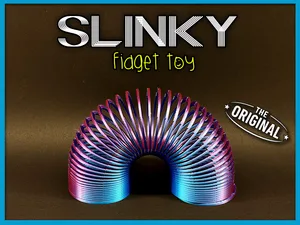

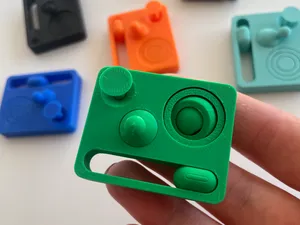


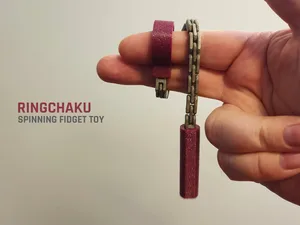


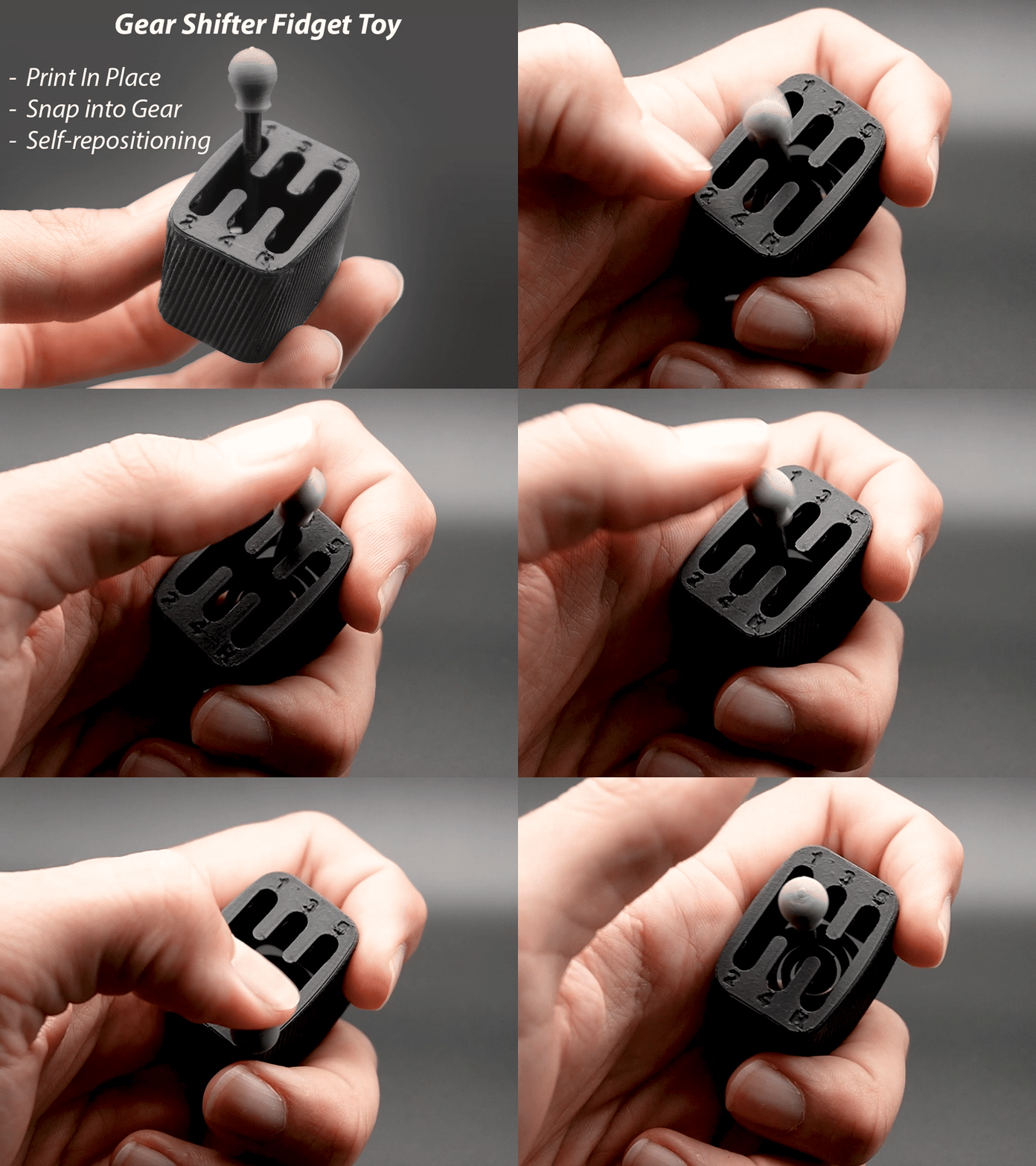
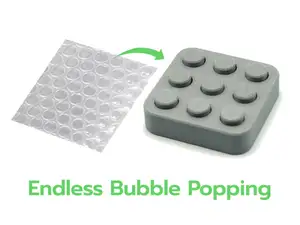
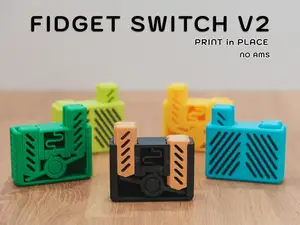

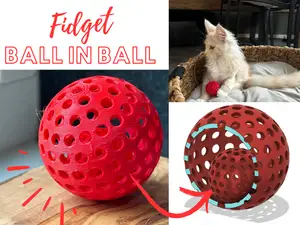
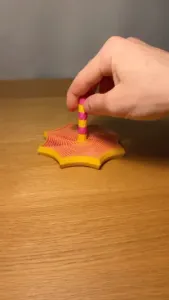

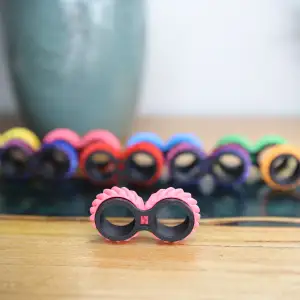

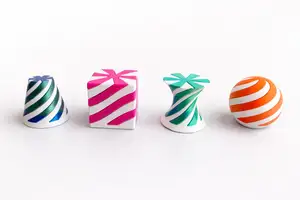
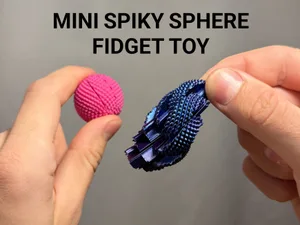
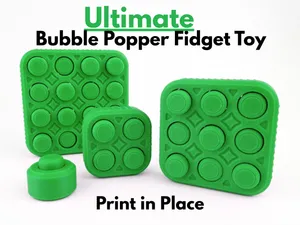


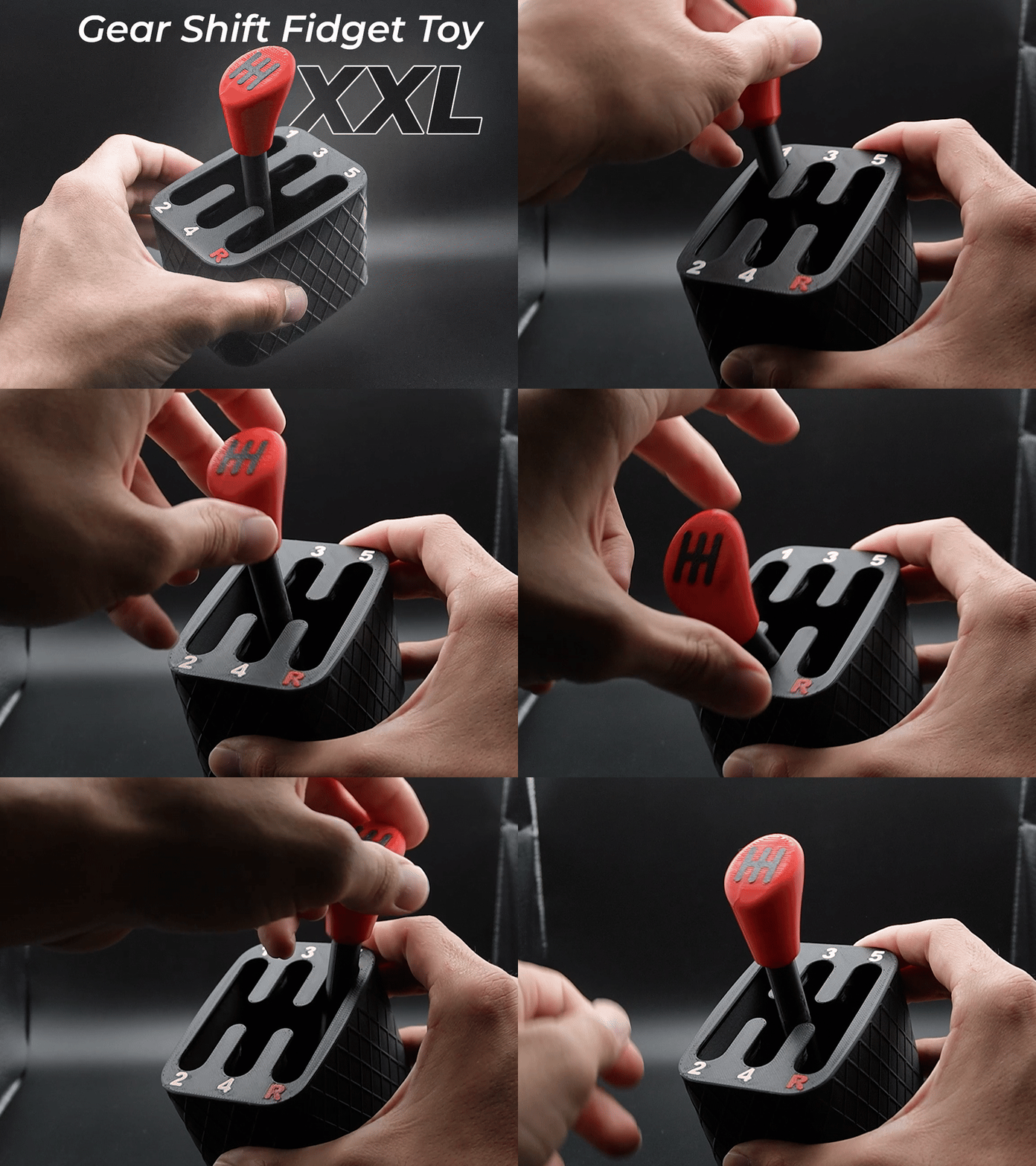
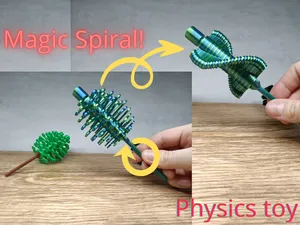
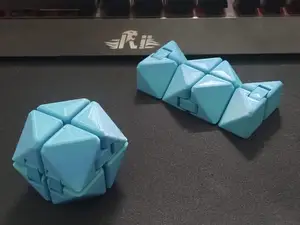
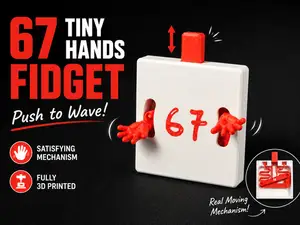


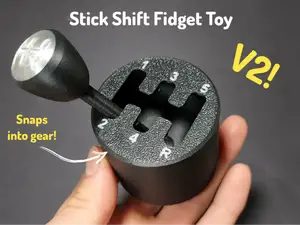
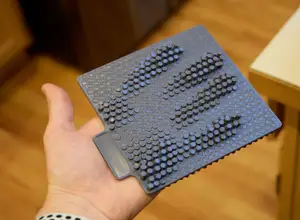
The models fall into a few recognizable groups. Spinners and one-piece rotating shapes rely on a balanced body, while gear and shift designs use interlocking parts that move against each other. Spiral and helix cones extend and collapse, clickers produce a short repeated action, and flexible grids or multi-function pieces combine several motions in one object.
When you open a model page, look at the dimensions and the number of parts, and note whether the author expects assembly or a single print. For anything with moving parts, the stated clearances and layer height matter more than the overall shape, since tight gaps can fuse together. Check the material and settings the author lists, and compare them with photos of real prints before you commit to a spool.
Search results widen quickly if you try other terms. Sensory toy, desk toy, stim toy, clicker, spinner, helix, twist and flexi all lead to related designs, and print-in-place is a useful phrase for models that come off the plate already moving. Combining a mechanism word with a shape word, such as gear or spiral, tends to narrow the list faster than browsing the whole topic.

Le catalogue complet des thèmes, de la maison à la CNC, avec une recherche sur tous les sites connectés.