
Gratuit 
Focket Fidget magnetic Minecraft
Creality Cloud
This collection gathers magnetic fidget designs shared across several 3D model platforms. It covers sliders, clickers, keychains and small geometric toys that combine printed parts with embedded magnets. The list is useful if you want a compact 3D printing project that moves, clicks or spins in the hand. Polyzon does not confirm whether models are free, their price, license, official status, affiliation, safety or fitness. Check the current terms at the source.
Le texte de cette collection est rédigé en anglais ; la recherche, elle, fonctionne dans toutes les langues.
 Une collection Polyzon · 48 modèles sur 4 plateformes
Polyzon compose cette collection à partir des résultats de recherche des plateformes connectées. Les doublons et les modèles sans aperçu sont retirés, les correspondances faibles sont placées à la fin, et le reste suit l’ordre de la recherche. Les modèles appartiennent à leurs auteurs : consultez les conditions sur la page de chaque modèle.
Règles de sélection : la rédaction de Polyzon · Texte mis à jour le 10/10/2026
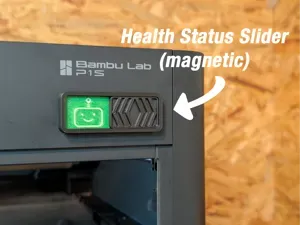

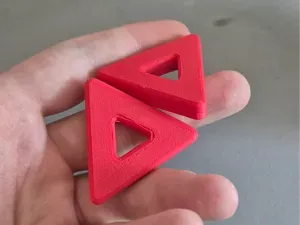
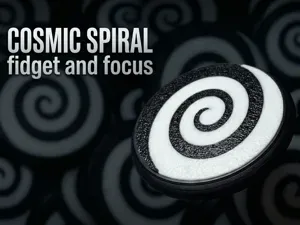
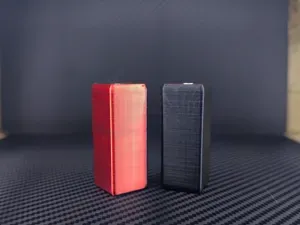


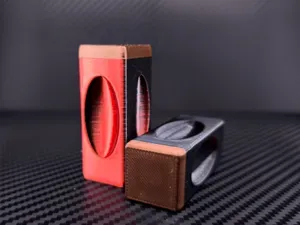
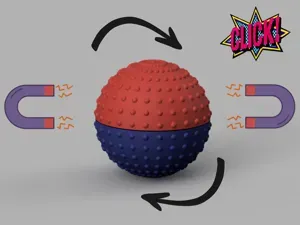
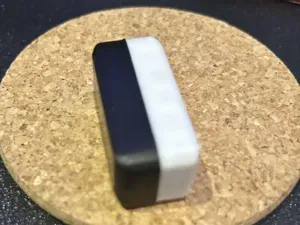
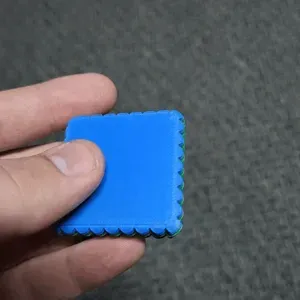

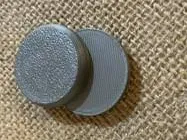
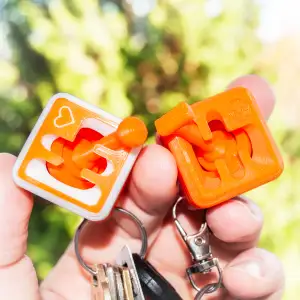
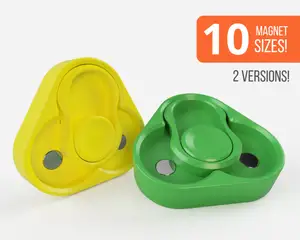
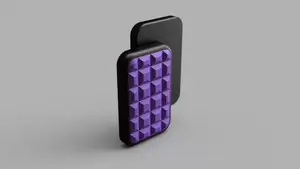

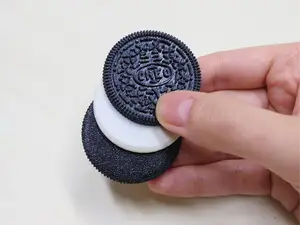

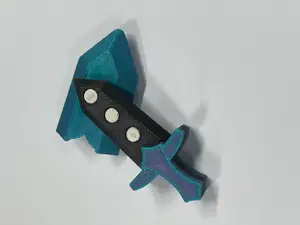


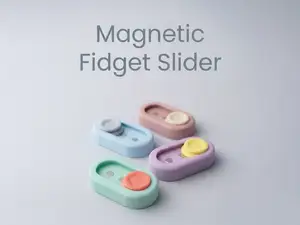
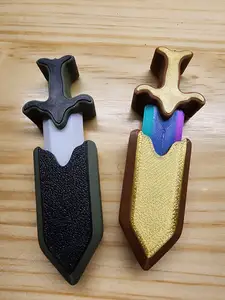
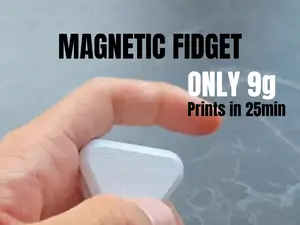

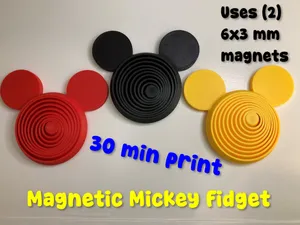
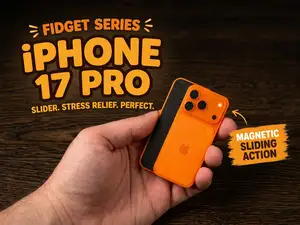
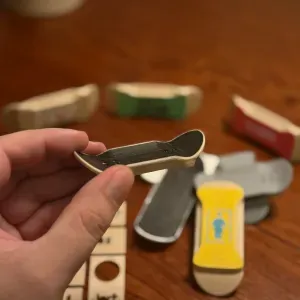


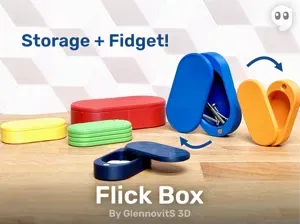
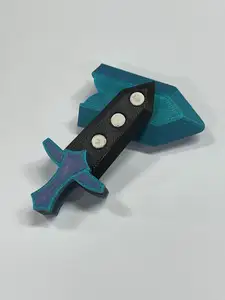
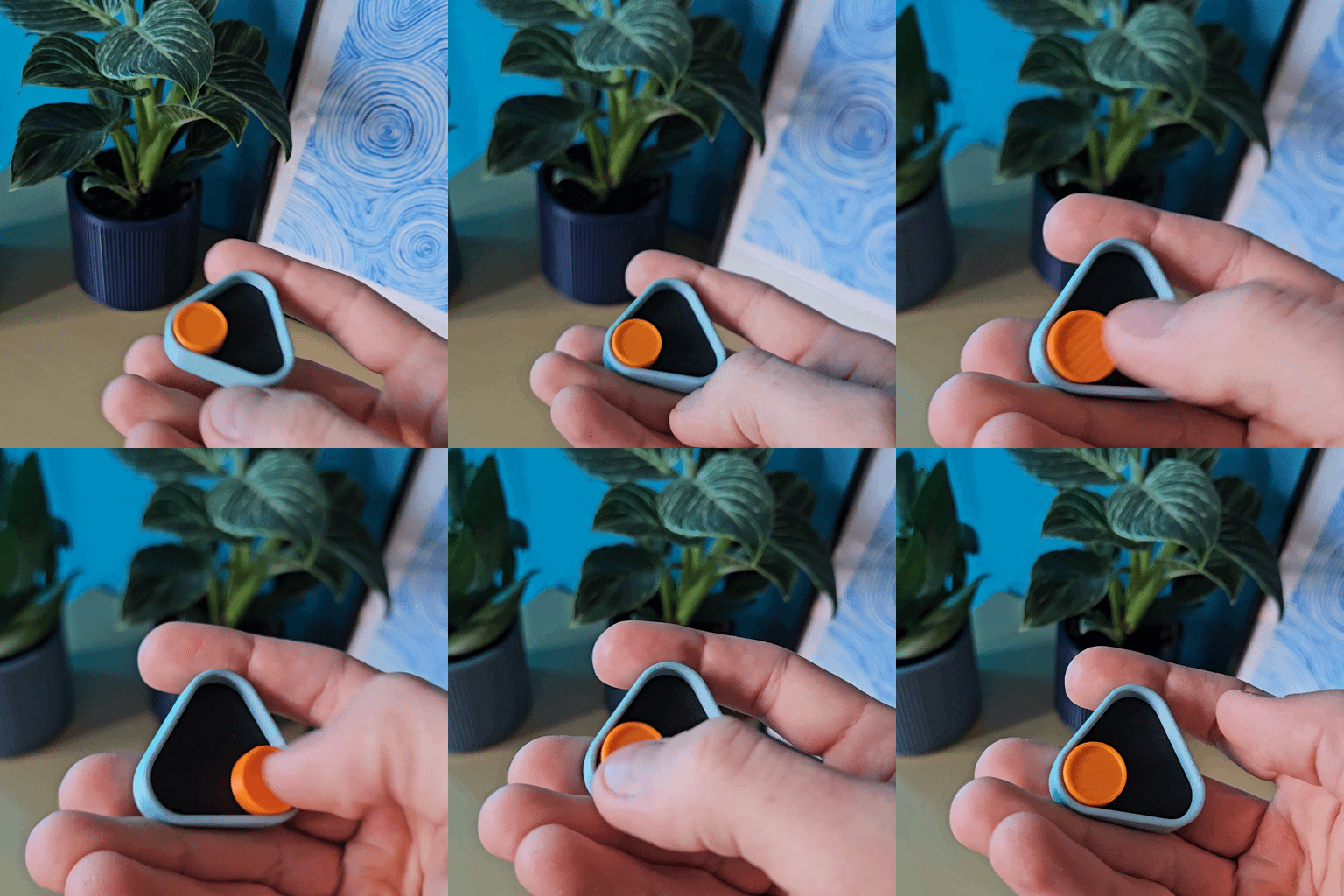

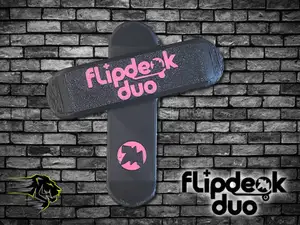

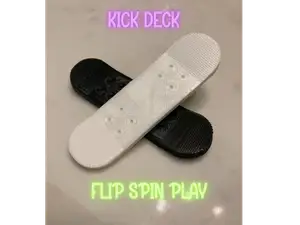
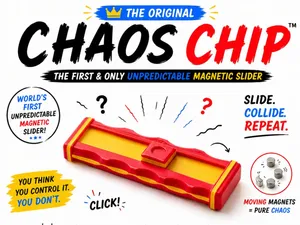

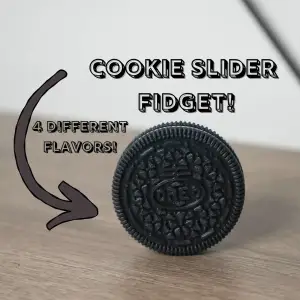

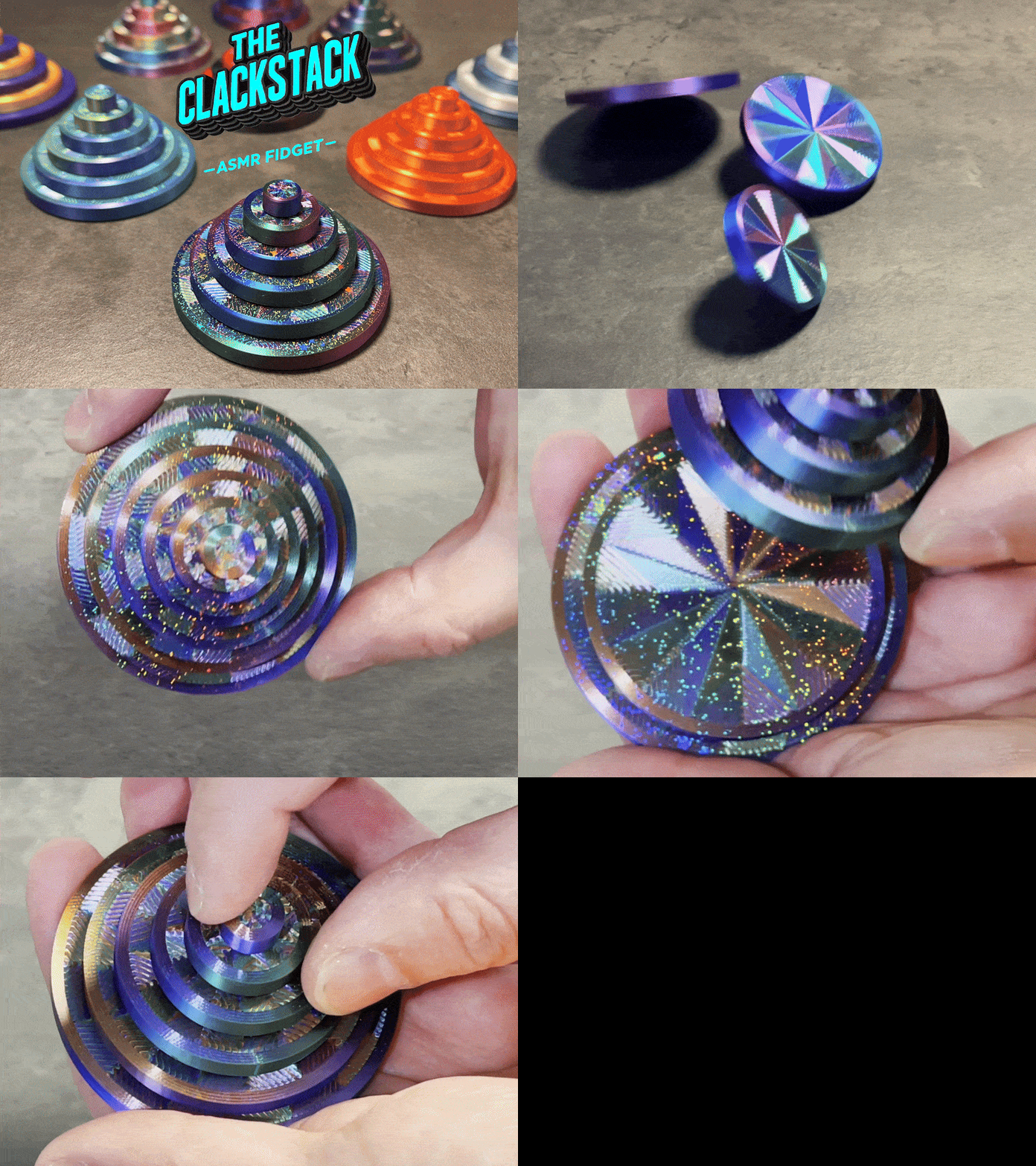

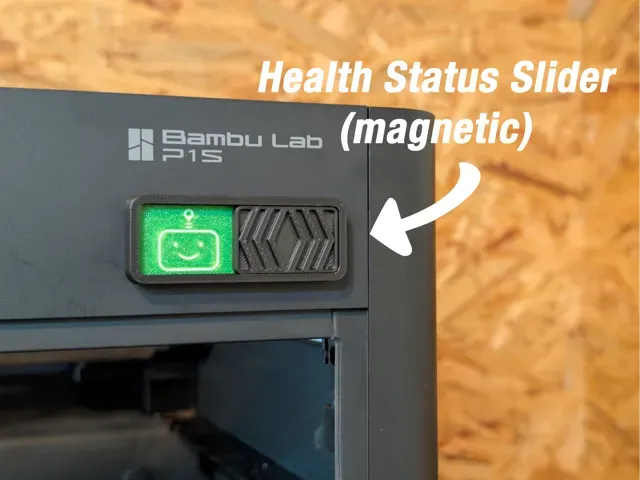
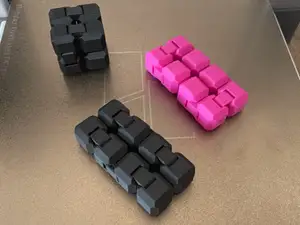
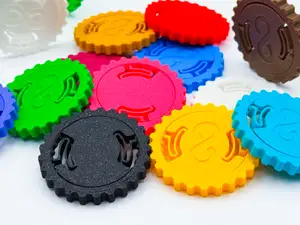
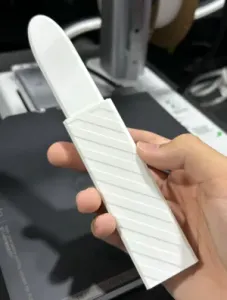
The designs fall into a few groups. Sliders and clickers use a track or a row of pockets so a printed piece travels between magnets and produces a click. Keychain versions shrink the same mechanism to a pendant size, while cube, ball and tile shapes rely on magnets to hold faces or segments together. Themed variants borrow shapes from games, tools or abstract patterns without changing the basic mechanism.
Before printing, open the model page and read the details the author gives. Magnet size and count matter most: a design built around one diameter will not work with another, and the pockets are usually sized for a press or glue fit. Check the number of parts, how they assemble, whether supports are needed and which material and settings the author lists. Photos of real prints show how gaps and clearances behave after printing, which is where the tolerances of your 3D printer matter.
If the results feel narrow, try other words for the same idea: haptic, clicker, slider, spinner, stress toy, keychain or EDC. Related searches such as magnetic cube, tile slider or magnet toy bring up shapes the main term misses. You can also search by magnet size or by the kind of motion you want, then compare a few pages before choosing what to print.



Le catalogue complet des thèmes, de la maison à la CNC, avec une recherche sur tous les sites connectés.