
Gratuit 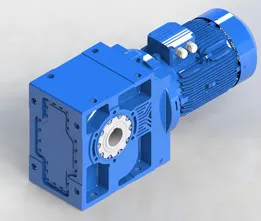
Helical Bevel Gear Reducer
GrabCAD
This collection gathers bevel gear 3D models shared across several platforms: gear pairs and sets, reducers, parametric generators and small toy builds. It helps you compare how different authors approach the same right-angle drive before you start a 3D printing project. Use the filters and the synonyms below to narrow the list. Polyzon does not confirm whether models are free, their price, license, official status, affiliation, safety or fitness. Check the current terms at the source.
Le texte de cette collection est rédigé en anglais ; la recherche, elle, fonctionne dans toutes les langues.
 Une collection Polyzon · 48 modèles sur 6 plateformes
Polyzon compose cette collection à partir des résultats de recherche des plateformes connectées. Les doublons et les modèles sans aperçu sont retirés, les correspondances faibles sont placées à la fin, et le reste suit l’ordre de la recherche. Les modèles appartiennent à leurs auteurs : consultez les conditions sur la page de chaque modèle.
Règles de sélection : la rédaction de Polyzon · Texte mis à jour le 11/10/2026



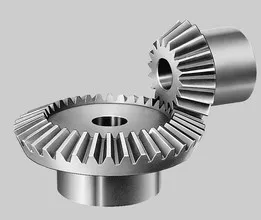


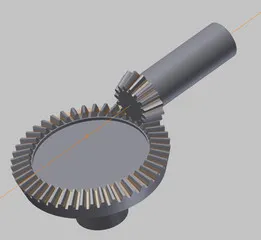
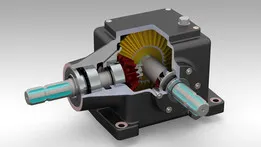
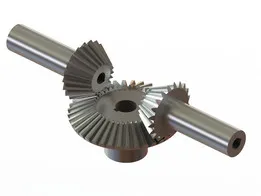
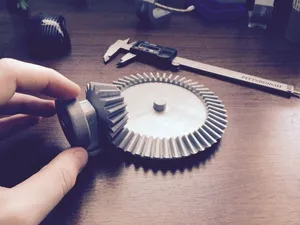

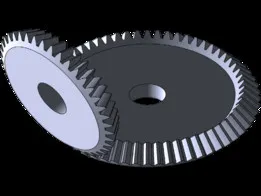

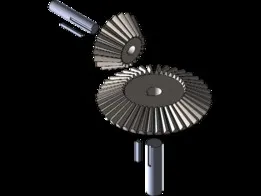



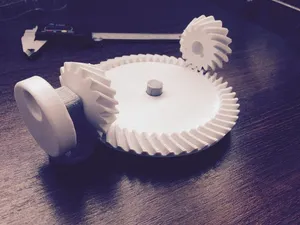
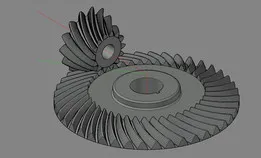


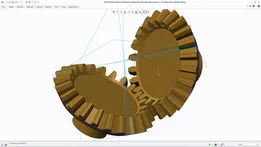

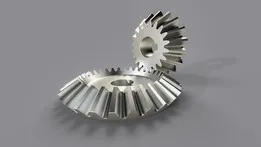


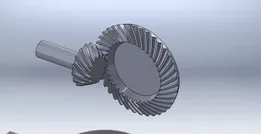
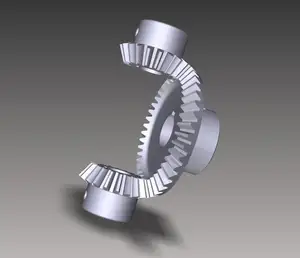

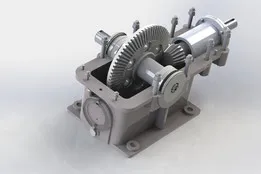

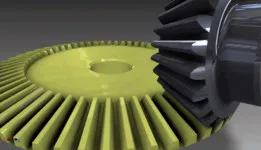
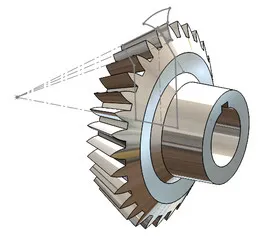
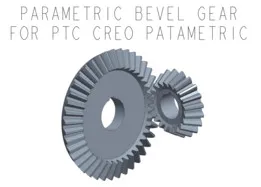


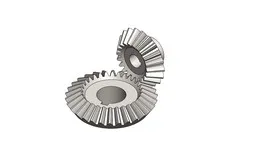
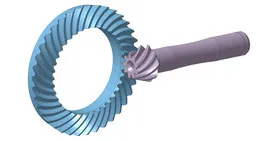
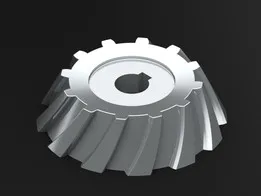
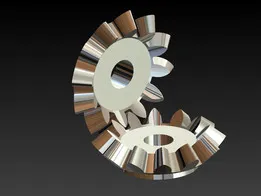


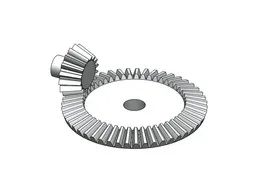
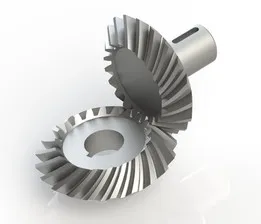
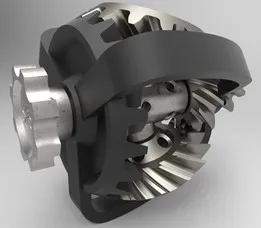
The models differ mainly in tooth form and in how much of the assembly they cover. Straight bevel gears are the simplest to read in a slicer, spiral bevel gears curve the teeth along the face, and involute versions follow a defined tooth profile. Some entries are a single gear, others are a matched pair, a reducer with a housing, or a generator that rebuilds the geometry from parameters. Toy sets and fidget versions simplify the teeth and the ratio so the parts move by hand.
On the author's model page, check the tooth count and ratio, the shaft angle, the bore diameter and the overall size before scaling. Look at whether the file is one body or several parts that need assembly, and whether the author lists supports, layer height, material and orientation. Photos of real prints show how the teeth came out and whether the parts mesh after printing.
To refine the search, try synonyms such as spiral bevel, involute bevel, miter gear, right-angle gear or gear generator, and related terms like reducer, gearbox and differential. Adding a ratio, a tooth count or a CAD program name to the query often separates a finished model from a tutorial. Related topics worth browsing are spur gears, planetary sets and worm drives, which cover other ways to change speed and direction.



Le catalogue complet des thèmes, de la maison à la CNC, avec une recherche sur tous les sites connectés.