
Ücretsiz 
Helical Bevel Gear Reducer
GrabCAD
This collection gathers bevel gear 3D models shared across several platforms: gear pairs and sets, reducers, parametric generators and small toy builds. It helps you compare how different authors approach the same right-angle drive before you start a 3D printing project. Use the filters and the synonyms below to narrow the list. Polyzon does not confirm whether models are free, their price, license, official status, affiliation, safety or fitness. Check the current terms at the source.
Bu koleksiyonun metni İngilizce; arama ise her dilde çalışır.
 Bir Polyzon koleksiyonu · 48 model 6 siteden
Polyzon bu koleksiyonu bağlı sitelerdeki arama sonuçlarından oluşturur. Tekrarlar ve önizlemesi olmayan modeller çıkarılır, zayıf eşleşmeler sona alınır, geri kalanlar arama sırasını korur. Modeller yazarlarına aittir; her modelin sayfasındaki koşulları kontrol edin.
Seçim kuralları: Polyzon editör ekibi · Metin güncellendi: 11.10.2026



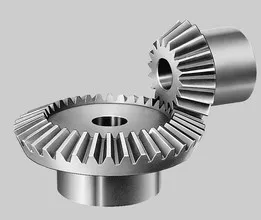
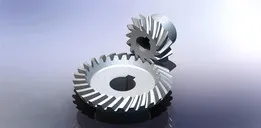

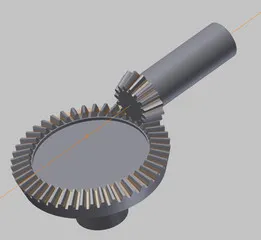
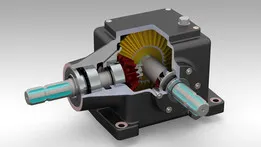
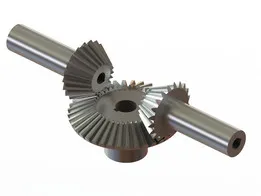
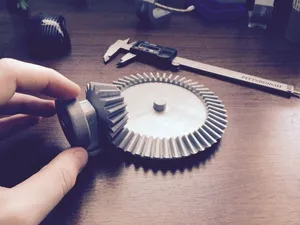

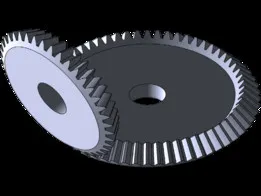

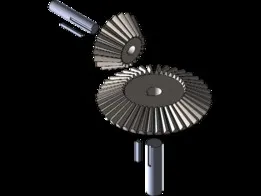



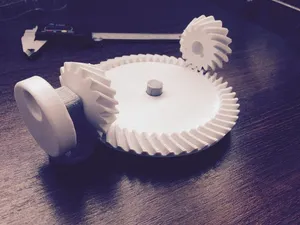
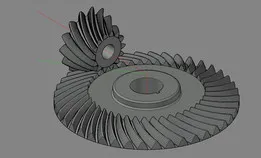


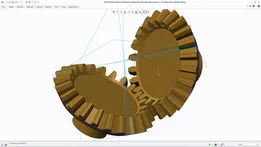

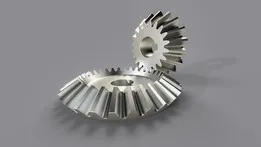


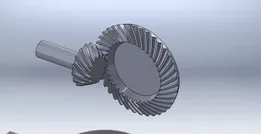
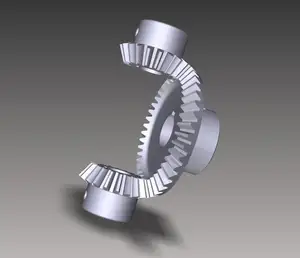

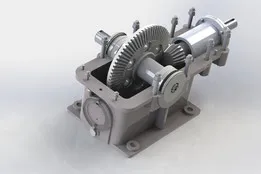

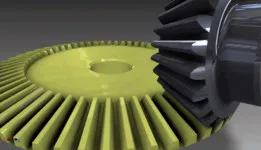
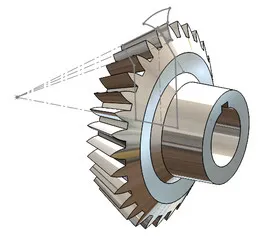
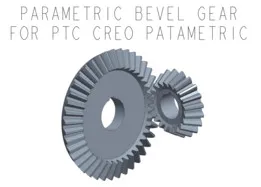


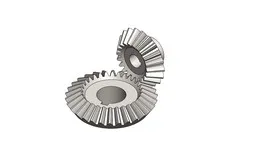
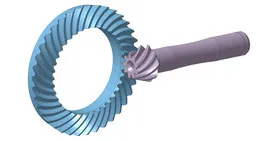
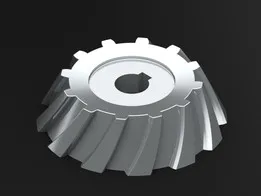
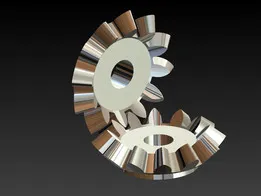


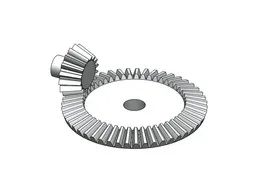
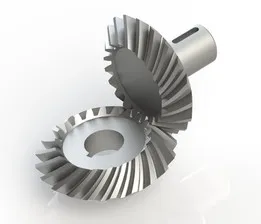
The models differ mainly in tooth form and in how much of the assembly they cover. Straight bevel gears are the simplest to read in a slicer, spiral bevel gears curve the teeth along the face, and involute versions follow a defined tooth profile. Some entries are a single gear, others are a matched pair, a reducer with a housing, or a generator that rebuilds the geometry from parameters. Toy sets and fidget versions simplify the teeth and the ratio so the parts move by hand.
On the author's model page, check the tooth count and ratio, the shaft angle, the bore diameter and the overall size before scaling. Look at whether the file is one body or several parts that need assembly, and whether the author lists supports, layer height, material and orientation. Photos of real prints show how the teeth came out and whether the parts mesh after printing.
To refine the search, try synonyms such as spiral bevel, involute bevel, miter gear, right-angle gear or gear generator, and related terms like reducer, gearbox and differential. Adding a ratio, a tooth count or a CAD program name to the query often separates a finished model from a tutorial. Related topics worth browsing are spur gears, planetary sets and worm drives, which cover other ways to change speed and direction.



Ev ve günlük yaşamdan CNC'ye kadar tüm konuların kataloğu; bağlı sitelerin hepsinde arama yapabilirsiniz.