
Gratuit 
Collapsible Katana V2
Thingiverse
This collection gathers collapsible katana models made for 3D printing, from single-piece print-in-place blades to multi-part builds with separate handles. It is useful if you want a sword that folds down for storage or cosplay and still reads as a katana when extended. Most entries are STL files, so the main differences lie in the mechanism, the scale and how the parts go together. Polyzon does not confirm whether models are free, their price, license, official status, affiliation, safety or fitness. Check the current terms at the source.
Le texte de cette collection est rédigé en anglais ; la recherche, elle, fonctionne dans toutes les langues.
 Une collection Polyzon · 48 modèles sur 4 plateformes
Polyzon compose cette collection à partir des résultats de recherche des plateformes connectées. Les doublons et les modèles sans aperçu sont retirés, les correspondances faibles sont placées à la fin, et le reste suit l’ordre de la recherche. Les modèles appartiennent à leurs auteurs : consultez les conditions sur la page de chaque modèle.
Règles de sélection : la rédaction de Polyzon · Texte mis à jour le 10/10/2026

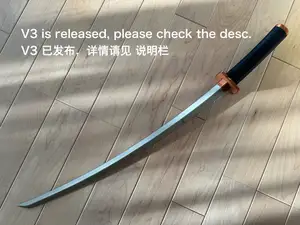
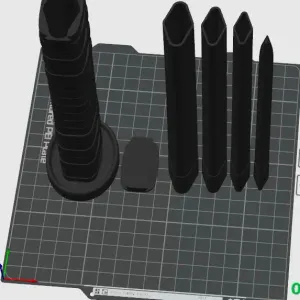
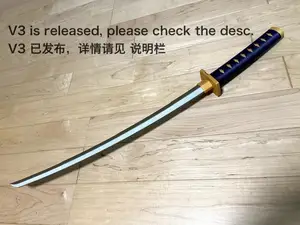
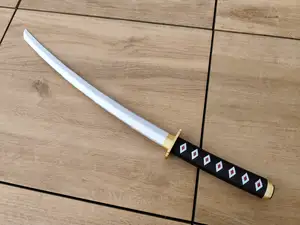


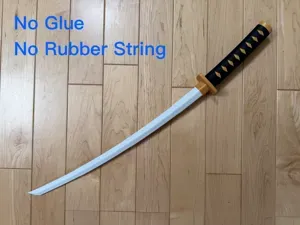
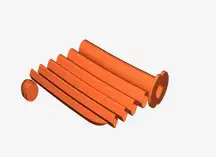


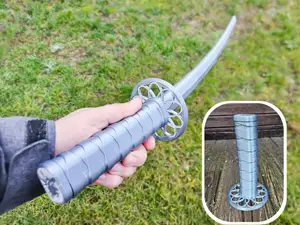
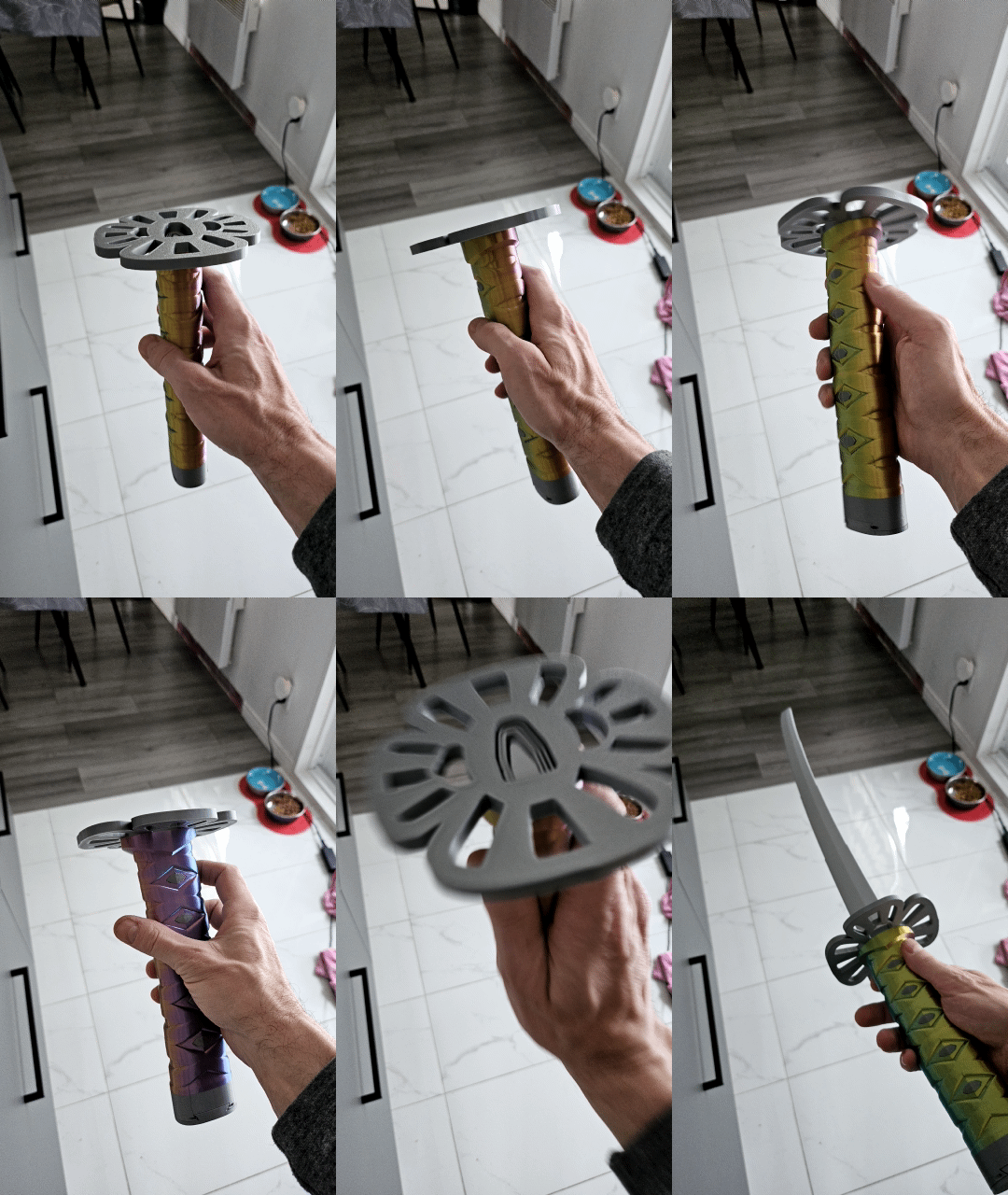

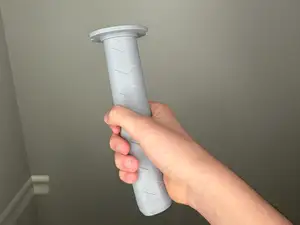

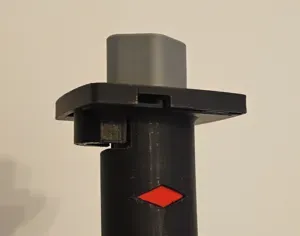
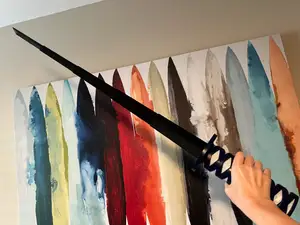
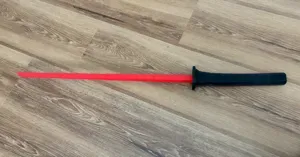


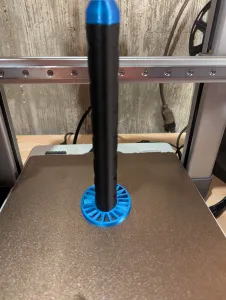
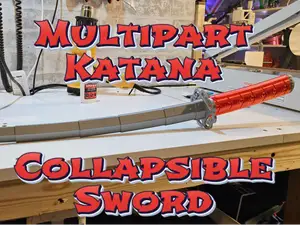
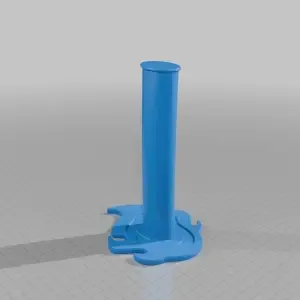
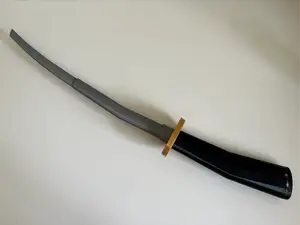

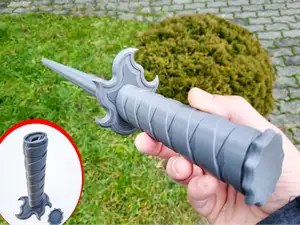
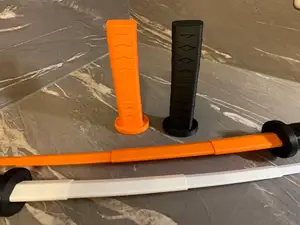


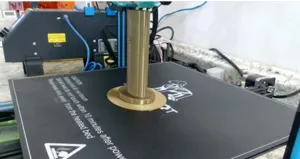
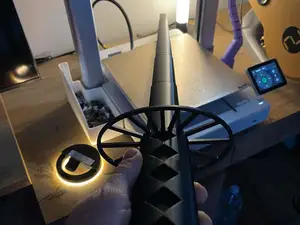


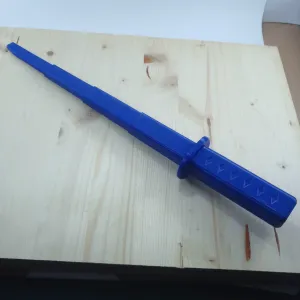
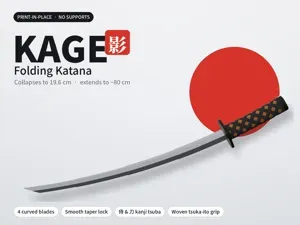

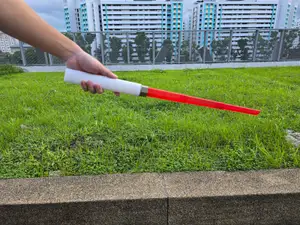

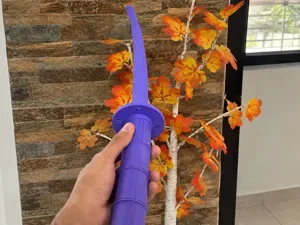
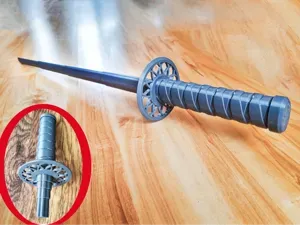
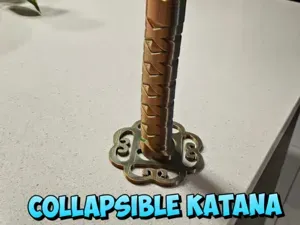
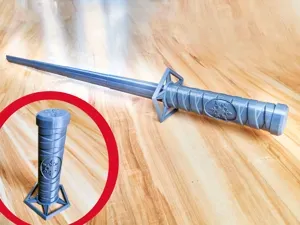
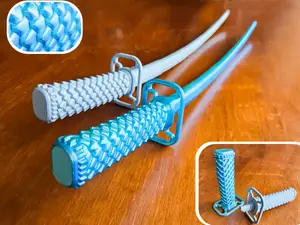
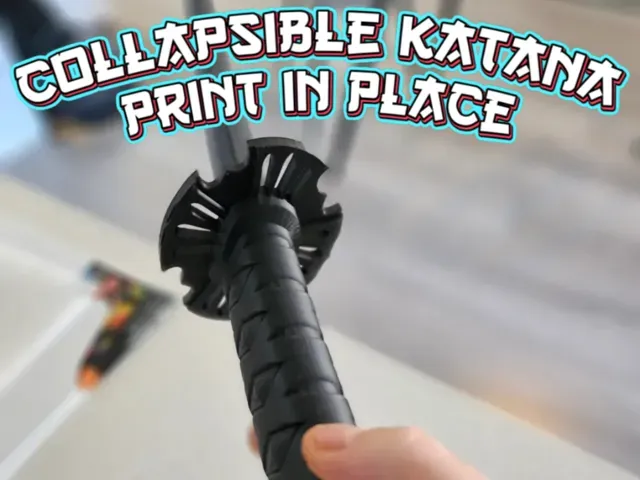
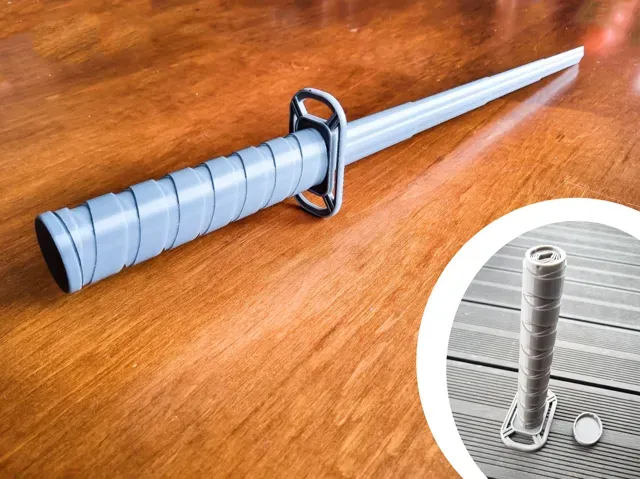
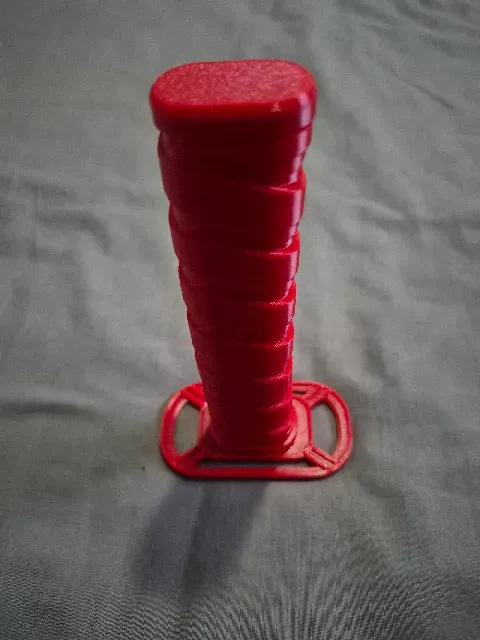
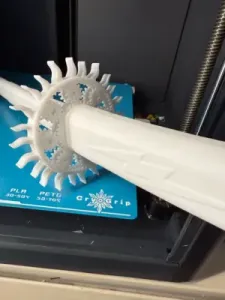
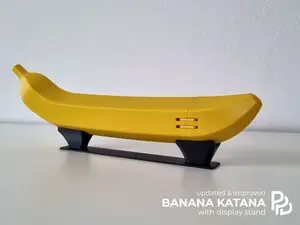
The models fall into a few groups. Print-in-place versions come off the plate as one working piece, with the blade segments and handle printed together. Multi-part versions split the handle, guard or blade into separate pieces that are assembled afterwards, which usually allows a longer or more detailed result. Twisting and collapsing mechanisms appear as their own variant, where the blade folds in a spiral rather than sliding straight back, and themed or curved versions change the silhouette rather than the mechanism.
When choosing a model, read the author's page before slicing. Check the overall length and scale, since some are miniature desk pieces and others are sized for cosplay. Look at how many parts are involved, whether the mechanism needs clearance or lubrication, whether supports are required, and which material and settings the author lists. Photos of real prints are the most useful signal of how the mechanism behaves once assembled.
To widen or narrow the search, try related terms such as collapsing sword, print-in-place sword, twisting blade, folding katana or shikomizue. Adding a size word like mini or a scale word like cosplay shifts results toward one end of the range, and adding a mechanism word separates sliding designs from twisting ones. Combining a mechanism term with a material or a colour note helps when you already know how you want to print it.



Le catalogue complet des thèmes, de la maison à la CNC, avec une recherche sur tous les sites connectés.