
Gratuit 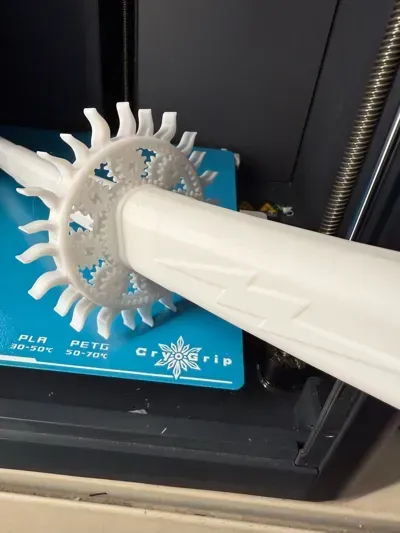
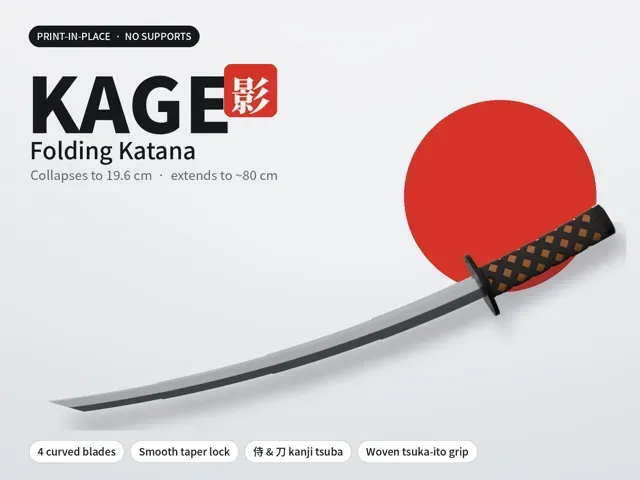
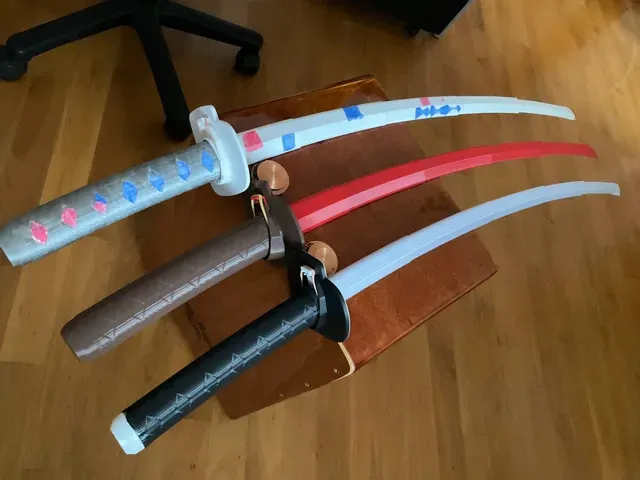
Zeus's Lightning Sword (Folding Katana)
Creality Cloud
This collection gathers folding and collapsing katana models, balisong-style trainers, and the scabbard and tsuba parts that go with them. Most are built for desktop 3D printing in a single run, so the blade folds or telescopes out of the handle. It helps if you want a prop that moves rather than a static display sword. Polyzon does not confirm whether models are free, their price, license, official status, affiliation, safety or fitness. Check the current terms at the source.
Le texte de cette collection est rédigé en anglais ; la recherche, elle, fonctionne dans toutes les langues.
 Une collection Polyzon · 48 modèles sur 4 plateformes
Polyzon compose cette collection à partir des résultats de recherche des plateformes connectées. Les doublons et les modèles sans aperçu sont retirés, les correspondances faibles sont placées à la fin, et le reste suit l’ordre de la recherche. Les modèles appartiennent à leurs auteurs : consultez les conditions sur la page de chaque modèle.
Règles de sélection : la rédaction de Polyzon · Texte mis à jour le 14/10/2026


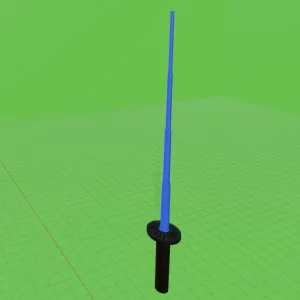
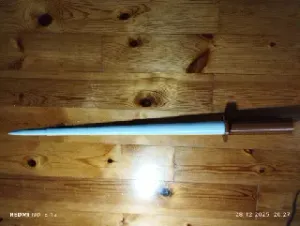

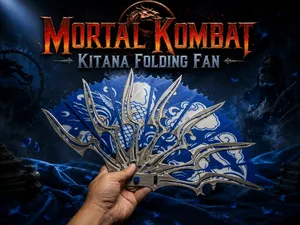
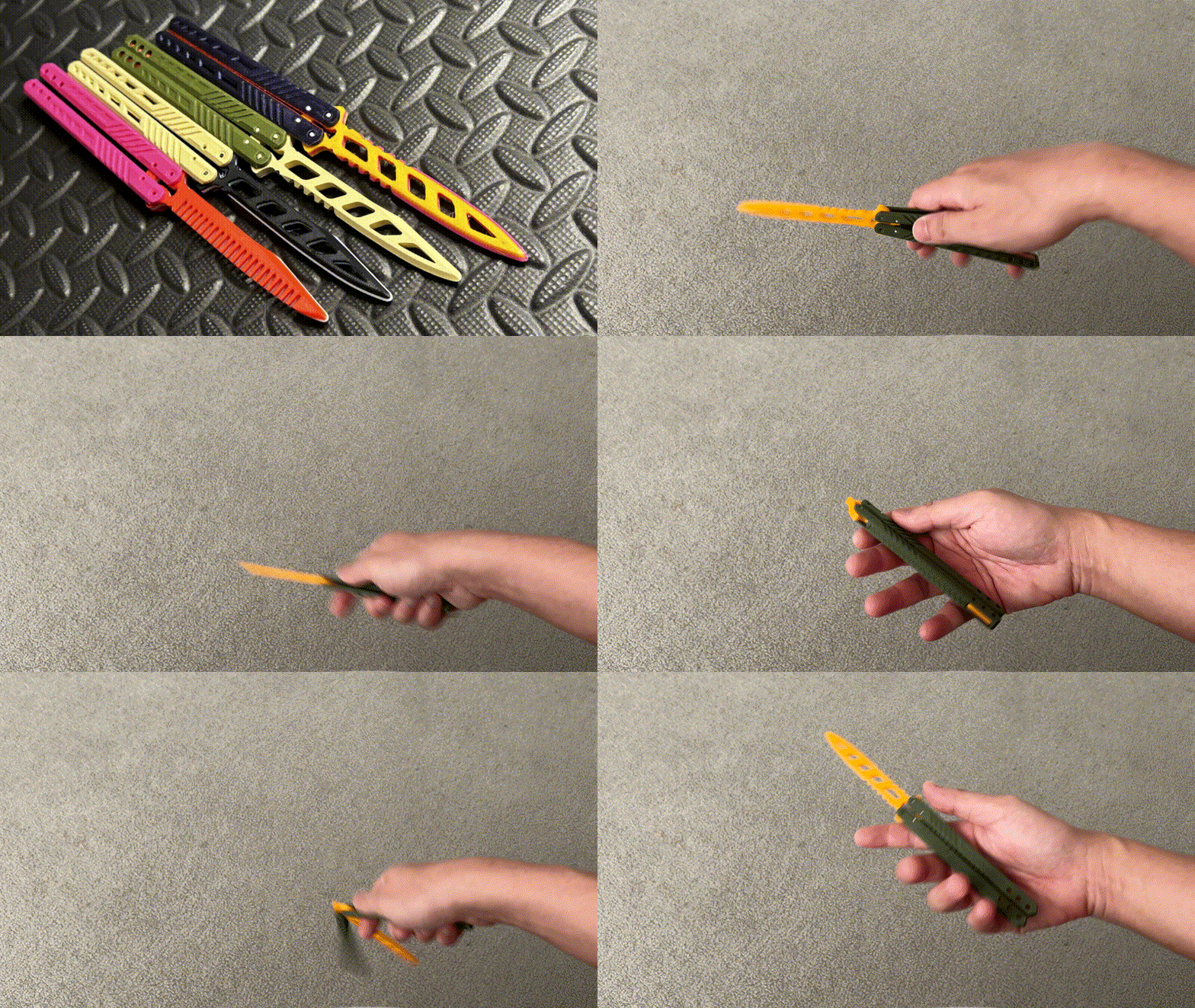
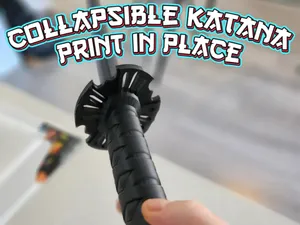

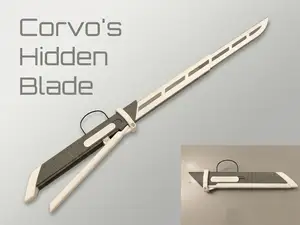
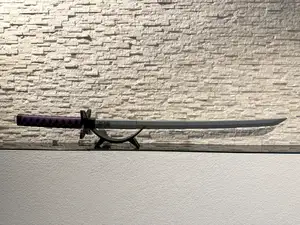

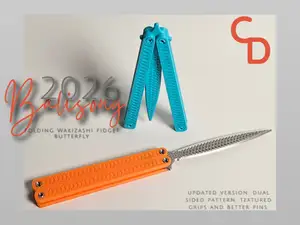
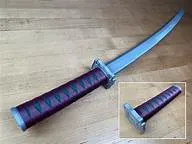
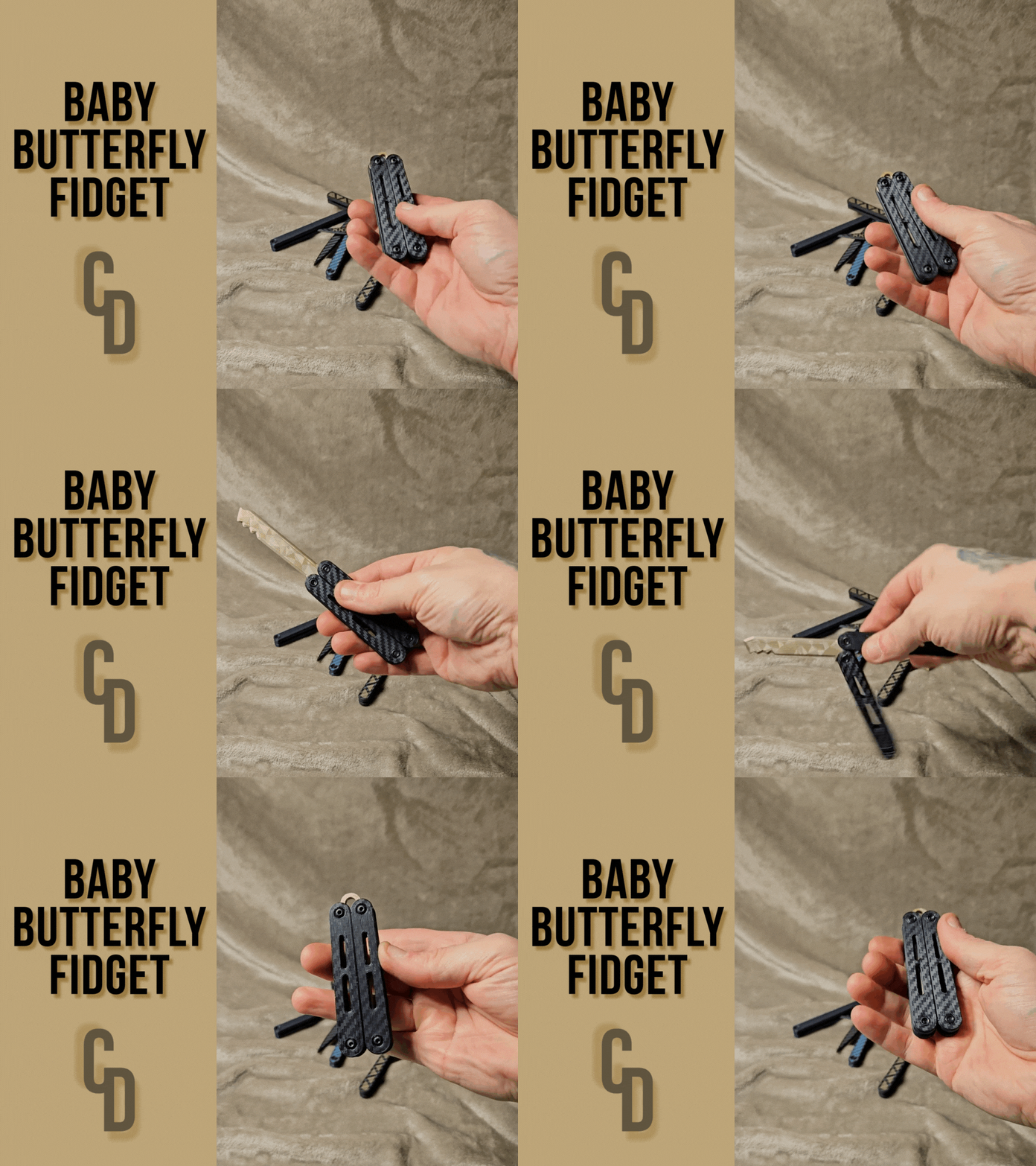
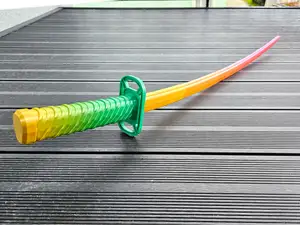


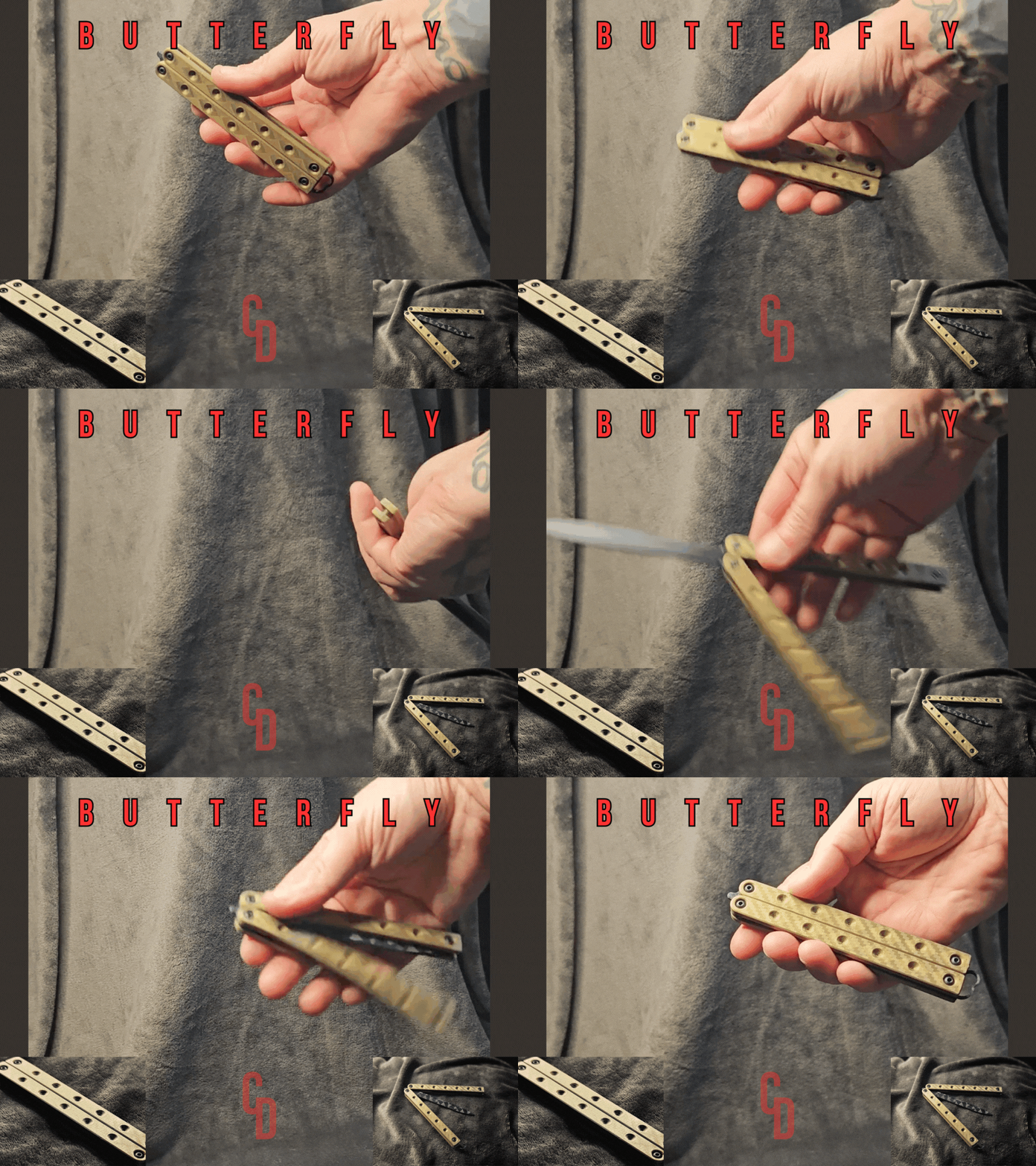
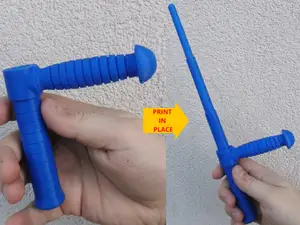
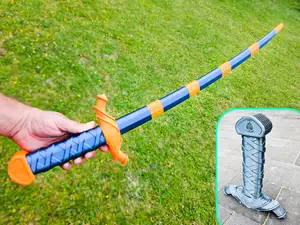
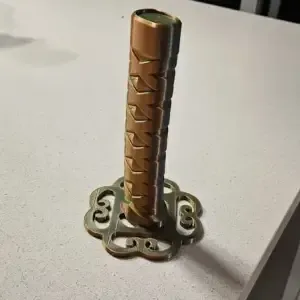
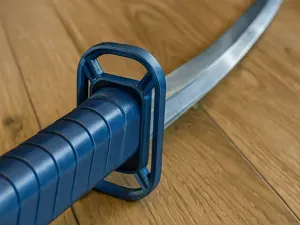
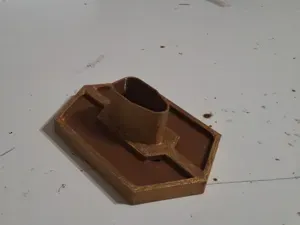
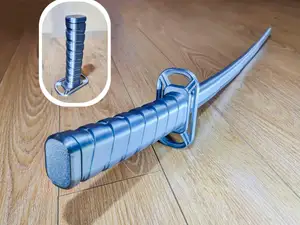
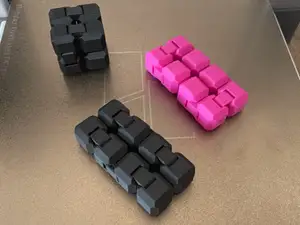
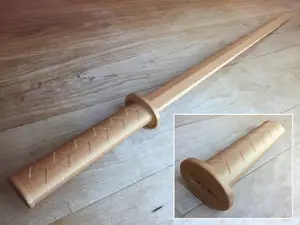
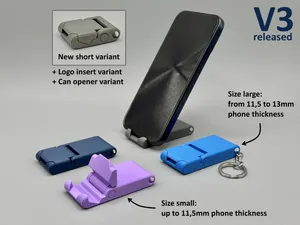
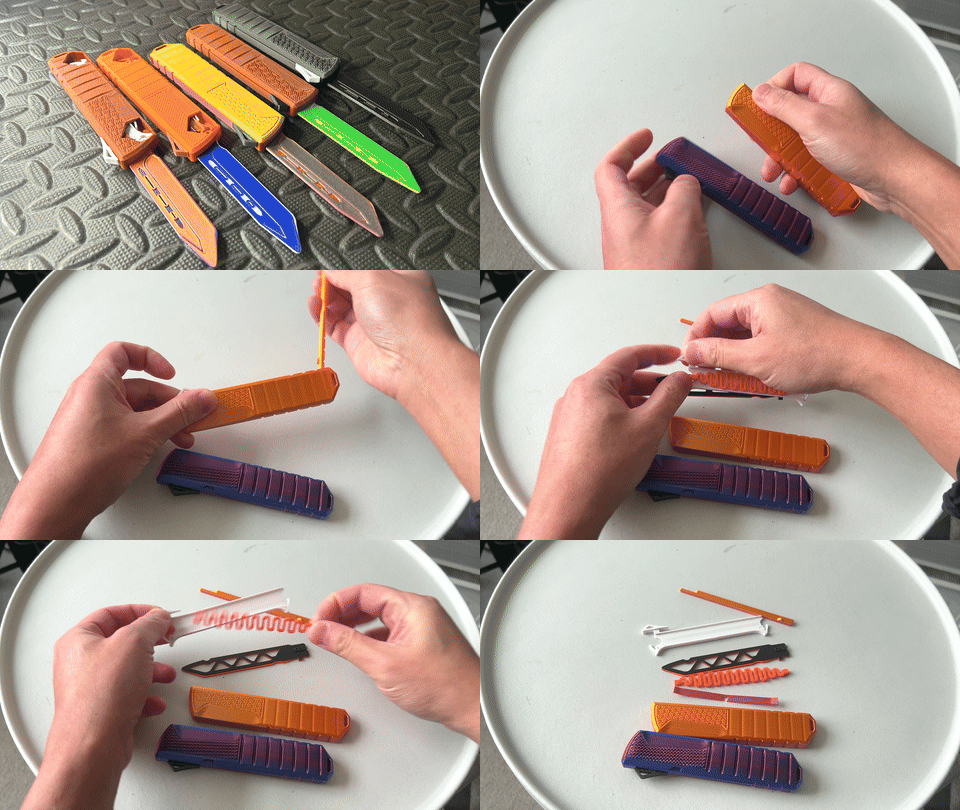
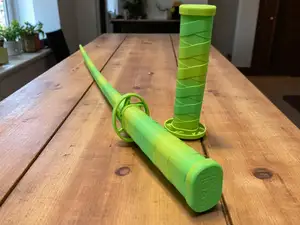

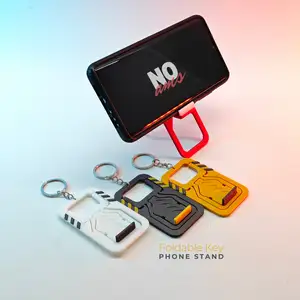
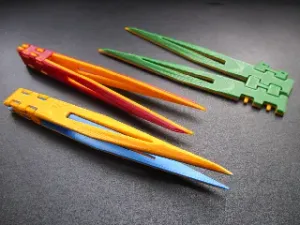
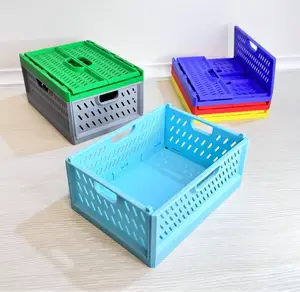
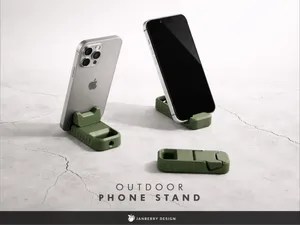
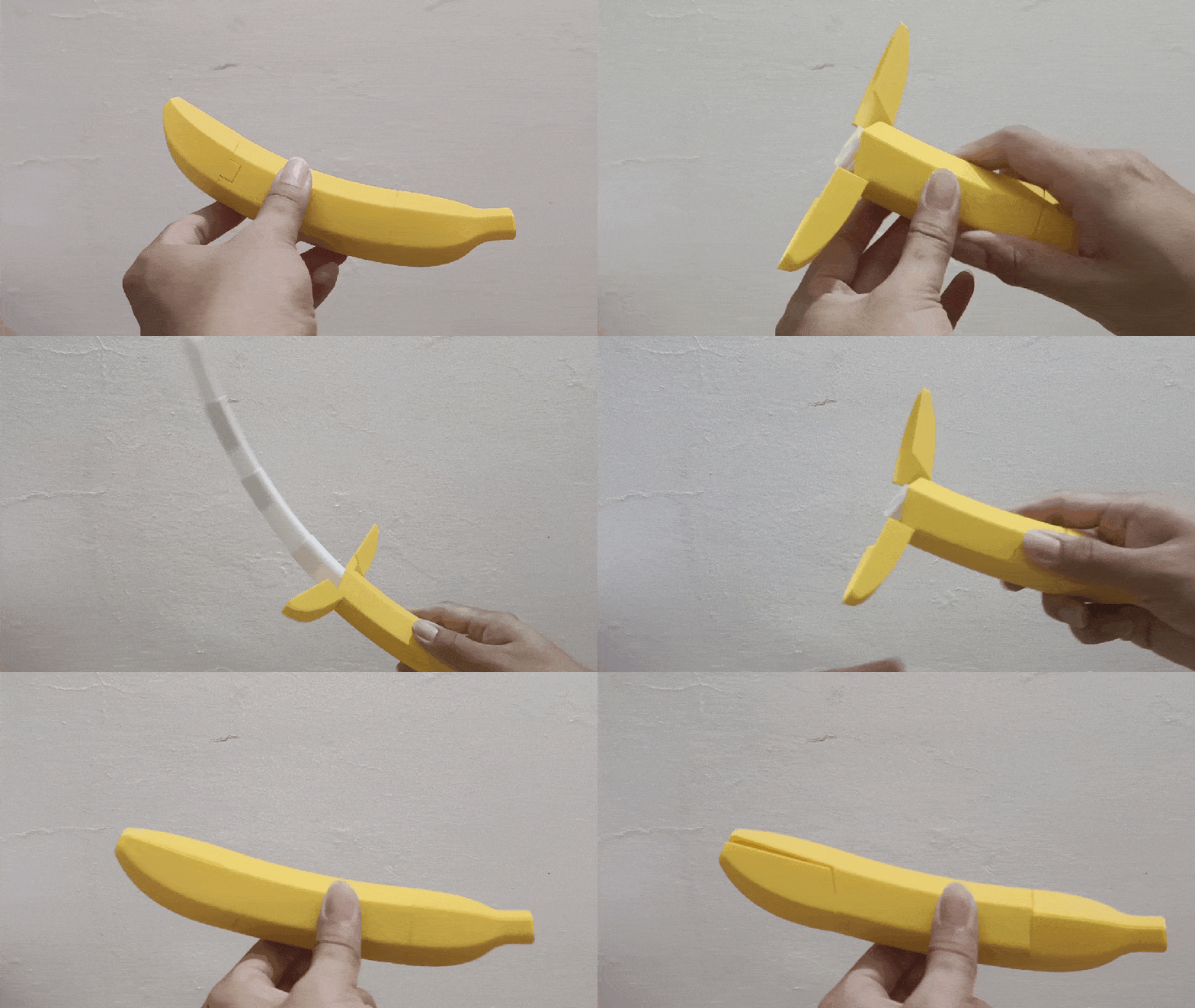
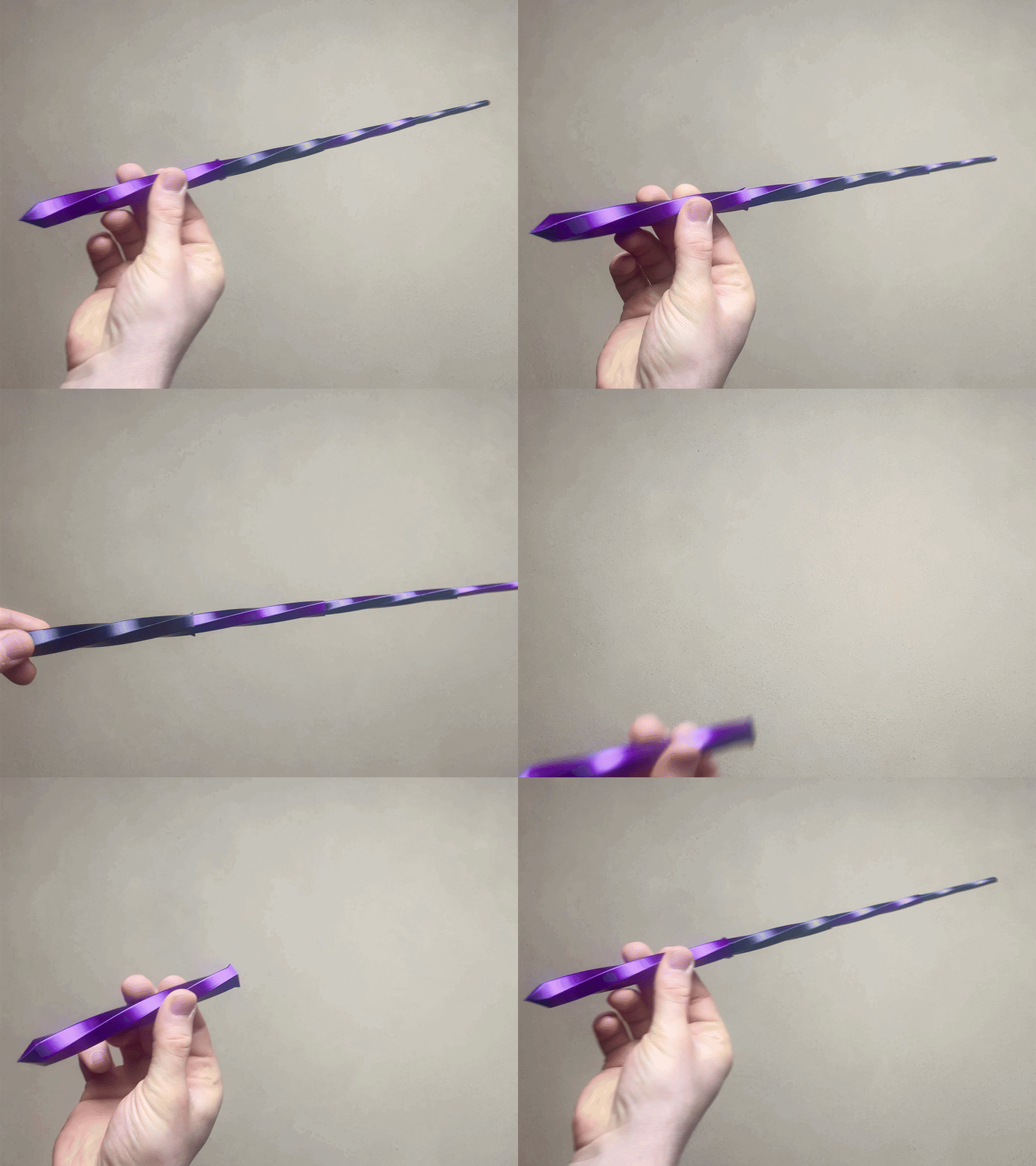



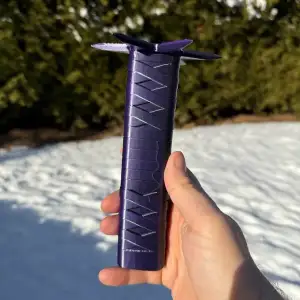
Folding katana models differ mainly in how the blade retracts. Some use a hinge with a trigger or lock, others telescope in segments, and print-in-place versions come off the plate already connected. Balisong and butterfly designs form a separate family: they are usually drawn as trainers with a comb or a blunt blade, and their handles carry pins or channels that decide how the flipping feels. Accessories such as scabbards, tsuba and handle plugs are often published as add-ons to a specific body.
Before printing, read the model page for overall length and scale, the number of separate parts, and whether the author used supports. Check the listed material and settings, because thin hinge pins and long blade sections behave differently in rigid and in tougher filaments. Photos of real prints show how the joints line up and where the tolerances sit. If a part is meant to slide or snap, a small test print of that section first saves a full reprint.
Search terms can be widened or narrowed depending on what you want. Collapsible, extendable, telescopic and print in place describe the same mechanism from different angles, while balisong, butterfly knife and trainer cover the flipping variants. Related searches include tonfa, hidden blade props, sword scabbards and anime-inspired katana parts, which often share the same hinge and lock designs.


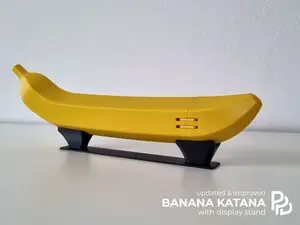

Le catalogue complet des thèmes, de la maison à la CNC, avec une recherche sur tous les sites connectés.