
Gratuit 
Dragon Eggs
Thingiverse
This collection gathers dragon egg and dragon cave models shared across several 3D-printing platforms, from single display eggs to full diorama scenes. It is useful when you want a fantasy piece that prints as one shell, as a hollow container, or as a small set at tabletop scale. Most entries are STL files, so the deciding factor is usually how the model is split and how the surface detail is meant to come out. Polyzon does not confirm whether models are free, their price, license, official status, affiliation, safety or fitness. Check the current terms at the source.
Le texte de cette collection est rédigé en anglais ; la recherche, elle, fonctionne dans toutes les langues.
 Une collection Polyzon · 48 modèles sur 3 plateformes
Polyzon compose cette collection à partir des résultats de recherche des plateformes connectées. Les doublons et les modèles sans aperçu sont retirés, les correspondances faibles sont placées à la fin, et le reste suit l’ordre de la recherche. Les modèles appartiennent à leurs auteurs : consultez les conditions sur la page de chaque modèle.
Règles de sélection : la rédaction de Polyzon · Texte mis à jour le 15/10/2026

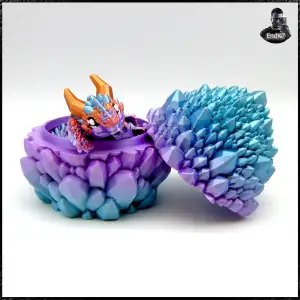


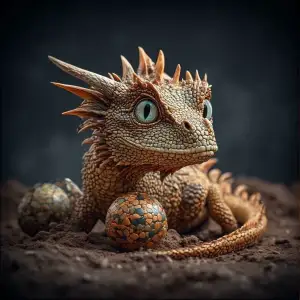

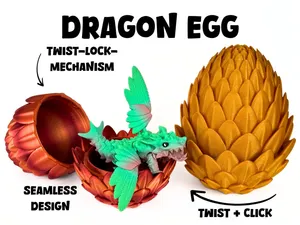
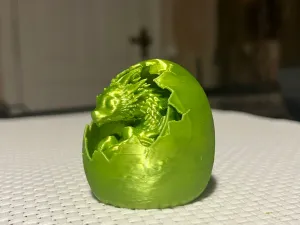

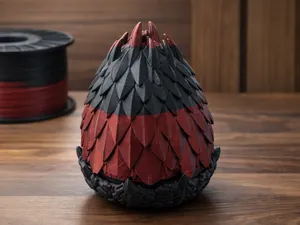
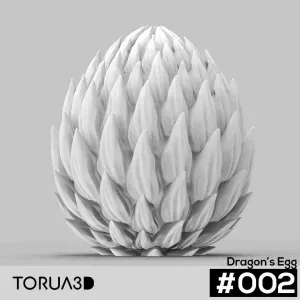

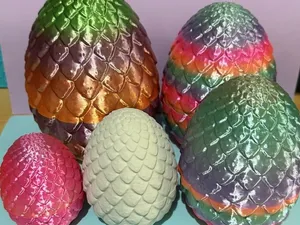
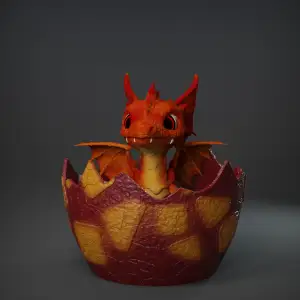

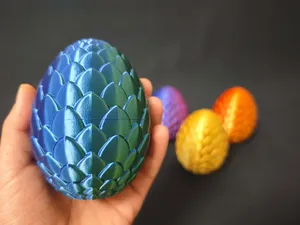
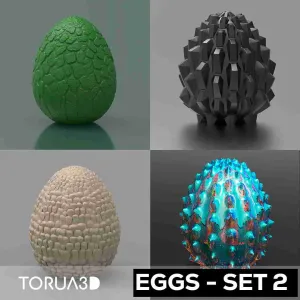

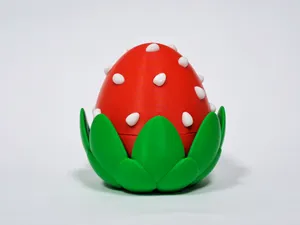
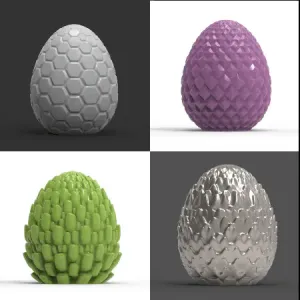

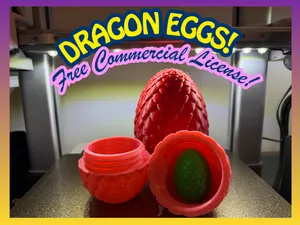
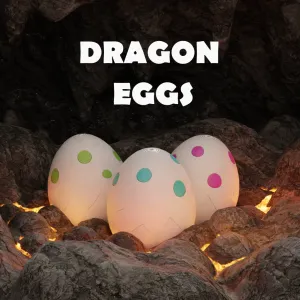

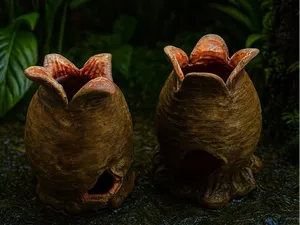
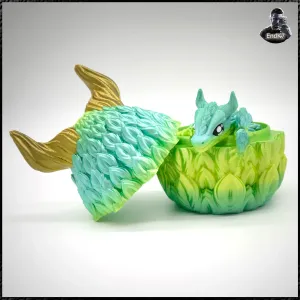

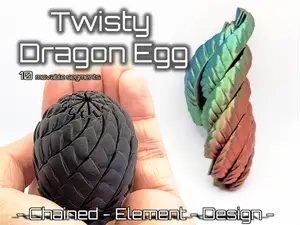
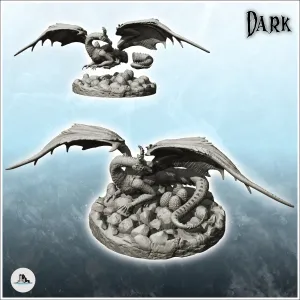

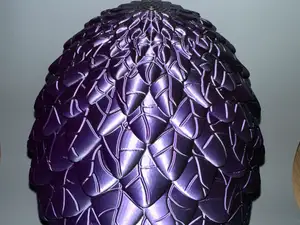
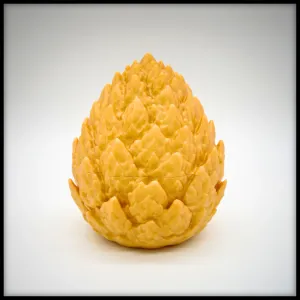
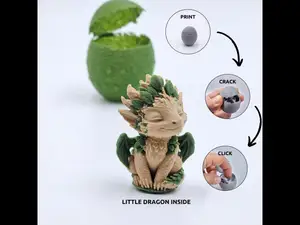
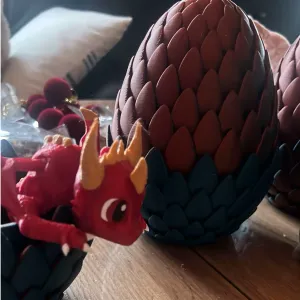
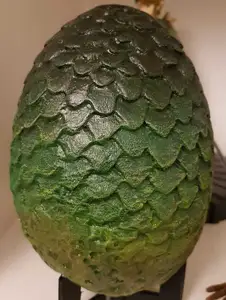
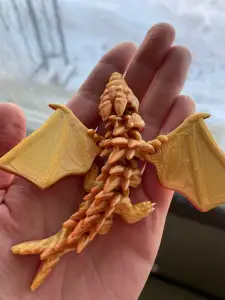
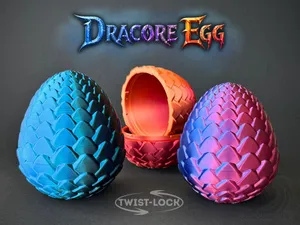
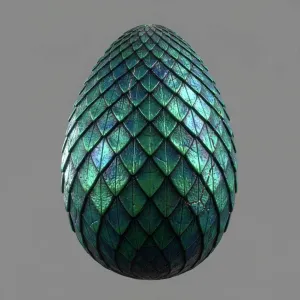

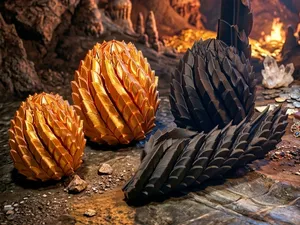
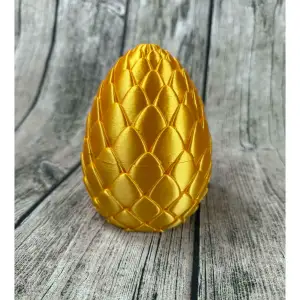


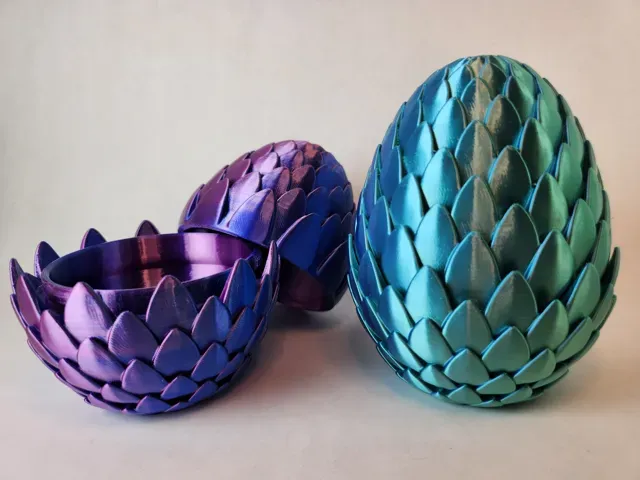
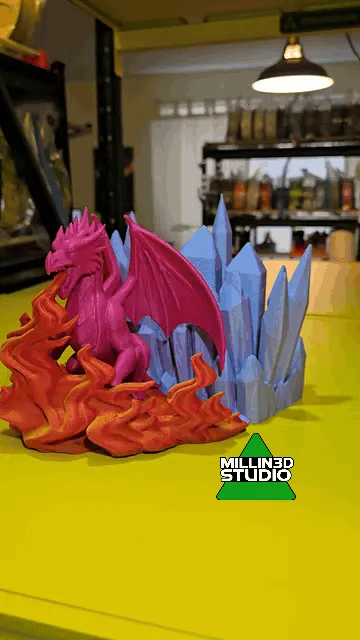
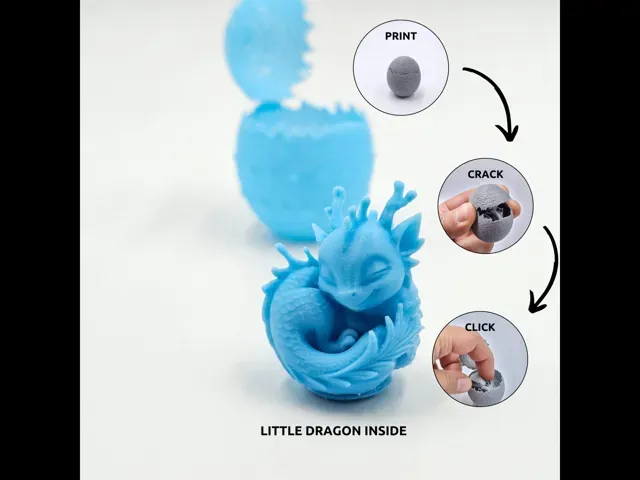
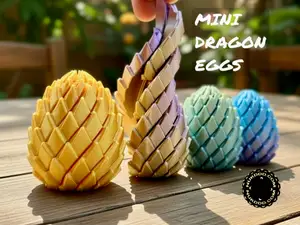
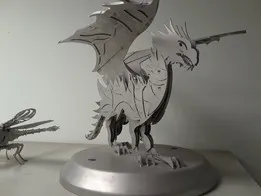
The models fall into a few recognisable groups. Some are plain eggs with scale texture, meant to sit on a shelf as a single object. Others are built as containers: the shell splits along a hidden seam, screws together, or closes with a twist-click, which changes how many parts you print and how they fit. A third group moves away from the egg itself and shows a cave, a skull-shaped entrance or a dragon posed inside a scene, often with flames or a base included.
When choosing, open the author's model page and read the details rather than judging by the preview image. Check the stated size and scale, since the same egg appears at miniature and at display dimensions, and confirm the number of parts and whether the model is meant to be glued or threaded. Look at whether supports are needed, which material and layer height the author lists, and whether photos of real prints are shown. For hollow or screw-together versions, wall thickness and clearance matter more than the outer shape.
If the results feel narrow, try related wording: hatchling, eggshell, wyvern, dragon skull, cave entrance, diorama base, or the scale you work in, such as 15mm, 28mm or heroic. Combining a creature term with a function term, for example egg plus container or cave plus terrain, usually narrows the list faster than one broad phrase. You can also search by the closure type you want, such as hidden seam or twist-click, or by the finish you plan, such as crystal or scaled.


Le catalogue complet des thèmes, de la maison à la CNC, avec une recherche sur tous les sites connectés.