Gratuit 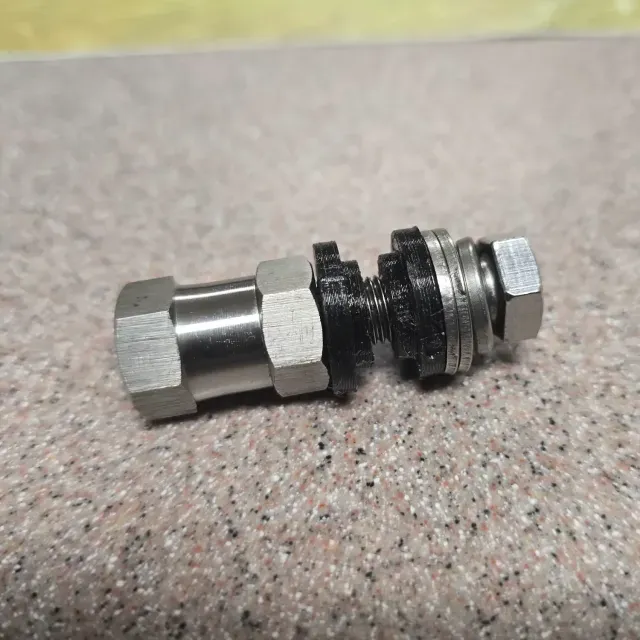
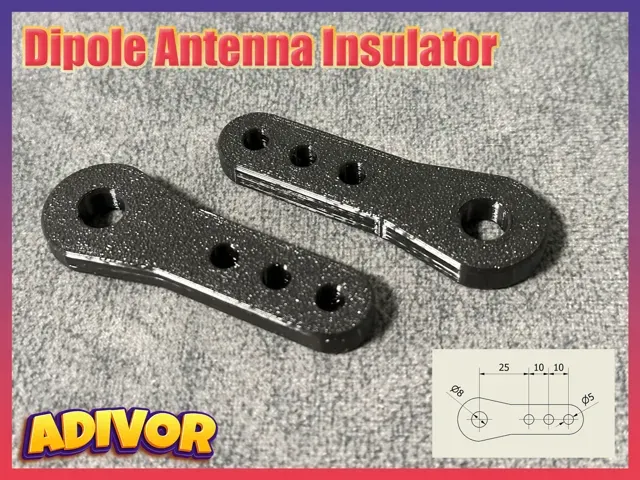
Antenna Isolator Bushing
Creality Cloud
This collection gathers 3D models of insulators used in wire antennas, from end pieces that hold a wire away from a support to center blocks for dipoles. Most files are small and print quickly, which makes them a practical starting point for antenna building with a 3D printer. You can also find strain parts for guy lines and holders for beam elements. Polyzon does not confirm whether models are free, their price, license, official status, affiliation, safety or fitness. Check the current terms at the source.
Le texte de cette collection est rédigé en anglais ; la recherche, elle, fonctionne dans toutes les langues.
 Une collection Polyzon · 46 modèles sur 6 plateformes
Polyzon compose cette collection à partir des résultats de recherche des plateformes connectées. Les doublons et les modèles sans aperçu sont retirés, les correspondances faibles sont placées à la fin, et le reste suit l’ordre de la recherche. Les modèles appartiennent à leurs auteurs : consultez les conditions sur la page de chaque modèle.
Règles de sélection : la rédaction de Polyzon · Texte mis à jour le 11/10/2026


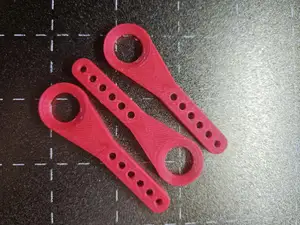
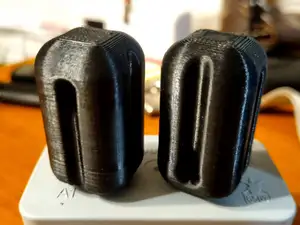

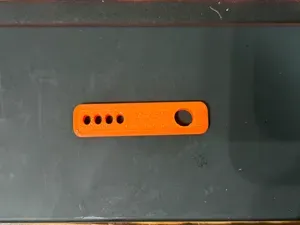
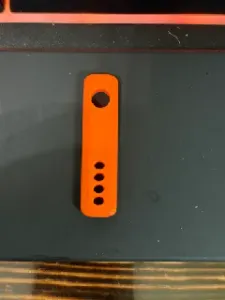


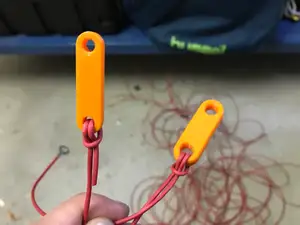


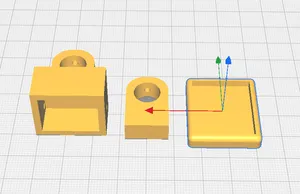

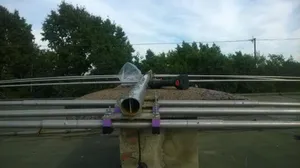
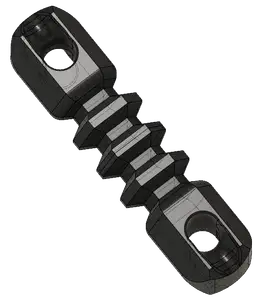

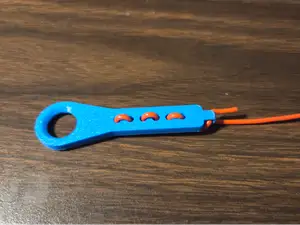
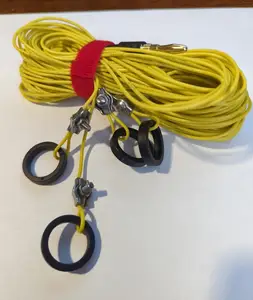
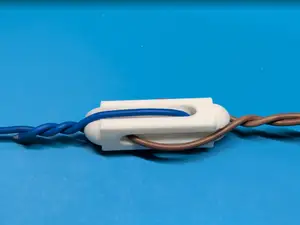
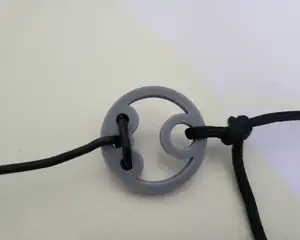
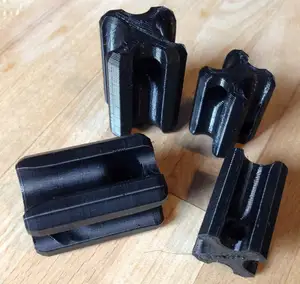


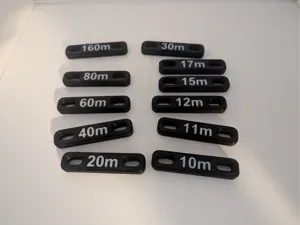
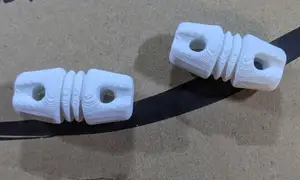

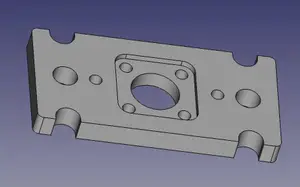
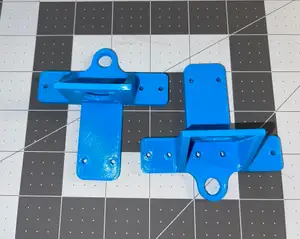
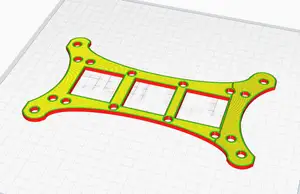


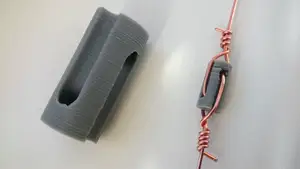
The models fall into a few groups. End insulators sit at the far end of a wire and take the pull of a rope or mast, while center blocks join the two halves of a dipole and often carry the feed connection. Strain insulators work on guy lines and support ropes, element holders keep beam tubing in place, and some files reproduce the ribbed look of older ceramic pieces.
When choosing a file, look at the hole diameter and groove depth first, since they have to match your wire gauge and rope. Check the wall thickness and how the part is oriented on the plate, because a thin wall printed flat behaves differently from one printed upright. Material matters outdoors: many builders use PETG, ASA or nylon rather than PLA for parts left in sun and rain, and the author's page usually lists the material and settings used. Photos of real prints and any notes about supports help you judge how the part will come off the plate.
If the results look thin, try other terms for the same idea: strain insulator, feedpoint block, isolator bushing, guy line separator, standoff, or wire end holder. Related searches such as antenna mounts, mast brackets, balun housings and wire winders often turn up parts that fit alongside these insulators. Adding the band or antenna type, for example a dipole, a long wire or a beam, narrows the list further.


Le catalogue complet des thèmes, de la maison à la CNC, avec une recherche sur tous les sites connectés.