
Gratuit 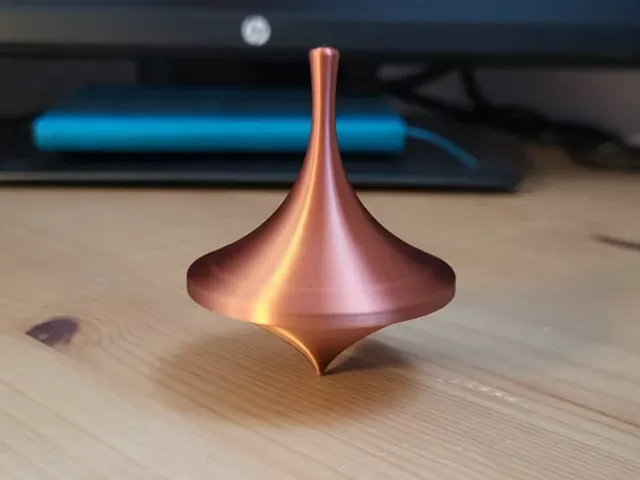
ForeverSpin spinning top
MakerWorld
This collection gathers 3D models of spinning tops, from simple one-piece discs to launcher-driven gyros and magnetic levitation designs. It is useful if you want a small 3D printing project that tests balance, tolerances and surface finish. Polyzon does not confirm whether models are free, their price, license, official status, affiliation, safety or fitness. Check the current terms at the source.
Le texte de cette collection est rédigé en anglais ; la recherche, elle, fonctionne dans toutes les langues.
 Une collection Polyzon · 48 modèles sur 6 plateformes
Polyzon compose cette collection à partir des résultats de recherche des plateformes connectées. Les doublons et les modèles sans aperçu sont retirés, les correspondances faibles sont placées à la fin, et le reste suit l’ordre de la recherche. Les modèles appartiennent à leurs auteurs : consultez les conditions sur la page de chaque modèle.
Règles de sélection : la rédaction de Polyzon · Texte mis à jour le 12/10/2026



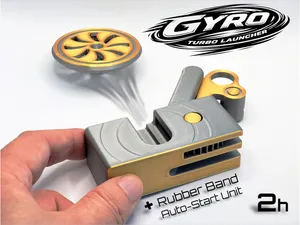
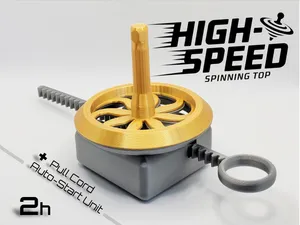
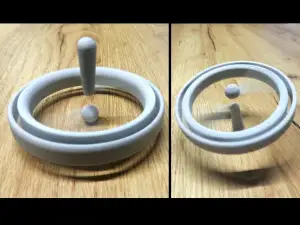

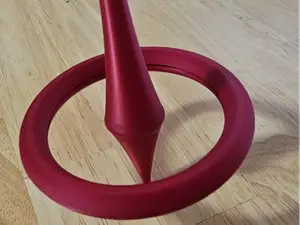
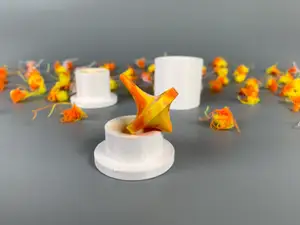
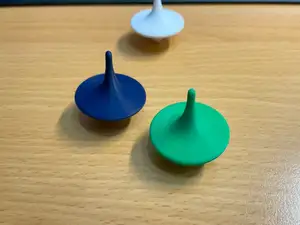
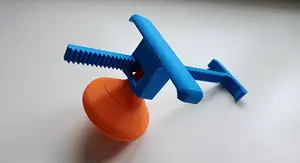

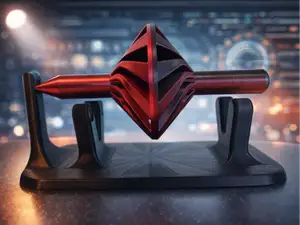
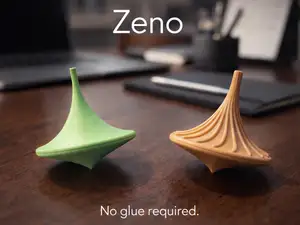
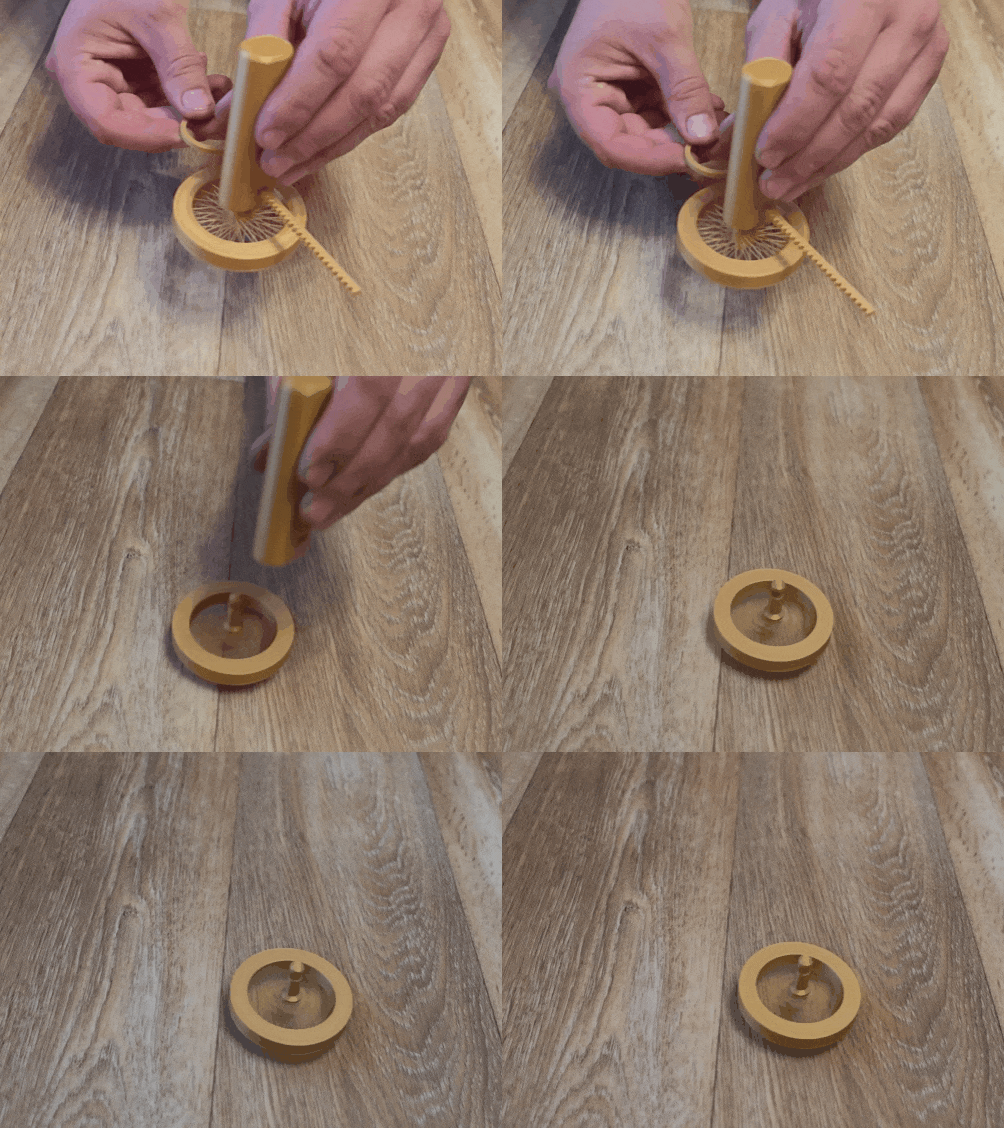
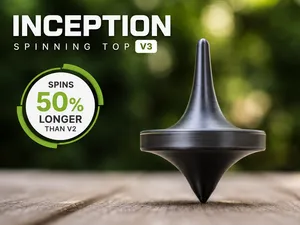

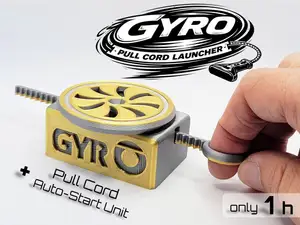
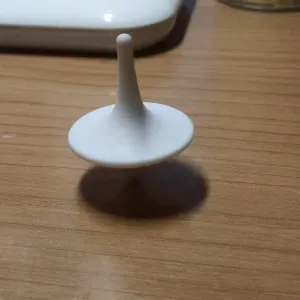
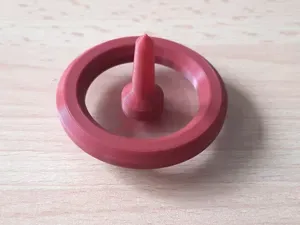
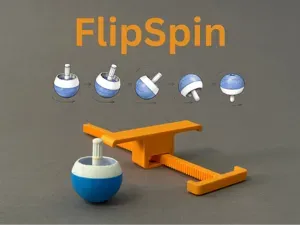


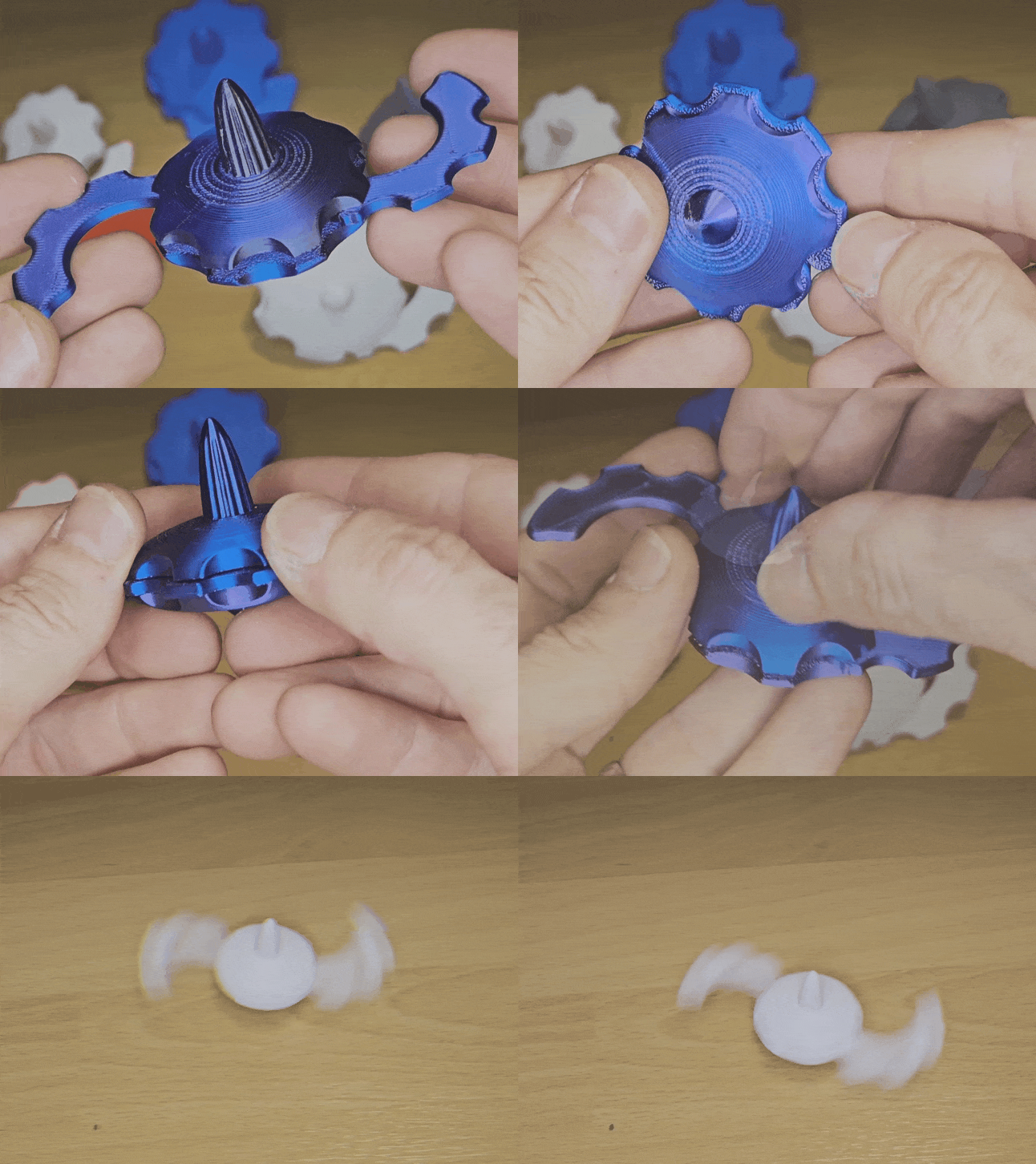
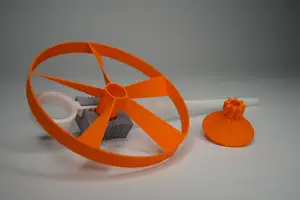



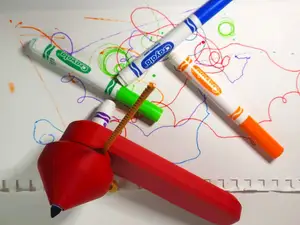
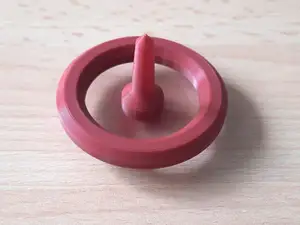
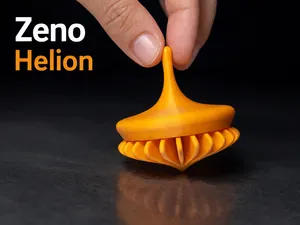




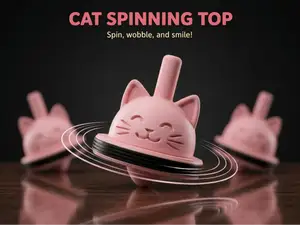

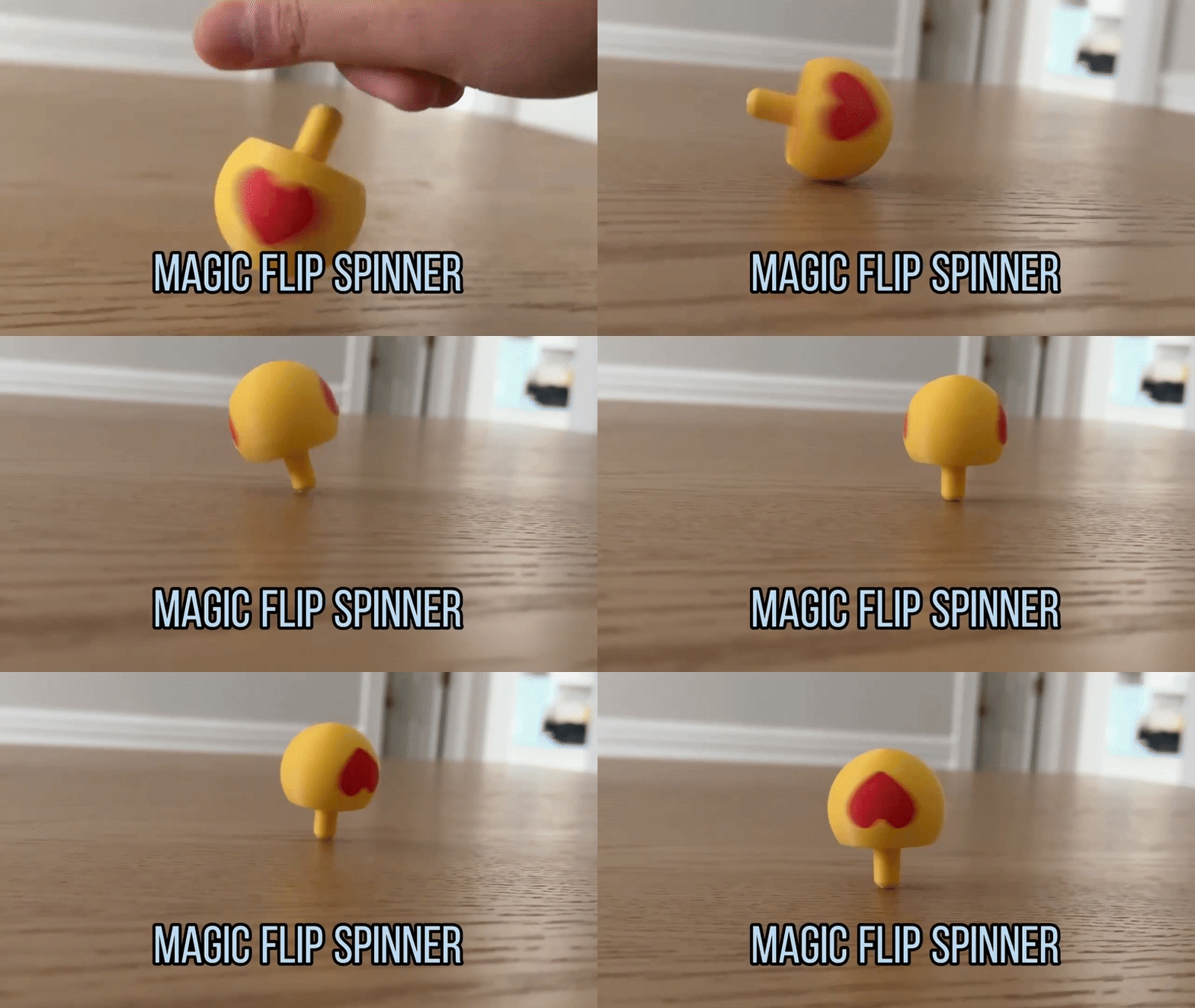
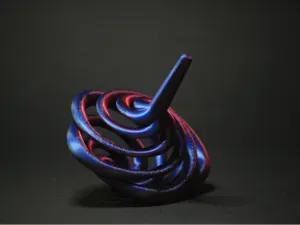
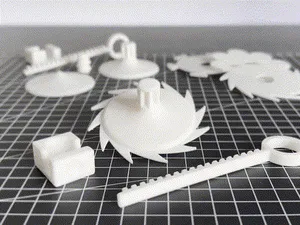
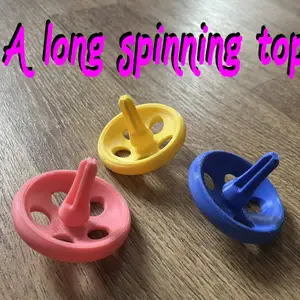

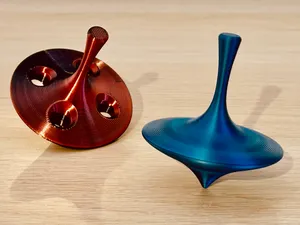
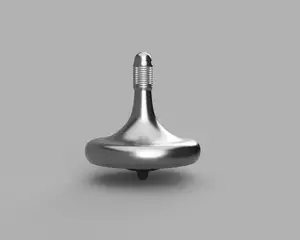
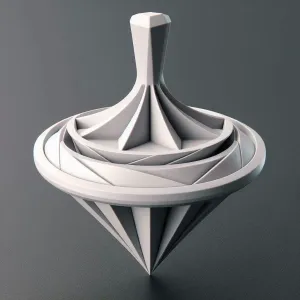
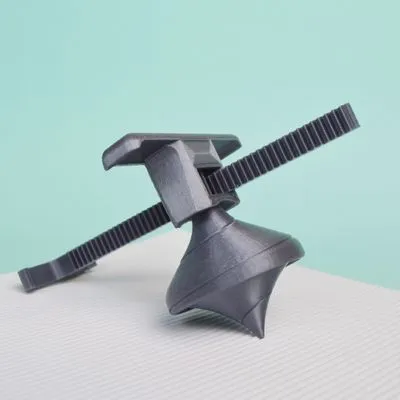
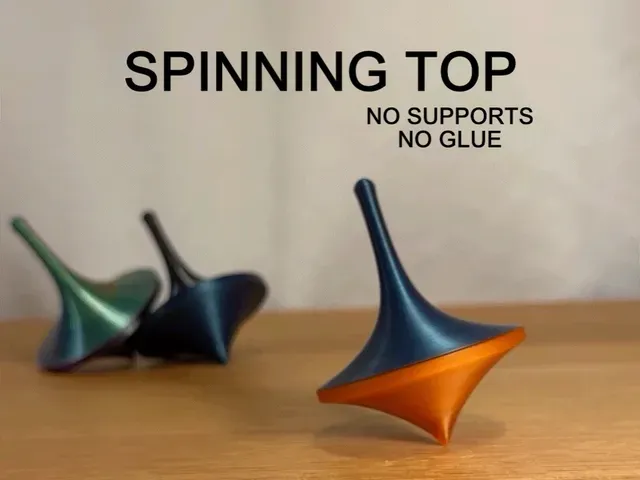
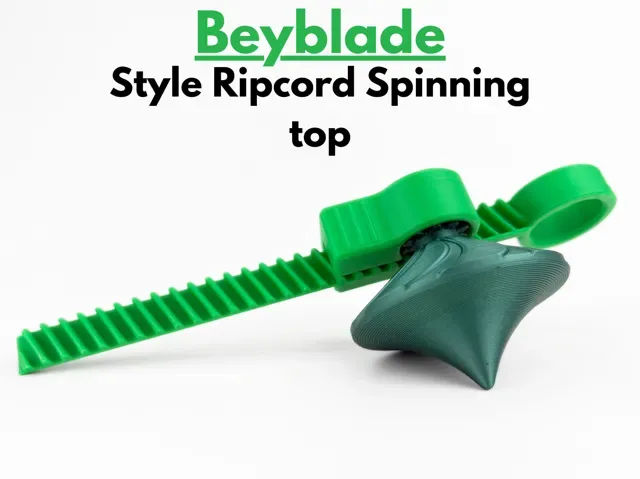
The models differ mainly in how they are spun and how many parts they use. Single-piece tops rely on a printed body and tip, launcher types add a ripcord or pull-cord mechanism, and levitation designs combine a printed frame with magnets. There are also articulated and multi-part versions where arms or internal weights move during rotation.
When choosing a model, look at the diameter and height so the top fits your build plate and your hand, and check how many parts need assembly. Read the author's notes on supports, layer height, infill and material, since a heavy center of mass and a smooth tip affect how long a top keeps spinning. Photos of real prints help you judge balance and finish before you commit filament.
To narrow the results, try related terms such as gyro, fidget spinner, launcher, ripcord, maglev or levitation top. You can also search by function, for example long-spin, self-flipping or auto-start designs, or by construction, such as mold, kit or articulated top. Combining a shape word with a mechanism word usually returns a shorter, more focused list.



Le catalogue complet des thèmes, de la maison à la CNC, avec une recherche sur tous les sites connectés.