Gratuit 
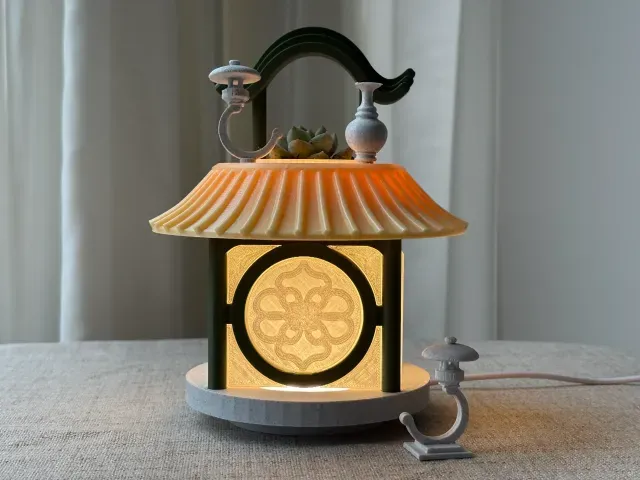
Chinese wall lamp
Thingiverse
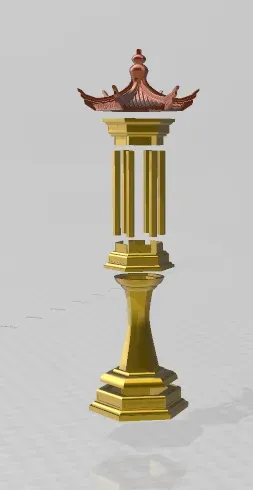
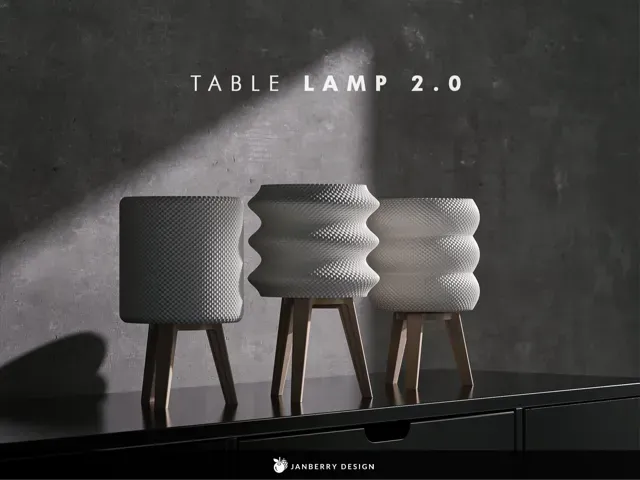
This collection gathers 3D models for lamps in Chinese and wider East Asian styles: lantern shades, shoji panels, small LED mood lights and New Year designs. Most of them are made for a 3D printer and assembled around a bulb, an LED strip or a small light module. It is useful if you want a light fixture whose shape and pattern you can adjust before printing. Polyzon does not confirm whether models are free, their price, license, official status, affiliation, safety or fitness. Check the current terms at the source.
Le texte de cette collection est rédigé en anglais ; la recherche, elle, fonctionne dans toutes les langues.
 Une collection Polyzon · 47 modèles sur 4 plateformes
Polyzon compose cette collection à partir des résultats de recherche des plateformes connectées. Les doublons et les modèles sans aperçu sont retirés, les correspondances faibles sont placées à la fin, et le reste suit l’ordre de la recherche. Les modèles appartiennent à leurs auteurs : consultez les conditions sur la page de chaque modèle.
Règles de sélection : la rédaction de Polyzon · Texte mis à jour le 13/10/2026

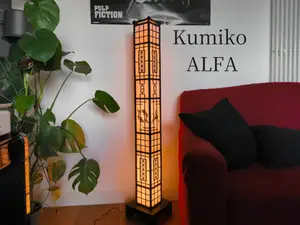
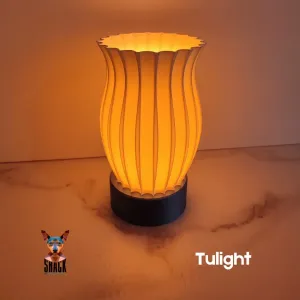

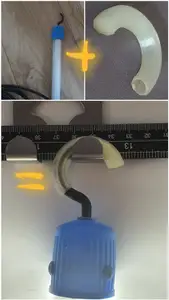
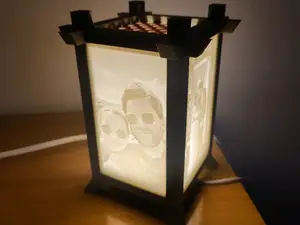
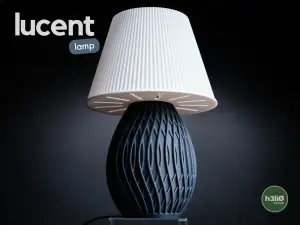


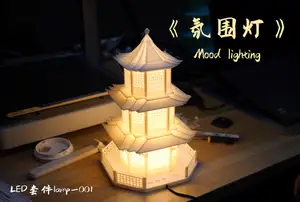
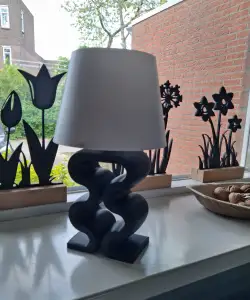


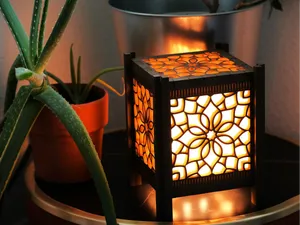


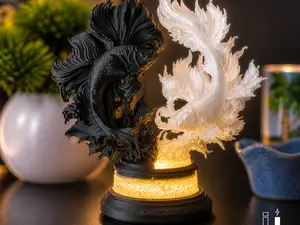
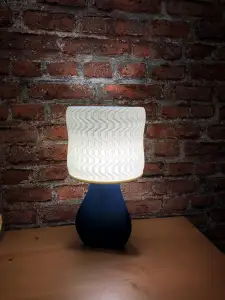


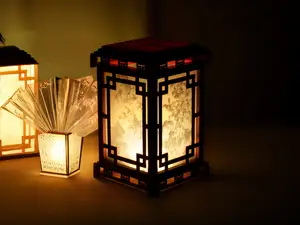
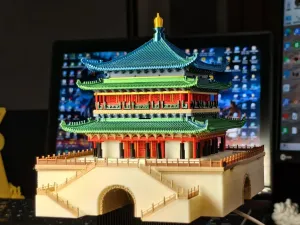


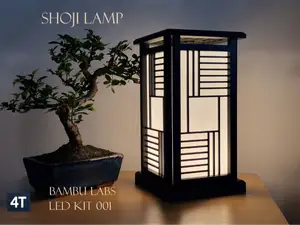

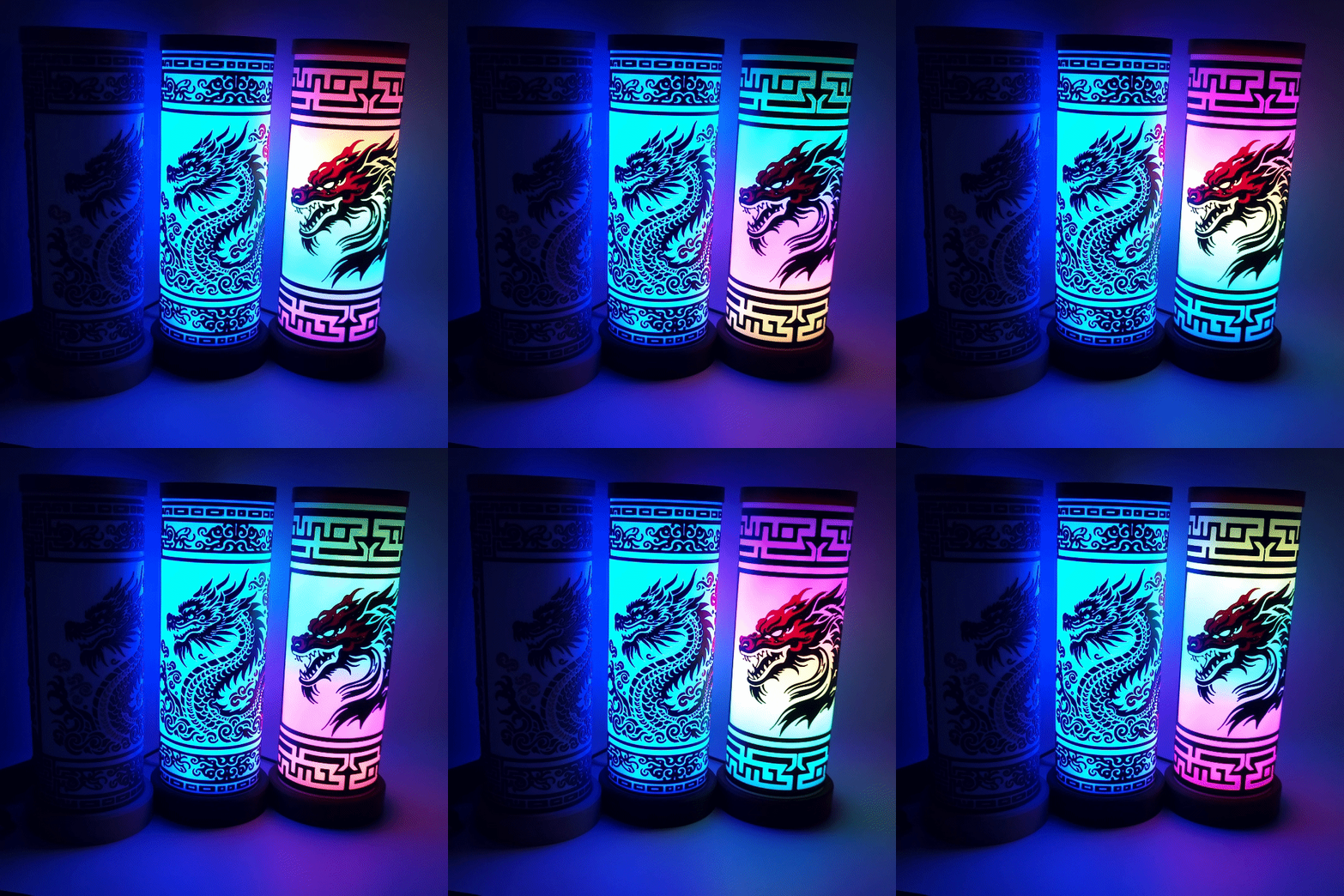
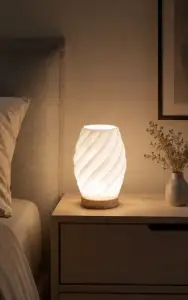

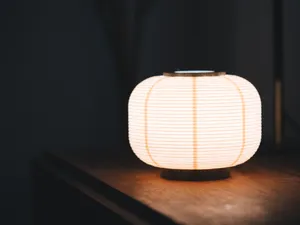
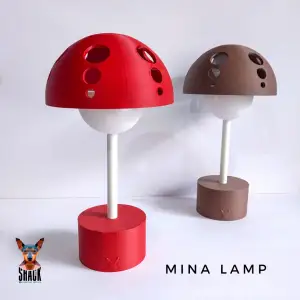

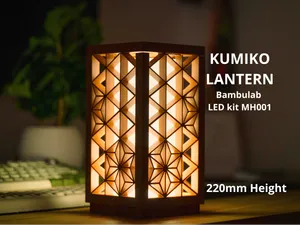
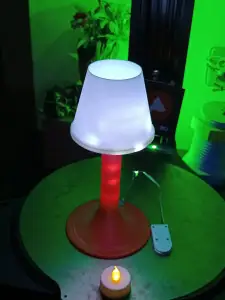

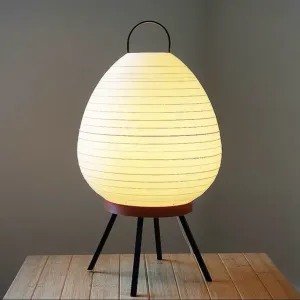

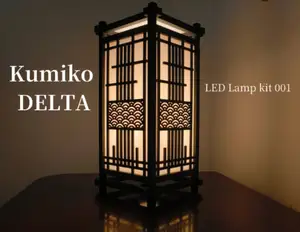

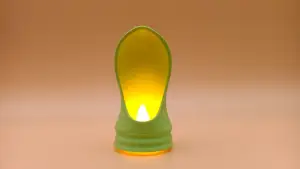
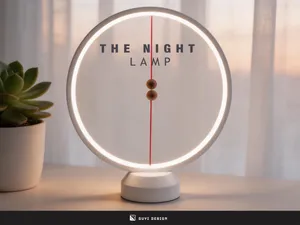
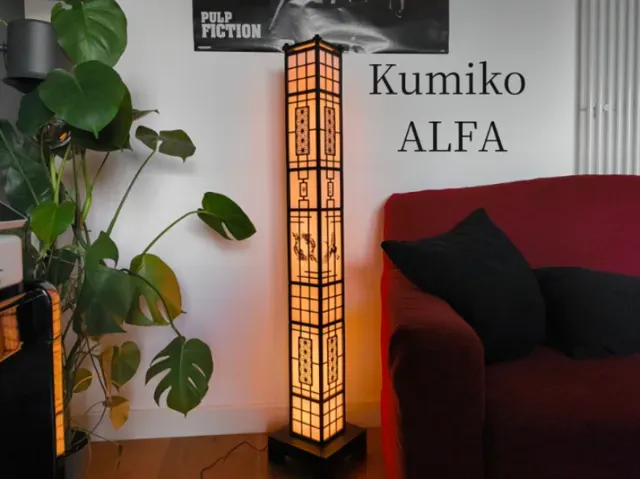
The models differ mainly in how the light leaves the shade. Lantern-style pieces are usually built from ribs or panels and throw a broad, patterned glow, while shoji and kumiko designs rely on a grid of thin wooden-looking strips over a translucent sheet. Lightboxes and mood lamps work the other way round: the light passes through a flat printed picture or a thin wall, so the shape of the housing matters less than the artwork on it. Desk and table versions add a base, a stem or a tripod, which turns the shade into a larger object with more parts.
Before printing, open the author's model page and read what is listed there: overall size and scale, wall thickness of the shade, number of separate parts and how they join, and whether the model needs supports. Check which material and settings the author used, since translucent filament, thin white walls and opaque frames all behave differently and change how the light spreads. Photos of real prints are the most useful reference for judging wall thickness and surface finish, especially on curved lantern panels.
If the results feel narrow, try related wording: lantern, shoji, kumiko, lightbox, lithophane, mood light, night light, or the name of a room such as tea house. Combining a style word with a function word, for example a wall lamp or a desk lamp, usually brings up a different set of files than a single term. You can also search by the light source you already have, such as an LED strip or a small module, to find housings built around that size.
Le catalogue complet des thèmes, de la maison à la CNC, avec une recherche sur tous les sites connectés.