
Gratuit 
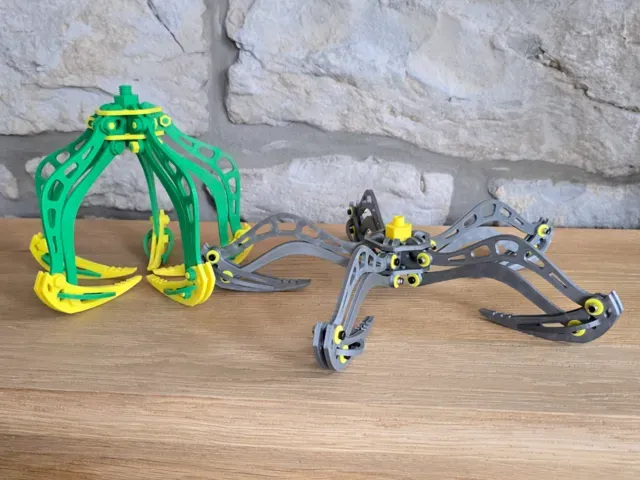
T-1 Aerial aka Hunter Killer Drone
Thingiverse
This collection gathers 3D models built around claws: articulated finger mechanisms, mantis and raptor claws, and hunter-killer style drone bodies that carry them. It is useful if you are planning a 3D printing project where the claw itself is the main part, not a detail on a larger figure. The mix ranges from small display pieces to multi-part assemblies with moving joints. Polyzon does not confirm whether models are free, their price, license, official status, affiliation, safety or fitness. Check the current terms at the source.
Le texte de cette collection est rédigé en anglais ; la recherche, elle, fonctionne dans toutes les langues.
 Une collection Polyzon · 47 modèles sur 3 plateformes
Polyzon compose cette collection à partir des résultats de recherche des plateformes connectées. Les doublons et les modèles sans aperçu sont retirés, les correspondances faibles sont placées à la fin, et le reste suit l’ordre de la recherche. Les modèles appartiennent à leurs auteurs : consultez les conditions sur la page de chaque modèle.
Règles de sélection : la rédaction de Polyzon · Texte mis à jour le 14/10/2026

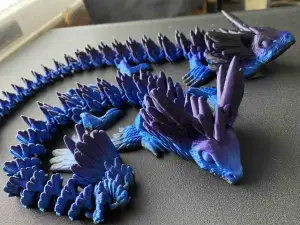

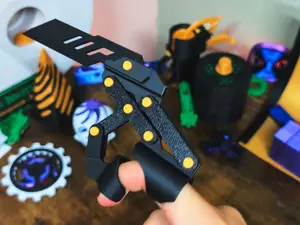
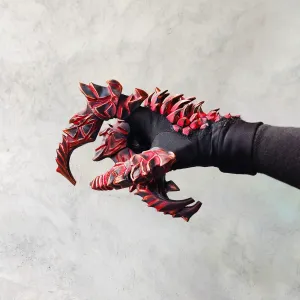

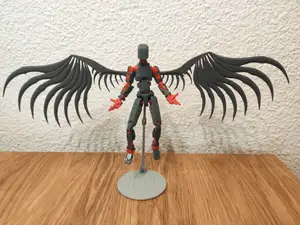
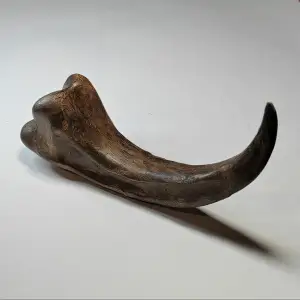

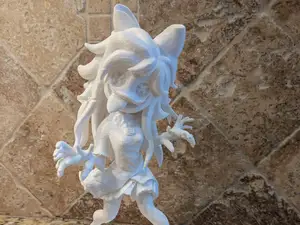
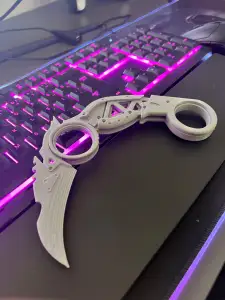

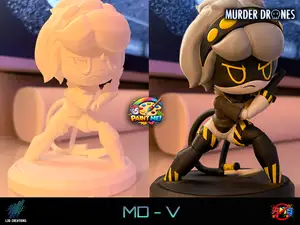
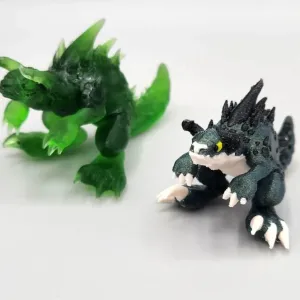

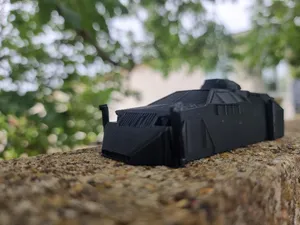
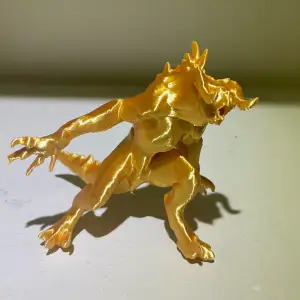

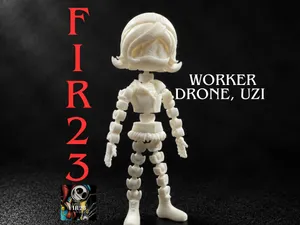
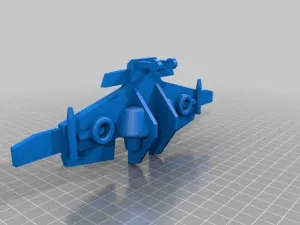

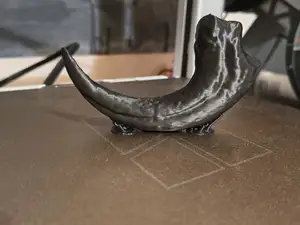
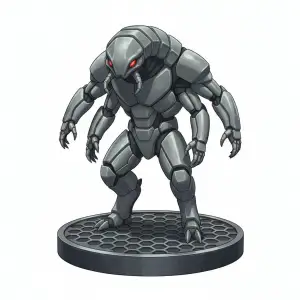

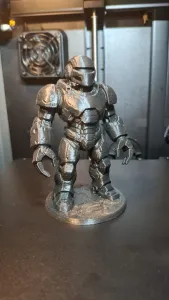
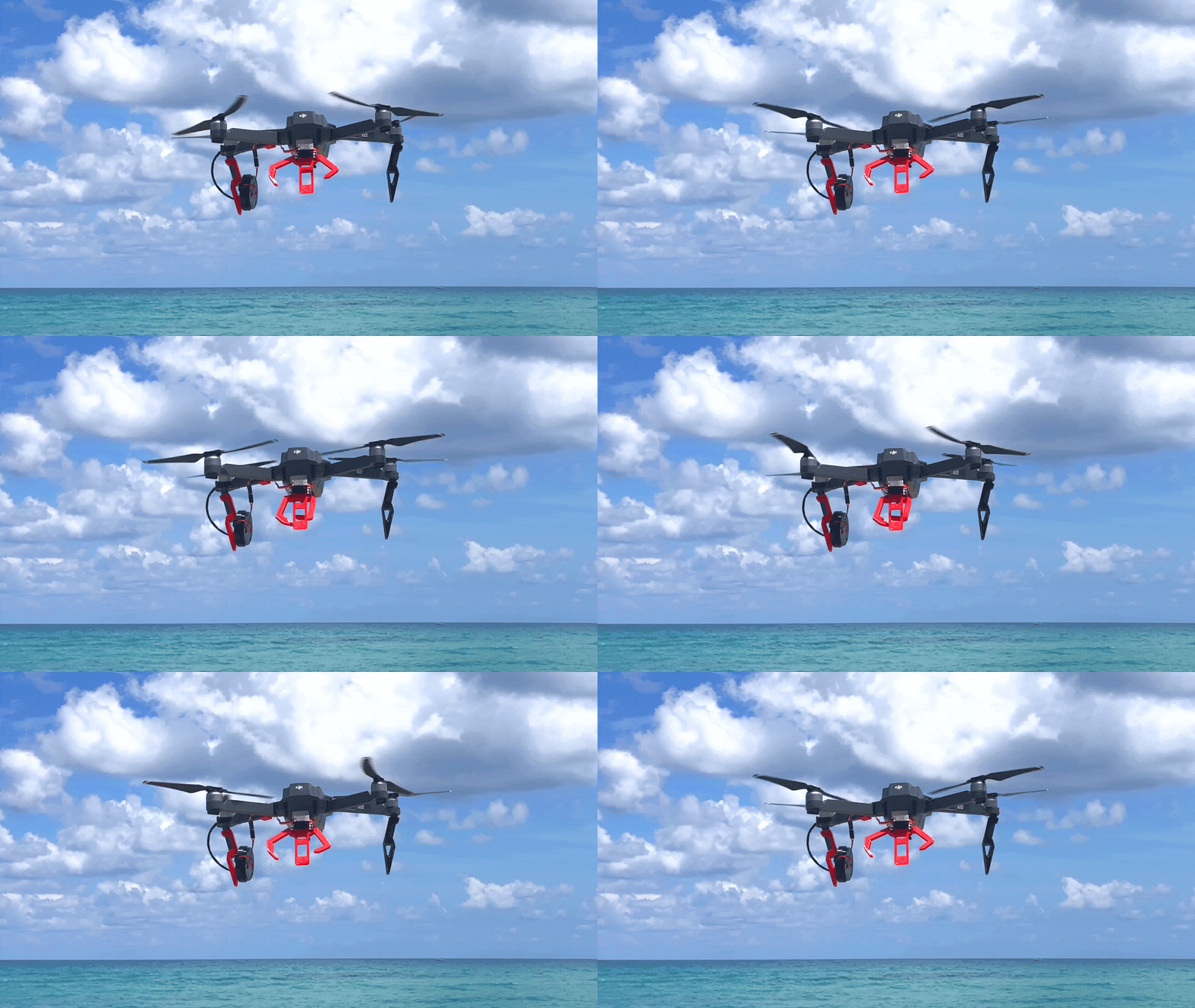
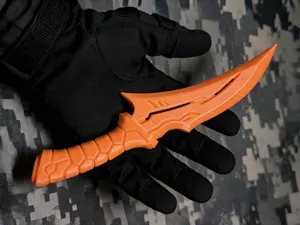
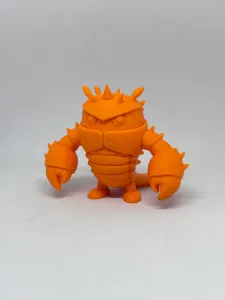

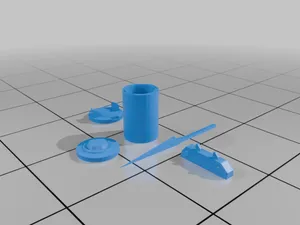
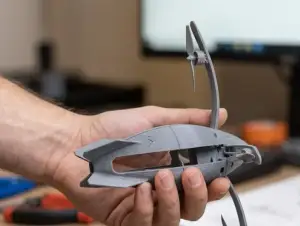

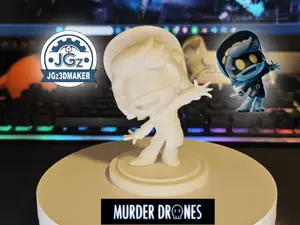
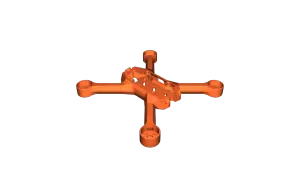
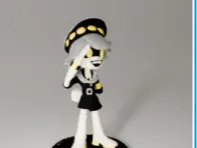
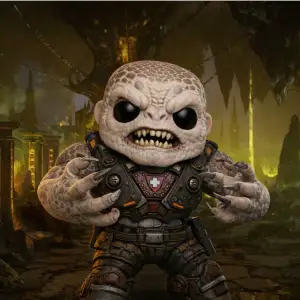

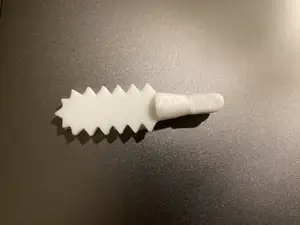
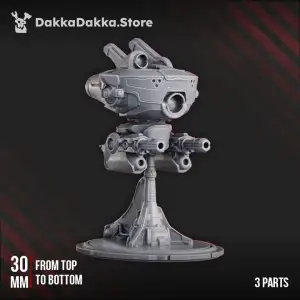

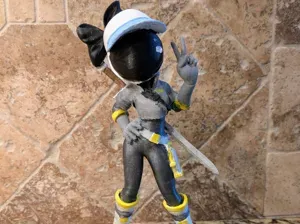
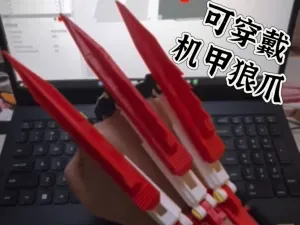
The models fall into a few rough groups. Mechanical claws with separate fingers and pivots sit next to insect-inspired mantis claws, creature claws from raptors and dragons, and drone or aircraft bodies styled after hunter-killer designs. A separate group covers character figures, wings and paint-ready parts from animated series, where claws are one element of a larger build.
When choosing a model, look at how the claw is meant to move. Check the number of parts and how they join, whether pins, screws or printed axles are used, and whether the author shows the claw open and closed. On the model page, read the listed size and scale, the material and settings the author names, and any notes about supports or orientation. Photos of real prints are the quickest way to judge how thin the finger tips and joint walls really are.
For printing, thin curved claws usually need slower speeds and enough wall thickness at the tips, while large drone bodies may need to be split. If a search returns little, try synonyms and related terms: articulated claw, mechanical hand, mantis arm, insect leg, drone frame, hunter killer, raptor talon, dragon claw, or the name of the series or game the shape comes from. Combining a claw term with a material or a part type, such as PLA or resin, often narrows the results faster than the topic alone.


Le catalogue complet des thèmes, de la maison à la CNC, avec une recherche sur tous les sites connectés.