Gratuit 
Magnetic Socket Organizers
Thingiverse
This collection gathers 3D models that relate to socket boxes in several senses: wall frames and covers, enclosures for power and signal connectors, organizer boxes for drive sockets, and modular junction housings. It is useful when you need a part that fits a specific opening, connector or storage layout rather than a generic box. Most files are meant for a 3D printer, so scale and wall thickness matter as much as the shape. Polyzon does not confirm whether models are free, their price, license, official status, affiliation, safety or fitness. Check the current terms at the source.
Le texte de cette collection est rédigé en anglais ; la recherche, elle, fonctionne dans toutes les langues.
 Une collection Polyzon · 46 modèles sur 4 plateformes
Polyzon compose cette collection à partir des résultats de recherche des plateformes connectées. Les doublons et les modèles sans aperçu sont retirés, les correspondances faibles sont placées à la fin, et le reste suit l’ordre de la recherche. Les modèles appartiennent à leurs auteurs : consultez les conditions sur la page de chaque modèle.
Règles de sélection : la rédaction de Polyzon · Texte mis à jour le 12/10/2026
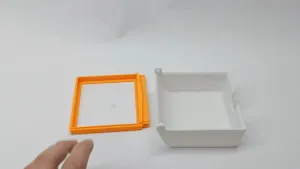


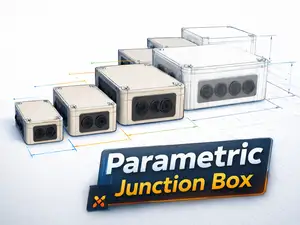



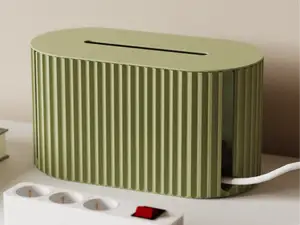
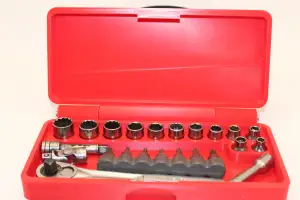


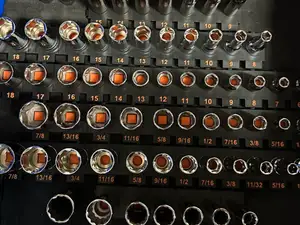

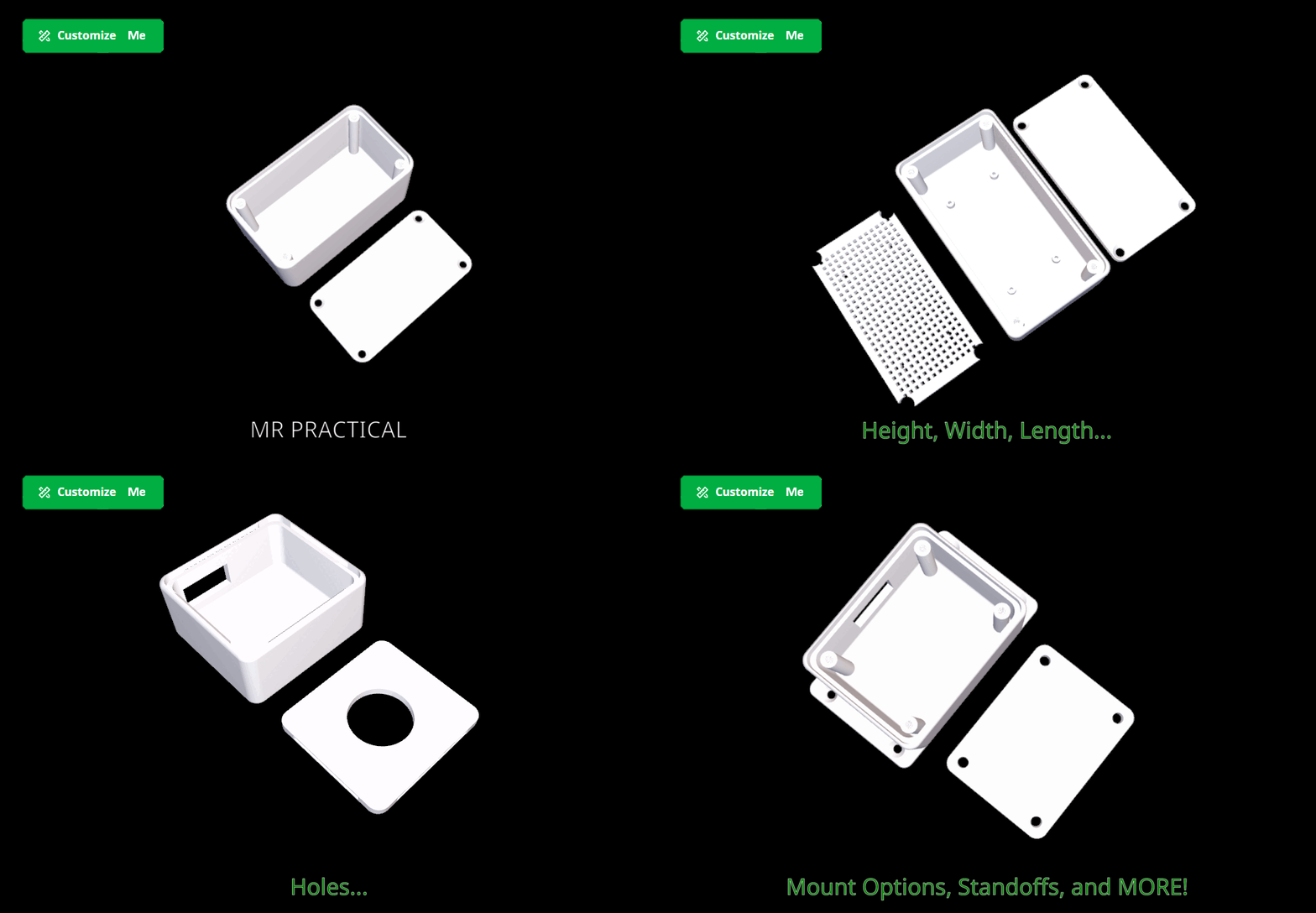


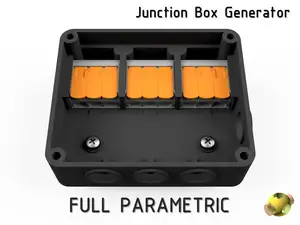
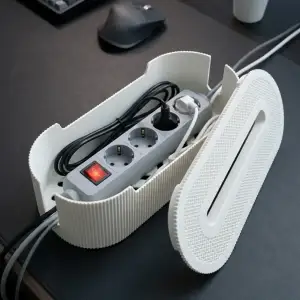


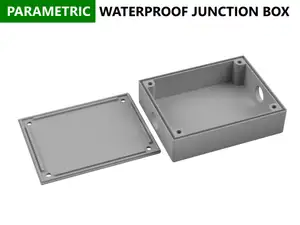
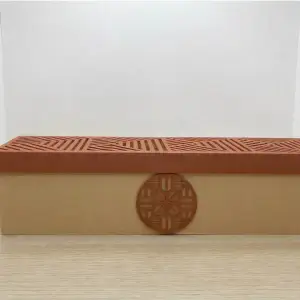

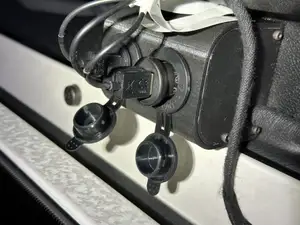
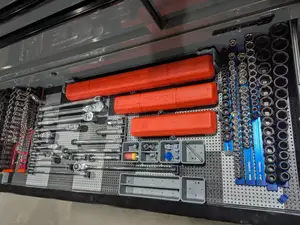
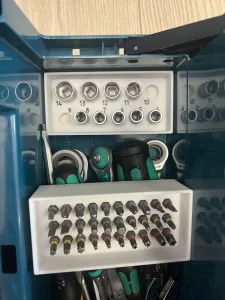

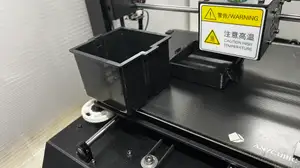
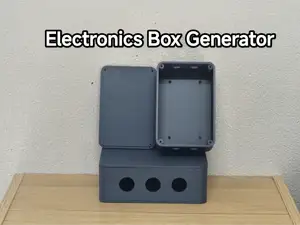
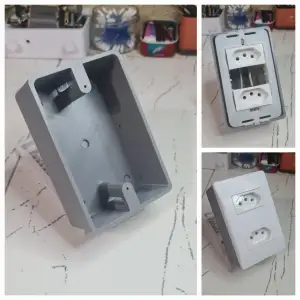


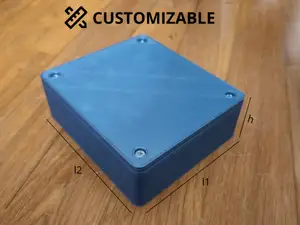
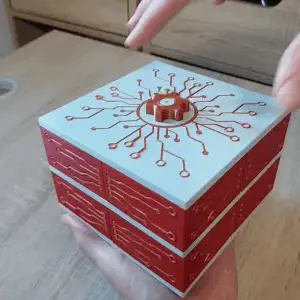

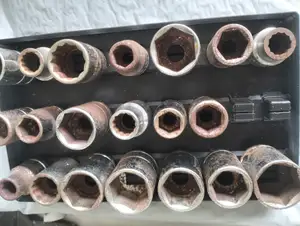
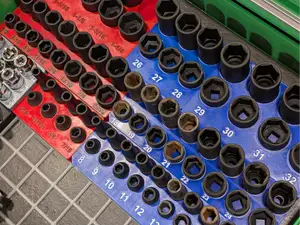
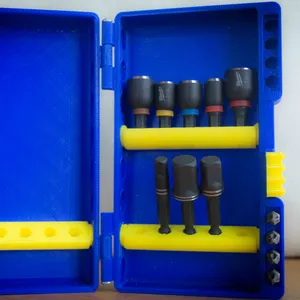


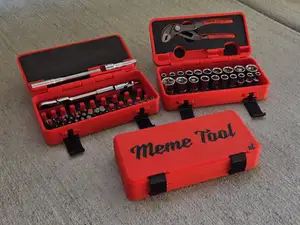
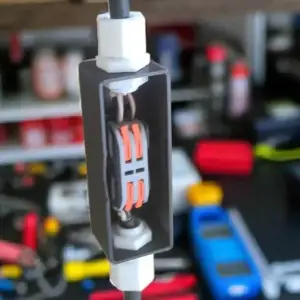
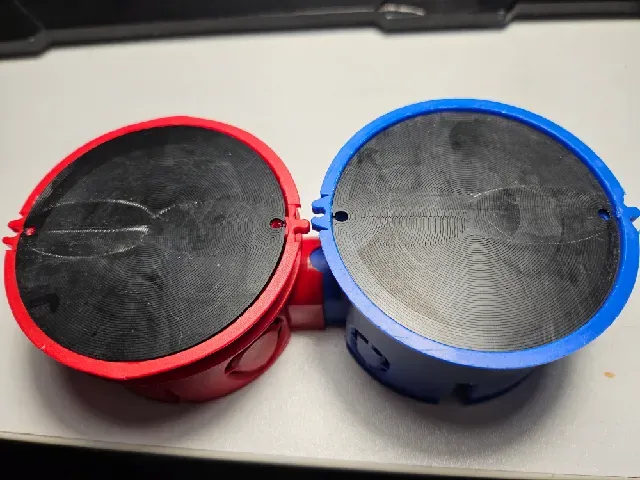
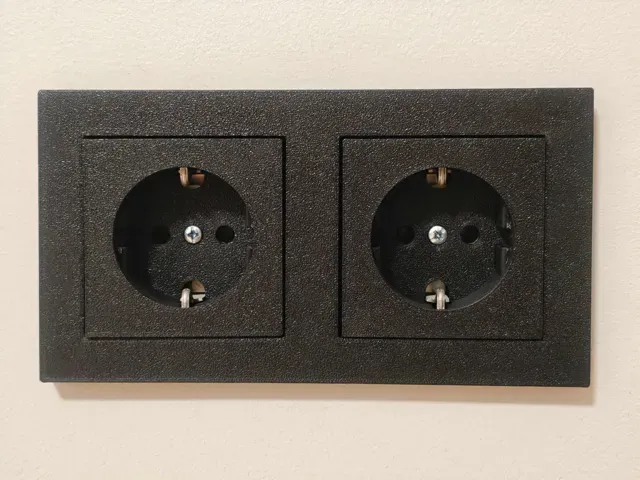
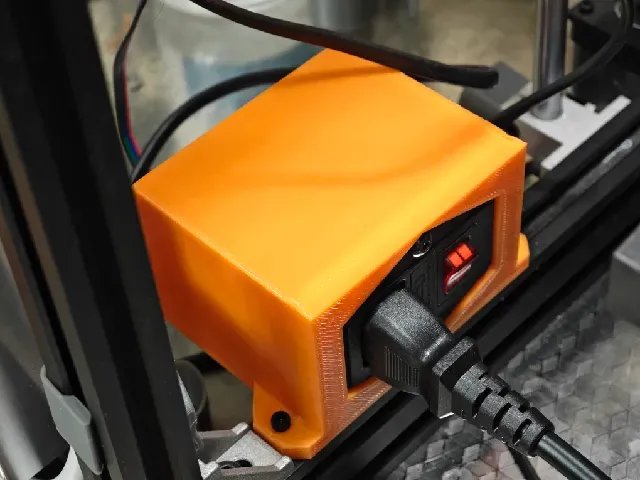
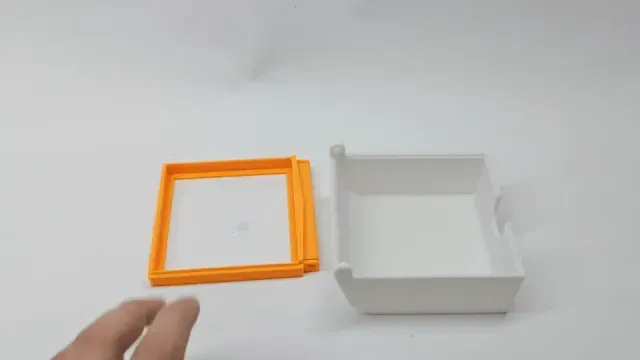
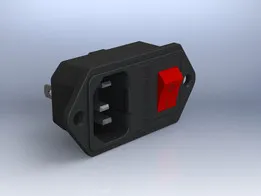
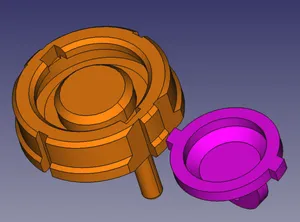
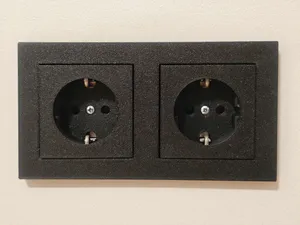
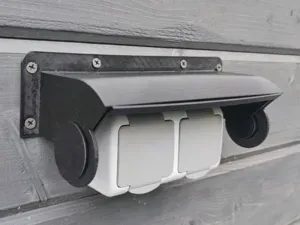
The models differ mainly by what they hold. Wall frames and covers are shaped around a round or square opening and often include a lid or a splash guard, while connector enclosures are built around a specific plug type and cable entry. Storage boxes for drive sockets are organized by size ranges and often use magnets or removable trays. Modular and parametric junction housings are drawn so the same base can be extended or resized, and floor variants are made to sit flush with a tile surface.
Before printing, read the author's page rather than judging from the thumbnail. Check the outer and inner dimensions against the opening you have, the number of separate parts and how they join, and whether the model expects supports or a particular orientation. Look at the material and settings the author lists, and at photos of real prints, since thin walls and snap fits behave differently in different filaments. If a lid or a cable gland is a separate piece, plan the assembly order before starting.
To narrow the search, describe the function instead of the object: try terms for the connector type, the mounting surface, or the storage purpose, and mix them with words like enclosure, housing, frame, cover or organizer. Related topics such as cable management, project enclosures, switch plates and tool storage often lead to the same files. If a result is close but not exact, look at the author's other models and at remixes, where a variant with different dimensions may already exist.


Le catalogue complet des thèmes, de la maison à la CNC, avec une recherche sur tous les sites connectés.