Gratuit 
Flying Sea Turtle
Thingiverse
This collection gathers 3D models built around flight: propeller toys, gliders, flapping-wing figures and disc launchers. It is useful when you want a 3D printing project that moves through the air rather than sitting on a shelf. The mix ranges from small hand-launched toys to larger decorative figures. Polyzon does not confirm whether models are free, their price, license, official status, affiliation, safety or fitness. Check the current terms at the source.
Le texte de cette collection est rédigé en anglais ; la recherche, elle, fonctionne dans toutes les langues.
 Une collection Polyzon · 48 modèles sur 5 plateformes
Polyzon compose cette collection à partir des résultats de recherche des plateformes connectées. Les doublons et les modèles sans aperçu sont retirés, les correspondances faibles sont placées à la fin, et le reste suit l’ordre de la recherche. Les modèles appartiennent à leurs auteurs : consultez les conditions sur la page de chaque modèle.
Règles de sélection : la rédaction de Polyzon · Texte mis à jour le 15/10/2026
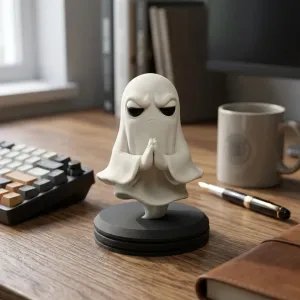

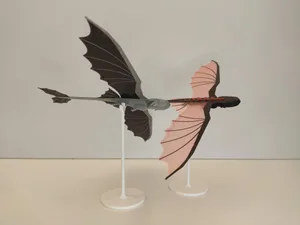
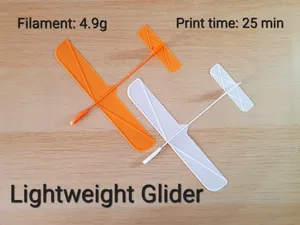
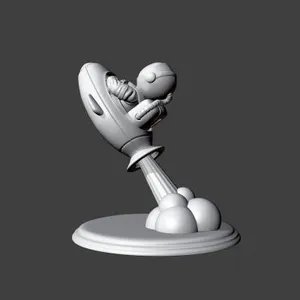
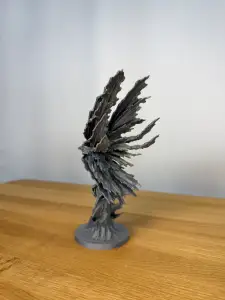


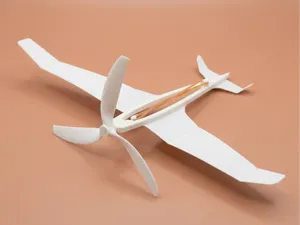
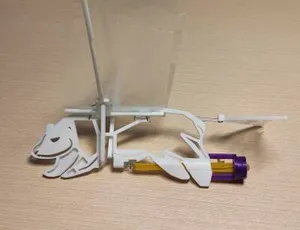
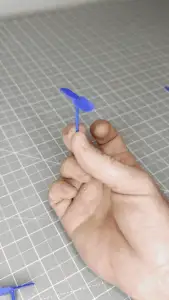

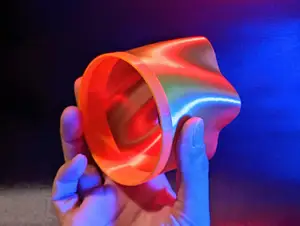
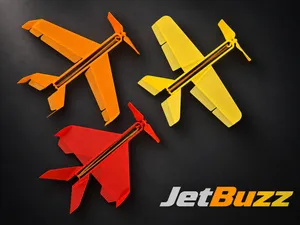
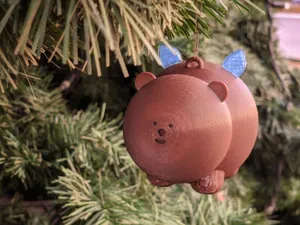
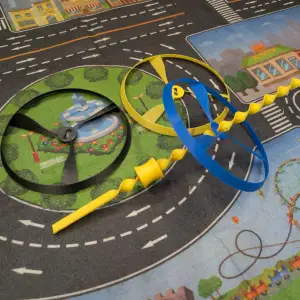


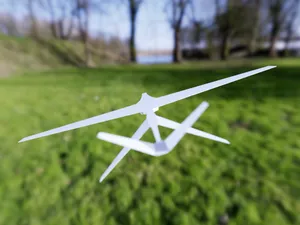


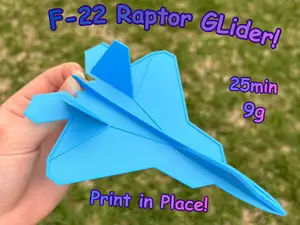

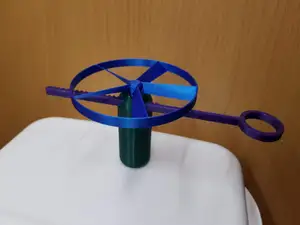

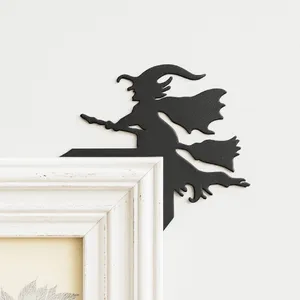

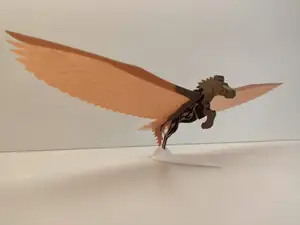



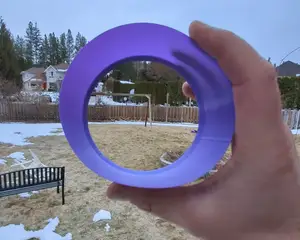
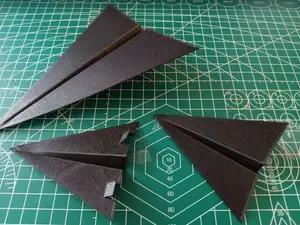
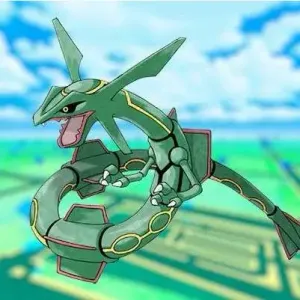

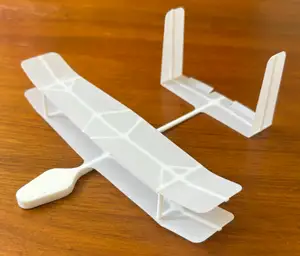

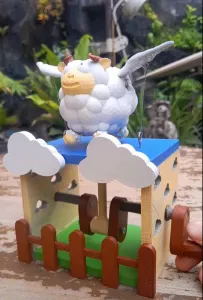


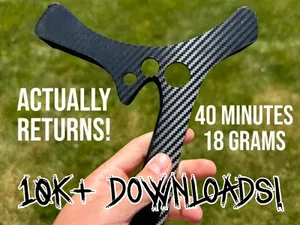
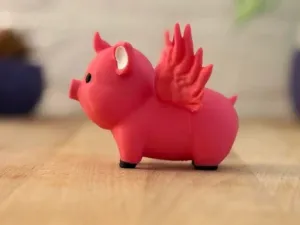
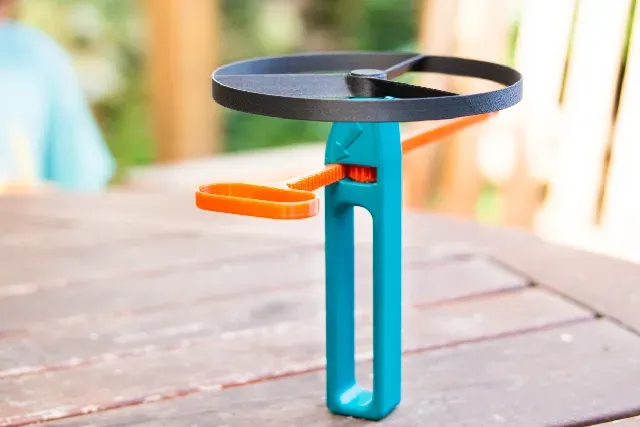
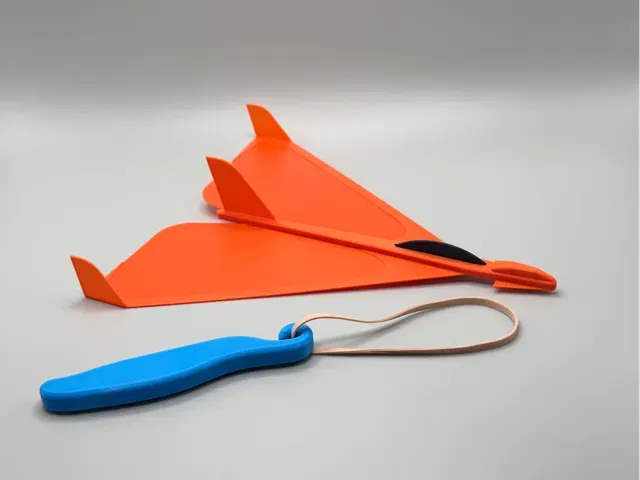
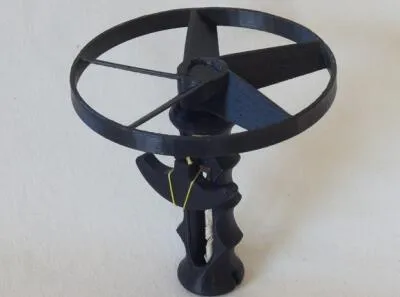
The models fall into a few loose groups. Propeller and rotor toys rely on a spinning part and often a rubber band or snap mechanism, while gliders depend on wing shape and balance. Creature and animal figures take the flight theme in a decorative direction, and flapping-wing or kite-style designs sit somewhere between the two.
When choosing a model, read the author's page before slicing. Check the printed size and scale, how many parts there are and how they join, whether supports are needed, and which material and settings the author lists. Photos of real prints are the most useful signal, since thin walls and small hinges behave differently from solid decorative parts.
To narrow the search, try synonyms and related terms instead of one word. Queries such as glider, ornithopter, rotor, launcher, kite or paper-plane style bring up different results, and combining them with a material or a size hint helps. Browsing the author's other models is another way to find parts that fit the same project.
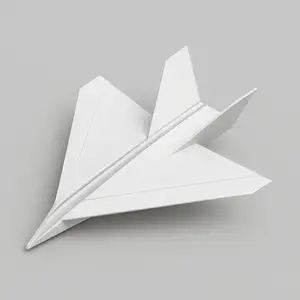


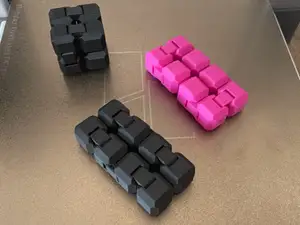
Le catalogue complet des thèmes, de la maison à la CNC, avec une recherche sur tous les sites connectés.