Gratuit 
ČD Class 700 shunting locomotive (piggy)
Thingiverse
This collection covers 3D models linked to Soviet and post-Soviet railways: diesel and electric locomotives, steam engines, and smaller shunting or narrow-gauge designs. Many files are made for model railway scales, from compact tabletop gauges to larger display builds. It helps you find an STL that matches the rolling stock you want to run on a 3D printer. Polyzon does not confirm whether models are free, their price, license, official status, affiliation, safety or fitness. Check the current terms at the source.
Le texte de cette collection est rédigé en anglais ; la recherche, elle, fonctionne dans toutes les langues.
 Une collection Polyzon · 46 modèles sur 4 plateformes
Polyzon compose cette collection à partir des résultats de recherche des plateformes connectées. Les doublons et les modèles sans aperçu sont retirés, les correspondances faibles sont placées à la fin, et le reste suit l’ordre de la recherche. Les modèles appartiennent à leurs auteurs : consultez les conditions sur la page de chaque modèle.
Règles de sélection : la rédaction de Polyzon · Texte mis à jour le 14/10/2026




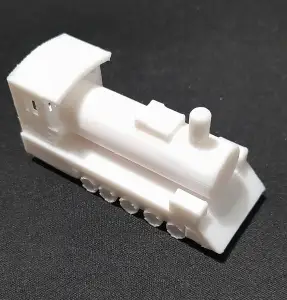


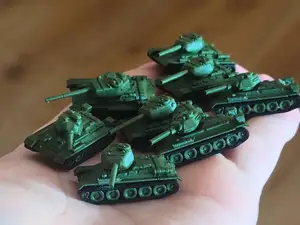
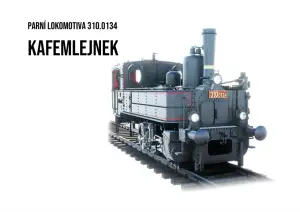


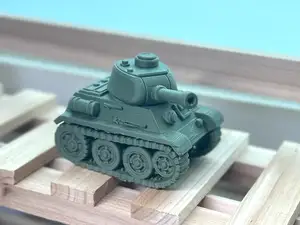
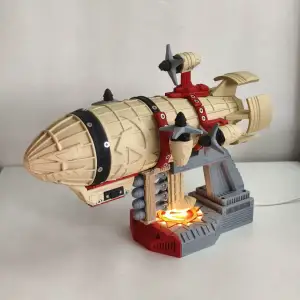


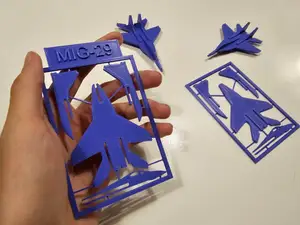
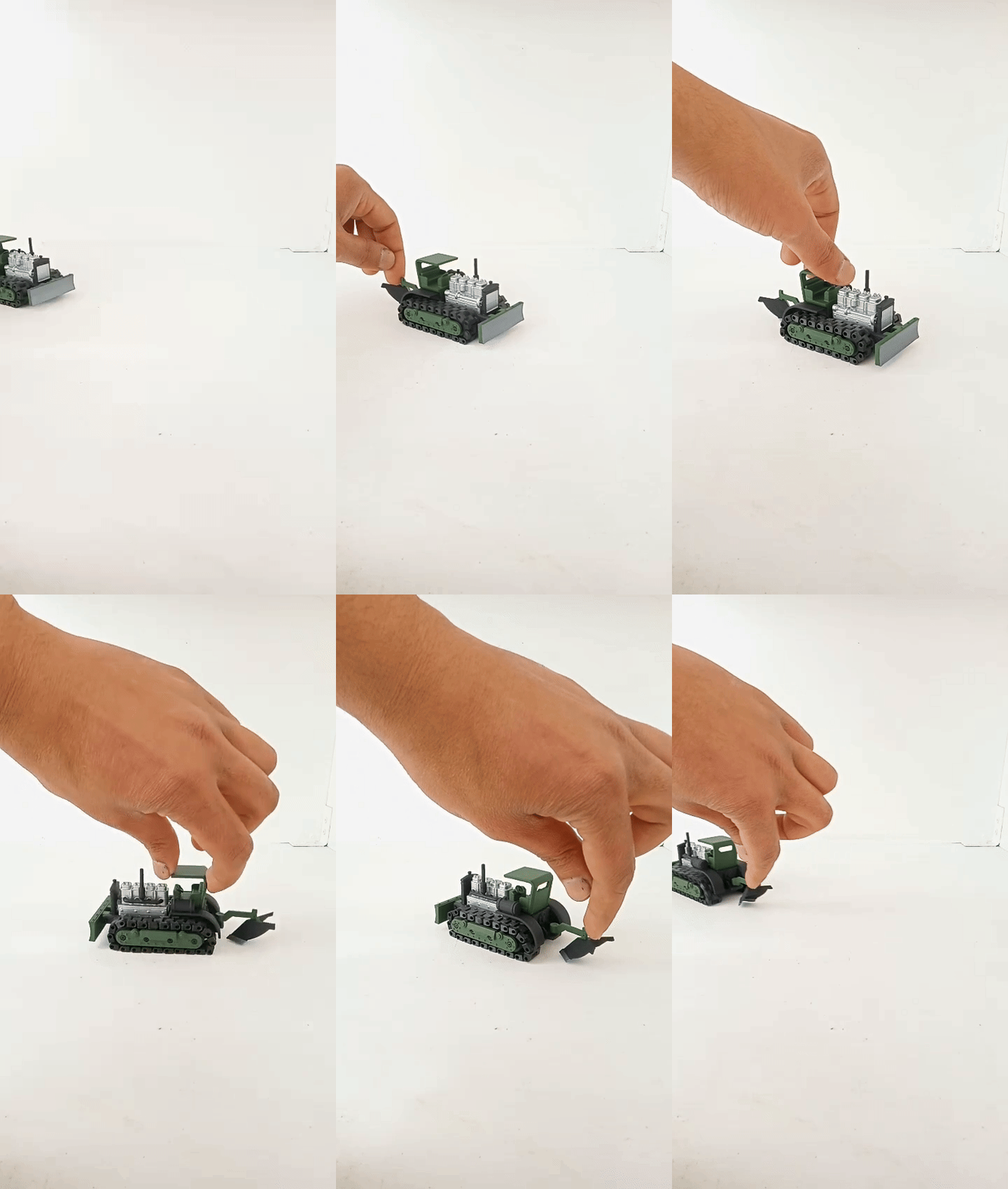

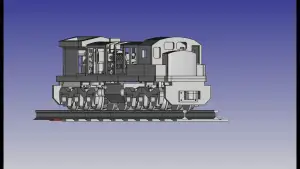


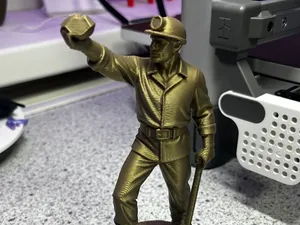
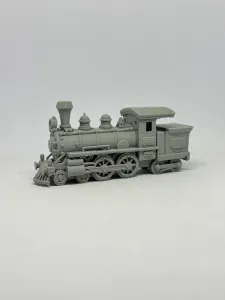

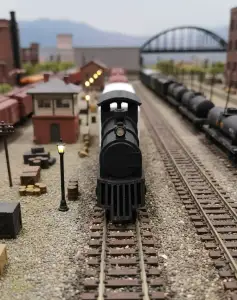

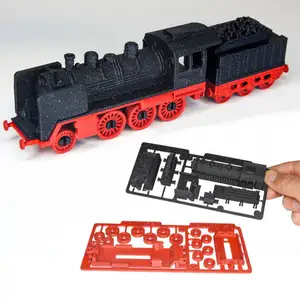


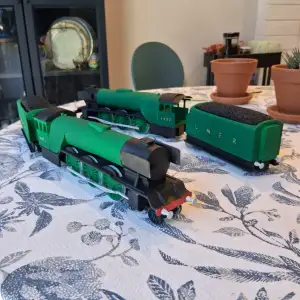

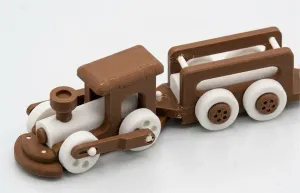


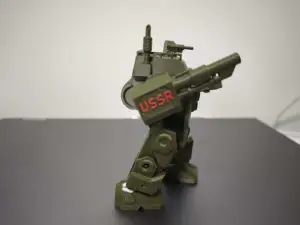


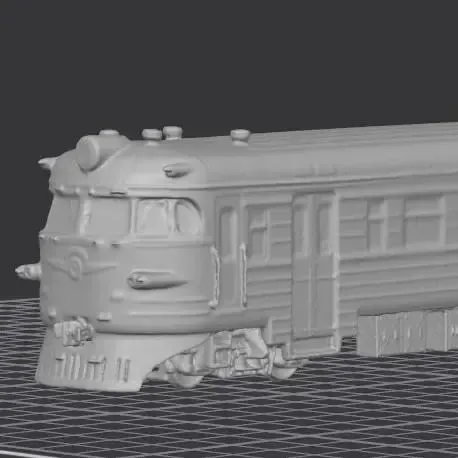
The topic splits mainly by traction type. Diesel and electric locomotives usually come as long bodies with separate bogies and small details such as handrails, horns and roof equipment, while steam locomotives add rods, wheels and a tender that affect how the parts fit together. Shunting and narrow-gauge designs are shorter and often simpler in shape, which changes both the part count and the amount of assembly.
Before printing, read the author's page: overall length and scale, the number of separate parts, whether supports are needed, and the material and settings the author lists. Check how axles, wheels and couplers are meant to attach, since these decide whether the model will roll on a track or stay a static piece. Photos of real prints show how the surface detail and thin elements come out.
If the results feel narrow, try related wording: USSR train, Soviet diesel loco, electric locomotive, steam engine, or the gauge and scale you work in, such as HO, N or narrow gauge. Adding a use case like diorama, model railway or display model brings up different files. Combining a traction type with a scale usually narrows the list fastest.




Le catalogue complet des thèmes, de la maison à la CNC, avec une recherche sur tous les sites connectés.