免费 
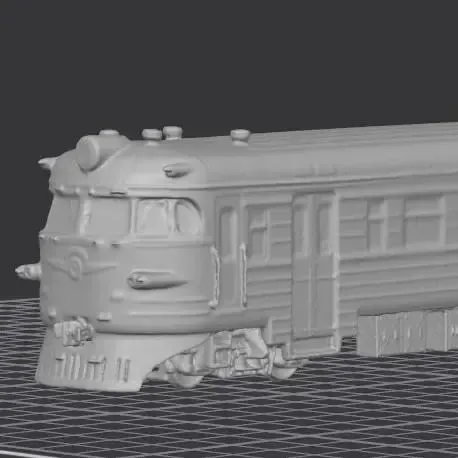
ČD Class 700 shunting locomotive (piggy)
Thingiverse
This collection covers 3D models linked to Soviet and post-Soviet railways: diesel and electric locomotives, steam engines, and smaller shunting or narrow-gauge designs. Many files are made for model railway scales, from compact tabletop gauges to larger display builds. It helps you find an STL that matches the rolling stock you want to run on a 3D printer. Polyzon does not confirm whether models are free, their price, license, official status, affiliation, safety or fitness. Check the current terms at the source.
本合集的文字为英文,搜索本身支持任何语言。
 Polyzon合集 · 46个模型 来自4个平台
此合集由Polyzon根据已接入平台的搜索结果整理而成:去除重复项和没有预览图的模型,匹配度低的排在最后,其余按搜索结果顺序排列。模型归作者所有——请在各模型页面查看使用条款。
筛选规则:Polyzon编辑部 · 文字更新于2026年10月14日


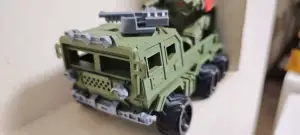


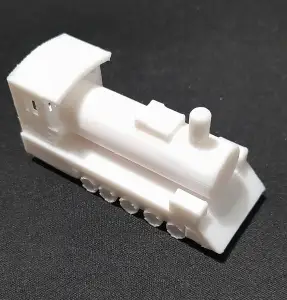


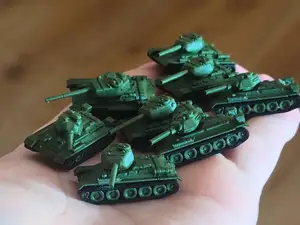
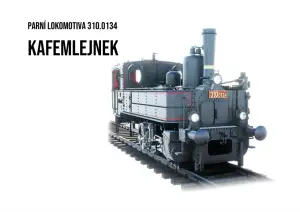


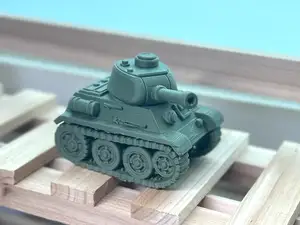
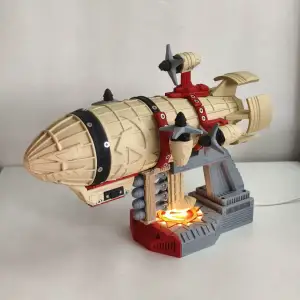


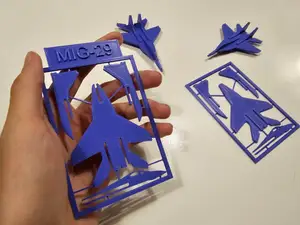
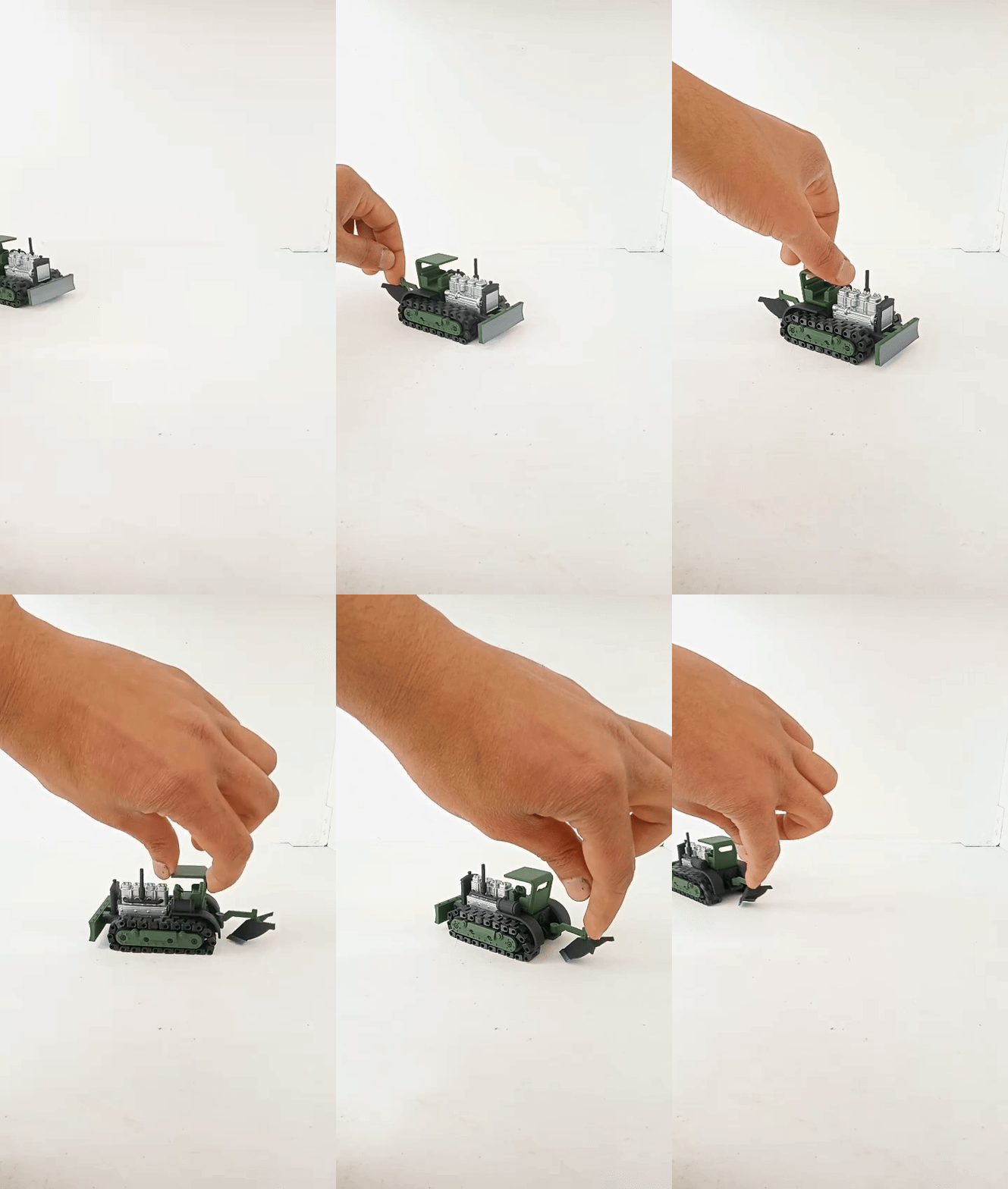


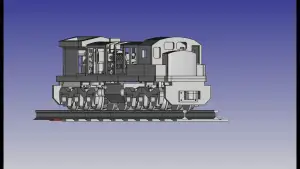


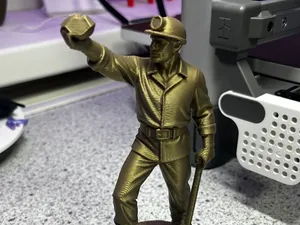
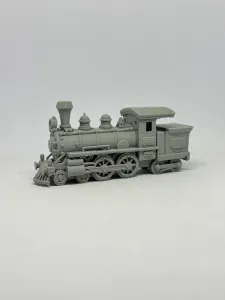

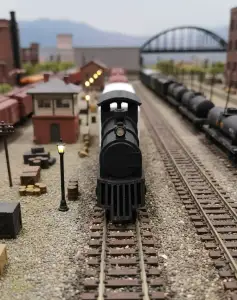

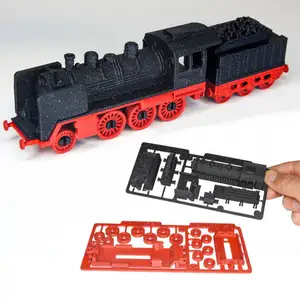


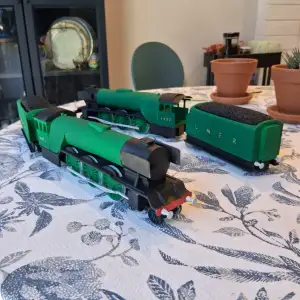

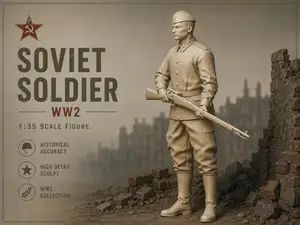
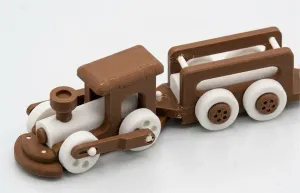


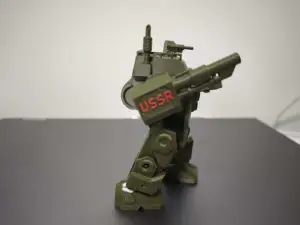


The topic splits mainly by traction type. Diesel and electric locomotives usually come as long bodies with separate bogies and small details such as handrails, horns and roof equipment, while steam locomotives add rods, wheels and a tender that affect how the parts fit together. Shunting and narrow-gauge designs are shorter and often simpler in shape, which changes both the part count and the amount of assembly.
Before printing, read the author's page: overall length and scale, the number of separate parts, whether supports are needed, and the material and settings the author lists. Check how axles, wheels and couplers are meant to attach, since these decide whether the model will roll on a track or stay a static piece. Photos of real prints show how the surface detail and thin elements come out.
If the results feel narrow, try related wording: USSR train, Soviet diesel loco, electric locomotive, steam engine, or the gauge and scale you work in, such as HO, N or narrow gauge. Adding a use case like diorama, model railway or display model brings up different files. Combining a traction type with a scale usually narrows the list fastest.




完整的主题目录:从家居日用到CNC,均可在已接入的来源平台中搜索。