Gratuit 
Math Spinner Toy
Thingiverse
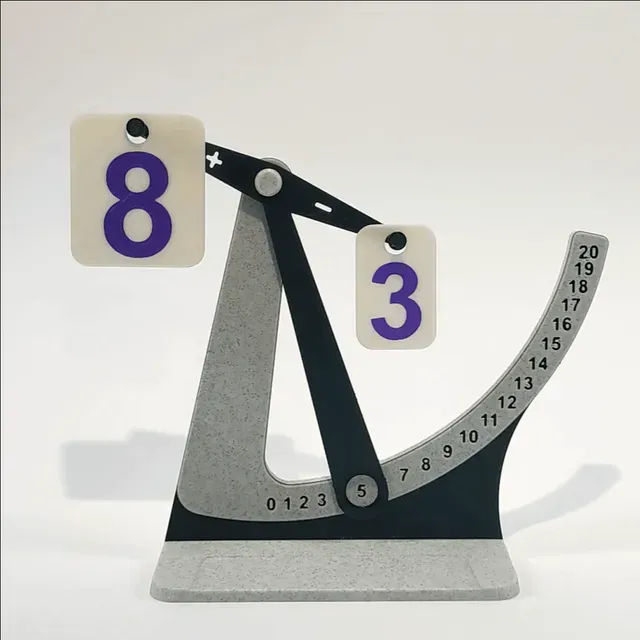
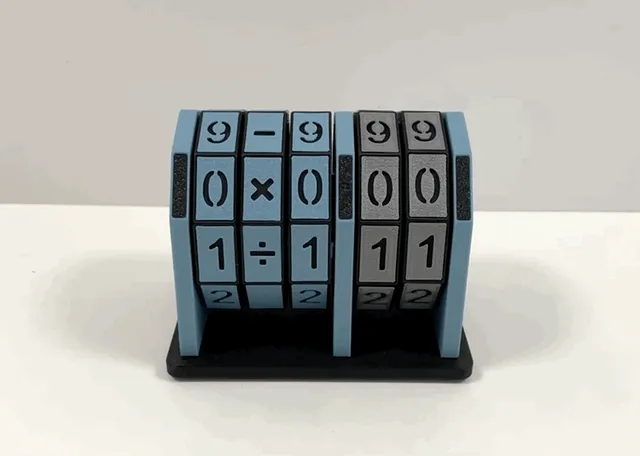
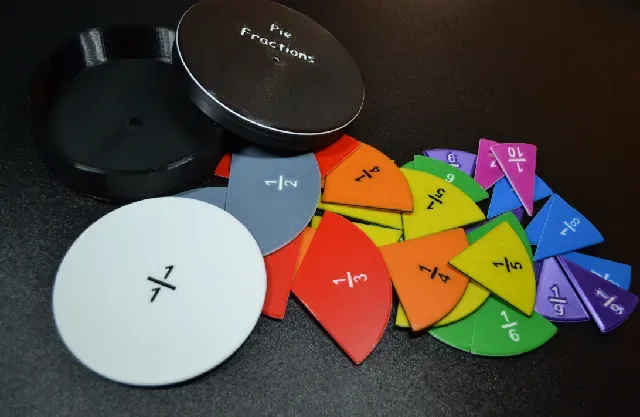
This collection gathers math-related 3D models that can be printed at home: spinners, fraction blocks, dice games, geometry demonstrations and small practice tools. Most of them are designed as physical aids for counting, multiplication or spatial reasoning. If you use a 3D printer for teaching or self-study, these files give you something to hold instead of a screen. Polyzon does not confirm whether models are free, their price, license, official status, affiliation, safety or fitness. Check the current terms at the source.
Le texte de cette collection est rédigé en anglais ; la recherche, elle, fonctionne dans toutes les langues.
 Une collection Polyzon · 48 modèles sur 5 plateformes
Polyzon compose cette collection à partir des résultats de recherche des plateformes connectées. Les doublons et les modèles sans aperçu sont retirés, les correspondances faibles sont placées à la fin, et le reste suit l’ordre de la recherche. Les modèles appartiennent à leurs auteurs : consultez les conditions sur la page de chaque modèle.
Règles de sélection : la rédaction de Polyzon · Texte mis à jour le 13/10/2026
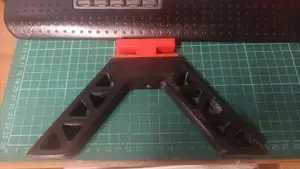
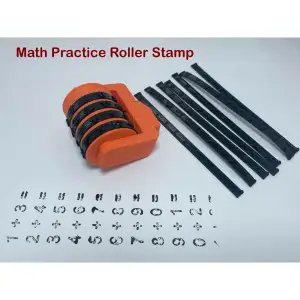

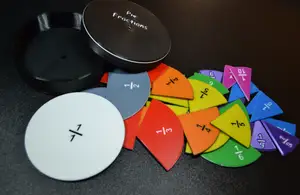
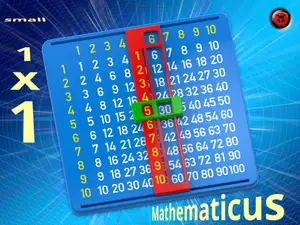
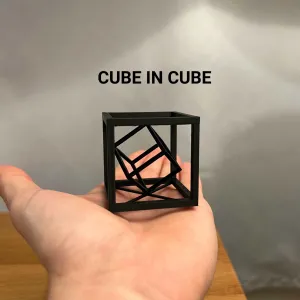

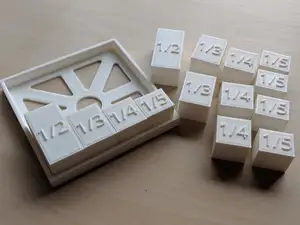
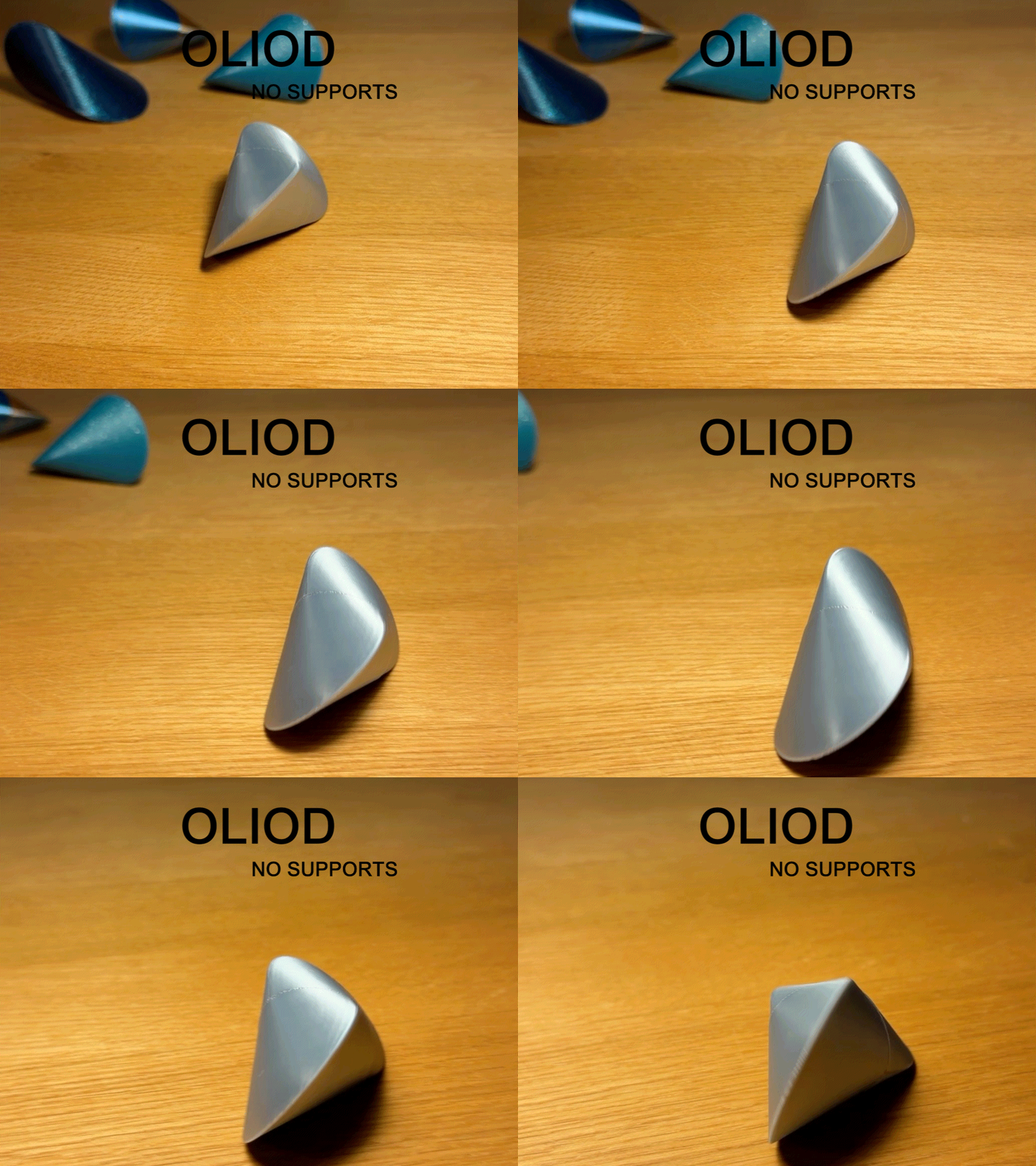
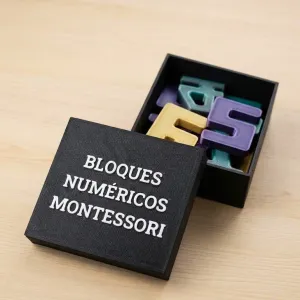

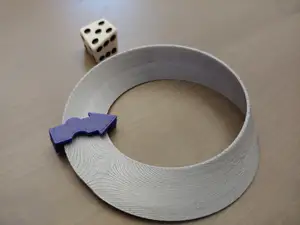
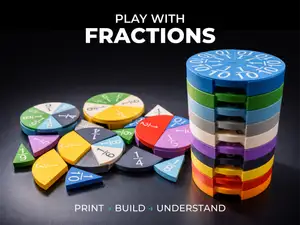


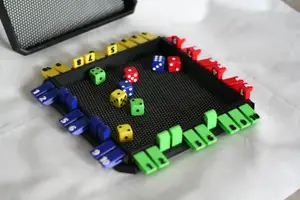
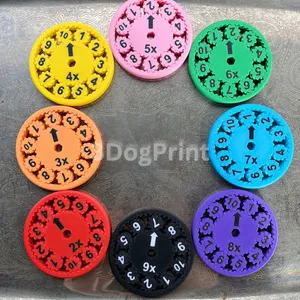
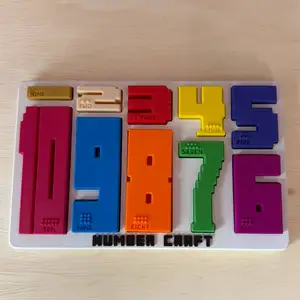

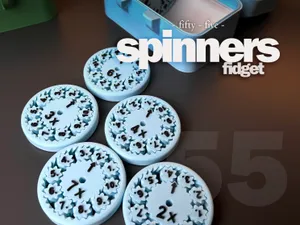
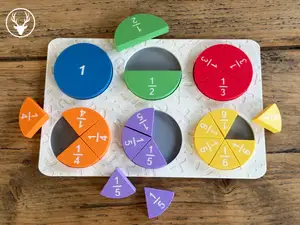
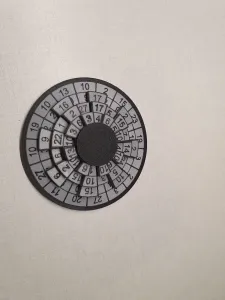


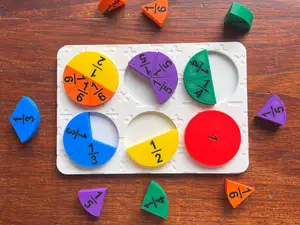
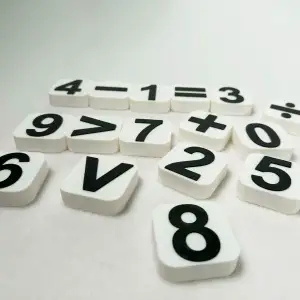

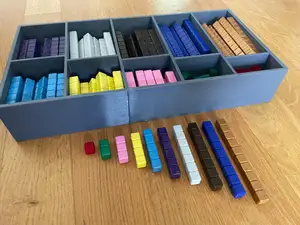

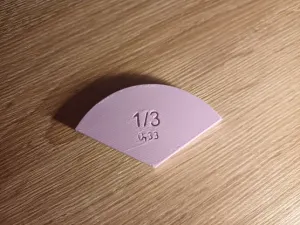

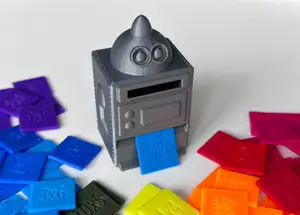
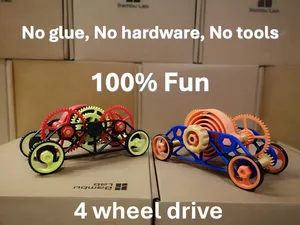
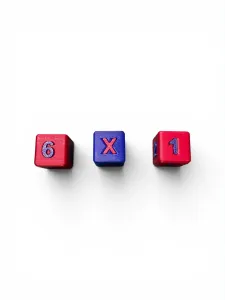


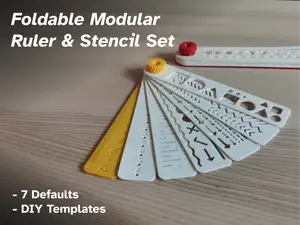
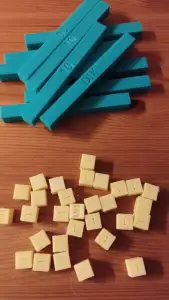


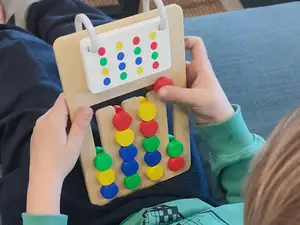
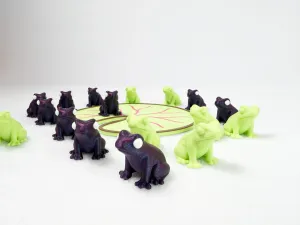

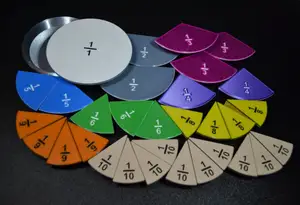
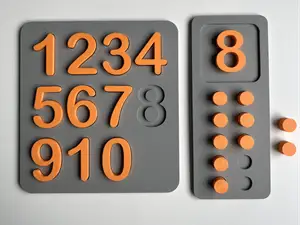
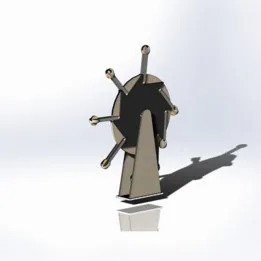
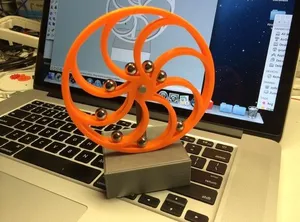
The models fall into a few groups. Spinners and fidget-style pieces turn drills into a hands-on action, while fraction and number blocks break a whole into parts you can compare side by side. Dice and tabletop games add a rule set and often need several printed pieces, and geometry demonstrations show shapes and surfaces that are hard to picture from a drawing.
Before printing, open the author's page and read the listed dimensions and scale, since a spinner or a block set can be scaled up or down and still work, while a game board usually cannot. Check how many parts the model has and whether they are meant to be glued or snapped together, and look at the material and settings the author lists. Photos of real prints are the quickest way to judge wall thickness, tolerances and how the moving parts actually fit.
To narrow the results, try related terms rather than one broad word: multiplication, fractions, counting, geometry, topology, dice game or classroom manipulative. Combining a subject with a format helps too, for example spinner, block, stamp or puzzle. If a search returns too much, add a printing-related word such as STL or 3D print, or switch to a synonym for the object you have in mind.



Le catalogue complet des thèmes, de la maison à la CNC, avec une recherche sur tous les sites connectés.