Gratis 
Math Spinner Toy
Thingiverse
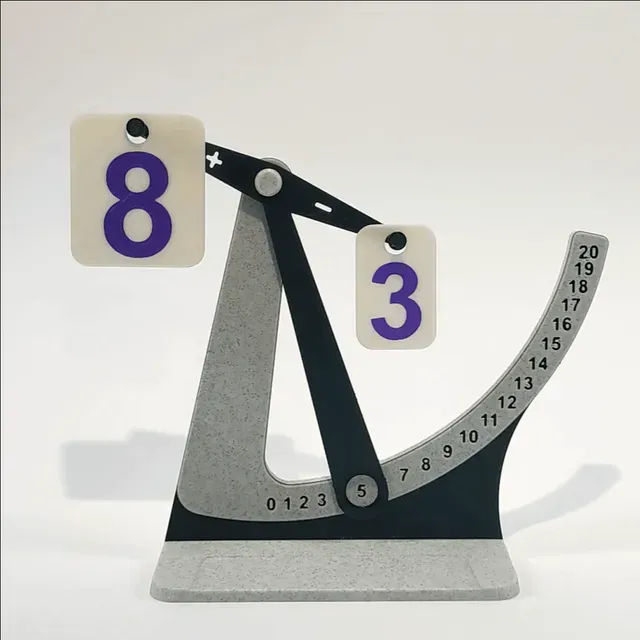
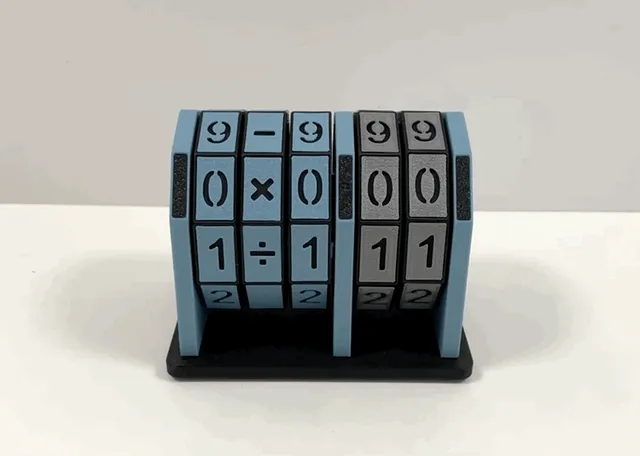
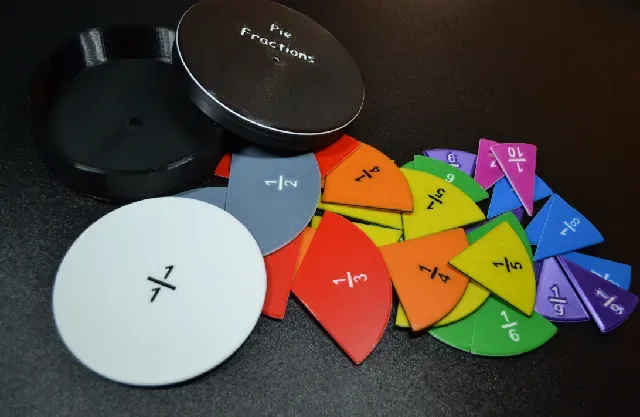
This collection gathers math-related 3D models that can be printed at home: spinners, fraction blocks, dice games, geometry demonstrations and small practice tools. Most of them are designed as physical aids for counting, multiplication or spatial reasoning. If you use a 3D printer for teaching or self-study, these files give you something to hold instead of a screen. Polyzon does not confirm whether models are free, their price, license, official status, affiliation, safety or fitness. Check the current terms at the source.
Il testo di questa raccolta è in inglese; la ricerca funziona in qualsiasi lingua.
 Una raccolta di Polyzon · 48 modelli da 5 siti
Polyzon compone questa raccolta a partire dai risultati di ricerca dei siti collegati. I doppioni e i modelli senza anteprima vengono rimossi, le corrispondenze deboli finiscono in fondo e il resto mantiene l’ordine dei risultati. I modelli appartengono ai rispettivi autori: verifica le condizioni sulla pagina di ciascun modello.
Criteri di selezione a cura della redazione di Polyzon · Testo aggiornato: 13/10/2026
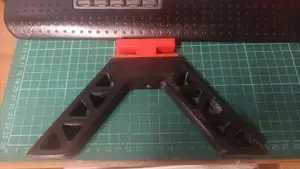
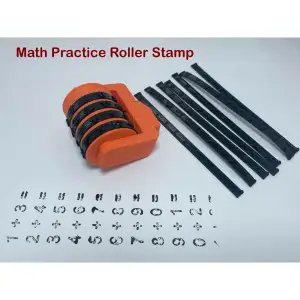

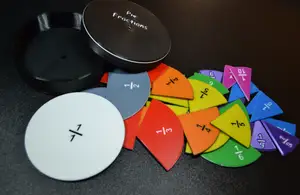
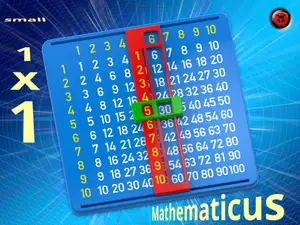
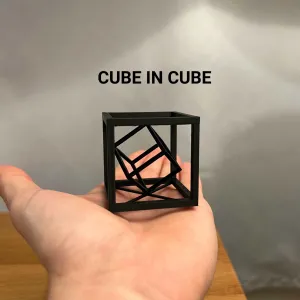

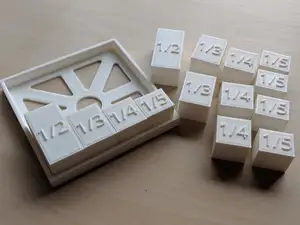
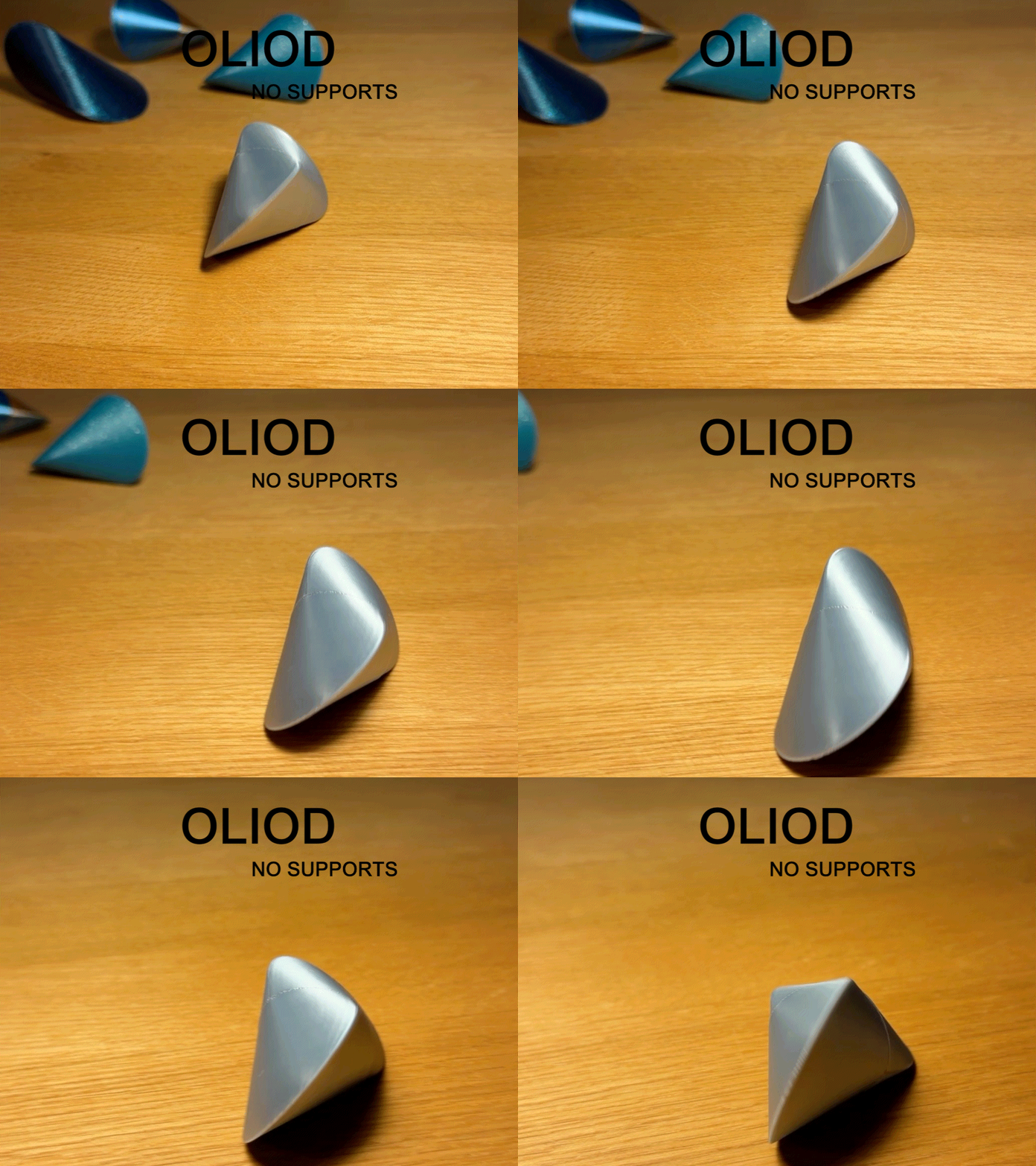
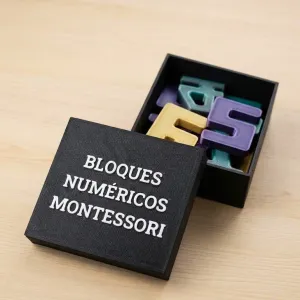

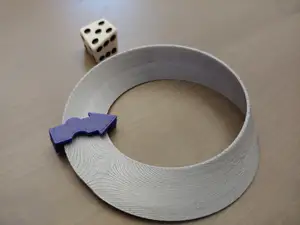
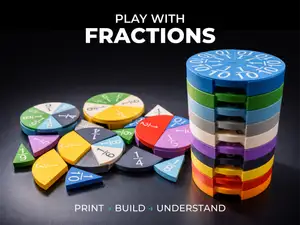


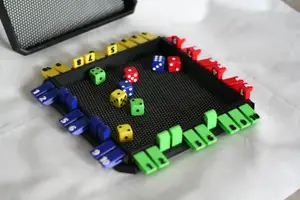
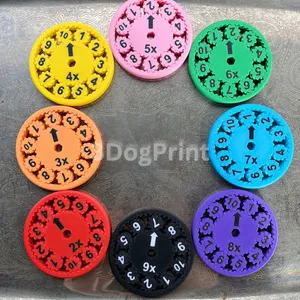
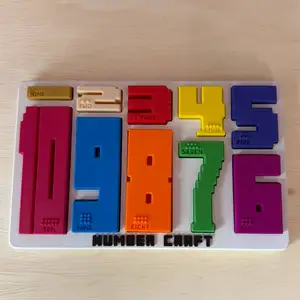

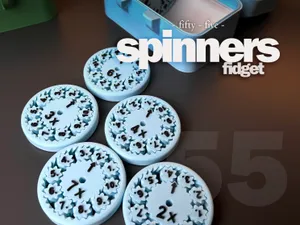
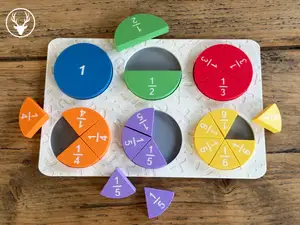
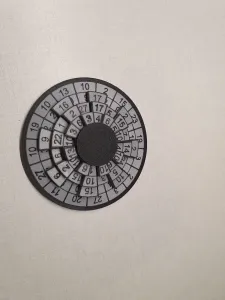


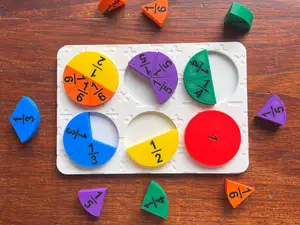
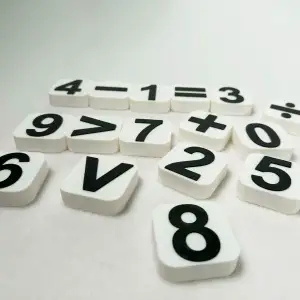

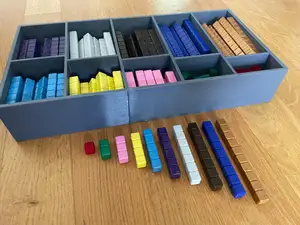

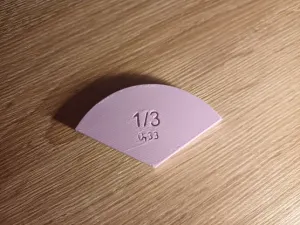

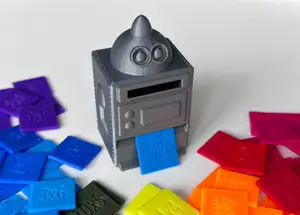
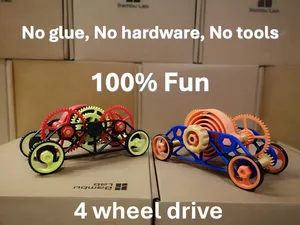
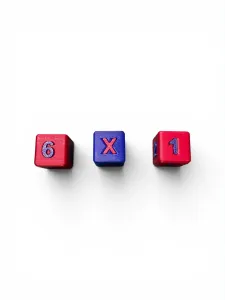


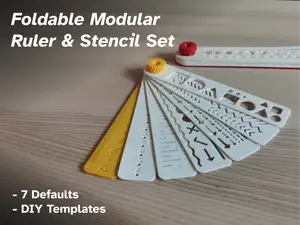
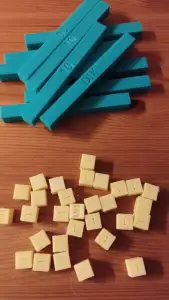


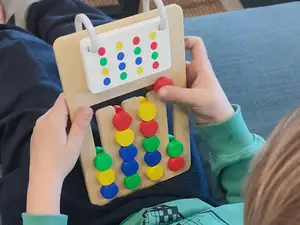
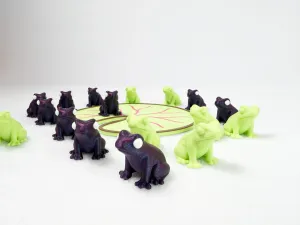

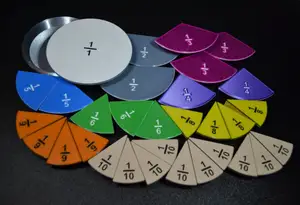
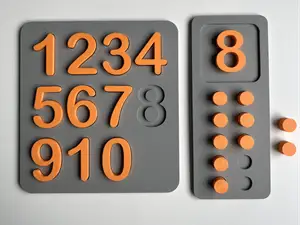
The models fall into a few groups. Spinners and fidget-style pieces turn drills into a hands-on action, while fraction and number blocks break a whole into parts you can compare side by side. Dice and tabletop games add a rule set and often need several printed pieces, and geometry demonstrations show shapes and surfaces that are hard to picture from a drawing.
Before printing, open the author's page and read the listed dimensions and scale, since a spinner or a block set can be scaled up or down and still work, while a game board usually cannot. Check how many parts the model has and whether they are meant to be glued or snapped together, and look at the material and settings the author lists. Photos of real prints are the quickest way to judge wall thickness, tolerances and how the moving parts actually fit.
To narrow the results, try related terms rather than one broad word: multiplication, fractions, counting, geometry, topology, dice game or classroom manipulative. Combining a subject with a format helps too, for example spinner, block, stamp or puzzle. If a search returns too much, add a printing-related word such as STL or 3D print, or switch to a synonym for the object you have in mind.



Il catalogo completo dei temi, dalla casa alla lavorazione CNC, con ricerca su tutti i siti collegati.