Gratuit 
Mechanical Iris
Thingiverse
This collection gathers 3D-printable models built around the mechanical iris: overlapping blades that open and close a round aperture. It covers bladed apertures, fidget versions, iris boxes and compliant designs, so you can compare how each one handles motion. The models are made for 3D printing, and most pages include the STL files plus the author's notes on assembly. Polyzon does not confirm whether models are free, their price, license, official status, affiliation, safety or fitness. Check the current terms at the source.
Le texte de cette collection est rédigé en anglais ; la recherche, elle, fonctionne dans toutes les langues.
 Une collection Polyzon · 48 modèles sur 4 plateformes
Polyzon compose cette collection à partir des résultats de recherche des plateformes connectées. Les doublons et les modèles sans aperçu sont retirés, les correspondances faibles sont placées à la fin, et le reste suit l’ordre de la recherche. Les modèles appartiennent à leurs auteurs : consultez les conditions sur la page de chaque modèle.
Règles de sélection : la rédaction de Polyzon · Texte mis à jour le 13/10/2026
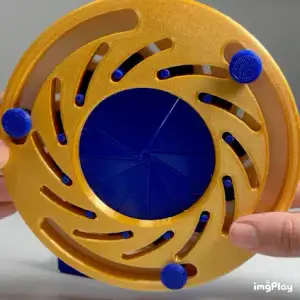

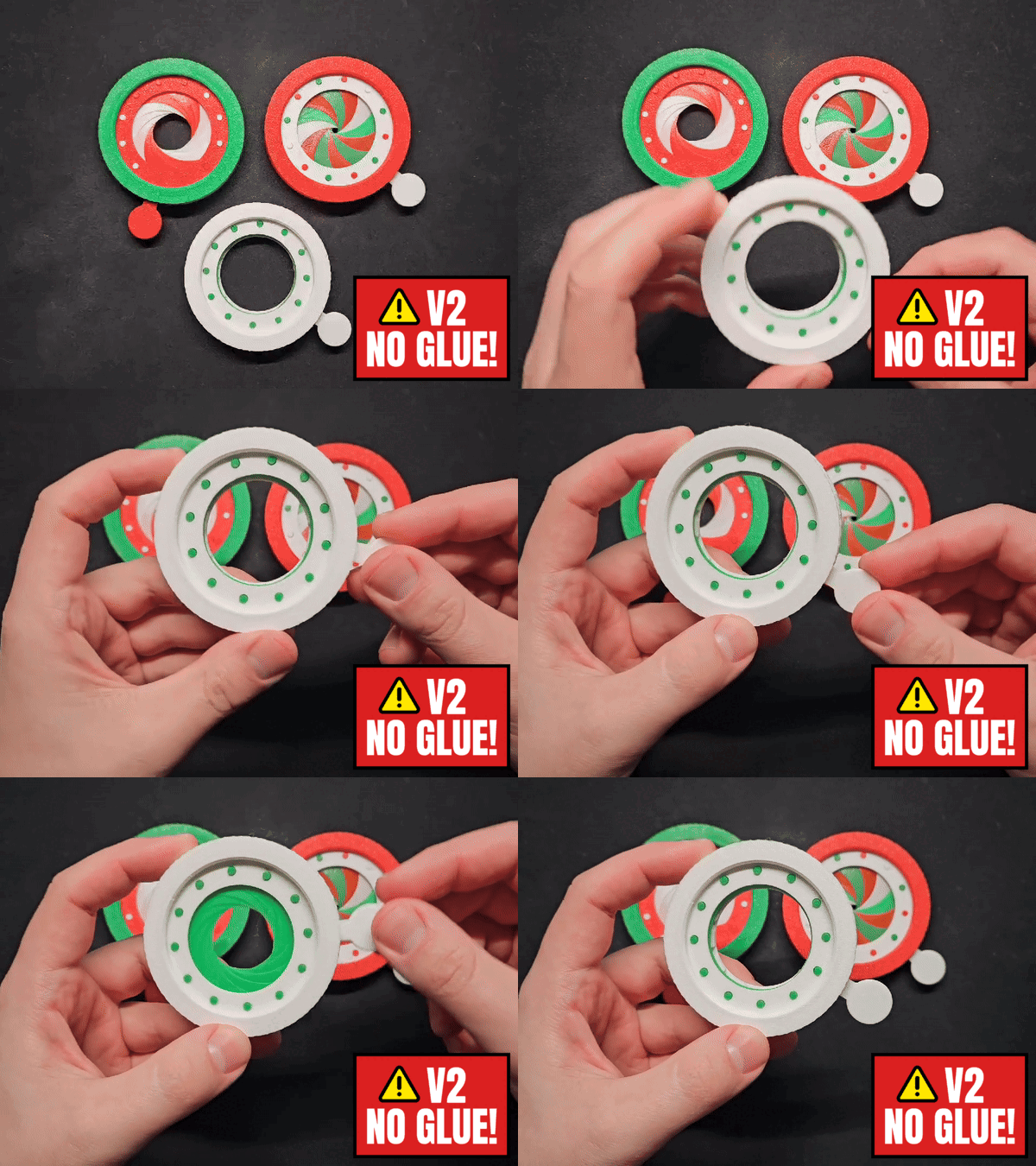
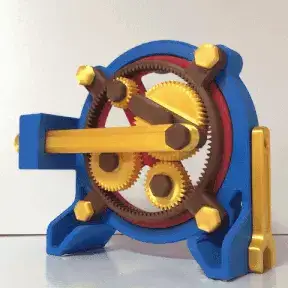


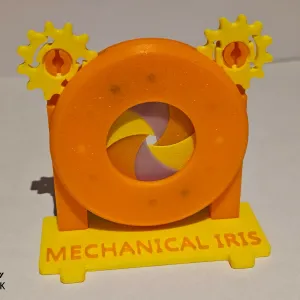




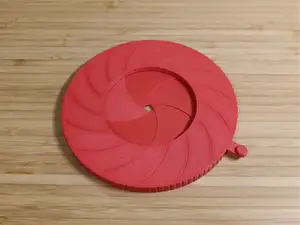
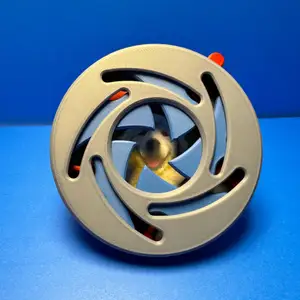

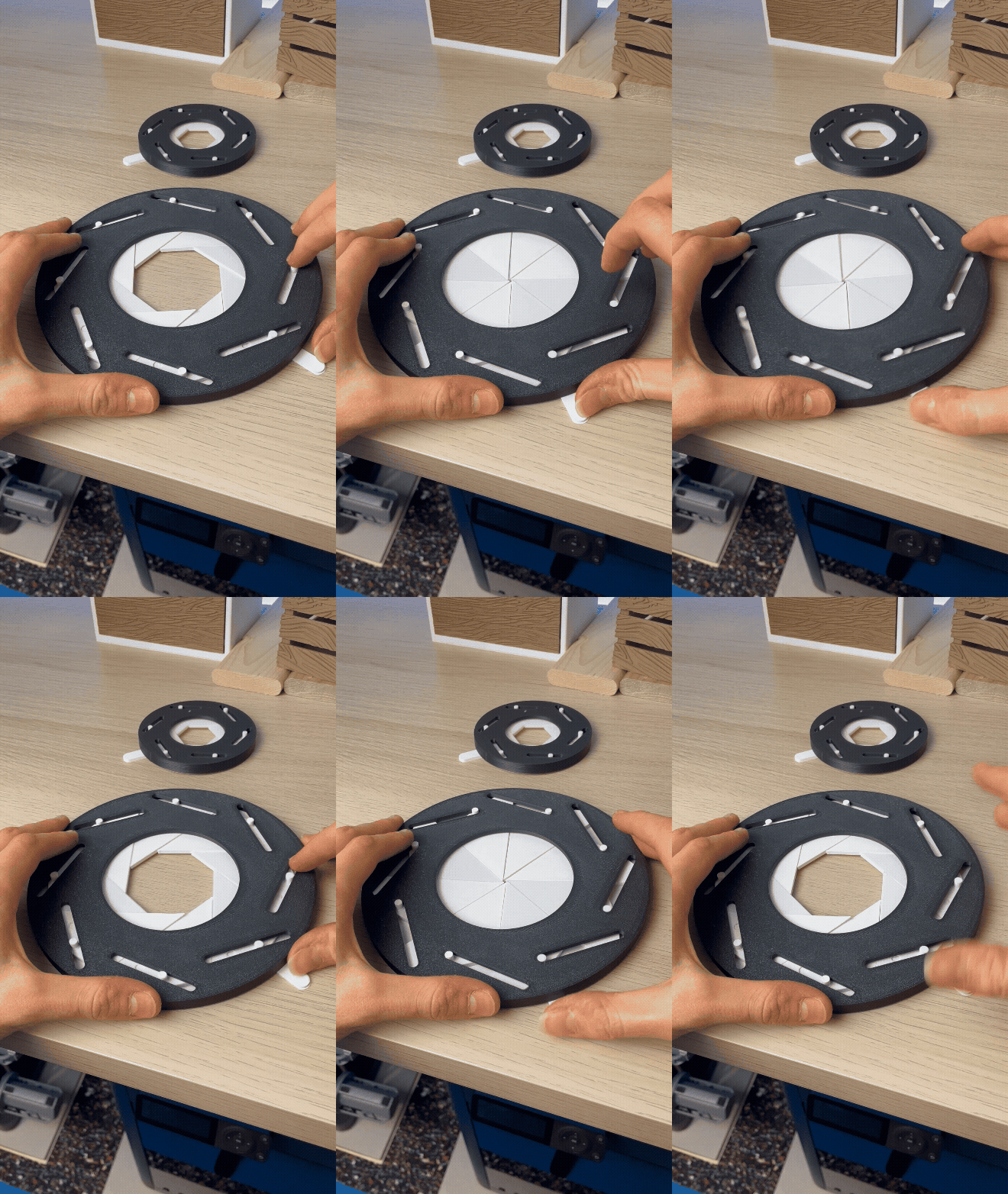
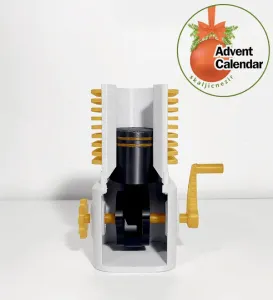

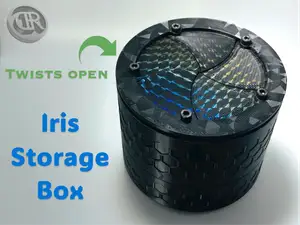
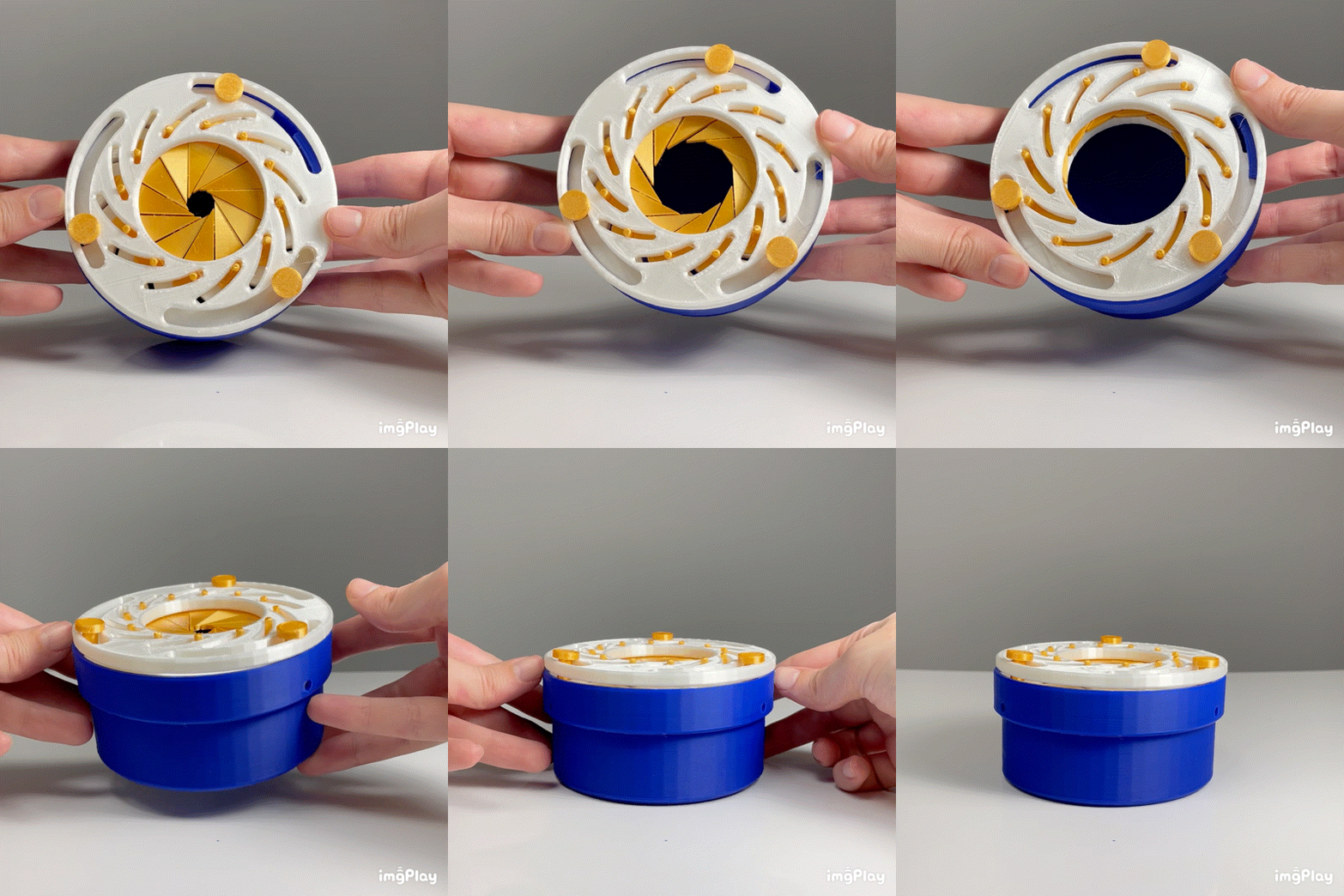

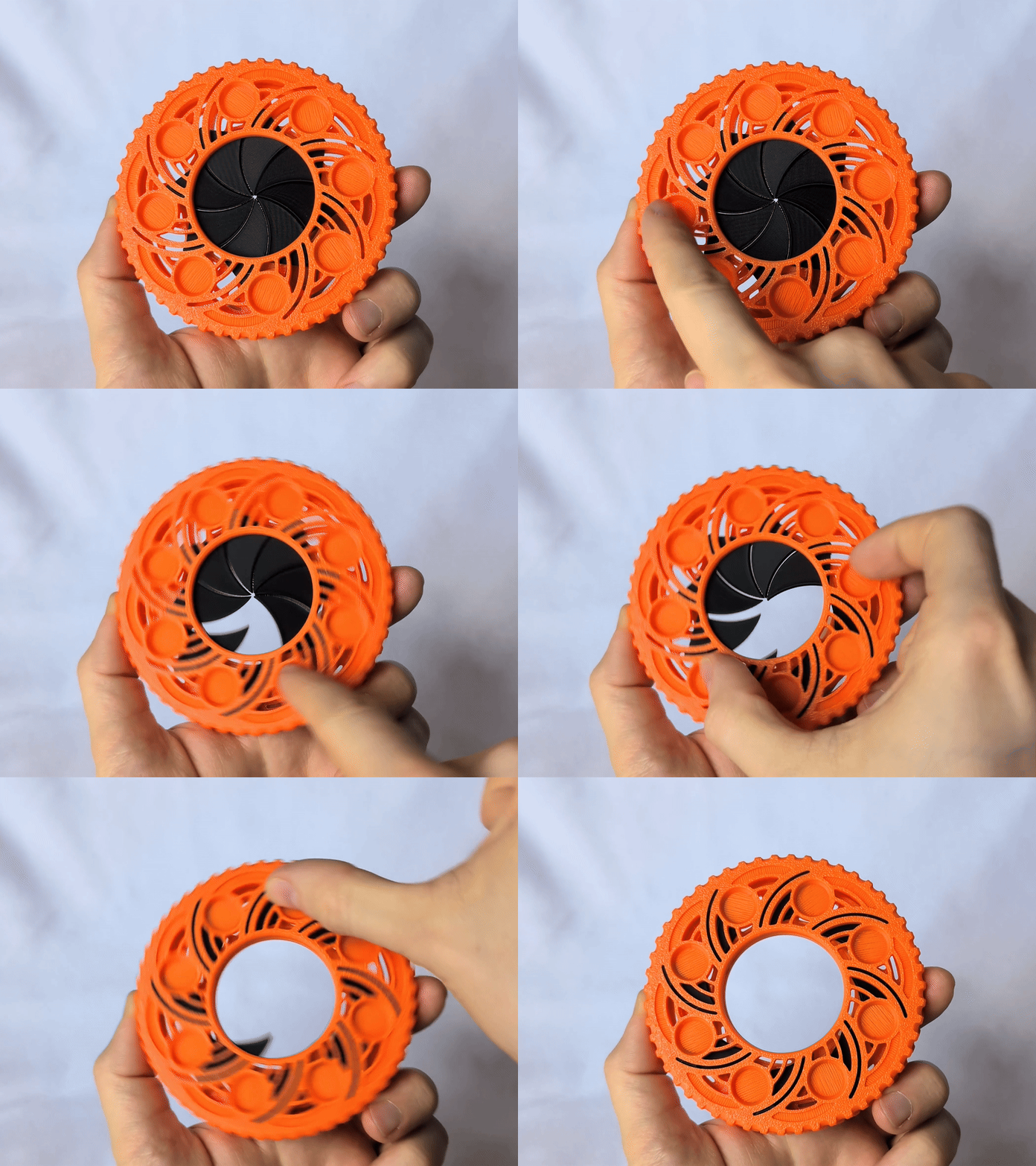
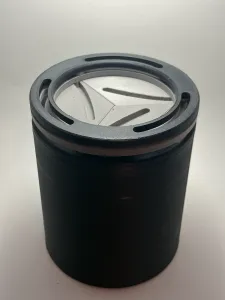

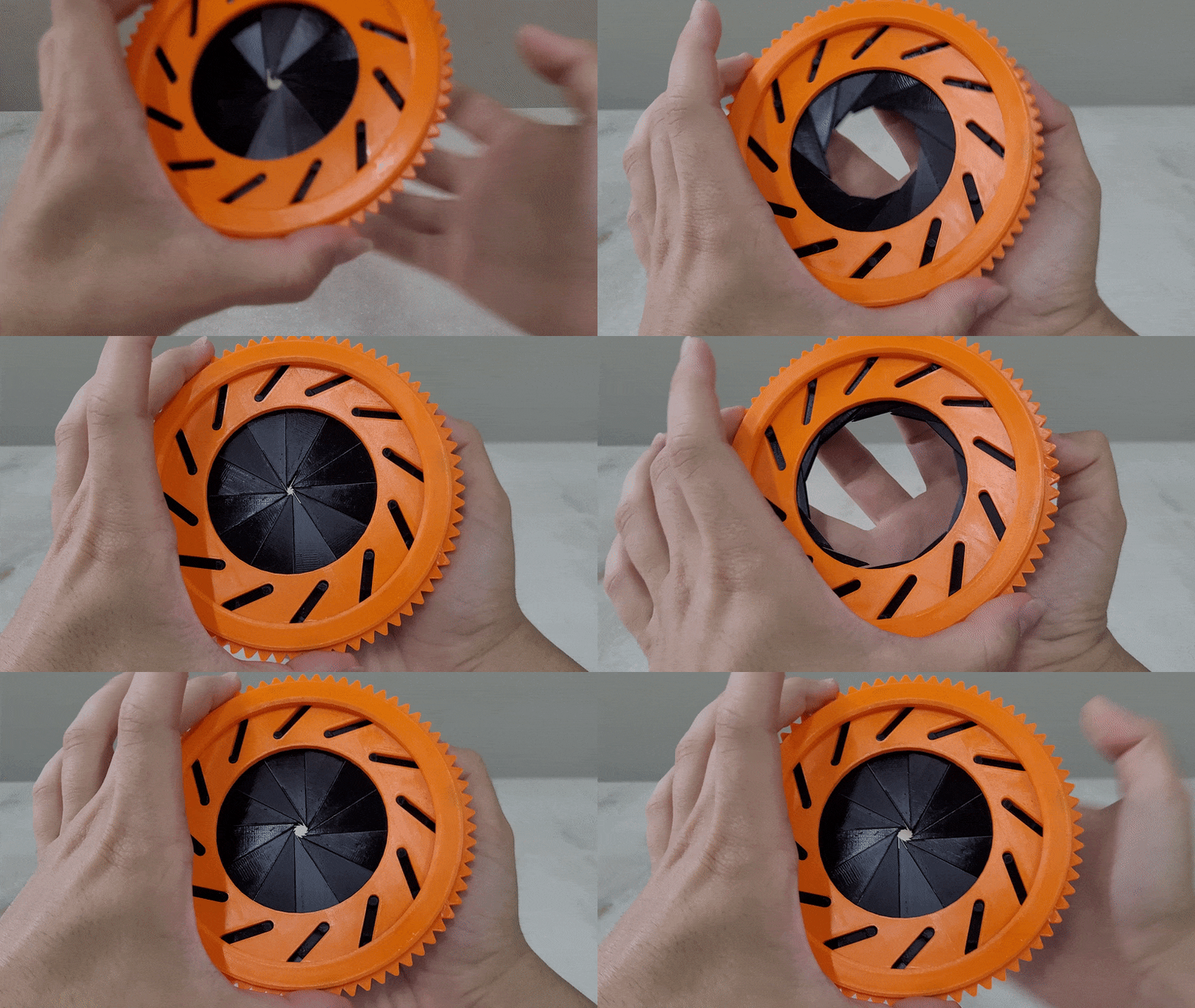

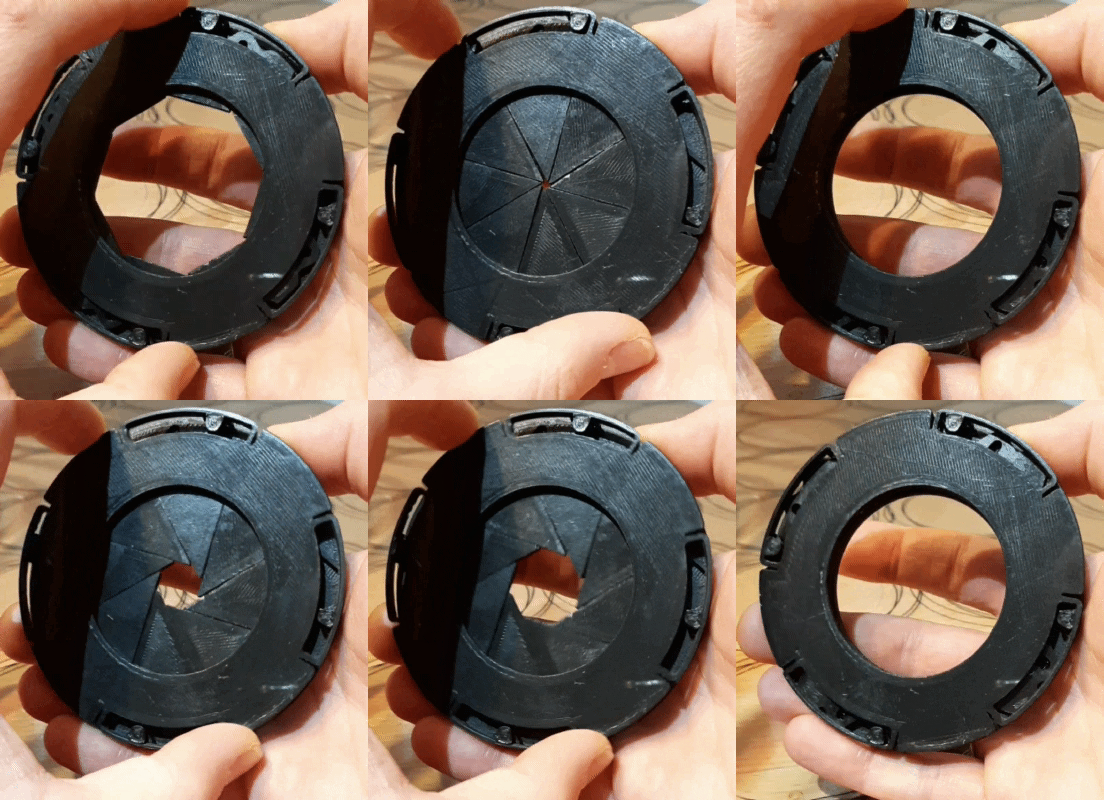

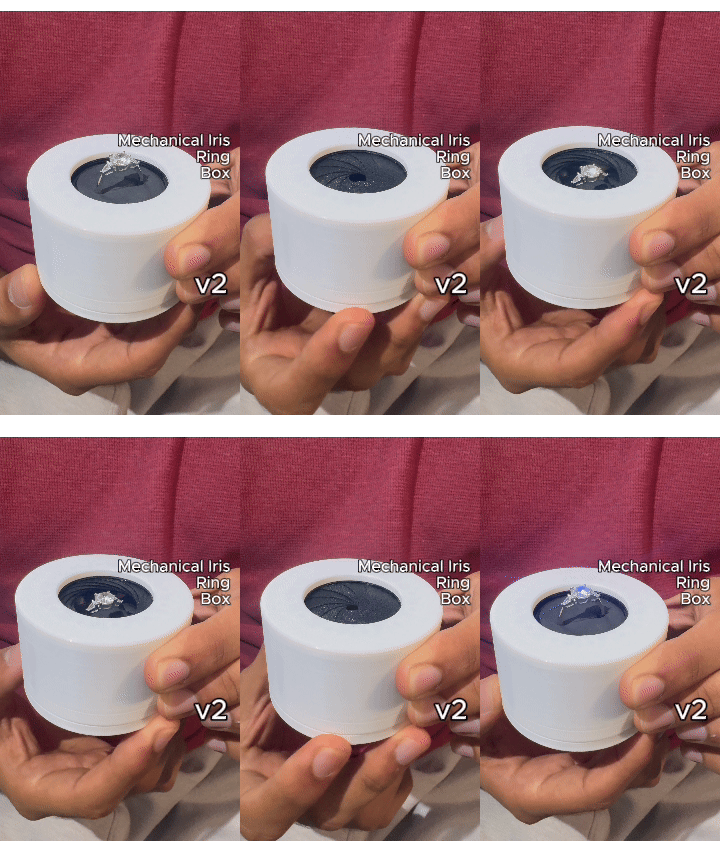



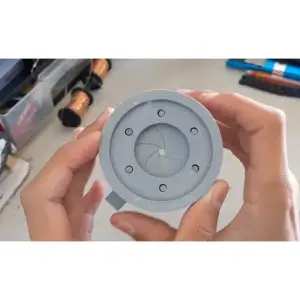

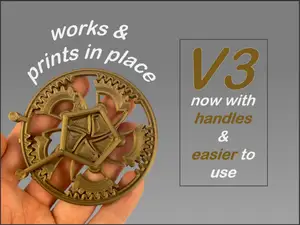
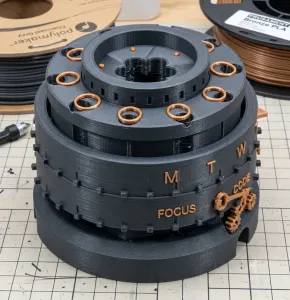

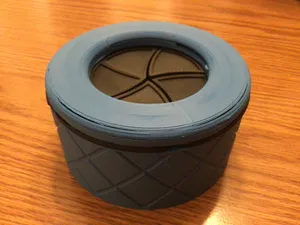

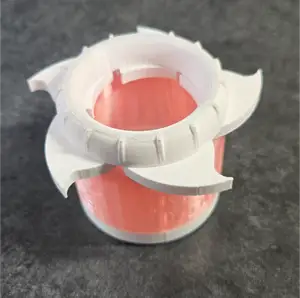
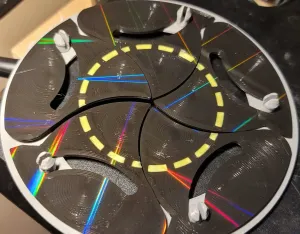

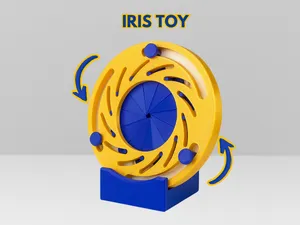
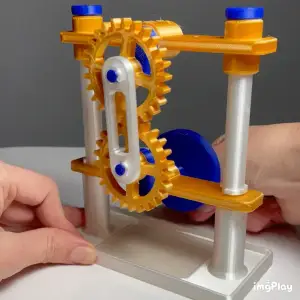
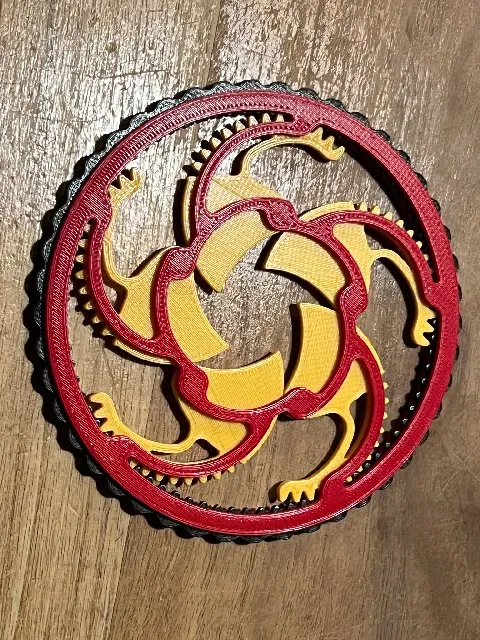
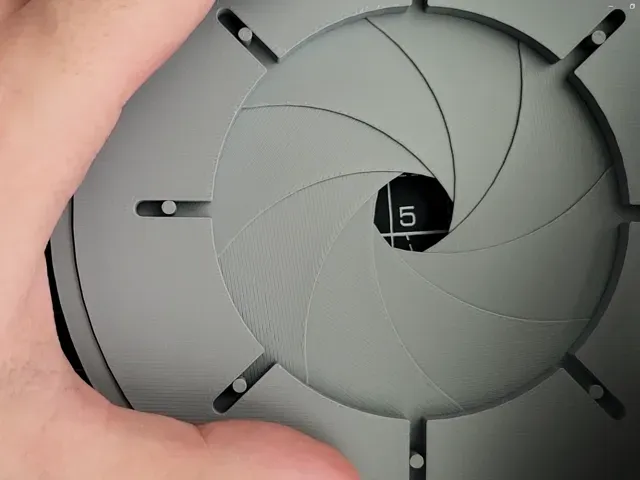
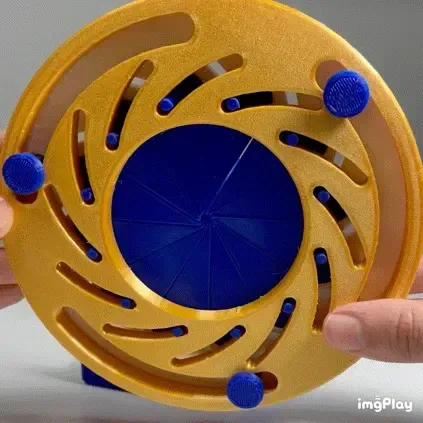
The most common kind is the bladed aperture, where several leaves overlap in a ring and rotate together to change the opening size. Fidget versions shrink that idea to a few parts you twist by hand, while iris boxes use the same motion as a lid over a small cavity. Compliant and jointless designs replace pins and hinges with flexing sections, and mechanical principle toys apply similar linkages to pistons or winding mechanisms.
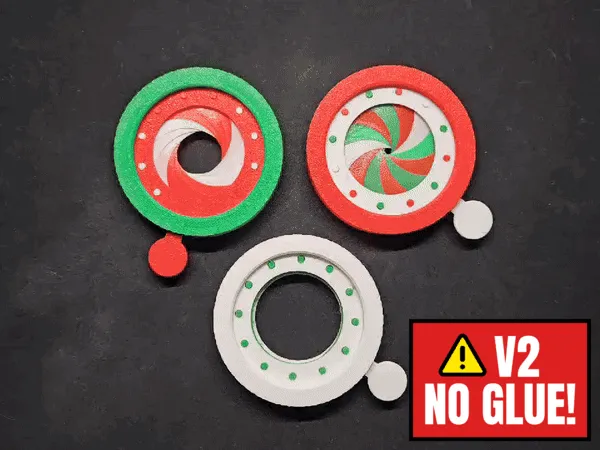
Before printing, read the model page for the number of blades and separate parts, and check whether pins, axles or screws are printed or bought. Look at the clearances the author lists, since tight joints can fuse on some machines, and at the material and settings they used. Photos of real prints and any assembly instructions show how the parts fit together and how much post-processing the mechanism needs.
If the results are thin, try other names for the same idea: aperture mechanism, diaphragm, blade mechanism, twist-open box or mechanical toy. Related searches such as compliant mechanism, piston toy or mechanical principle model often surface similar linkages. Adding a material, a nozzle size or a printer type to the query narrows the list to models whose authors describe that setup.




Le catalogue complet des thèmes, de la maison à la CNC, avec une recherche sur tous les sites connectés.