免费 
Mechanical Iris
Thingiverse
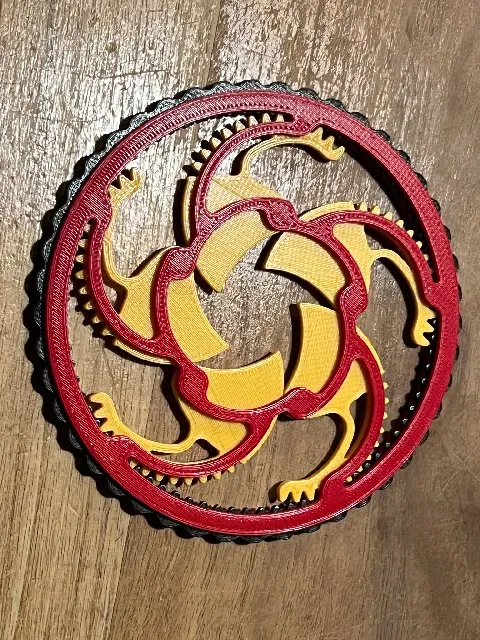
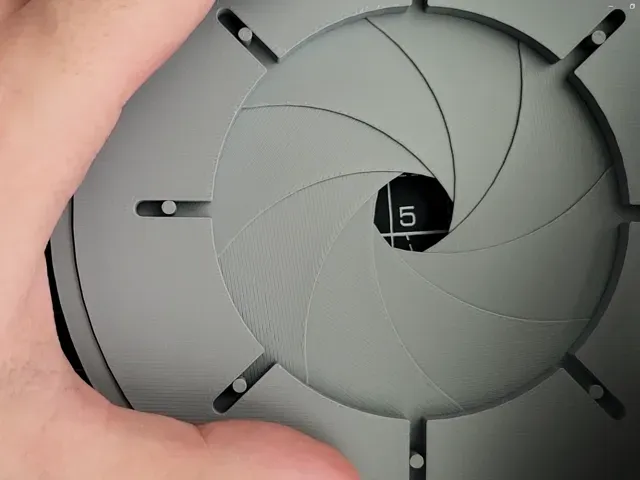
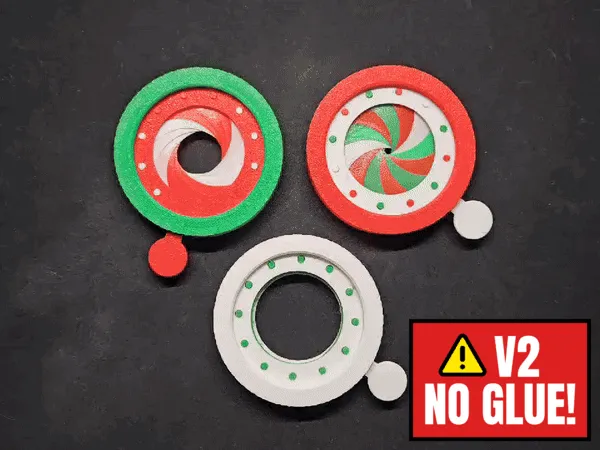
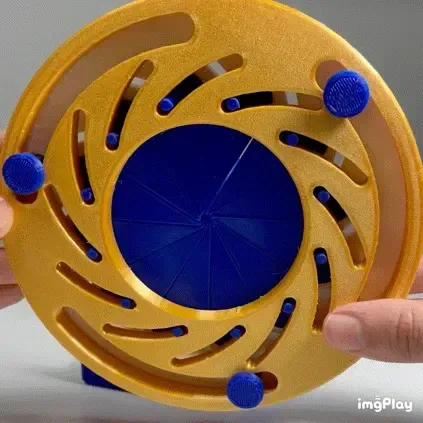
This collection gathers 3D-printable models built around the mechanical iris: overlapping blades that open and close a round aperture. It covers bladed apertures, fidget versions, iris boxes and compliant designs, so you can compare how each one handles motion. The models are made for 3D printing, and most pages include the STL files plus the author's notes on assembly. Polyzon does not confirm whether models are free, their price, license, official status, affiliation, safety or fitness. Check the current terms at the source.
本合集的文字为英文,搜索本身支持任何语言。
 Polyzon合集 · 48个模型 来自4个平台
此合集由Polyzon根据已接入平台的搜索结果整理而成:去除重复项和没有预览图的模型,匹配度低的排在最后,其余按搜索结果顺序排列。模型归作者所有——请在各模型页面查看使用条款。
筛选规则:Polyzon编辑部 · 文字更新于2026年10月13日
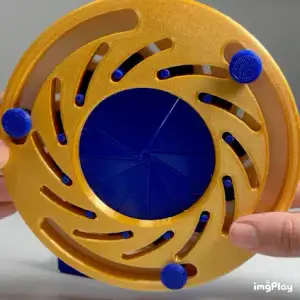

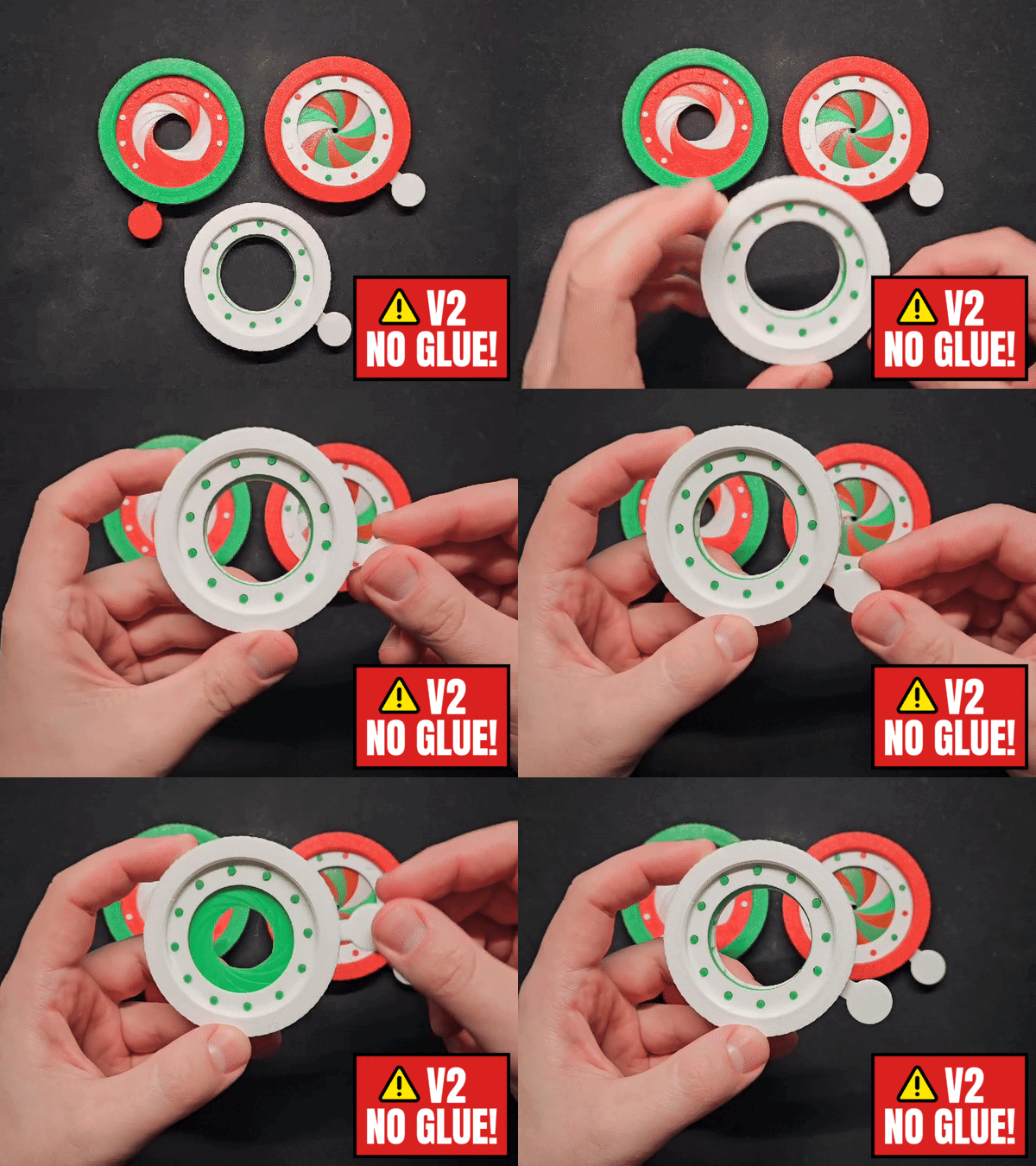
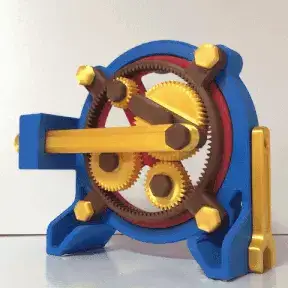

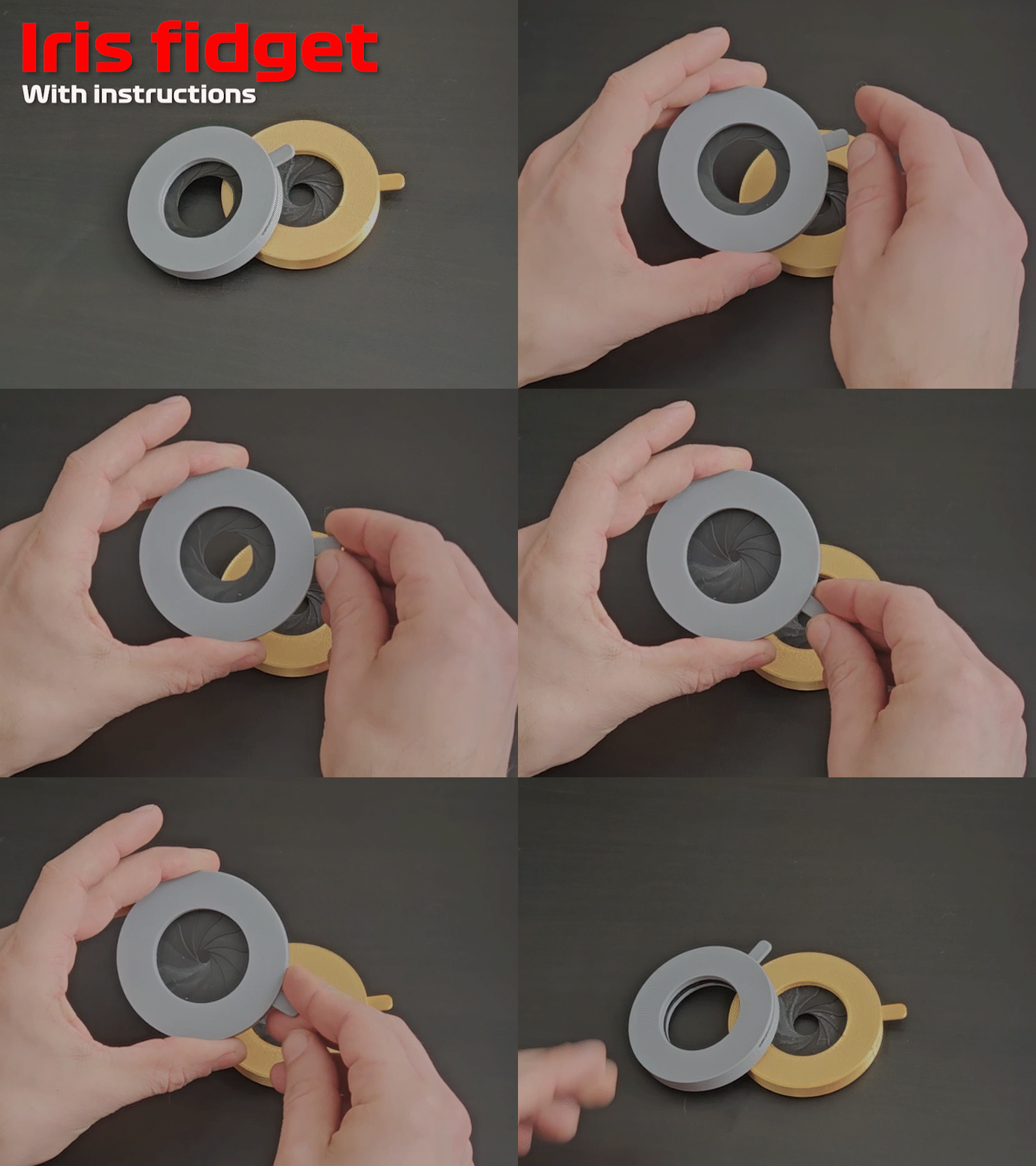
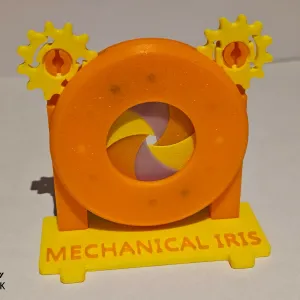

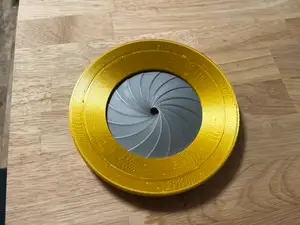


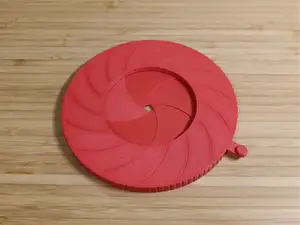
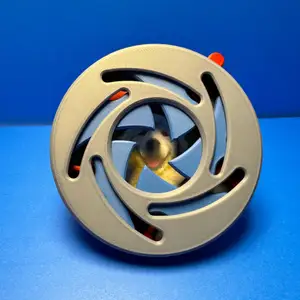

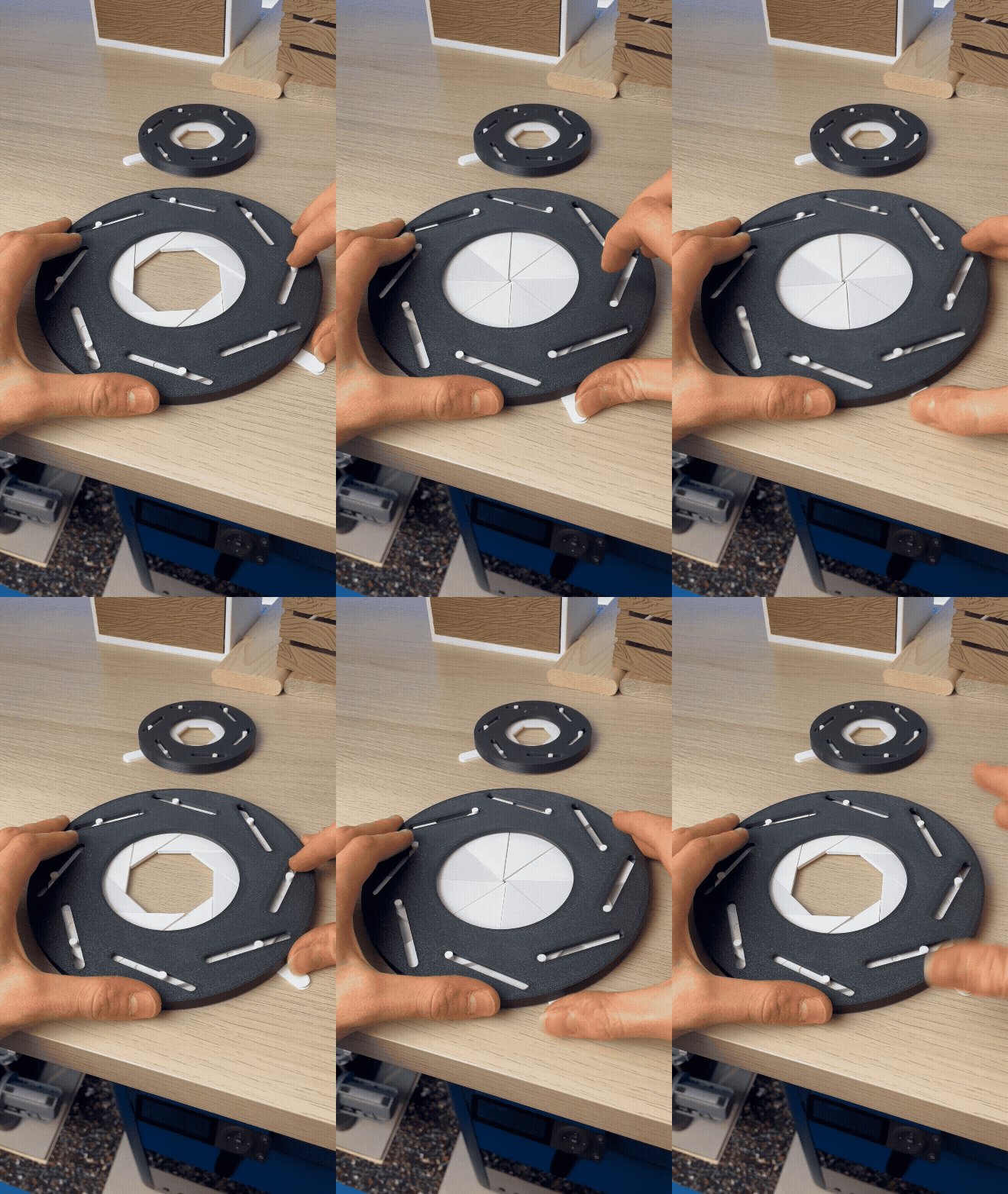
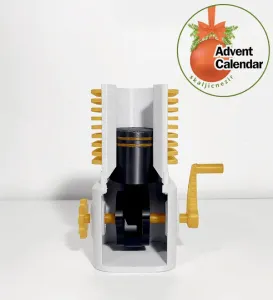

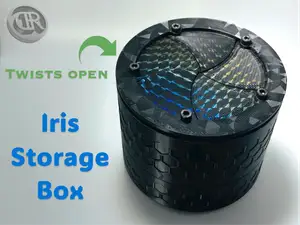
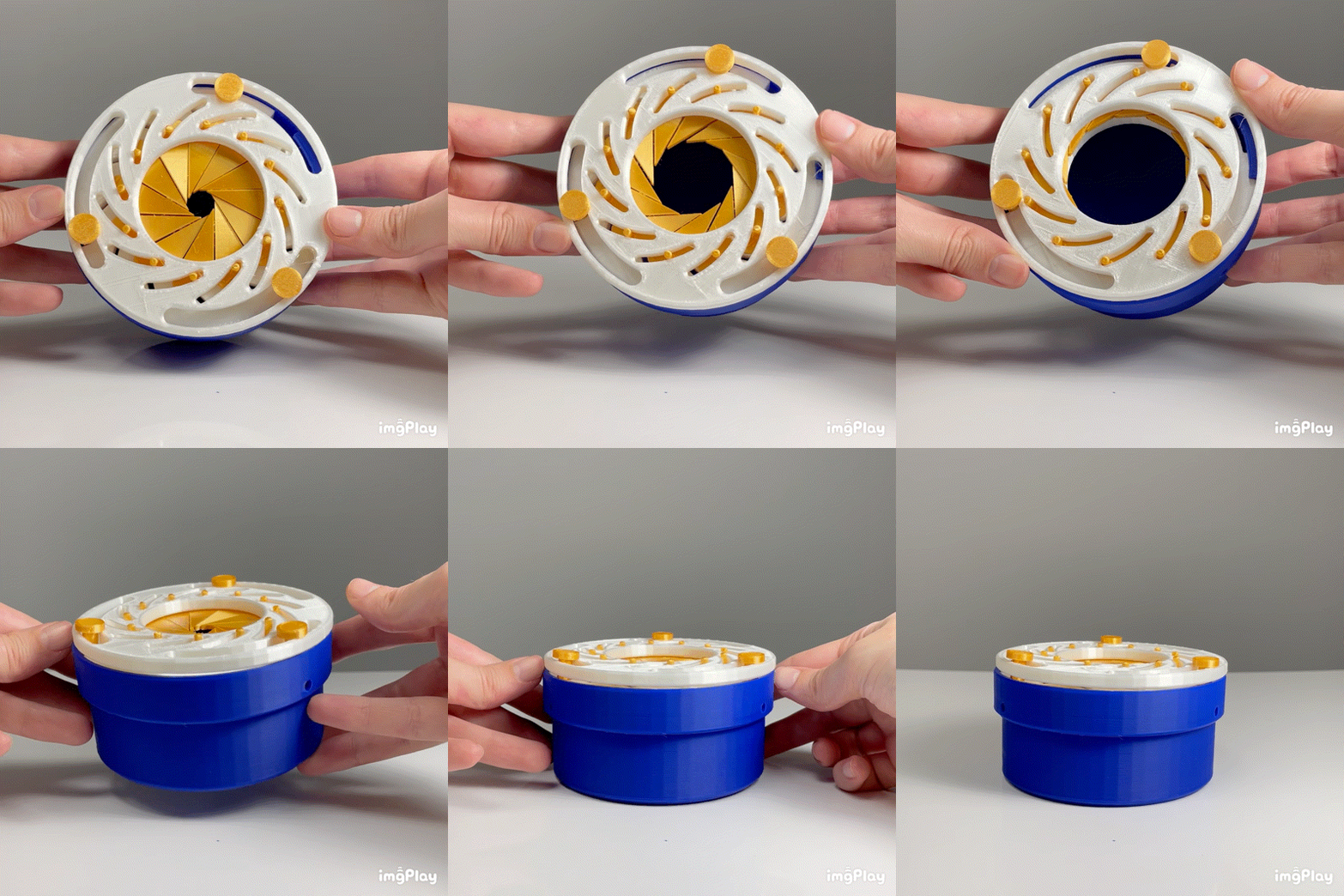

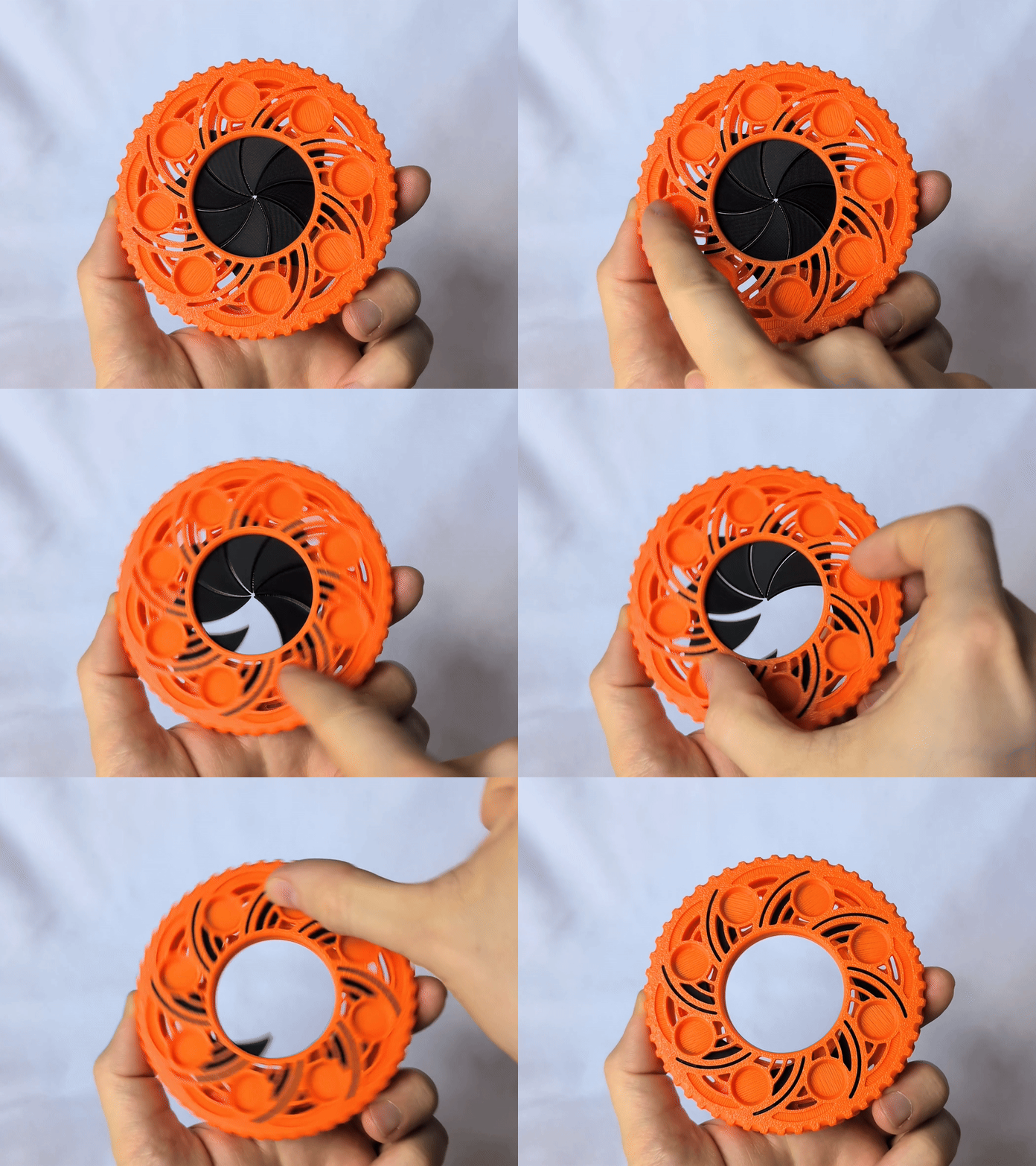

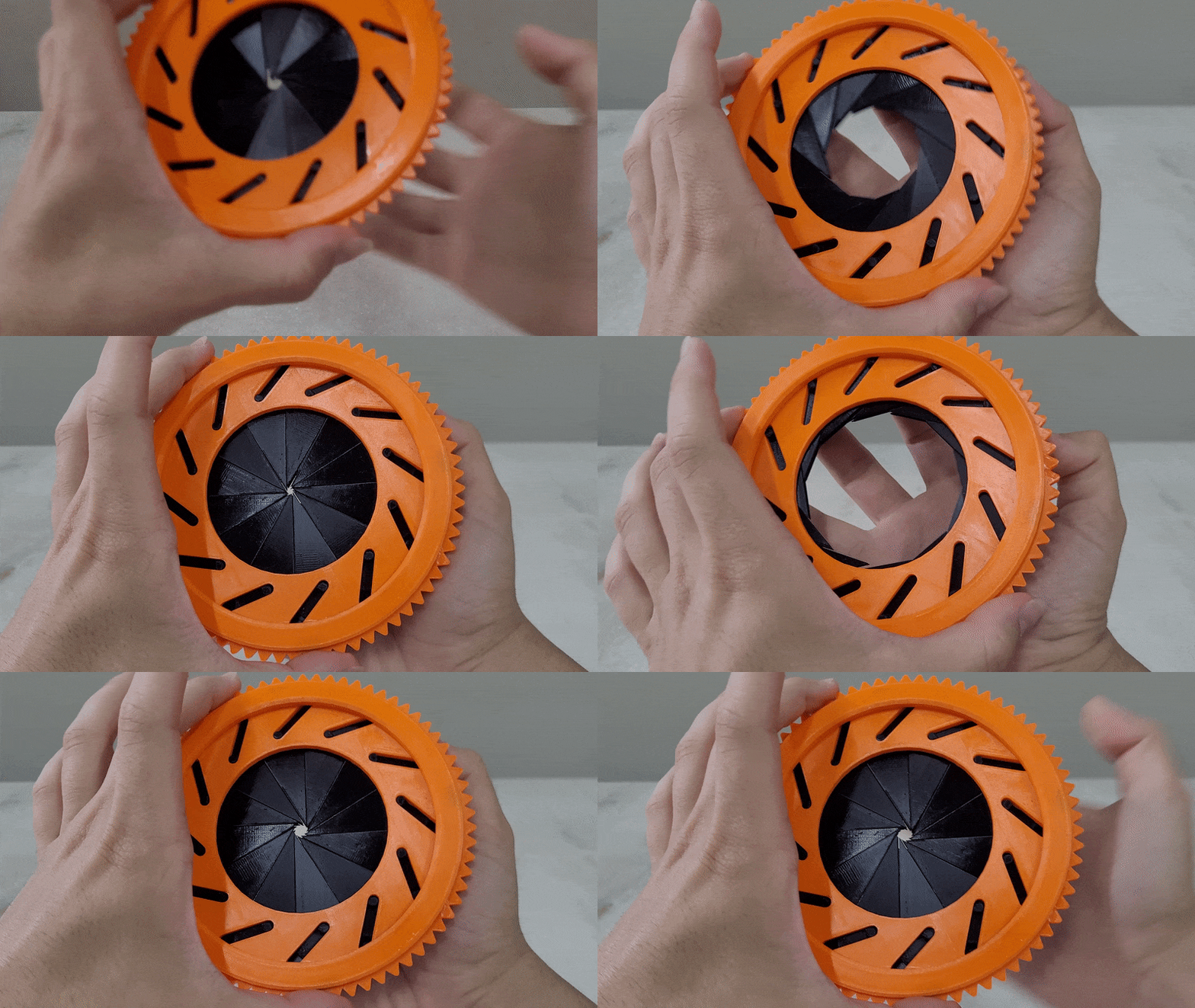

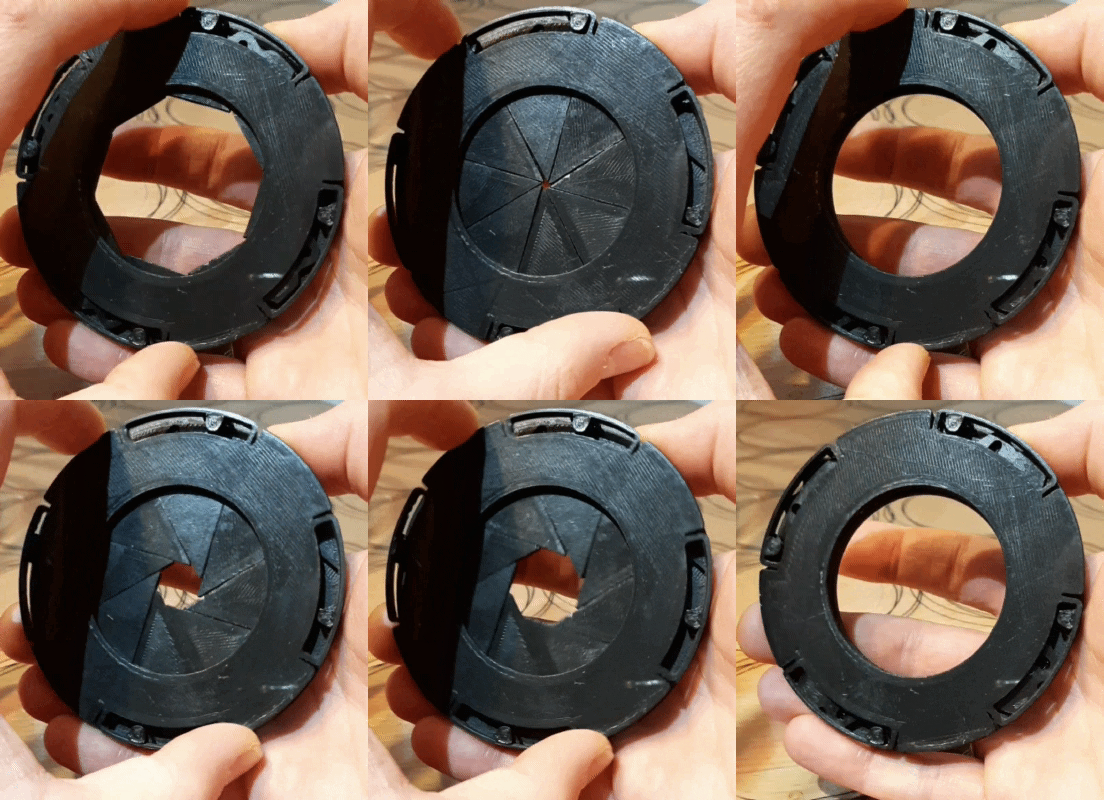
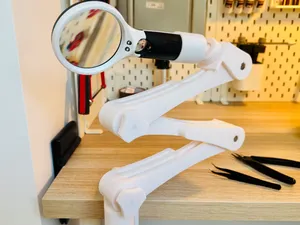
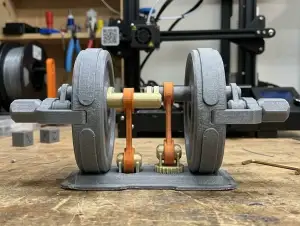

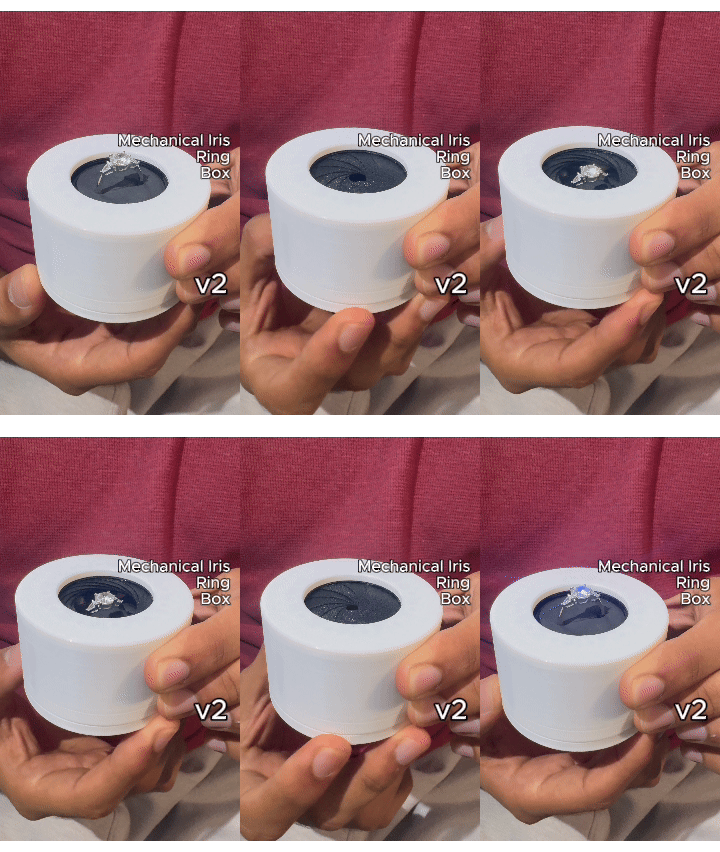
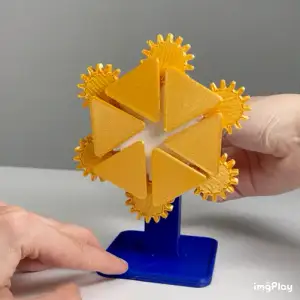

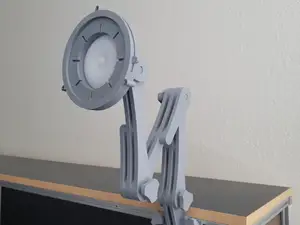
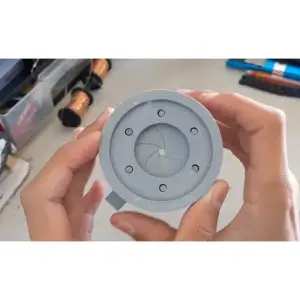


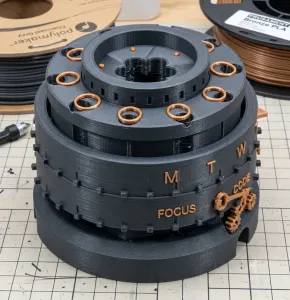

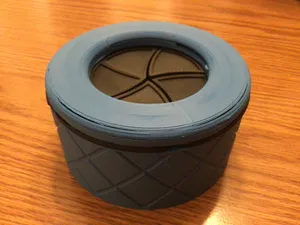

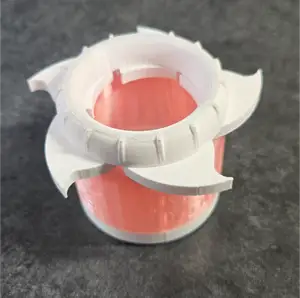
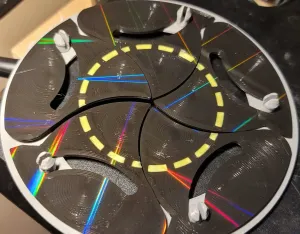

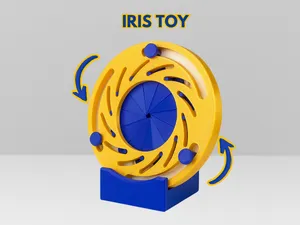
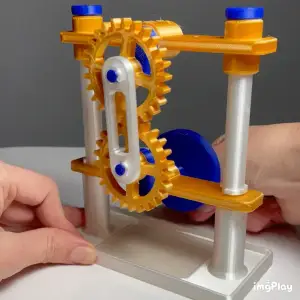
The most common kind is the bladed aperture, where several leaves overlap in a ring and rotate together to change the opening size. Fidget versions shrink that idea to a few parts you twist by hand, while iris boxes use the same motion as a lid over a small cavity. Compliant and jointless designs replace pins and hinges with flexing sections, and mechanical principle toys apply similar linkages to pistons or winding mechanisms.
Before printing, read the model page for the number of blades and separate parts, and check whether pins, axles or screws are printed or bought. Look at the clearances the author lists, since tight joints can fuse on some machines, and at the material and settings they used. Photos of real prints and any assembly instructions show how the parts fit together and how much post-processing the mechanism needs.
If the results are thin, try other names for the same idea: aperture mechanism, diaphragm, blade mechanism, twist-open box or mechanical toy. Related searches such as compliant mechanism, piston toy or mechanical principle model often surface similar linkages. Adding a material, a nozzle size or a printer type to the query narrows the list to models whose authors describe that setup.




完整的主题目录:从家居日用到CNC,均可在已接入的来源平台中搜索。