
Gratuit 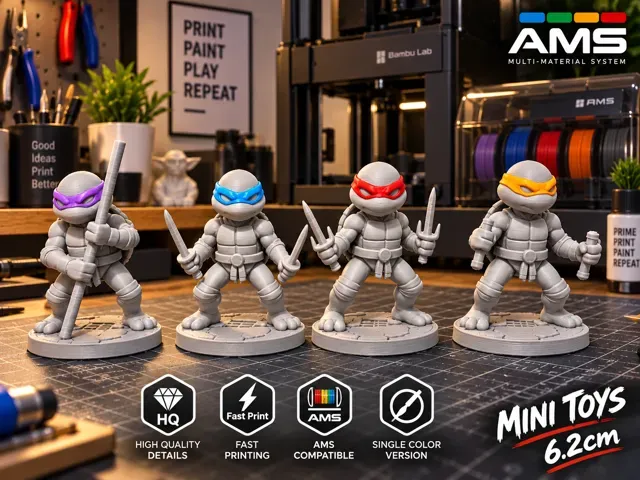
Ninja Turtle Mini Toys – AMS & Single Color
MakerWorld
This collection gathers 3D models of toys scaled down to pocket size: fidget pieces, tiny vehicles, animal figures and miniature versions of familiar objects. It is useful when you want small 3D printing projects that use little material and finish quickly. Many entries are designed as single prints, while others come as multi-part kits. Polyzon does not confirm whether models are free, their price, license, official status, affiliation, safety or fitness. Check the current terms at the source.
Le texte de cette collection est rédigé en anglais ; la recherche, elle, fonctionne dans toutes les langues.
 Une collection Polyzon · 47 modèles sur 4 plateformes
Polyzon compose cette collection à partir des résultats de recherche des plateformes connectées. Les doublons et les modèles sans aperçu sont retirés, les correspondances faibles sont placées à la fin, et le reste suit l’ordre de la recherche. Les modèles appartiennent à leurs auteurs : consultez les conditions sur la page de chaque modèle.
Règles de sélection : la rédaction de Polyzon · Texte mis à jour le 14/10/2026
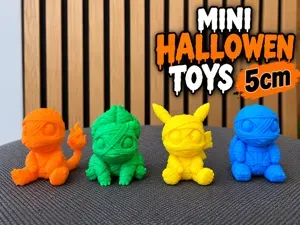


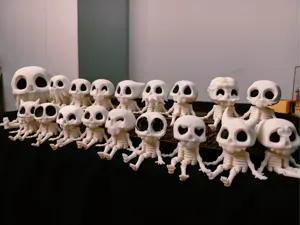


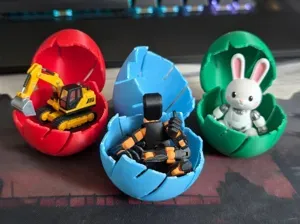

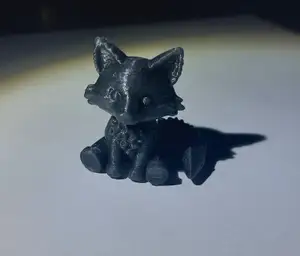


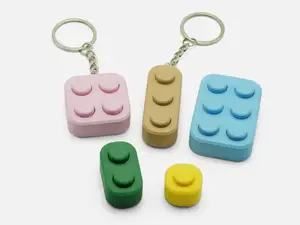
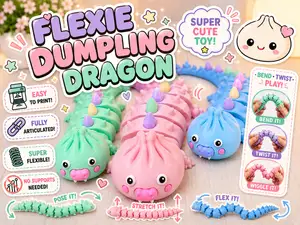
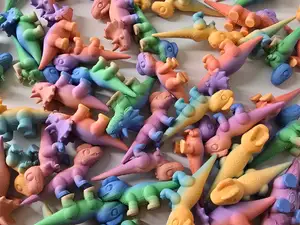
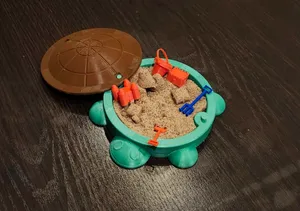

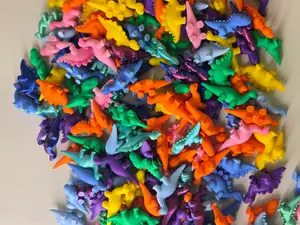
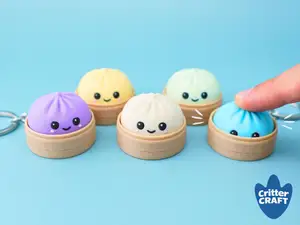
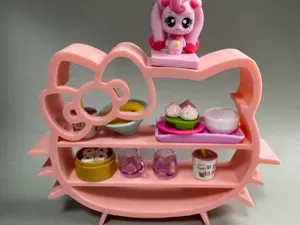
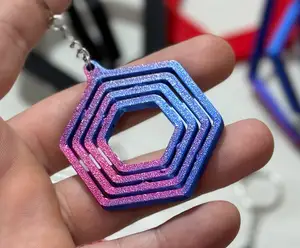
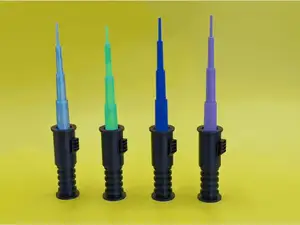
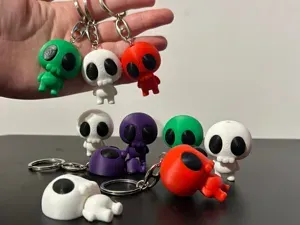
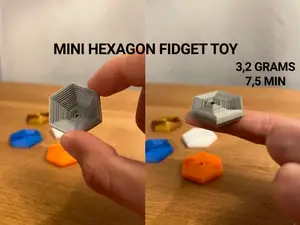
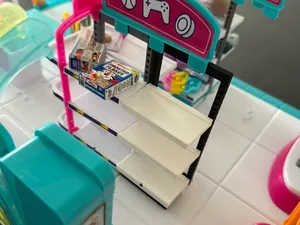


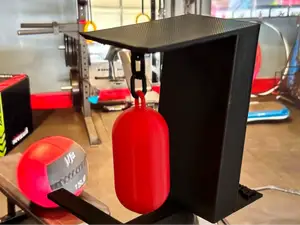
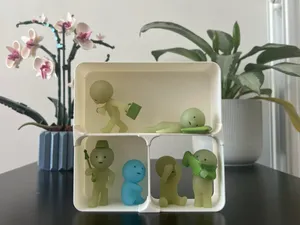
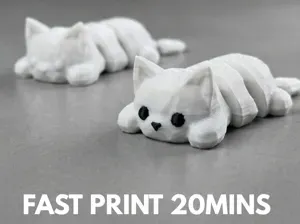

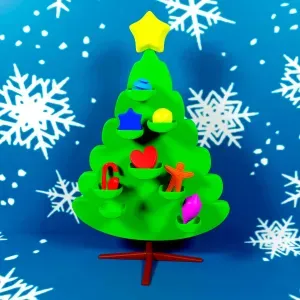
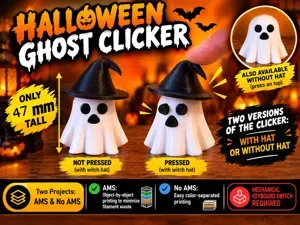

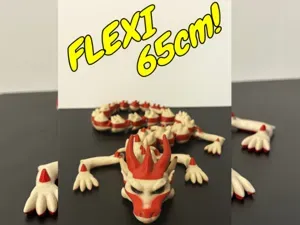

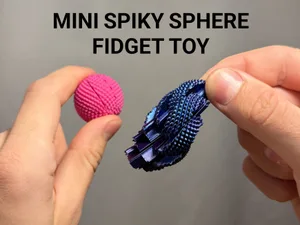
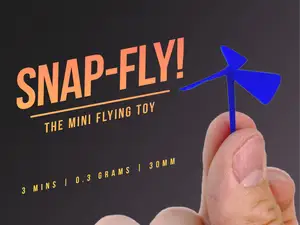
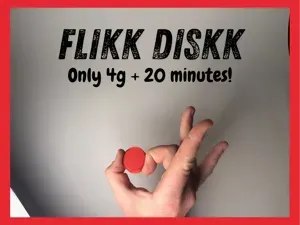
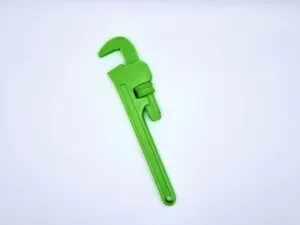

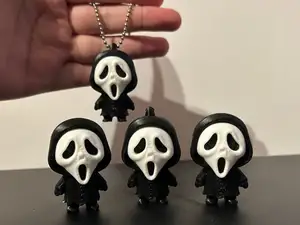
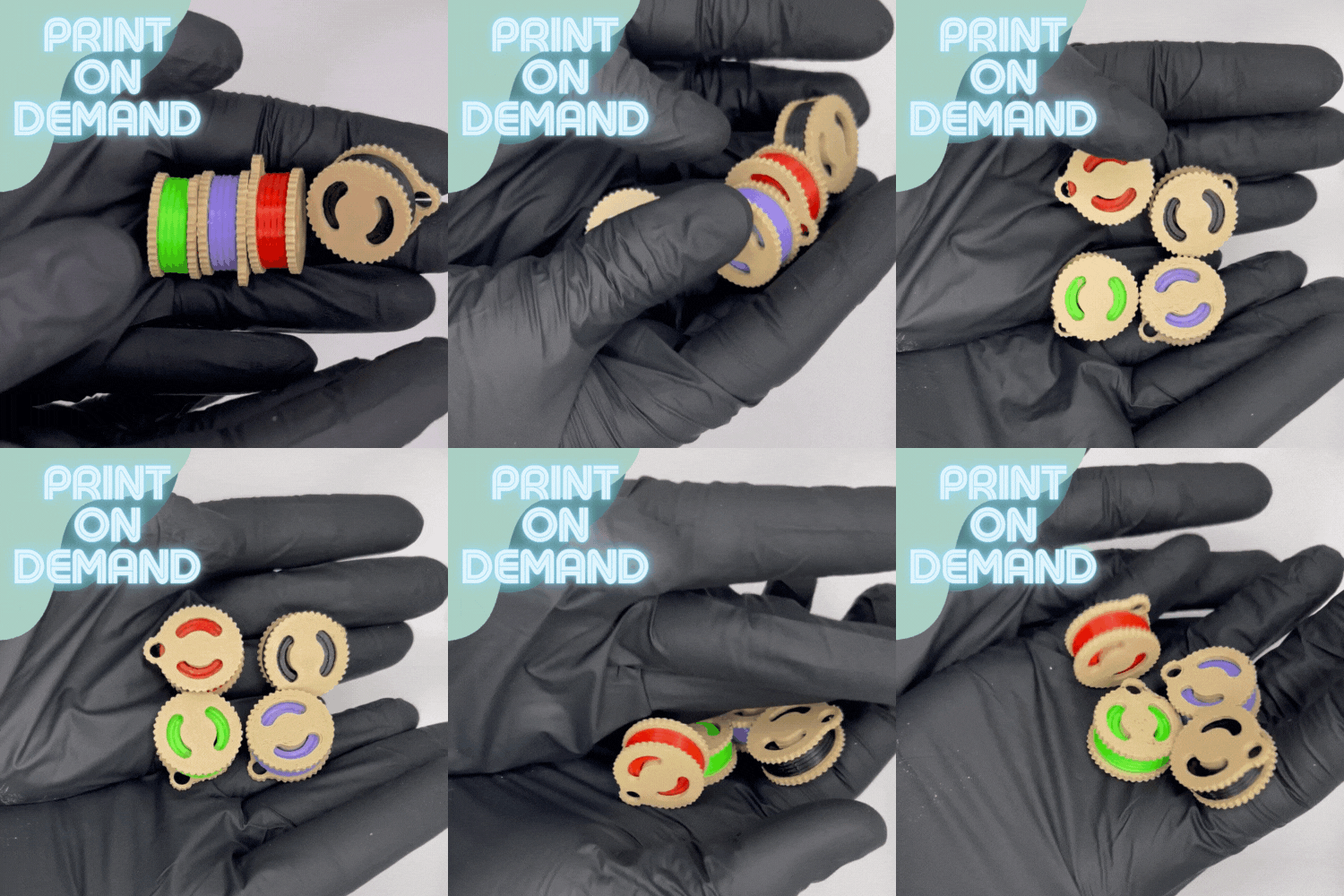

The range covers several directions. Fidget and keychain items usually rely on moving joints or a slide action built into one piece. Vehicles and robots often appear as small kits with separate wheels, tracks or limbs, and animal or character figures tend to be static models with simple silhouettes. Retro-style novelties, such as capsule machines or miniature arcade units, mix a housing with a few internal parts.
Scale is the first thing to check on a model page. A figure listed at a few centimetres may lose fine detail on a 0.4 mm nozzle, while a larger version of the same shape prints more cleanly. Look at the part count and how the pieces join, whether the author calls for supports, and which material and layer height they list. Photos of real prints show how thin walls, small pins and moving joints behave after printing.
Small parts also change how you slice. Lower layer heights and a slower speed help with tiny hinges and thin legs, and a brim can keep narrow bases from lifting. If a search returns few results, try related wording: miniature, micro, keychain, fidget, pocket-size, or the object itself, such as tank, robot, duck or arcade. Combining a scale word with a category usually narrows the list faster than one broad term.


Le catalogue complet des thèmes, de la maison à la CNC, avec une recherche sur tous les sites connectés.