
Gratuit 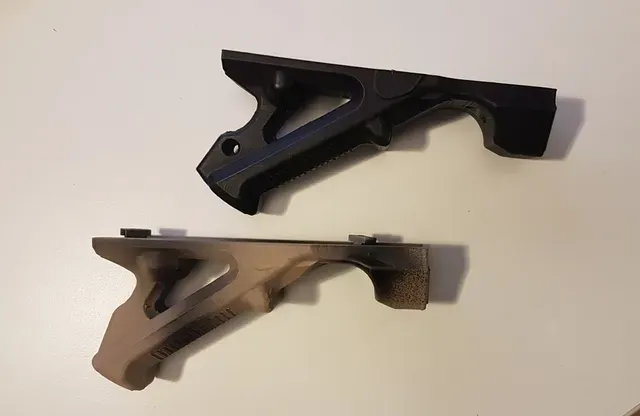
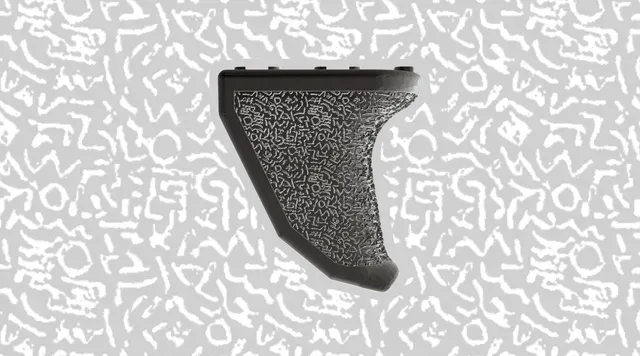
Angled fore grip mlok AFG M-LOK without side mounts
Printables
This collection gathers 3D models built around the M-LOK slot pattern: angled and vertical fore grips, handstops, rail covers, handguards and the small nuts and T-nuts that hold them. Most of these parts are small enough to print in one piece, which makes them a practical subject for testing fit and orientation on your 3D printer. Browsing here helps you compare shapes and mounting approaches before you commit to a longer STL print. Polyzon does not confirm whether models are free, their price, license, official status, affiliation, safety or fitness. Check the current terms at the source.
Le texte de cette collection est rédigé en anglais ; la recherche, elle, fonctionne dans toutes les langues.
 Une collection Polyzon · 48 modèles sur 3 plateformes
Polyzon compose cette collection à partir des résultats de recherche des plateformes connectées. Les doublons et les modèles sans aperçu sont retirés, les correspondances faibles sont placées à la fin, et le reste suit l’ordre de la recherche. Les modèles appartiennent à leurs auteurs : consultez les conditions sur la page de chaque modèle.
Règles de sélection : la rédaction de Polyzon · Texte mis à jour le 10/10/2026


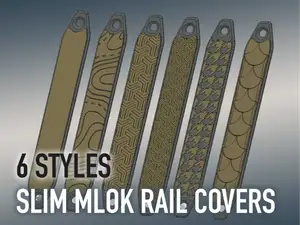

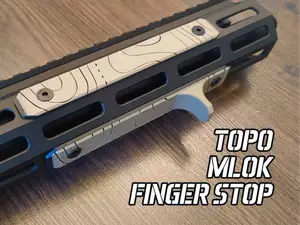


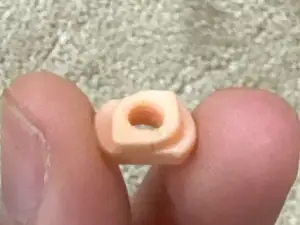


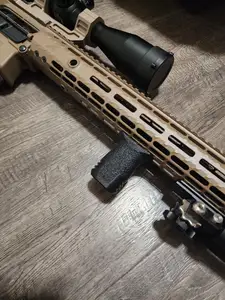
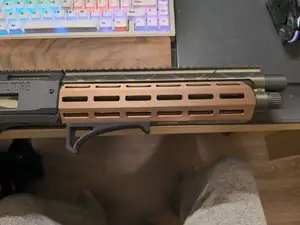


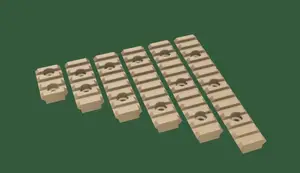
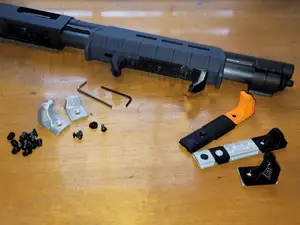
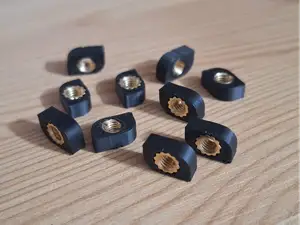

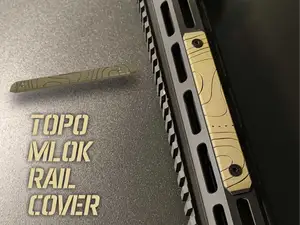

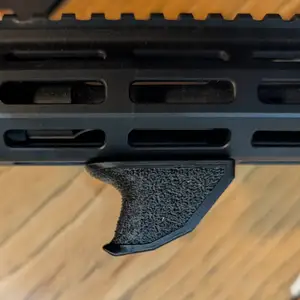


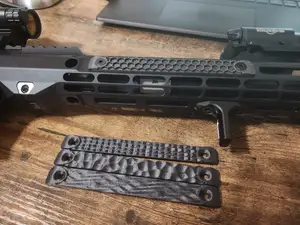
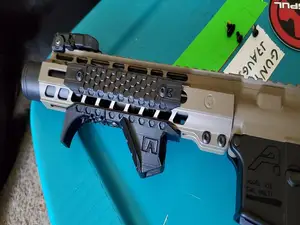
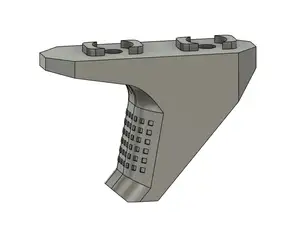
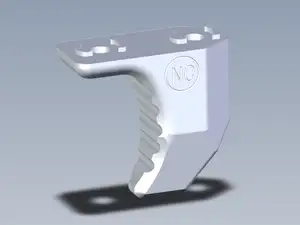


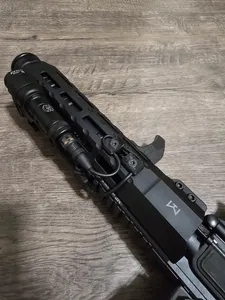

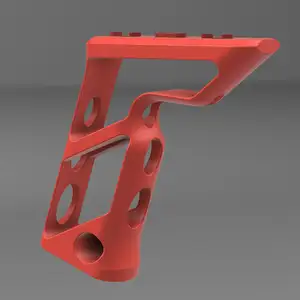


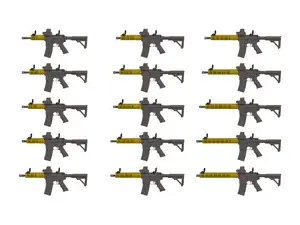
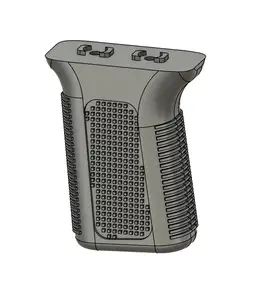
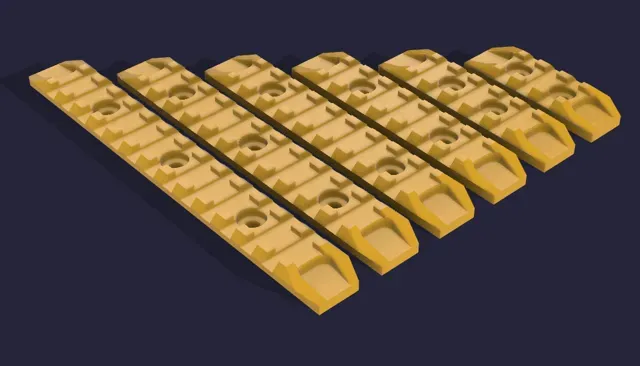
The shapes differ mainly in how they change your hand position. Angled fore grips sit low and forward, vertical and stubby grips give a straight pull, and handstops or finger stops act as a short indexing point rather than a full grip. Handguards are the largest items in the group and replace the whole front section, while rails, covers, barrier stops and T-nuts are supporting parts that adapt or finish a surface.
On the author's model page, look at the mounting interface first: slot spacing, screw thread and nut size decide whether a printed part will sit where you expect. Check whether the item is a single printed body or a set of parts that needs assembly, and read the orientation and support notes, since grips with overhangs print differently upright than on their side. The material and settings the author lists, plus photos of real prints, tell you more about the result than the render does.
To narrow the search, try the spellings people use interchangeably: M-LOK, MLok and MLOK, and the abbreviations AFG, VFG and handstop. Related terms such as finger stop, barrier stop, rail cover, T-nut, KeyMod, Picatinny and airsoft platform lead to neighbouring results, and remixes often show a variant with a different angle, length or texture. Combining a part name with a mounting term usually returns a shorter, more useful list.


Le catalogue complet des thèmes, de la maison à la CNC, avec une recherche sur tous les sites connectés.