
Gratuit 
Model Elbow Joint
Thingiverse
This collection gathers STL files for joint models, from anatomical knee and elbow replicas to universal and hinge joints used in mechanisms. Some are single-piece demonstration models, others are multi-part assemblies that move after printing. It gives you a starting point for 3D printing study aids, prototypes and articulated builds. Polyzon does not confirm whether models are free, their price, license, official status, affiliation, safety or fitness. Check the current terms at the source.
Le texte de cette collection est rédigé en anglais ; la recherche, elle, fonctionne dans toutes les langues.
 Une collection Polyzon · 48 modèles sur 4 plateformes
Polyzon compose cette collection à partir des résultats de recherche des plateformes connectées. Les doublons et les modèles sans aperçu sont retirés, les correspondances faibles sont placées à la fin, et le reste suit l’ordre de la recherche. Les modèles appartiennent à leurs auteurs : consultez les conditions sur la page de chaque modèle.
Règles de sélection : la rédaction de Polyzon · Texte mis à jour le 15/10/2026


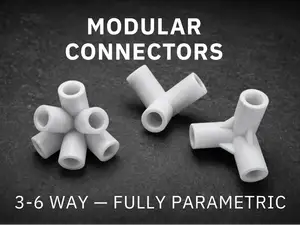
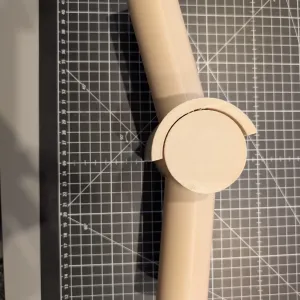

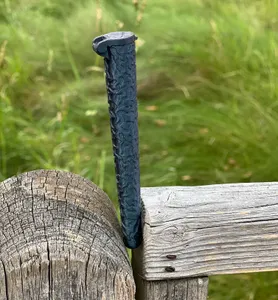

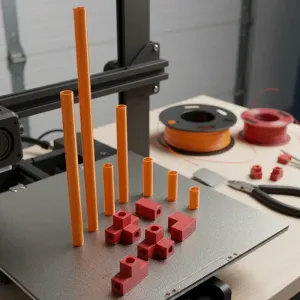


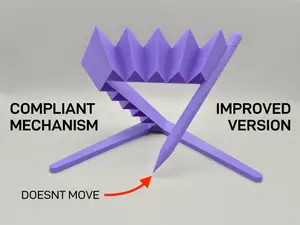








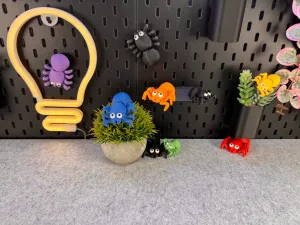


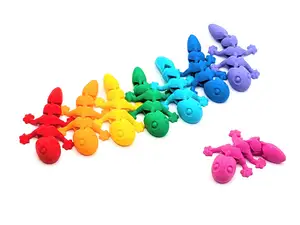
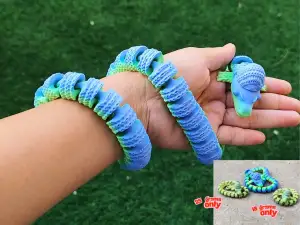





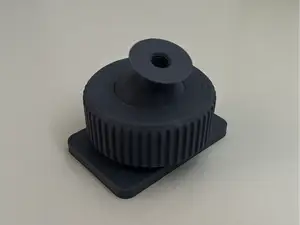
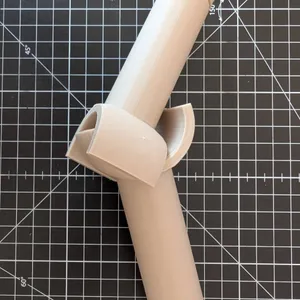


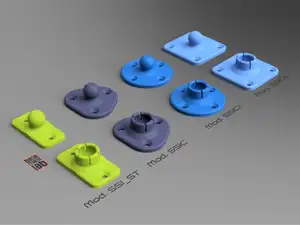
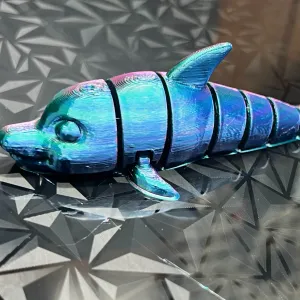

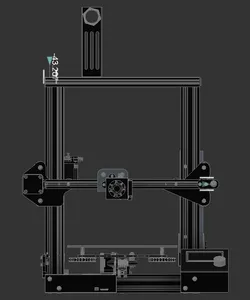



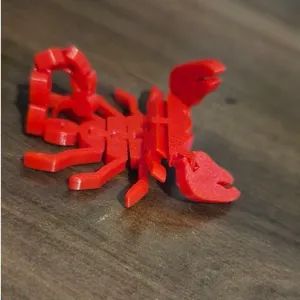
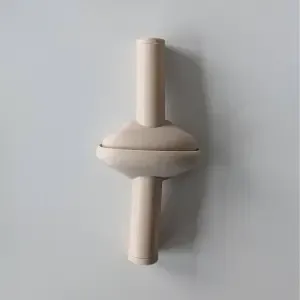
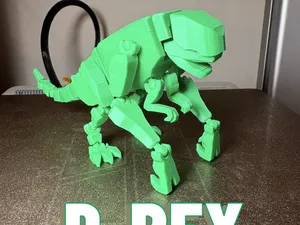
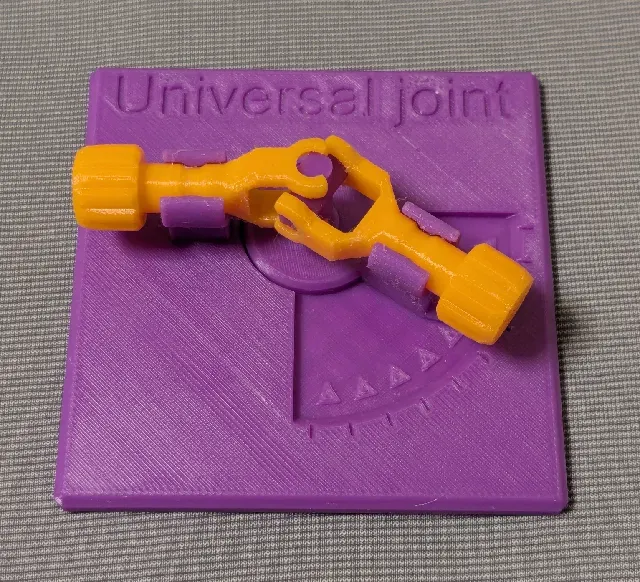
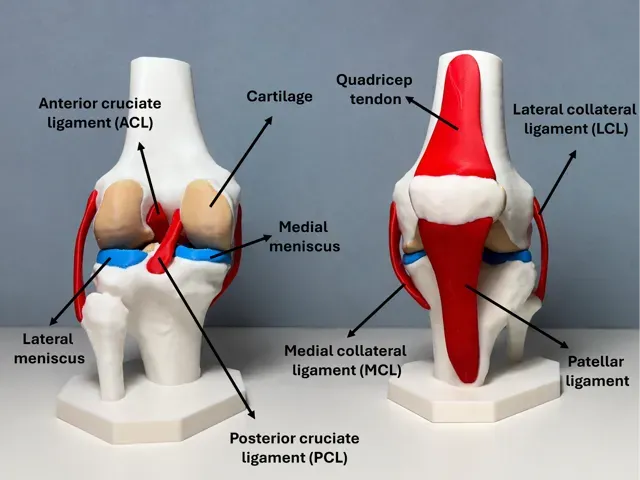
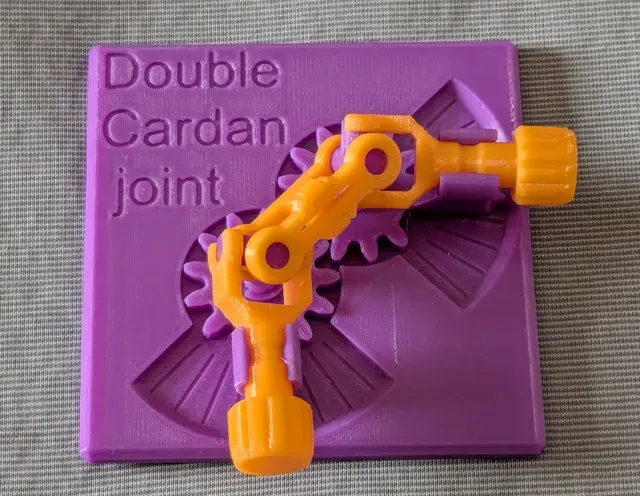
Anatomical models reproduce one specific joint — knee, elbow, hip or shoulder — and are usually built from scan data or simplified geometry. Educational functional models concentrate on movement: a hinge that bends like an elbow, a ball-and-socket that rotates in several directions. Mechanical joints such as Cardan or universal joints consist of yokes, pins and crosses, and sit closer to machine parts than to anatomy.
Before printing, open the author's page and check the scale and units, the number of separate parts, and whether supports or post-processing are needed. Look at the material and settings the author lists, and at photos of real prints, because clearances in a moving joint depend on the printer and the filament. In print-in-place designs the gap between surfaces matters more than the overall size.
Search terms can be widened: hinge, pivot, ball-and-socket, cardan, flexure, articulated, print-in-place. Related topics include educational anatomy, robotics linkages, mechanical prototypes and articulated figures. Combining a joint type with a purpose — classroom demonstration, mechanism test, model repair — narrows results faster than the joint name alone.
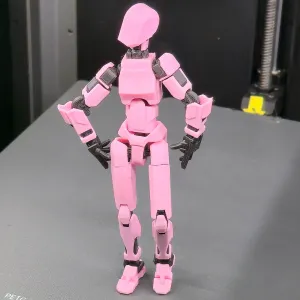

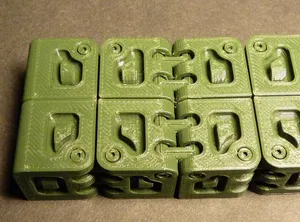


Le catalogue complet des thèmes, de la maison à la CNC, avec une recherche sur tous les sites connectés.