
Gratis 
Model Elbow Joint
Thingiverse
This collection gathers STL files for joint models, from anatomical knee and elbow replicas to universal and hinge joints used in mechanisms. Some are single-piece demonstration models, others are multi-part assemblies that move after printing. It gives you a starting point for 3D printing study aids, prototypes and articulated builds. Polyzon does not confirm whether models are free, their price, license, official status, affiliation, safety or fitness. Check the current terms at the source.
Il testo di questa raccolta è in inglese; la ricerca funziona in qualsiasi lingua.
 Una raccolta di Polyzon · 48 modelli da 4 siti
Polyzon compone questa raccolta a partire dai risultati di ricerca dei siti collegati. I doppioni e i modelli senza anteprima vengono rimossi, le corrispondenze deboli finiscono in fondo e il resto mantiene l’ordine dei risultati. I modelli appartengono ai rispettivi autori: verifica le condizioni sulla pagina di ciascun modello.
Criteri di selezione a cura della redazione di Polyzon · Testo aggiornato: 15/10/2026


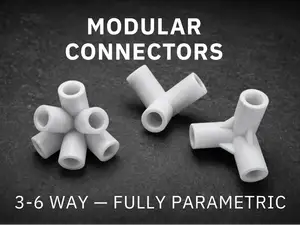
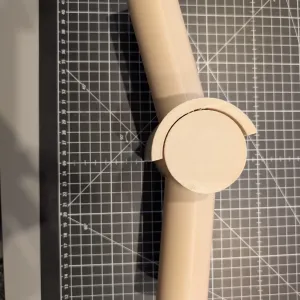




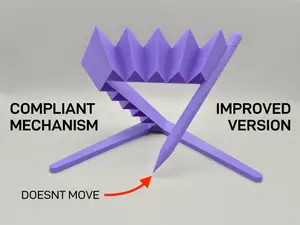








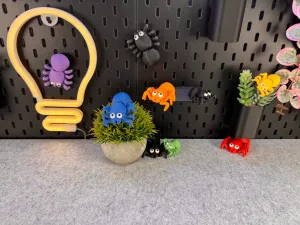


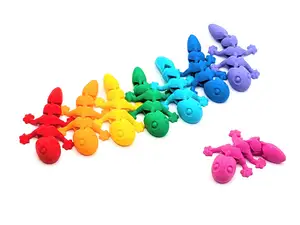
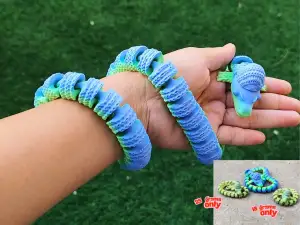





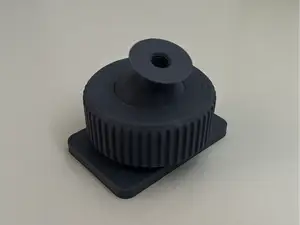
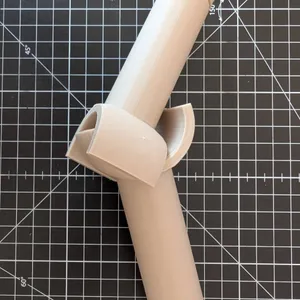


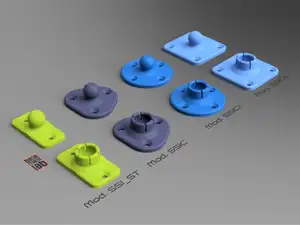





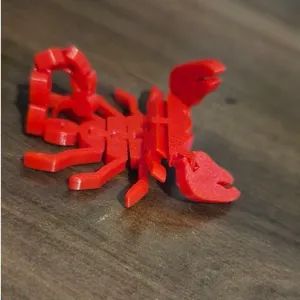
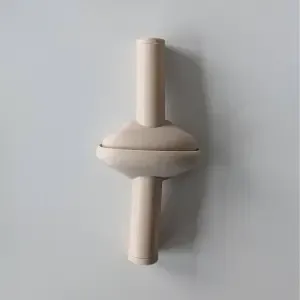
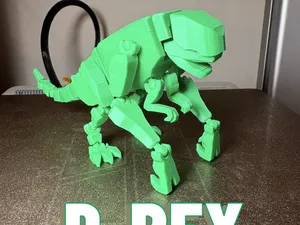
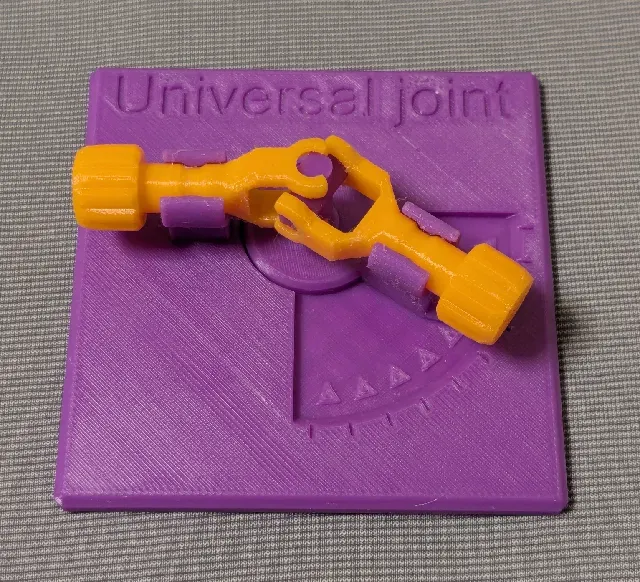
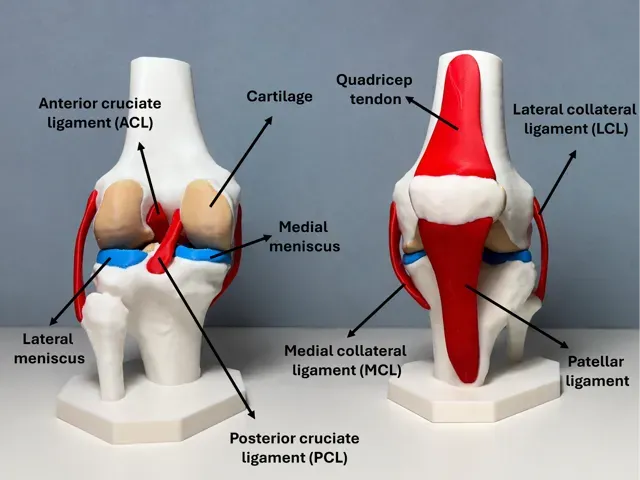
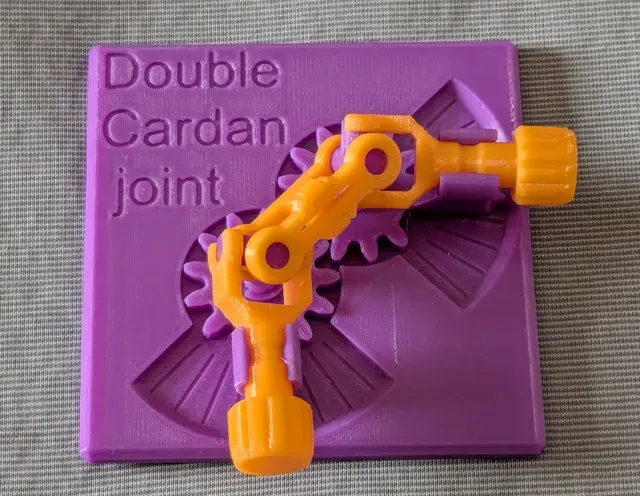
Anatomical models reproduce one specific joint — knee, elbow, hip or shoulder — and are usually built from scan data or simplified geometry. Educational functional models concentrate on movement: a hinge that bends like an elbow, a ball-and-socket that rotates in several directions. Mechanical joints such as Cardan or universal joints consist of yokes, pins and crosses, and sit closer to machine parts than to anatomy.
Before printing, open the author's page and check the scale and units, the number of separate parts, and whether supports or post-processing are needed. Look at the material and settings the author lists, and at photos of real prints, because clearances in a moving joint depend on the printer and the filament. In print-in-place designs the gap between surfaces matters more than the overall size.
Search terms can be widened: hinge, pivot, ball-and-socket, cardan, flexure, articulated, print-in-place. Related topics include educational anatomy, robotics linkages, mechanical prototypes and articulated figures. Combining a joint type with a purpose — classroom demonstration, mechanism test, model repair — narrows results faster than the joint name alone.



Il catalogo completo dei temi, dalla casa alla lavorazione CNC, con ricerca su tutti i siti collegati.