Gratuit 
Display Stand for Cube Models
Thingiverse
This collection gathers cube-shaped 3D models: calibration blocks, folding fidget cubes, dice, game-style cube characters and small cube figurines. It helps when you want a quick test print, a pocket-sized toy or a simple shape to build a larger project around. Most files are plain STL or OBJ, so a basic FDM 3D printer can handle them. Polyzon does not confirm whether models are free, their price, license, official status, affiliation, safety or fitness. Check the current terms at the source.
Le texte de cette collection est rédigé en anglais ; la recherche, elle, fonctionne dans toutes les langues.
 Une collection Polyzon · 48 modèles sur 4 plateformes
Polyzon compose cette collection à partir des résultats de recherche des plateformes connectées. Les doublons et les modèles sans aperçu sont retirés, les correspondances faibles sont placées à la fin, et le reste suit l’ordre de la recherche. Les modèles appartiennent à leurs auteurs : consultez les conditions sur la page de chaque modèle.
Règles de sélection : la rédaction de Polyzon · Texte mis à jour le 15/10/2026


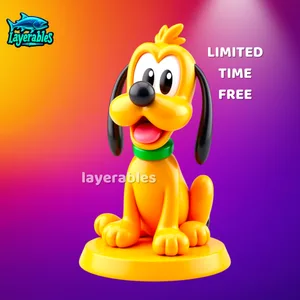
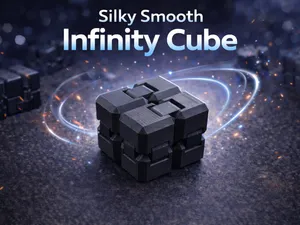
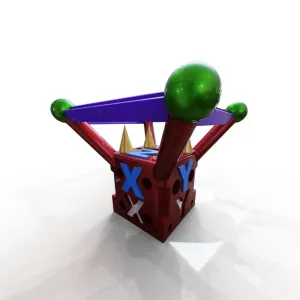


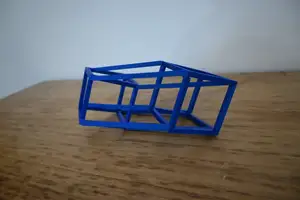
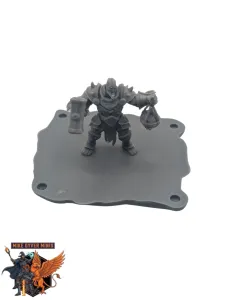


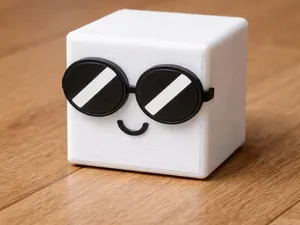


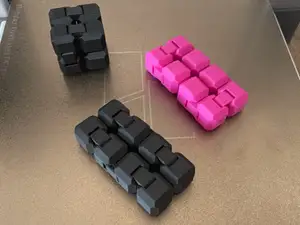
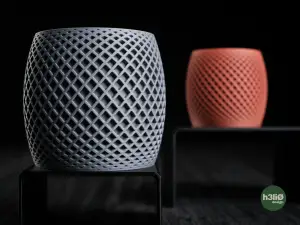


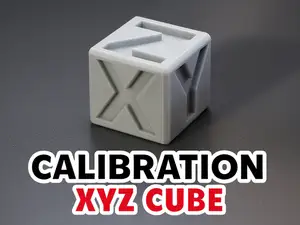


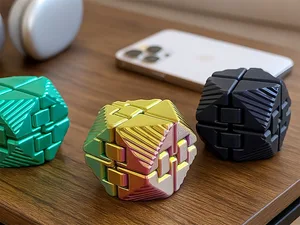

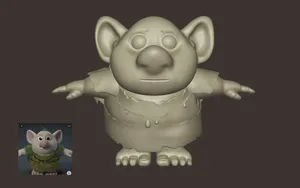
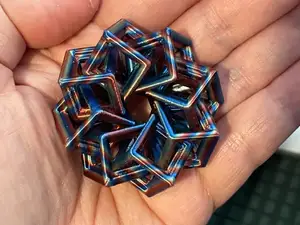
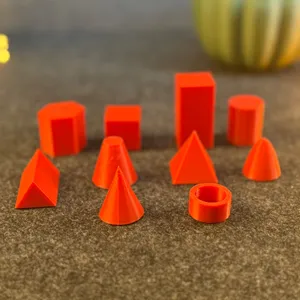


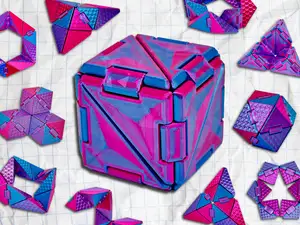
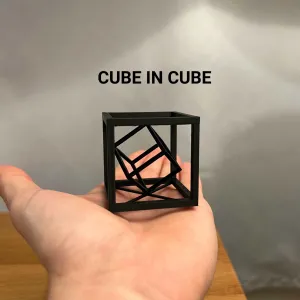


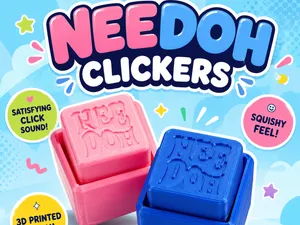
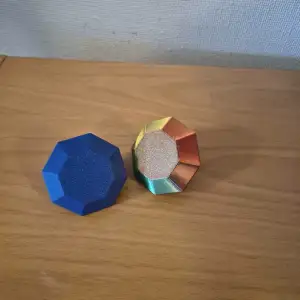

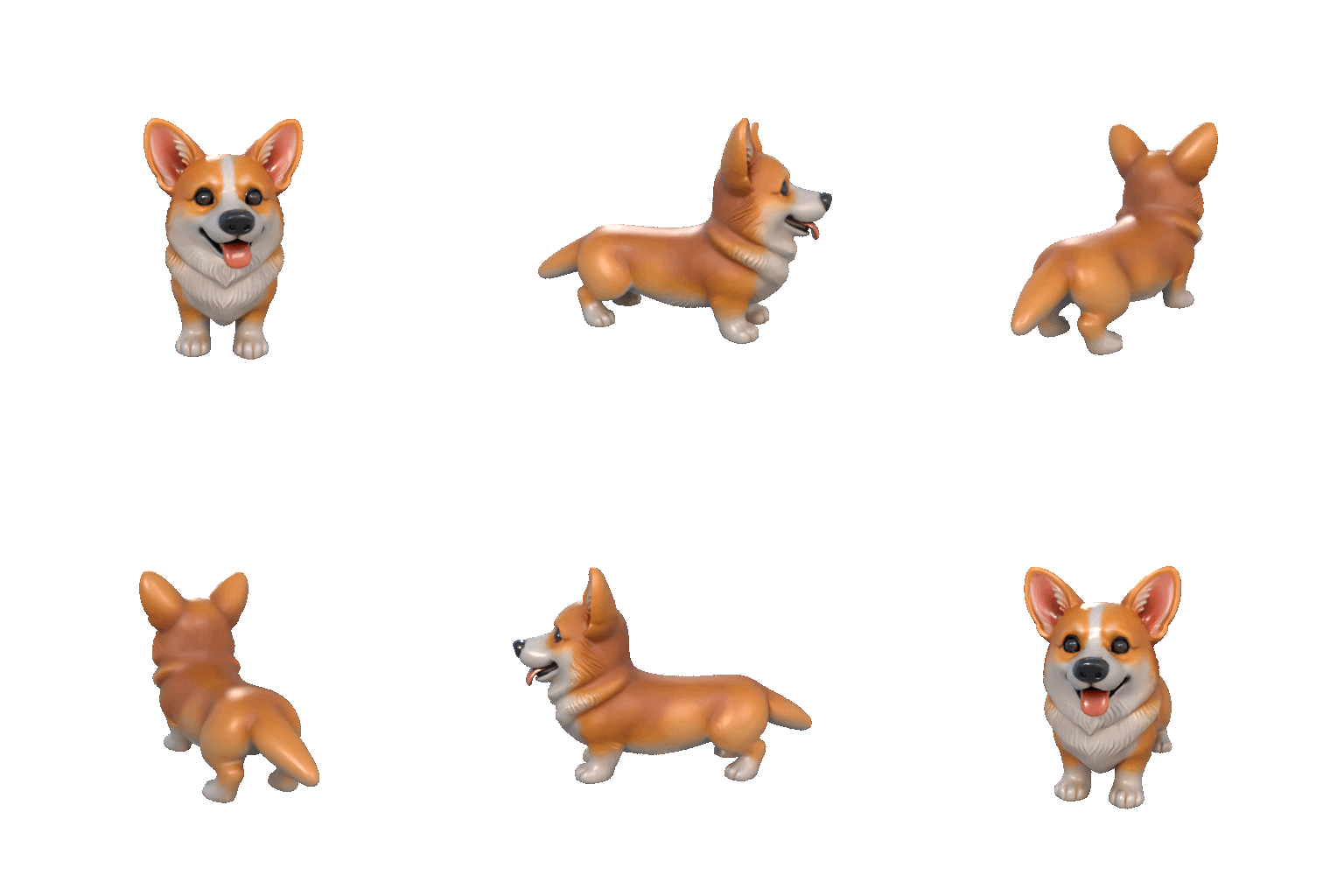
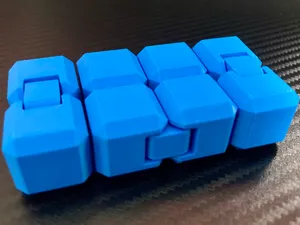
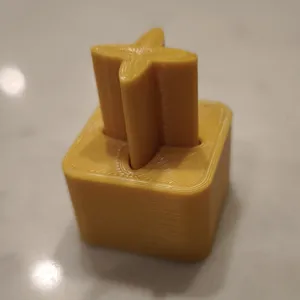


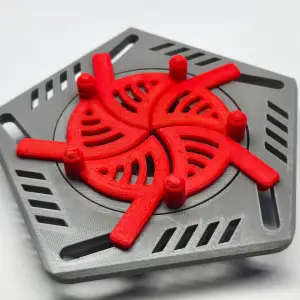

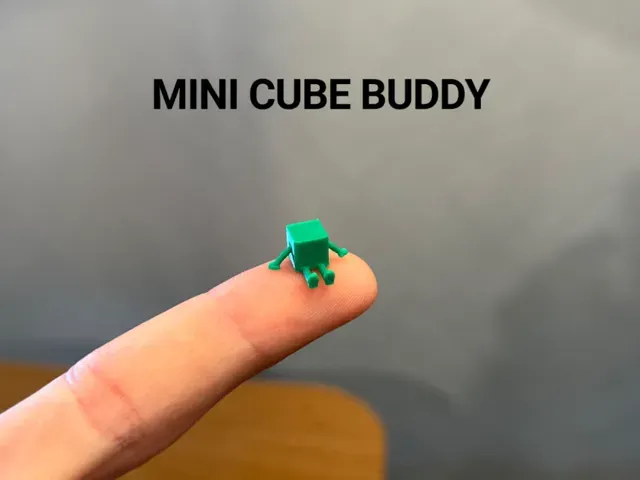
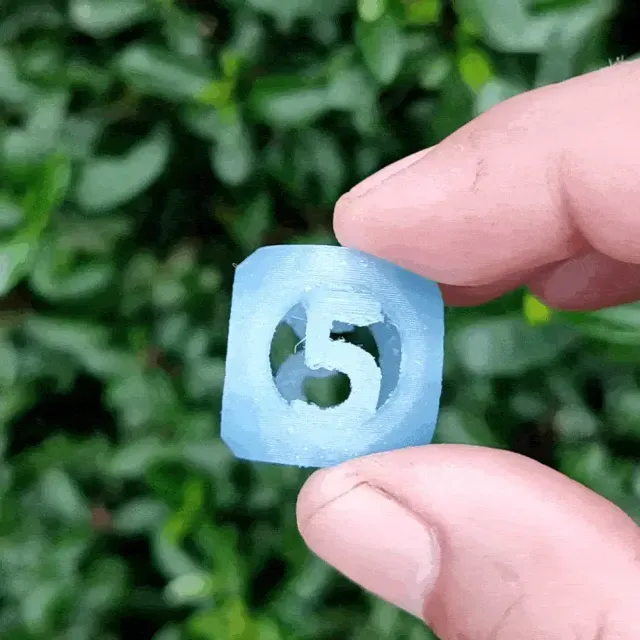
The kinds differ mostly in what they are for. Calibration cubes are plain blocks with known dimensions, sometimes split into several sizes or variants. Fidget and infinity cubes are made of linked or hinged parts that fold and move, so they print as assemblies rather than single solids. Game-style cubes and cube characters are decorative, often with flat faces for colour or a small stand. Dice and tabletop pieces sit between the two: simple geometry, but with numbers or symbols that need to stay readable.
Before printing, open the author's page and check the listed size and scale, since a cube that looks small on screen can be a few centimetres or much larger. Look at the part count and whether the model needs assembly, glue or pins, and whether the author mentions supports or a brim. For moving cubes, the clearance between parts matters more than the outer shape, so read the recommended layer height and material. Photos of real prints show how the corners, hinges and thin walls came out.
You can widen or narrow the search with related terms. Try calibration block, test cube, tolerance test or XYZ cube for measurement prints; fidget, puzzle, folding or infinity for moving toys; dice, D20, counter or token for tabletop pieces; and chibi, pixel, low-poly or container for decorative and storage cubes. Adding the material or printer type you use, such as PLA or resin, usually shortens the list. If a result is close but not right, searching the shape instead of the name often turns up more options.


Le catalogue complet des thèmes, de la maison à la CNC, avec une recherche sur tous les sites connectés.