無料 
Display Stand for Cube Models
Thingiverse
This collection gathers cube-shaped 3D models: calibration blocks, folding fidget cubes, dice, game-style cube characters and small cube figurines. It helps when you want a quick test print, a pocket-sized toy or a simple shape to build a larger project around. Most files are plain STL or OBJ, so a basic FDM 3D printer can handle them. Polyzon does not confirm whether models are free, their price, license, official status, affiliation, safety or fitness. Check the current terms at the source.
このコレクションの本文は英語で書かれています。検索自体はどの言語でも使えます。
 Polyzonのコレクション · モデル48件 4サイトから収集
このコレクションは、Polyzonが対応サイトの検索結果をもとに作成しています。重複やプレビューのないモデルは除外し、関連性の低いものは後ろに回し、それ以外は検索結果の順に並べています。モデルの権利は各作者にあります。利用条件は各モデルのページでご確認ください。
選定基準:Polyzon編集部 · 本文の更新日:2026年10月15日
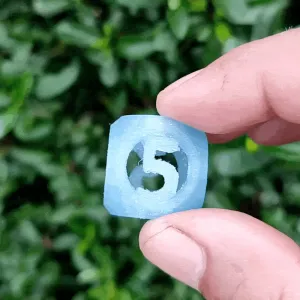

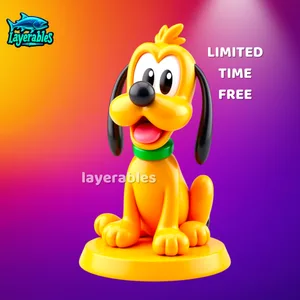
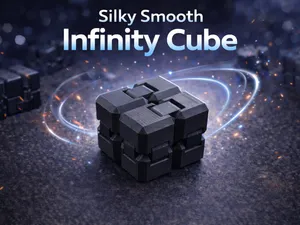
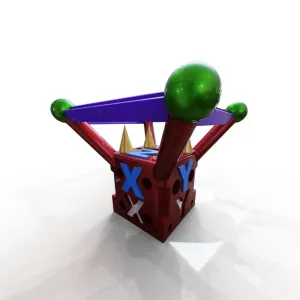


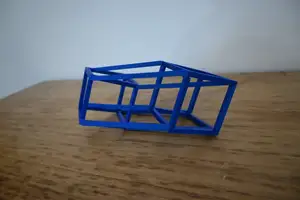

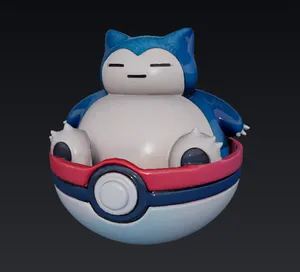
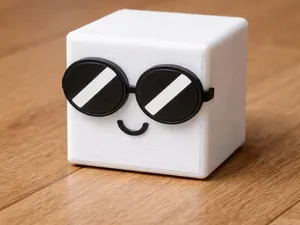
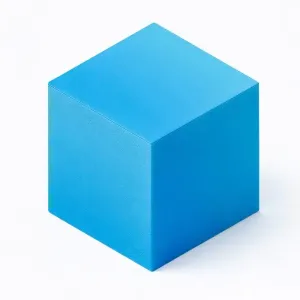


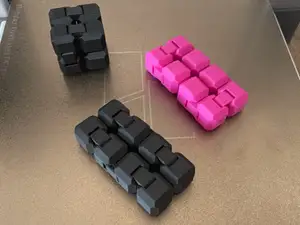
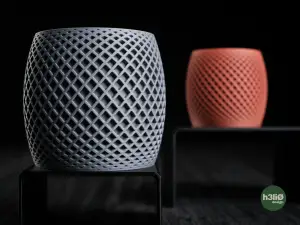


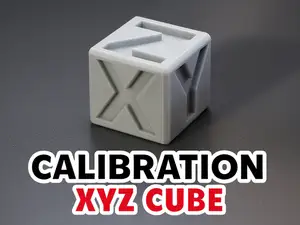


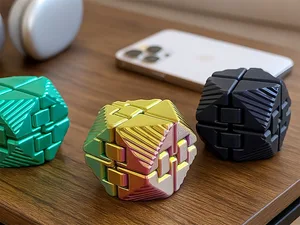
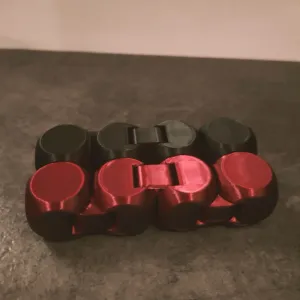

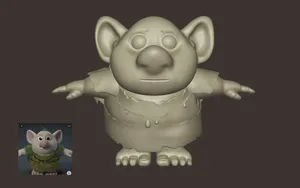
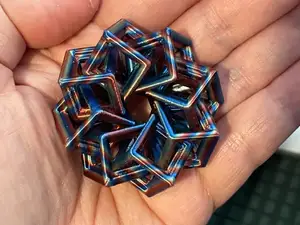
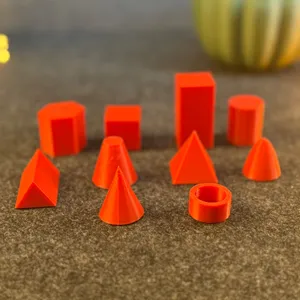


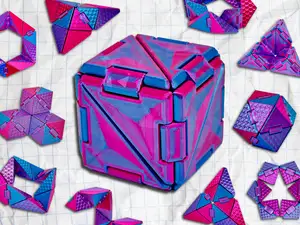
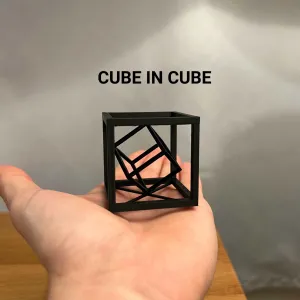


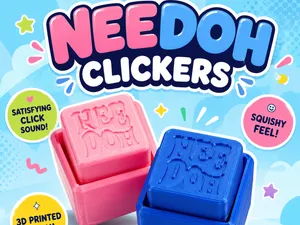
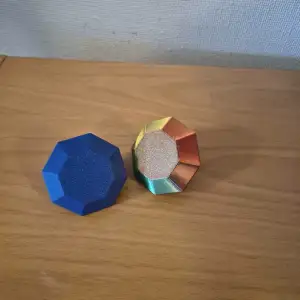

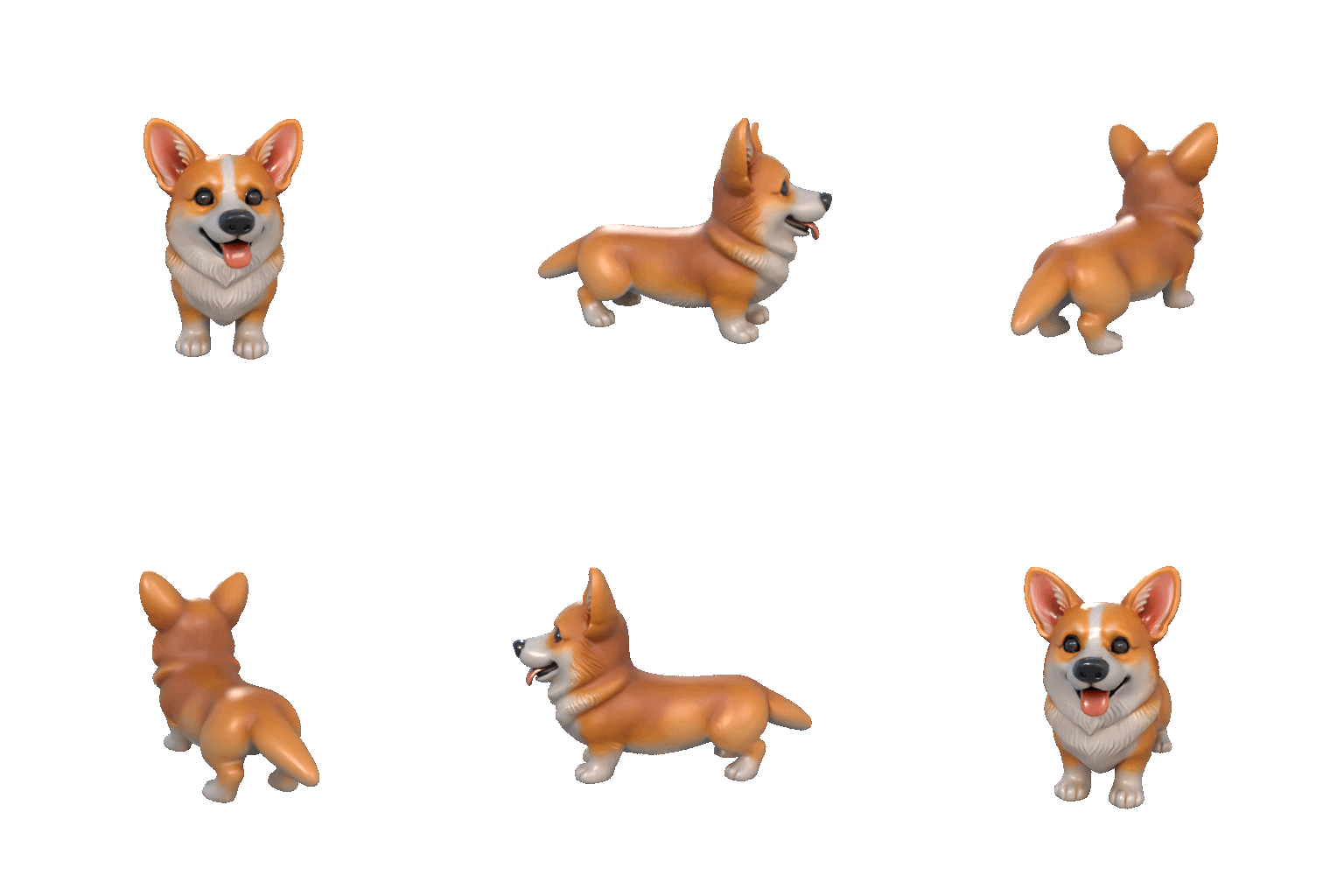
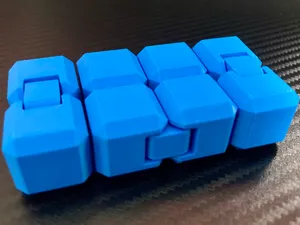
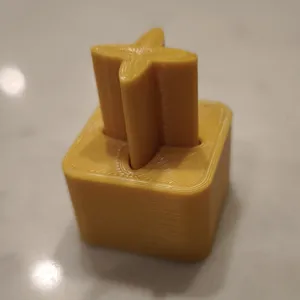


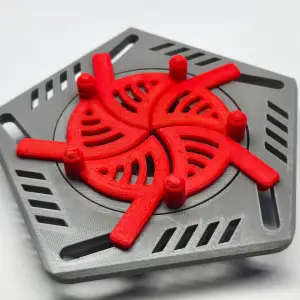

The kinds differ mostly in what they are for. Calibration cubes are plain blocks with known dimensions, sometimes split into several sizes or variants. Fidget and infinity cubes are made of linked or hinged parts that fold and move, so they print as assemblies rather than single solids. Game-style cubes and cube characters are decorative, often with flat faces for colour or a small stand. Dice and tabletop pieces sit between the two: simple geometry, but with numbers or symbols that need to stay readable.
Before printing, open the author's page and check the listed size and scale, since a cube that looks small on screen can be a few centimetres or much larger. Look at the part count and whether the model needs assembly, glue or pins, and whether the author mentions supports or a brim. For moving cubes, the clearance between parts matters more than the outer shape, so read the recommended layer height and material. Photos of real prints show how the corners, hinges and thin walls came out.
You can widen or narrow the search with related terms. Try calibration block, test cube, tolerance test or XYZ cube for measurement prints; fidget, puzzle, folding or infinity for moving toys; dice, D20, counter or token for tabletop pieces; and chibi, pixel, low-poly or container for decorative and storage cubes. Adding the material or printer type you use, such as PLA or resin, usually shortens the list. If a result is close but not right, searching the shape instead of the name often turns up more options.


暮らし・日用品からCNCまで、すべてのテーマをそろえたカタログ。対応サイトを横断して検索できます。