
Gratuit 
Nutcracker
Thingiverse
This collection gathers STL files for mold formwork, shape stamps and templates used to shape, press or cast material. It covers flat geometric outlines as well as hollow forms, teaching aids and larger decorative pieces. Each listing leads to its own source page, where the author describes the model. Polyzon does not confirm whether models are free, their price, license, official status, affiliation, safety or fitness. Check the current terms at the source.
Le texte de cette collection est rédigé en anglais ; la recherche, elle, fonctionne dans toutes les langues.
 Une collection Polyzon · 40 modèles sur 3 plateformes
Polyzon compose cette collection à partir des résultats de recherche des plateformes connectées. Les doublons et les modèles sans aperçu sont retirés, les correspondances faibles sont placées à la fin, et le reste suit l’ordre de la recherche. Les modèles appartiennent à leurs auteurs : consultez les conditions sur la page de chaque modèle.
Règles de sélection : la rédaction de Polyzon · Texte mis à jour le 14/10/2026



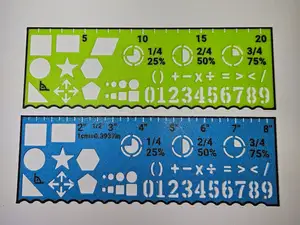

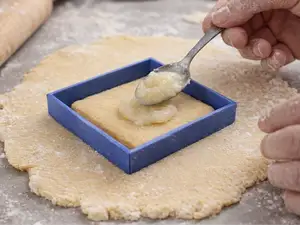

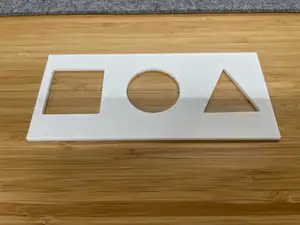

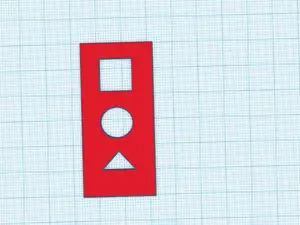


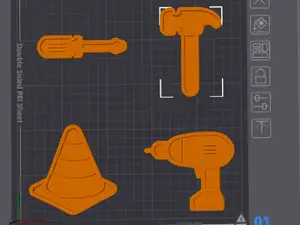



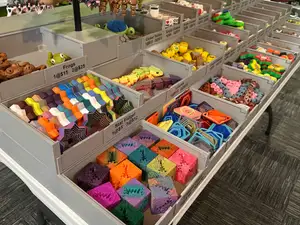

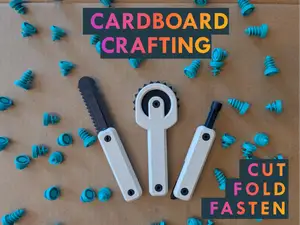

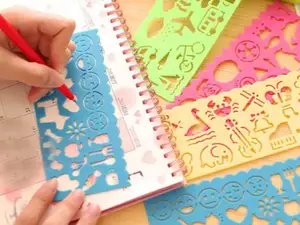

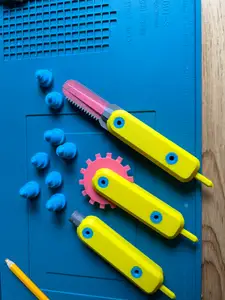

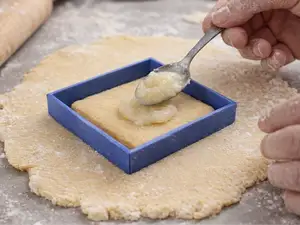

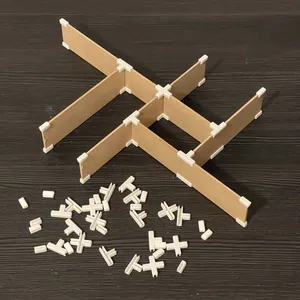

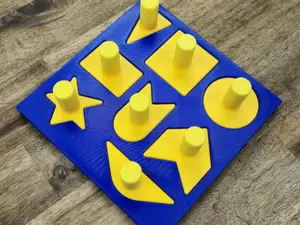

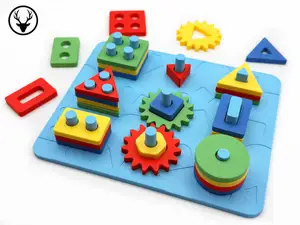

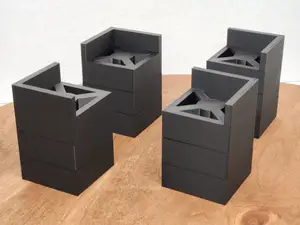
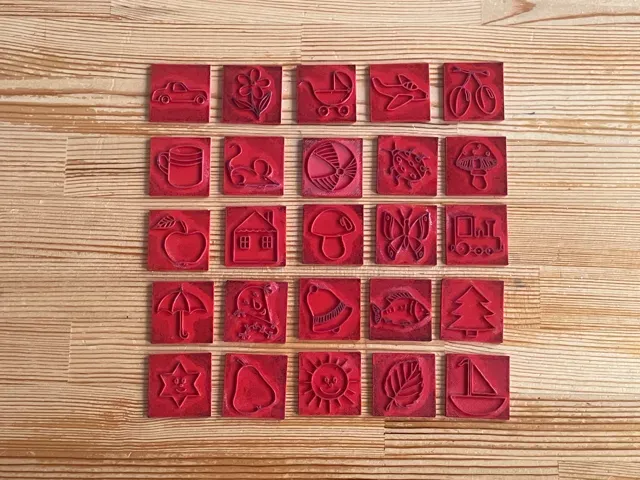
Shape stamps and stencils form the largest group: flat outlines, letters, numbers and simple geometry meant to press into clay, dough or plaster. Molds and casting forms are usually hollow or split into two parts, so wall thickness and draft angle matter more than fine surface detail. Educational templates and decorative sculptures sit at the other end — often larger, divided into several pieces, and assembled after 3D printing.
On the author's model page, look at the stated size and scale, the number of parts, and whether the file is split for printing or meant to come off the plate as one piece. Check whether supports are needed and where they would land, since support marks are difficult to sand out of a mold cavity. The material and settings the author lists, together with photos of real prints, describe the result more accurately than a render does.
If a search returns too little, try synonyms: form, mould, mold, cast, stamp, stencil, template, die, pattern. Adjacent topics such as clay cutters, plaster molds, resin casting, dough tools or vacuum forming bring up related results. Narrowing by object — letters, numbers, geometric shapes, animal figures — usually helps more than adding adjectives.
Scaling is the most common source of trouble: enlarging or shrinking a file changes wall thickness and the fit between mating parts, so compare the minimum wall thickness with your nozzle before you commit. For repeated casting, rigid materials hold their shape across many pours, while flexible ones release more easily but distort under load. If a model is split, dry-fit the parts first and only then decide on glue or mechanical joins.



Le catalogue complet des thèmes, de la maison à la CNC, avec une recherche sur tous les sites connectés.