
免费 
Nutcracker
Thingiverse
This collection gathers STL files for mold formwork, shape stamps and templates used to shape, press or cast material. It covers flat geometric outlines as well as hollow forms, teaching aids and larger decorative pieces. Each listing leads to its own source page, where the author describes the model. Polyzon does not confirm whether models are free, their price, license, official status, affiliation, safety or fitness. Check the current terms at the source.
本合集的文字为英文,搜索本身支持任何语言。
 Polyzon合集 · 40个模型 来自3个平台
此合集由Polyzon根据已接入平台的搜索结果整理而成:去除重复项和没有预览图的模型,匹配度低的排在最后,其余按搜索结果顺序排列。模型归作者所有——请在各模型页面查看使用条款。
筛选规则:Polyzon编辑部 · 文字更新于2026年10月14日

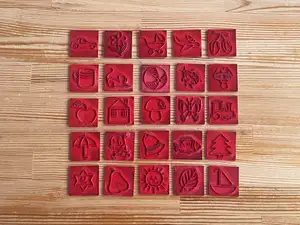

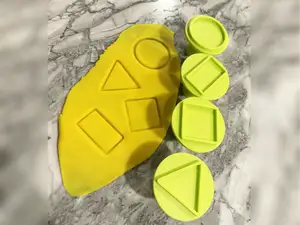

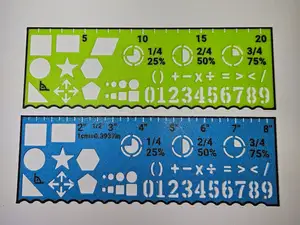



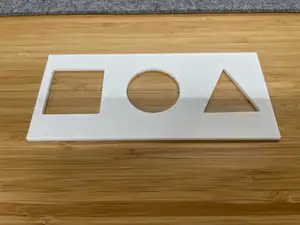

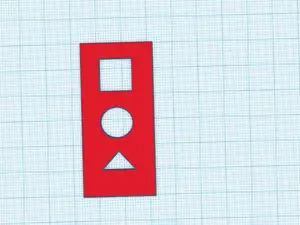


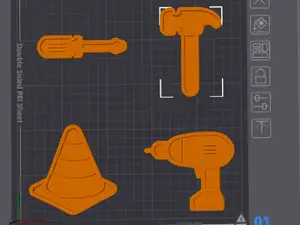



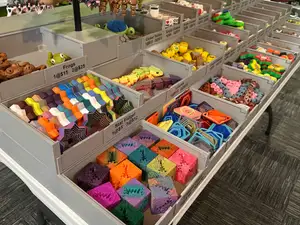

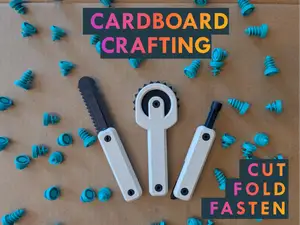

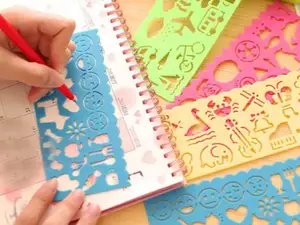

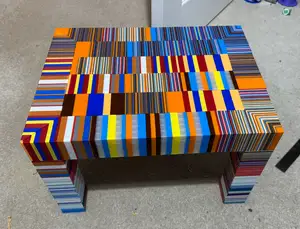
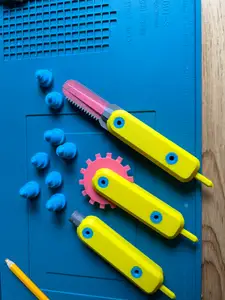



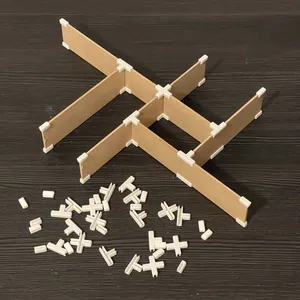

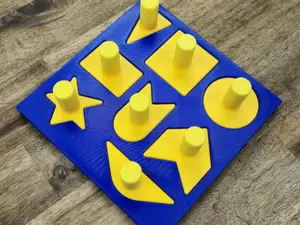



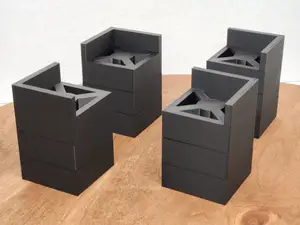
Shape stamps and stencils form the largest group: flat outlines, letters, numbers and simple geometry meant to press into clay, dough or plaster. Molds and casting forms are usually hollow or split into two parts, so wall thickness and draft angle matter more than fine surface detail. Educational templates and decorative sculptures sit at the other end — often larger, divided into several pieces, and assembled after 3D printing.
On the author's model page, look at the stated size and scale, the number of parts, and whether the file is split for printing or meant to come off the plate as one piece. Check whether supports are needed and where they would land, since support marks are difficult to sand out of a mold cavity. The material and settings the author lists, together with photos of real prints, describe the result more accurately than a render does.
If a search returns too little, try synonyms: form, mould, mold, cast, stamp, stencil, template, die, pattern. Adjacent topics such as clay cutters, plaster molds, resin casting, dough tools or vacuum forming bring up related results. Narrowing by object — letters, numbers, geometric shapes, animal figures — usually helps more than adding adjectives.
Scaling is the most common source of trouble: enlarging or shrinking a file changes wall thickness and the fit between mating parts, so compare the minimum wall thickness with your nozzle before you commit. For repeated casting, rigid materials hold their shape across many pours, while flexible ones release more easily but distort under load. If a model is split, dry-fit the parts first and only then decide on glue or mechanical joins.
完整的主题目录:从家居日用到CNC,均可在已接入的来源平台中搜索。