Gratuit 
Customizable Vacuum Tool
Thingiverse
This collection gathers 3D models that connect a vacuum cleaner to hoses, nozzles and workshop tools. It covers fixed-diameter reducers, parametric generators and replacement parts for common household and shop vacuums. Every listing links to the author's page, where you can read the dimensions before sending the file to a 3D printer. Polyzon does not confirm whether models are free, their price, license, official status, affiliation, safety or fitness. Check the current terms at the source.
Le texte de cette collection est rédigé en anglais ; la recherche, elle, fonctionne dans toutes les langues.
 Une collection Polyzon · 48 modèles sur 5 plateformes
Polyzon compose cette collection à partir des résultats de recherche des plateformes connectées. Les doublons et les modèles sans aperçu sont retirés, les correspondances faibles sont placées à la fin, et le reste suit l’ordre de la recherche. Les modèles appartiennent à leurs auteurs : consultez les conditions sur la page de chaque modèle.
Règles de sélection : la rédaction de Polyzon · Texte mis à jour le 14/10/2026


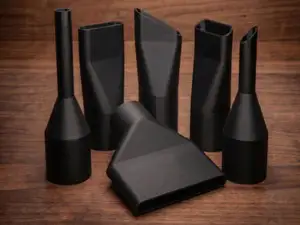
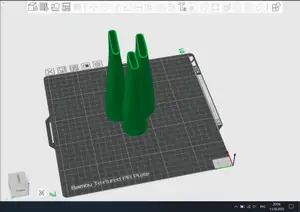
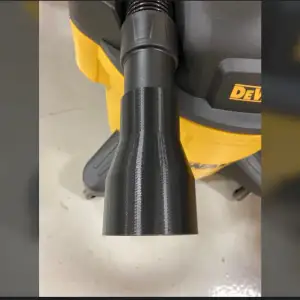

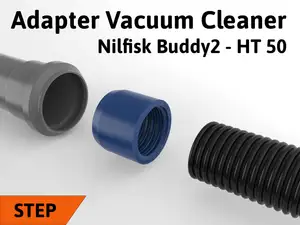
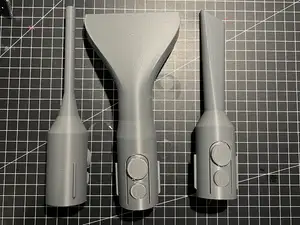
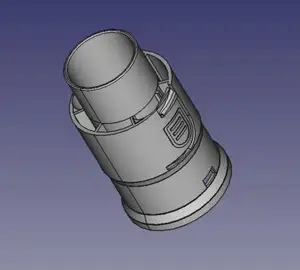
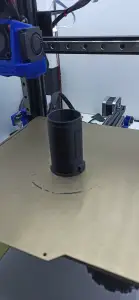

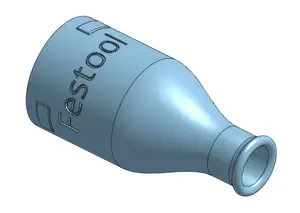
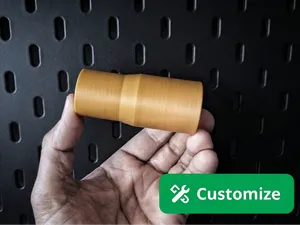
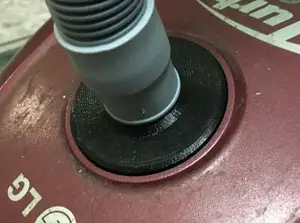
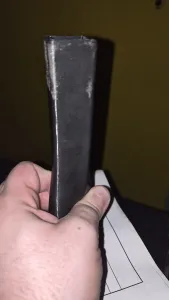


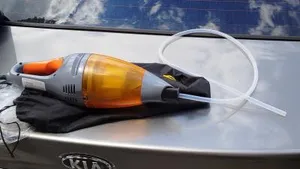
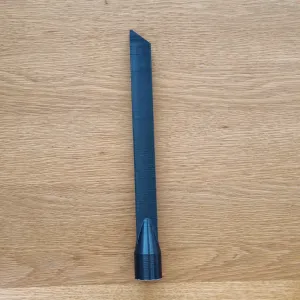

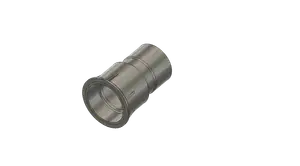
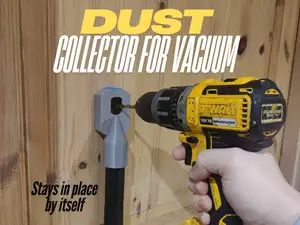
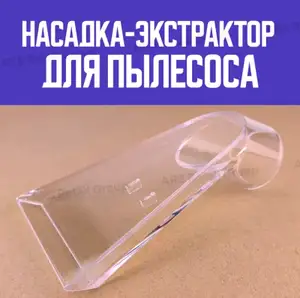
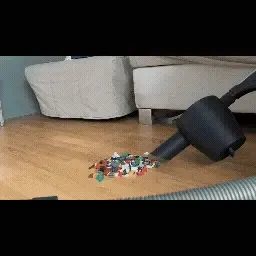


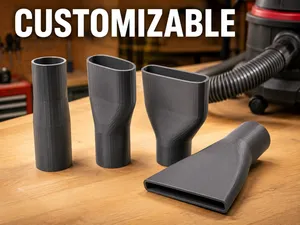
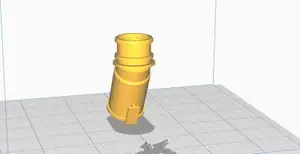
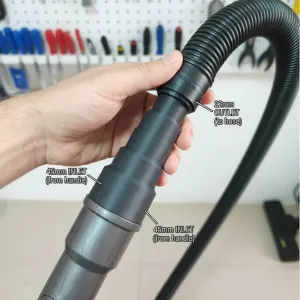

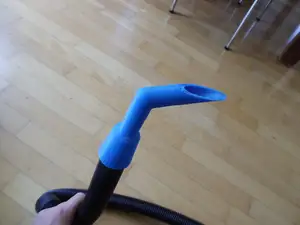
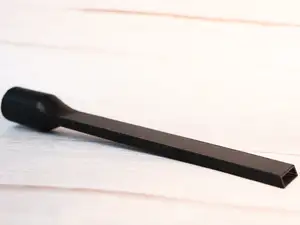
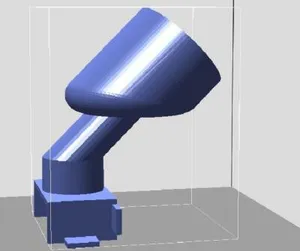
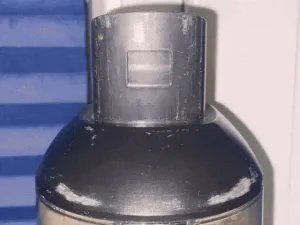


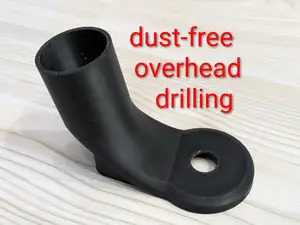
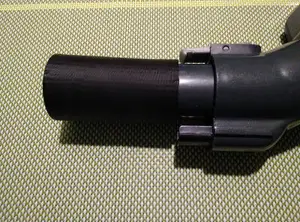
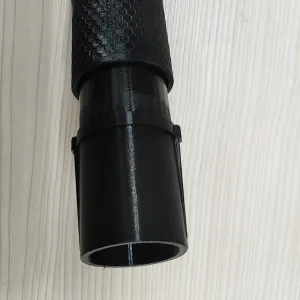


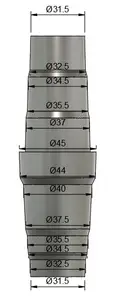
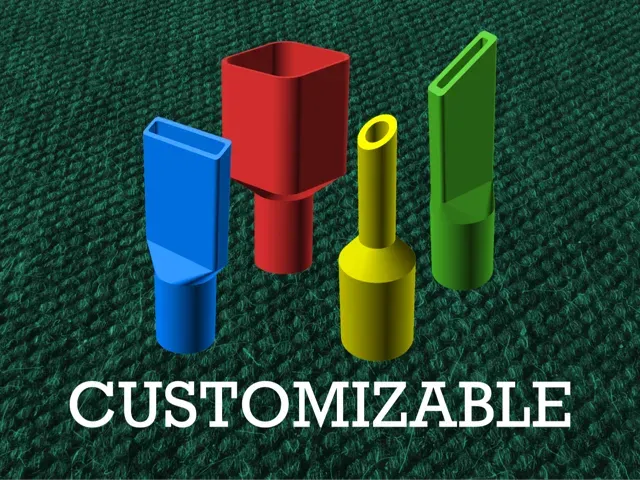
The models fall into a few groups. Diameter adapters step one hose size down to another, while nozzle attachments add a round, flat or brush tip to the same hose end. Parametric generators let you type in the two diameters you measured and export a matching STL. A separate group reproduces the connector of a particular vacuum, and another covers workshop uses such as collecting drill dust or inflating something with the exhaust airflow.
Before printing, compare the inner and outer diameters of your hose, wand and tool socket with the dimensions the author lists, and note whether the model uses a straight or tapered joint. Check the wall thickness and whether the part is meant to be pushed in or slipped over, since a friction fit depends on both. Look at the material and settings the author mentions, whether supports are needed for overhangs, and photos of real prints to judge how the part behaves in use.
If the first search gives little, try synonyms: hose adapter, reducer, connector, nozzle, crevice tool, dust port, shop vacuum attachment. Related topics are worth a look as well, including cyclone separators, dust collectors, hose couplings and replacement wands. Combining a diameter with a search term, or the word parametric, often narrows the results faster than the topic alone.


Le catalogue complet des thèmes, de la maison à la CNC, avec une recherche sur tous les sites connectés.