Gratuit 
Pipe wall cover (customizable)
Thingiverse
This collection gathers 3D models that hide or finish the point where a pipe meets a wall, a floor or another surface. It covers wall rosettes, end caps, collars and parametric generators, so most common diameters and shapes have a starting point. Each entry links to a model page you can open in a slicer and prepare for 3D printing. Polyzon does not confirm whether models are free, their price, license, official status, affiliation, safety or fitness. Check the current terms at the source.
Le texte de cette collection est rédigé en anglais ; la recherche, elle, fonctionne dans toutes les langues.
 Une collection Polyzon · 47 modèles sur 4 plateformes
Polyzon compose cette collection à partir des résultats de recherche des plateformes connectées. Les doublons et les modèles sans aperçu sont retirés, les correspondances faibles sont placées à la fin, et le reste suit l’ordre de la recherche. Les modèles appartiennent à leurs auteurs : consultez les conditions sur la page de chaque modèle.
Règles de sélection : la rédaction de Polyzon · Texte mis à jour le 14/10/2026


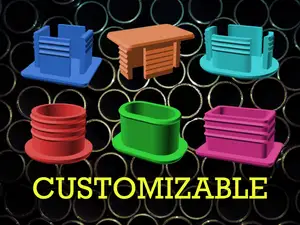
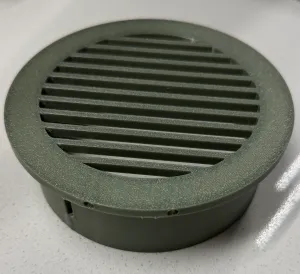

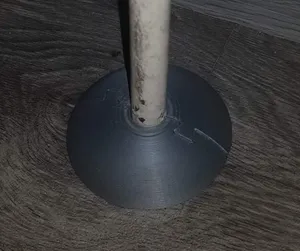
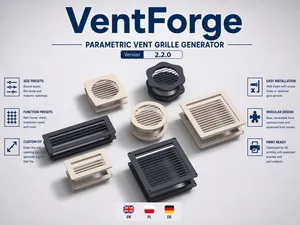
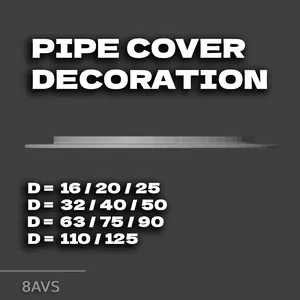


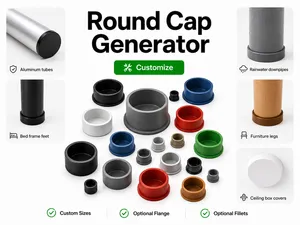
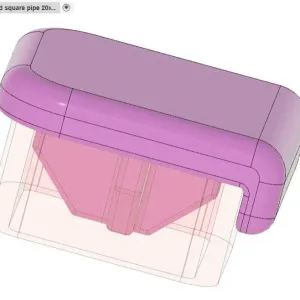



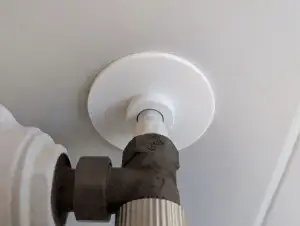

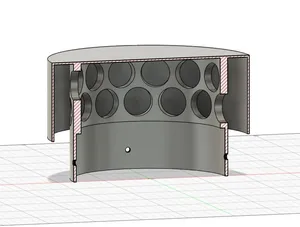
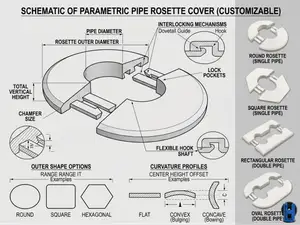
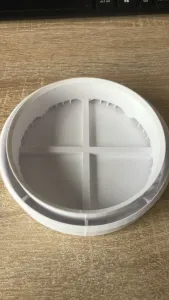


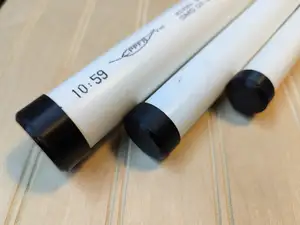
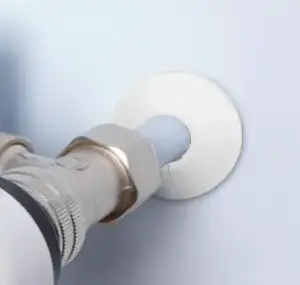



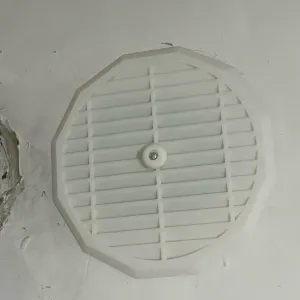


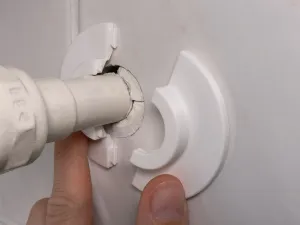

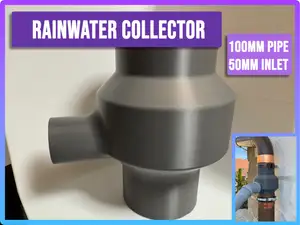
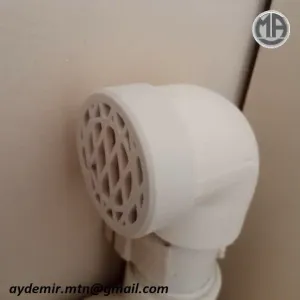


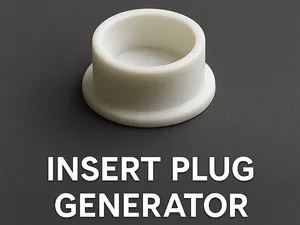
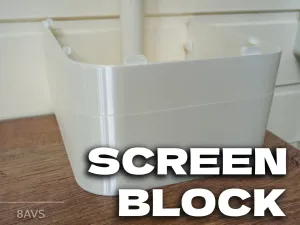


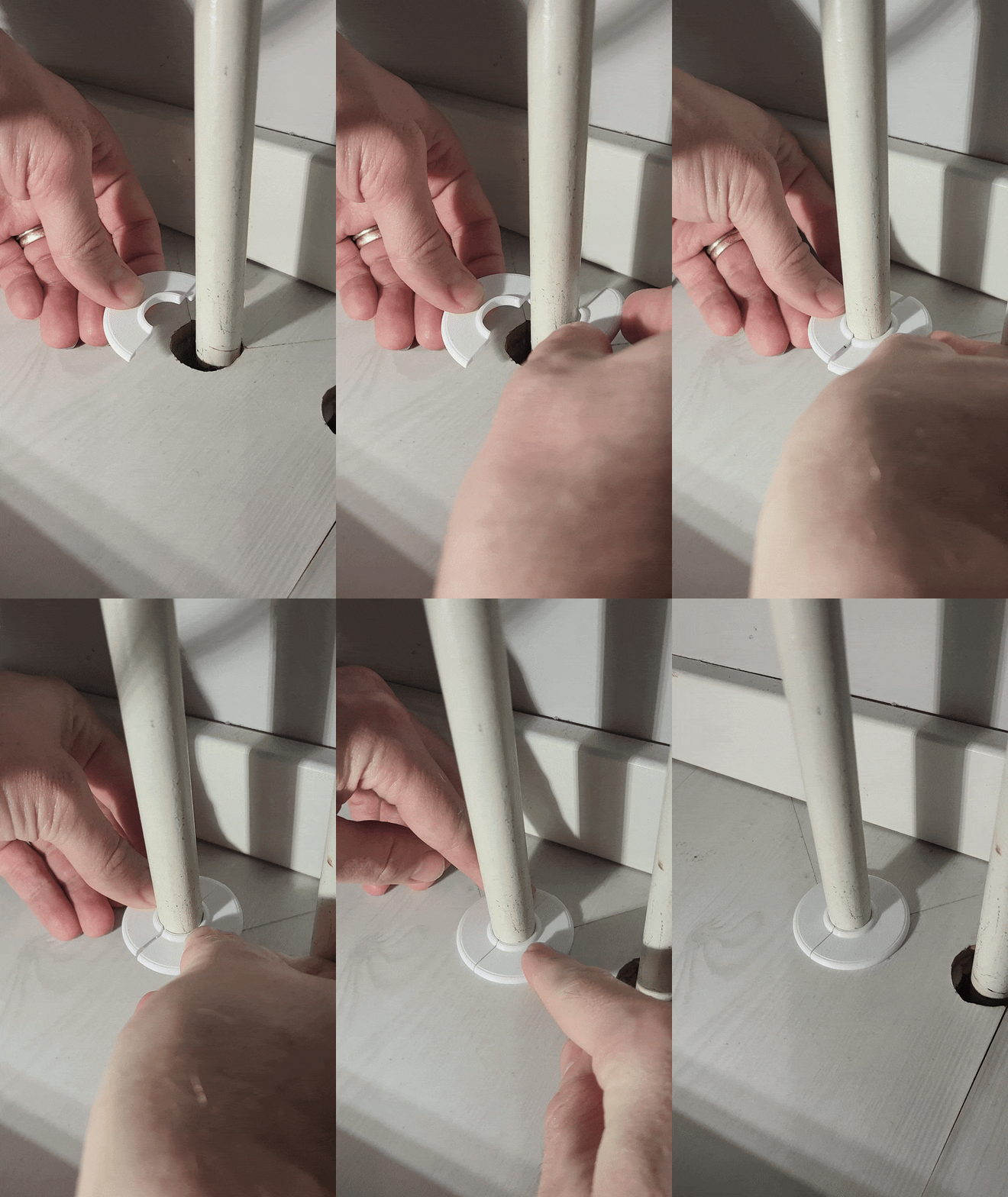

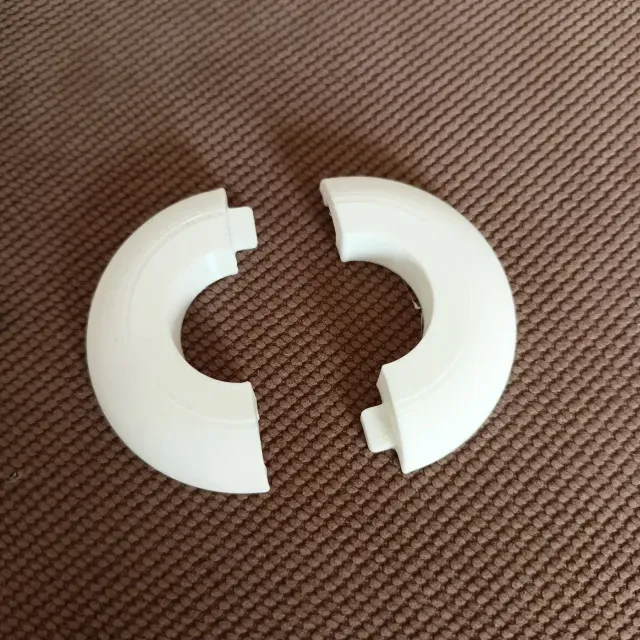
The models fall into a few groups. Rosettes and escutcheons are flat rings that sit against the wall around a radiator or heating pipe and close the gap left by drilling. End caps close an open pipe end, often for PVC or drainage pipes, while collars and sleeves wrap a pipe where it stays visible. Parametric generators take a different approach: instead of a fixed shape, they produce a ring or cover at the diameter and wall thickness you enter.
Before printing, compare the pipe's outer diameter with the inner diameter the author lists, and allow a little clearance so the part slides on without force. Look at the wall thickness, the number of parts, and whether the model is split so it can be printed without supports. For pipes that carry heat, read the material and settings the author names, and check photos of real prints to judge how the surface and fit turned out.
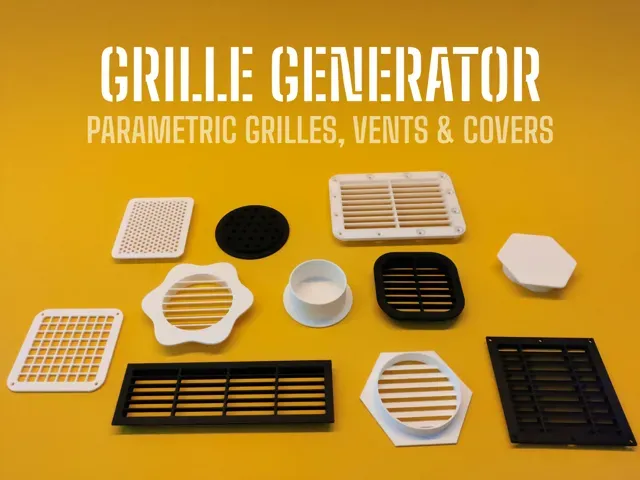
If the first search is thin, try the terms used in this field: rosette, escutcheon, collar, flange, grommet, sleeve, end cap. Adding the context helps too — radiator, heating, drain, PVC, square tube, or a diameter in millimetres. Related topics such as vent grilles, cable pass-throughs and hole covers often use the same ring geometry and can be adapted.


Le catalogue complet des thèmes, de la maison à la CNC, avec une recherche sur tous les sites connectés.