
Gratuit 
Printable mini HiFi
Thingiverse
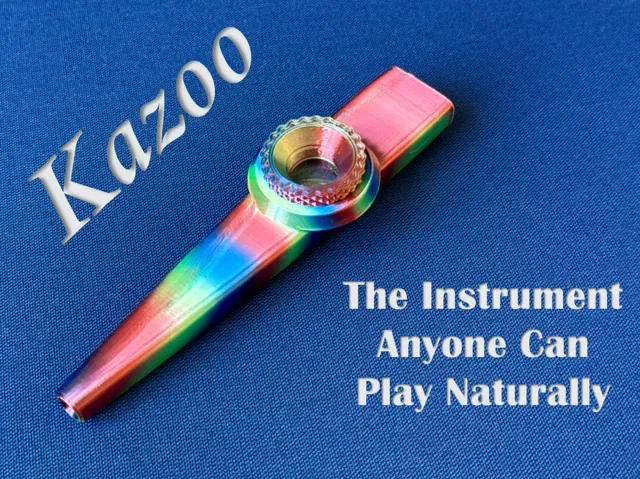
This collection gathers 3D models that produce or shape sound, from small whistles to ocarinas, recorders and music boxes. It is useful when you want a 3D printing project that ends in something you can hear rather than only see. The list also covers decorative pieces tied to audio, such as panels and wall art. Polyzon does not confirm whether models are free, their price, license, official status, affiliation, safety or fitness. Check the current terms at the source.
Le texte de cette collection est rédigé en anglais ; la recherche, elle, fonctionne dans toutes les langues.
 Une collection Polyzon · 48 modèles sur 3 plateformes
Polyzon compose cette collection à partir des résultats de recherche des plateformes connectées. Les doublons et les modèles sans aperçu sont retirés, les correspondances faibles sont placées à la fin, et le reste suit l’ordre de la recherche. Les modèles appartiennent à leurs auteurs : consultez les conditions sur la page de chaque modèle.
Règles de sélection : la rédaction de Polyzon · Texte mis à jour le 15/10/2026



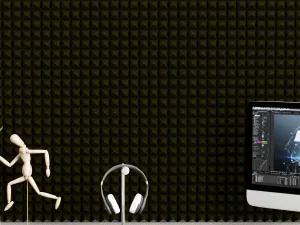

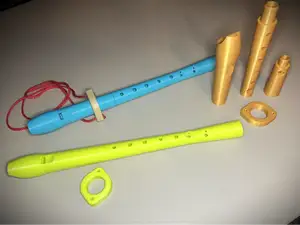
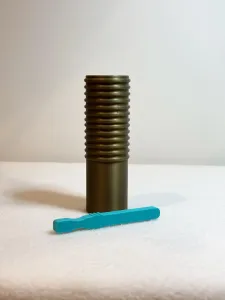

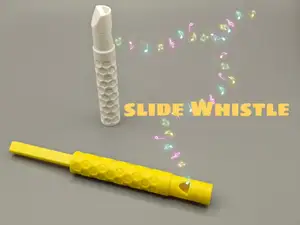
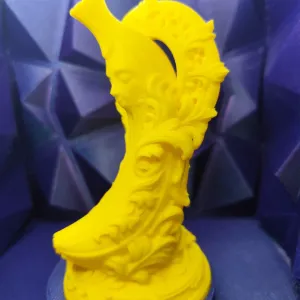

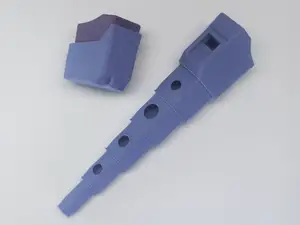

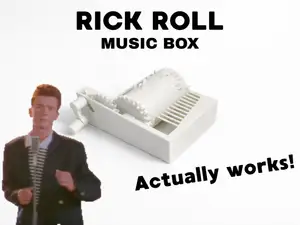
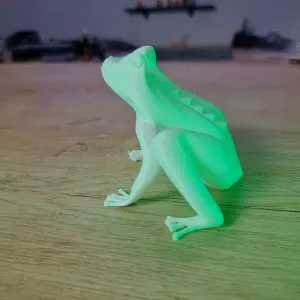


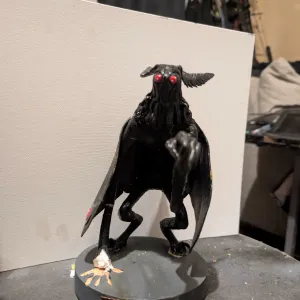

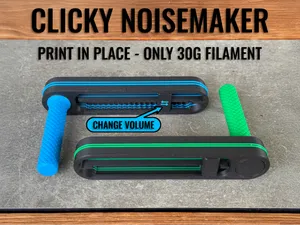
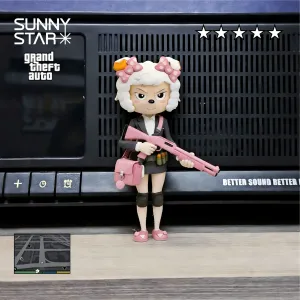

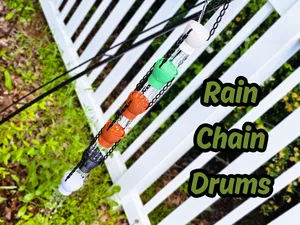
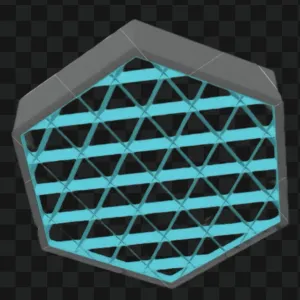


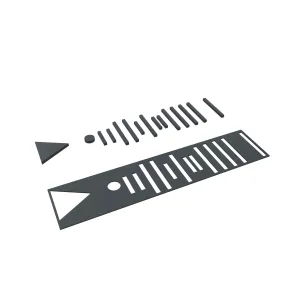

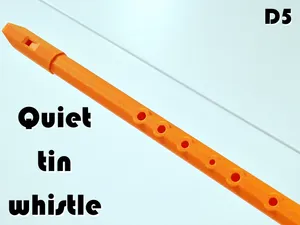


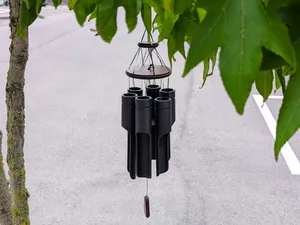
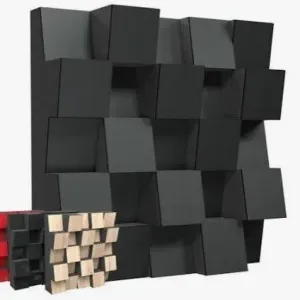

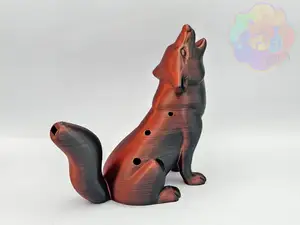

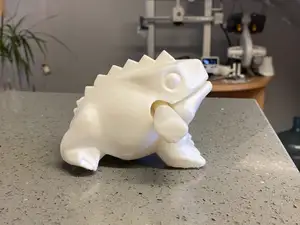


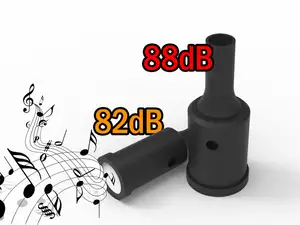

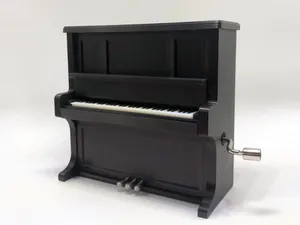
The collection mixes several families of sound-making prints. Whistles appear in many forms: short pocket versions, telescopic and slide designs, and loud variants with a shaped air channel. Wind instruments such as ocarinas, recorders and small flutes rely on a longer bore and finger holes, so they take more time to print and to tune. Music boxes and mechanical noisemakers work with a drum or a plucked tooth instead of airflow. Alongside these are decorative pieces, including sound panels, wall art and small figures that reference audio.
When you open a model page, start with the size and scale, because a very small whistle loses volume while a large ocarina can take many hours. Check the number of parts and whether assembly or glue is required, and whether the author mentions supports for overhangs. Look at the material and settings the author lists: rigid filaments hold a tone more steadily than soft ones, and thin walls change the pitch. Photos of real prints show how the mouthpiece and the air channel came out.
If the results feel narrow, try synonyms: whistle, ocarina, flute, recorder, kazoo, slide whistle, bird call, music box. Related searches such as percussion, tuning fork, sound sculpture or acoustic panel bring in models that produce or shape sound in other ways. Adding a material or a scale to a term, for example a small ocarina or a desk whistle, also shifts the list. Keep the terms that work and reuse them on other platforms.


Le catalogue complet des thèmes, de la maison à la CNC, avec une recherche sur tous les sites connectés.