Gratuit 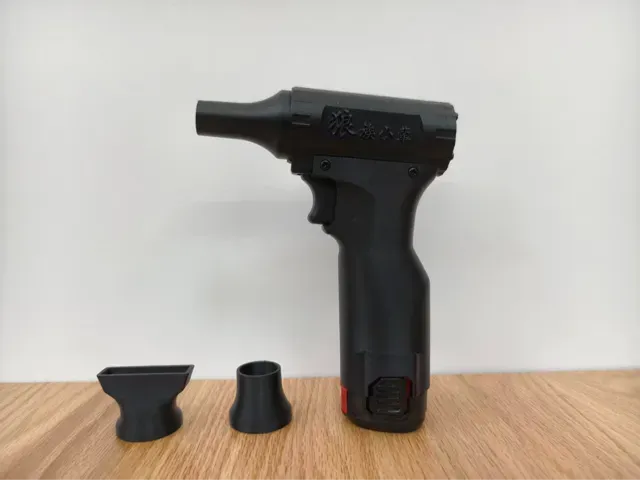
大有12v暴力风机
MakerWorld
This collection covers 3D models connected to amplifiers: passive phone docks, enclosures for small boards, stands and holders, and parts for 12 V builds. Each entry leads to a page where the author describes the parts, dimensions and settings, which matters when you print on an FDM 3D printer. It works as a starting point for a home audio project rather than a finished product list. Polyzon does not confirm whether models are free, their price, license, official status, affiliation, safety or fitness. Check the current terms at the source.
Le texte de cette collection est rédigé en anglais ; la recherche, elle, fonctionne dans toutes les langues.
 Une collection Polyzon · 40 modèles sur 2 plateformes
Polyzon compose cette collection à partir des résultats de recherche des plateformes connectées. Les doublons et les modèles sans aperçu sont retirés, les correspondances faibles sont placées à la fin, et le reste suit l’ordre de la recherche. Les modèles appartiennent à leurs auteurs : consultez les conditions sur la page de chaque modèle.
Règles de sélection : la rédaction de Polyzon · Texte mis à jour le 15/10/2026
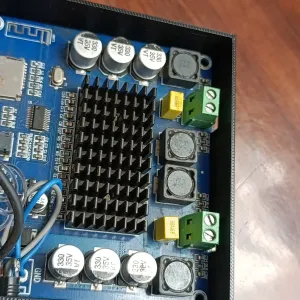
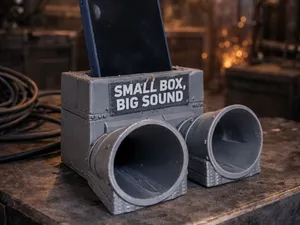
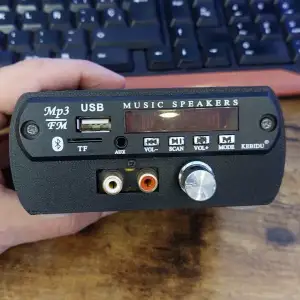
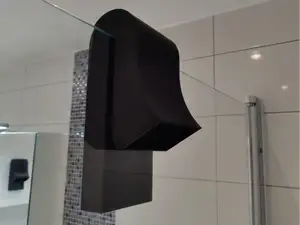
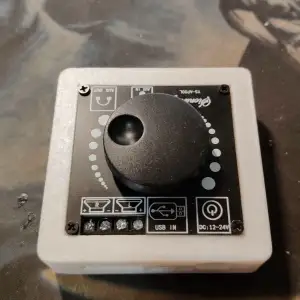
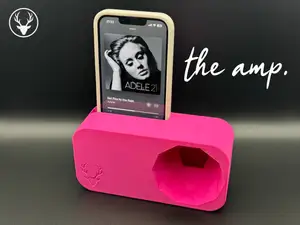


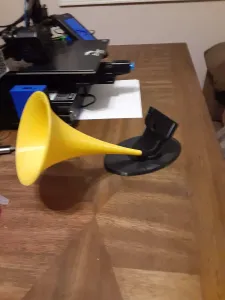
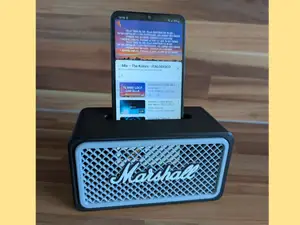
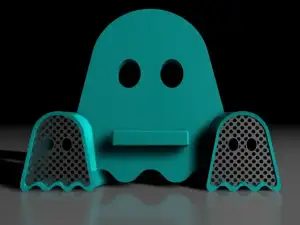

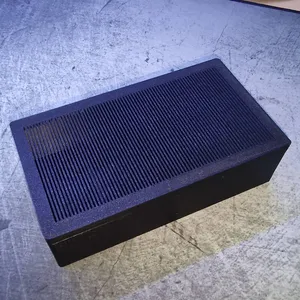


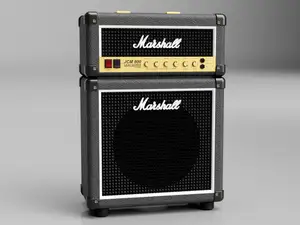
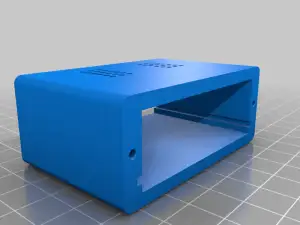
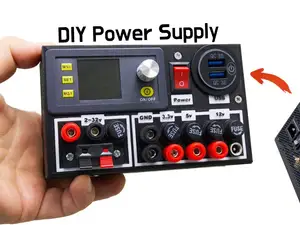


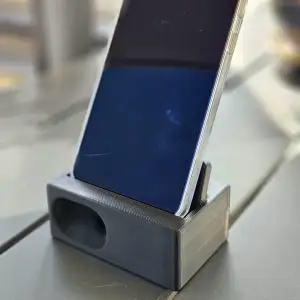
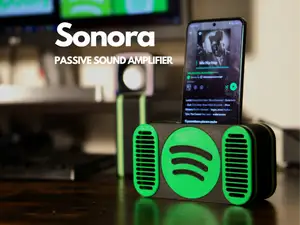
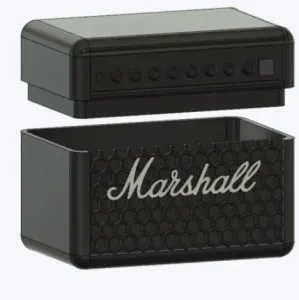

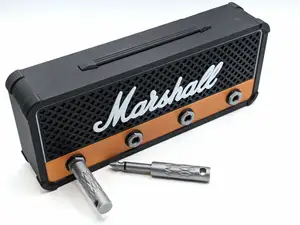

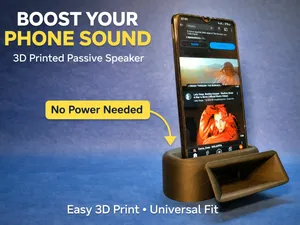

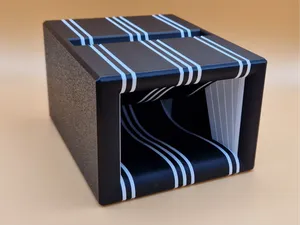
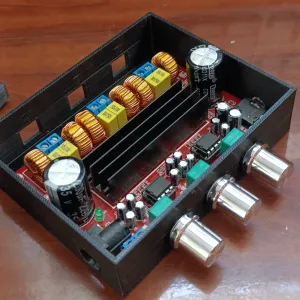
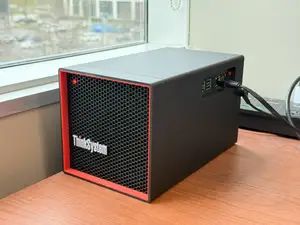
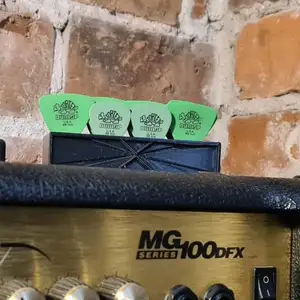
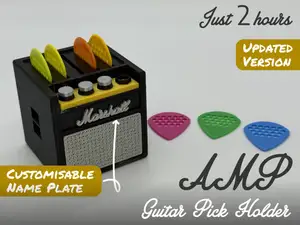
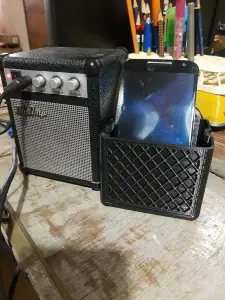
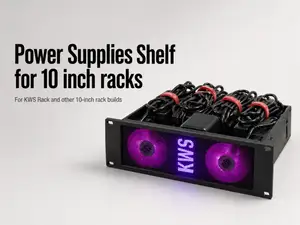

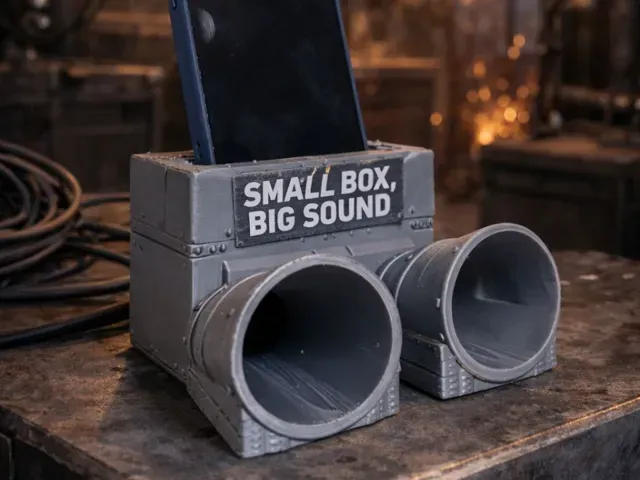
The models fall into a few groups that behave differently. Passive acoustic docks and horns shape sound through their internal channel and need no electronics, while board enclosures are built around a specific circuit, its connectors and its controls. Stands and organizers are mostly mechanical: they hold a phone, a small amp or a set of picks and cables in place. Speaker and boombox housings sit in between, since they combine a shell with space for a driver and wiring.
Before printing, compare the author's dimensions with your own parts. Check the internal size against the board or driver, the position of cutouts for sockets and knobs, and how the lid or panels join. Look at the wall thickness, whether the model needs supports, and which material and layer height the author lists; photos of real prints show how the surfaces and fits turned out. Large flat panels can warp, so a slower first layer and a stable material help.
If the first results are too narrow, try synonyms and related terms: amp, amplificador, parlante, speaker, dock, enclosure, case, boombox, headphone amp, phone stand. Searching by the chip or board name, by the driver size, or by the phone model often narrows things faster than a general word. You can also browse neighbouring topics such as audio accessories, desk organizers or small electronics housings.



Le catalogue complet des thèmes, de la maison à la CNC, avec une recherche sur tous les sites connectés.