
Gratuit 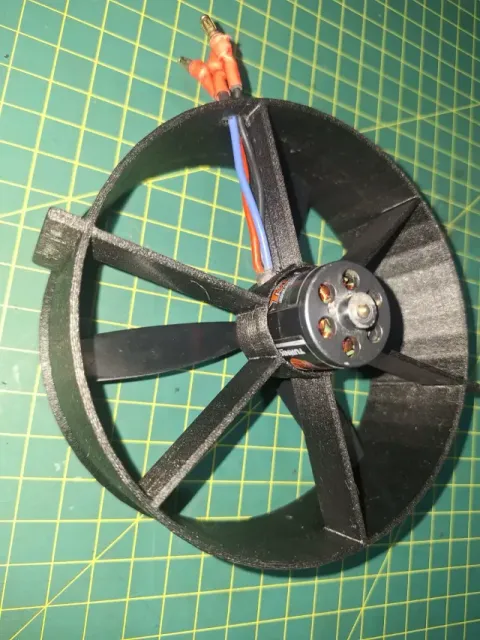
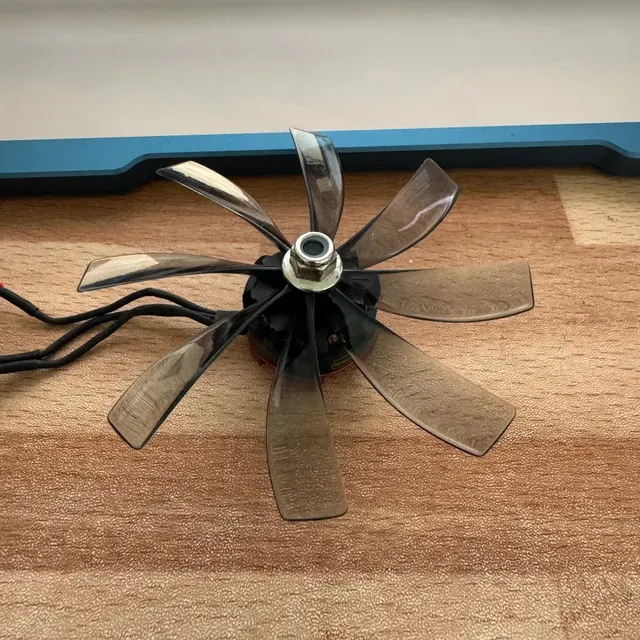
Duct for 5 inch propeller and high kv motor
Creality Cloud
This collection gathers STL files for eight-inch FPV propellers together with the frames, ducts and generators that surround them. It helps anyone who prints drone parts compare blade shapes, hub designs and mounting styles before slicing. The models come from many authors, so the details that matter sit on each model page rather than in the collection itself. Polyzon does not confirm whether models are free, their price, license, official status, affiliation, safety or fitness. Check the current terms at the source.
Le texte de cette collection est rédigé en anglais ; la recherche, elle, fonctionne dans toutes les langues.
 Une collection Polyzon · 48 modèles sur 5 plateformes
Polyzon compose cette collection à partir des résultats de recherche des plateformes connectées. Les doublons et les modèles sans aperçu sont retirés, les correspondances faibles sont placées à la fin, et le reste suit l’ordre de la recherche. Les modèles appartiennent à leurs auteurs : consultez les conditions sur la page de chaque modèle.
Règles de sélection : la rédaction de Polyzon · Texte mis à jour le 13/10/2026

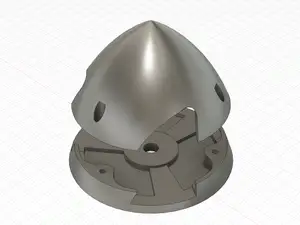
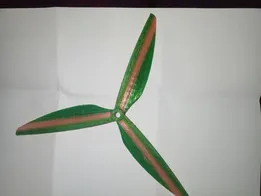
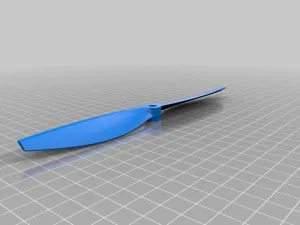

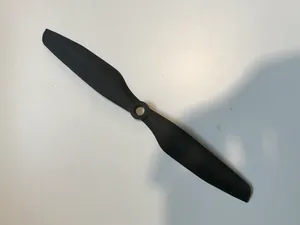
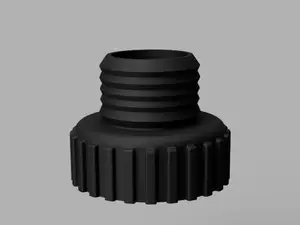
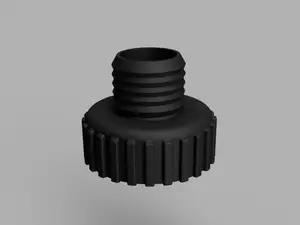
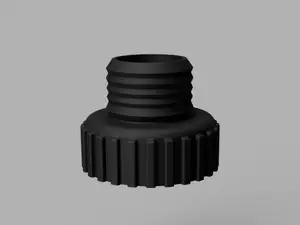

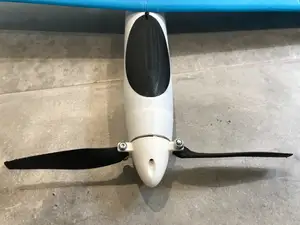
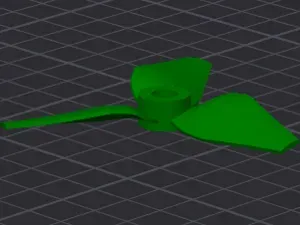


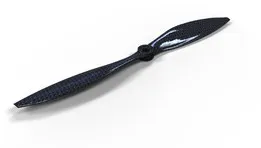


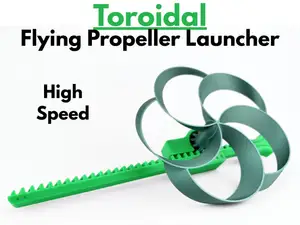




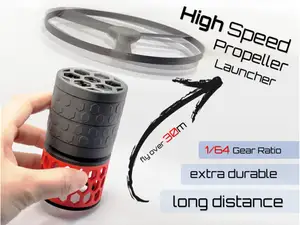

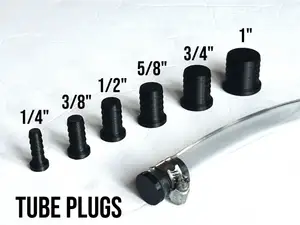

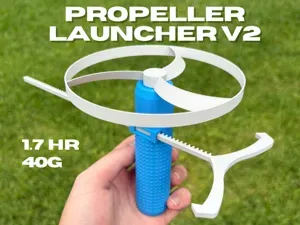

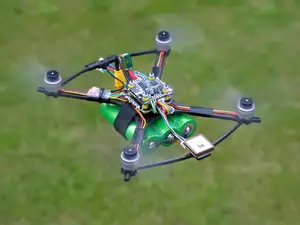

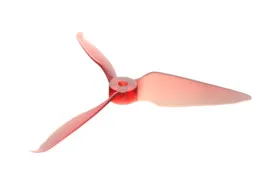


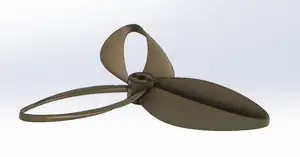
Several kinds of models appear here. Parametric generators let you set blade count, pitch and diameter from a few parameters, while fixed propellers arrive as finished geometry in three-blade, five-blade and toroidal layouts. Around them sit ducts and guards for small frames, complete quadcopter frames built for eight-inch props, and fan or impeller versions of the same blade profile. The differences show up in hub thickness, root fillet and how the blade meets the mount.
When choosing a model, read the author's page rather than the thumbnail. Check the stated diameter and pitch, the number of parts and how they join, whether the hub takes a standard shaft or a specific motor mount, and whether supports are needed on the underside of the blades. The material and slicer settings the author lists are a useful starting point, and photos of real prints show how the blade edges and hub came out.
If the results feel narrow, widen the wording. Try terms such as quadcopter, cinewhoop, drone frame, propeller guard or duct, and swap propeller for prop, rotor or impeller. Related topics like motor mounts, landing gear, camera mounts and antenna holders often lead to parts that fit the same builds, and a generator model can be adjusted instead of searching for another fixed file.


Le catalogue complet des thèmes, de la maison à la CNC, avec une recherche sur tous les sites connectés.