Gratuit 
Dust Collector for Wall Drilling
Thingiverse
This collection covers STL files for flexible dust collection parts: drill shrouds, hose adapters, magnetic connectors and cyclone separators. Most of them are small enough to print on a desktop 3D printer in one or two sessions. They help route dust from a hand tool into a vacuum or a duct line. Polyzon does not confirm whether models are free, their price, license, official status, affiliation, safety or fitness. Check the current terms at the source.
Le texte de cette collection est rédigé en anglais ; la recherche, elle, fonctionne dans toutes les langues.
 Une collection Polyzon · 48 modèles sur 4 plateformes
Polyzon compose cette collection à partir des résultats de recherche des plateformes connectées. Les doublons et les modèles sans aperçu sont retirés, les correspondances faibles sont placées à la fin, et le reste suit l’ordre de la recherche. Les modèles appartiennent à leurs auteurs : consultez les conditions sur la page de chaque modèle.
Règles de sélection : la rédaction de Polyzon · Texte mis à jour le 14/10/2026

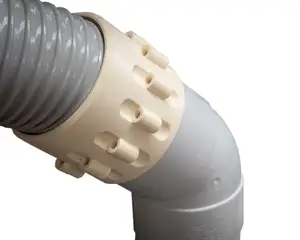
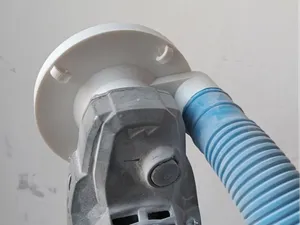
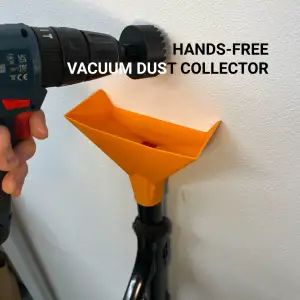


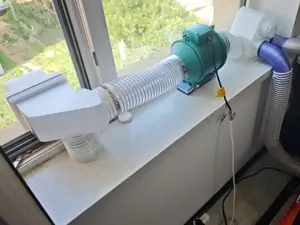
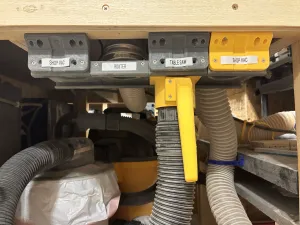


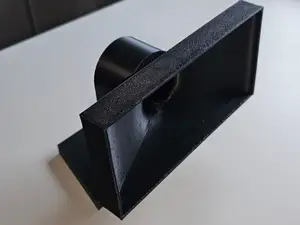
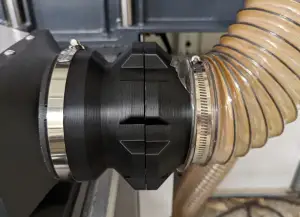

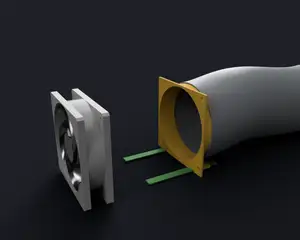
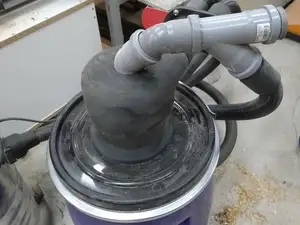
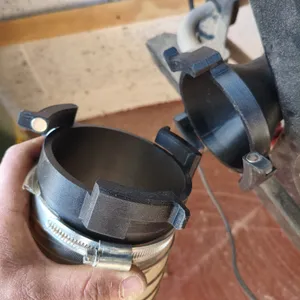


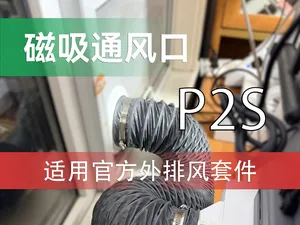
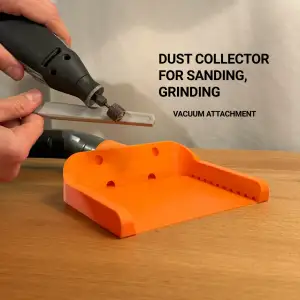

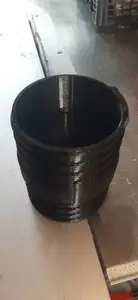
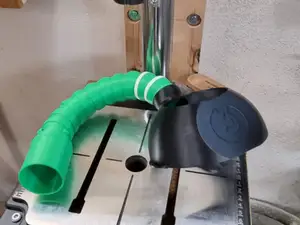
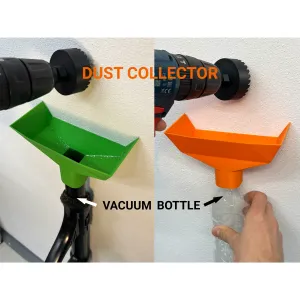


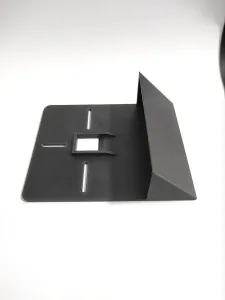


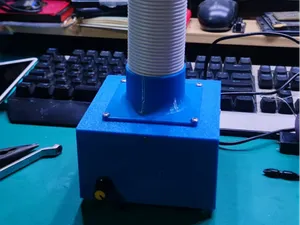
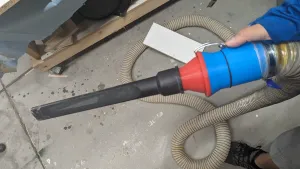

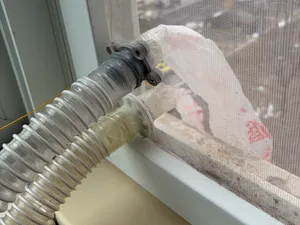
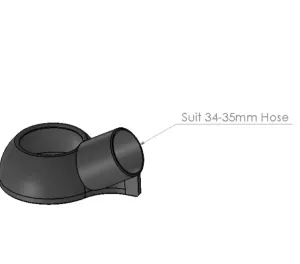

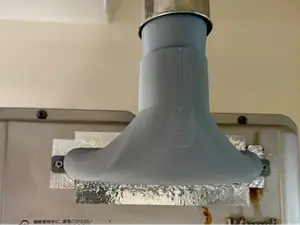
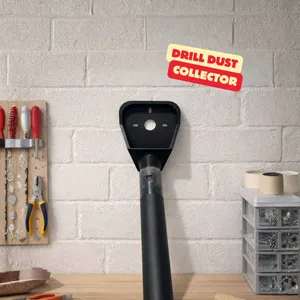


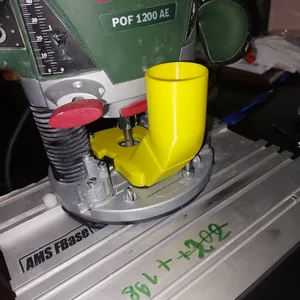

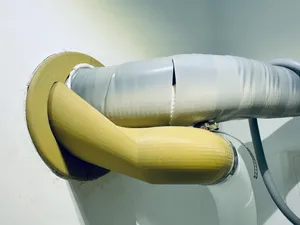
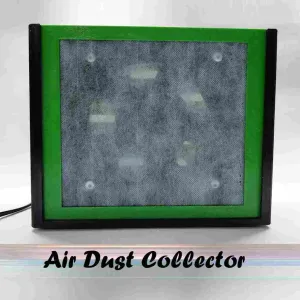
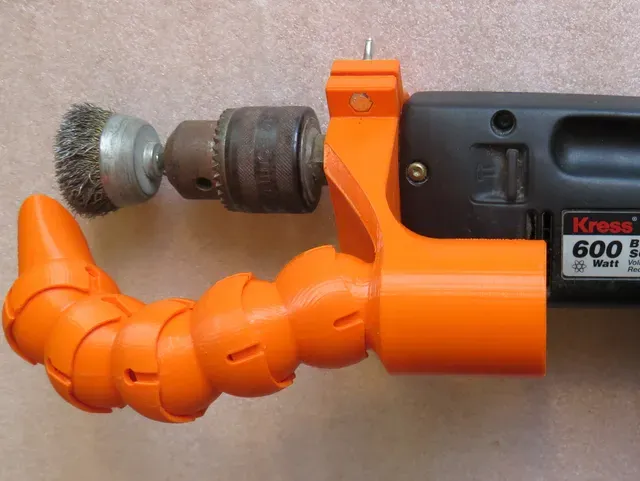
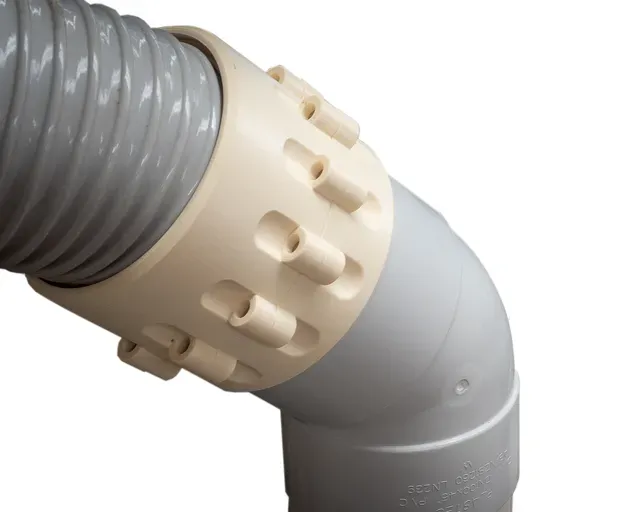
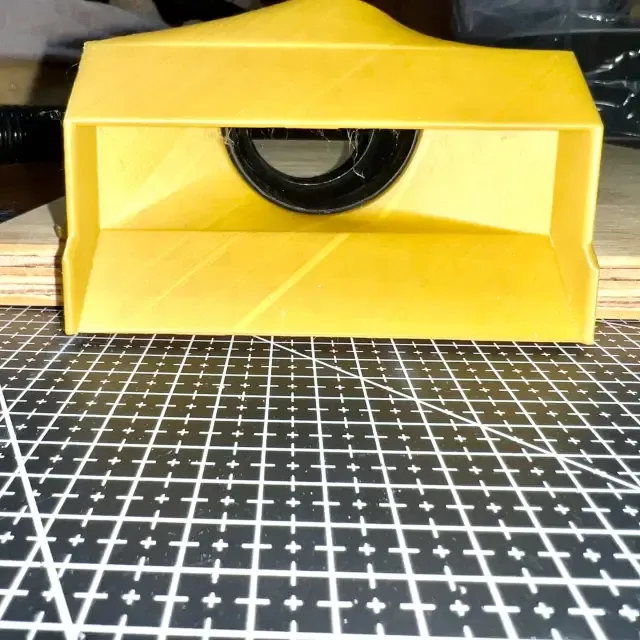
The models fall into a few groups. Drill and wall-drilling shrouds sit around the bit and catch debris at the source, while hose adapters and couplings join a tool port to a flexible duct of a given diameter. Magnetic fittings hold two sections together and come apart quickly, and cyclone separators or modular systems handle larger volumes in a fixed setup. Grinder shrouds and fan-to-duct connectors cover sanding and ventilation instead of drilling.
Before printing, open the author's page and read the listed dimensions: port diameter, collar diameter, wall thickness and overall height. Check how many parts the model has, whether it is meant to be glued or screwed together, and whether the author shows supports in the print orientation. Photos of real prints and the material and layer settings the author lists are more useful than a preview render, because thin walls and long overhangs behave differently in PLA, PETG or ASA.
If the first results look narrow, widen the wording. Try synonyms such as dust extractor, dust shoe, chip collector, vacuum adapter or hose coupling, and add the tool or the duct size you work with, for example wall drilling, angle grinder, bench saw or 100 mm ducting. Related topics worth browsing are cyclone separators, workshop vacuum accessories, CNC dust shoes and ventilation ducting parts.




Le catalogue complet des thèmes, de la maison à la CNC, avec une recherche sur tous les sites connectés.