免费 
Dust Collector for Wall Drilling
Thingiverse
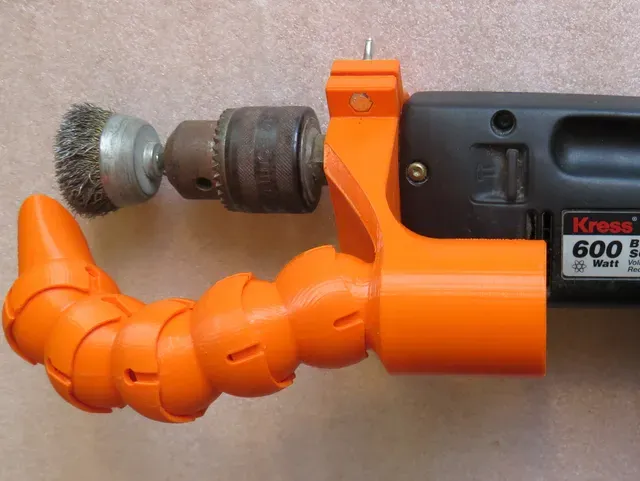
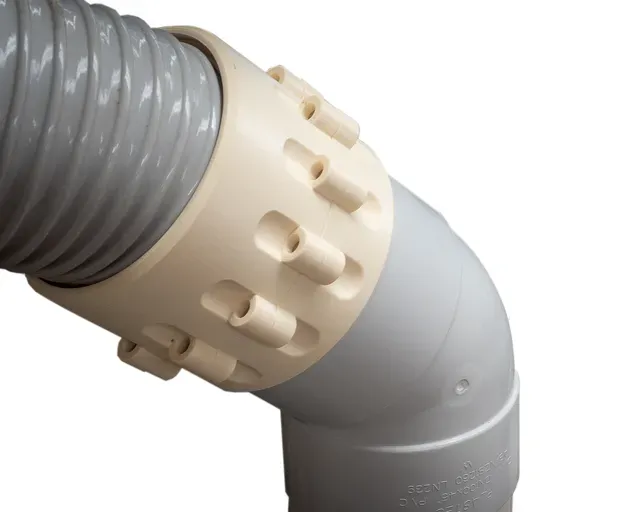
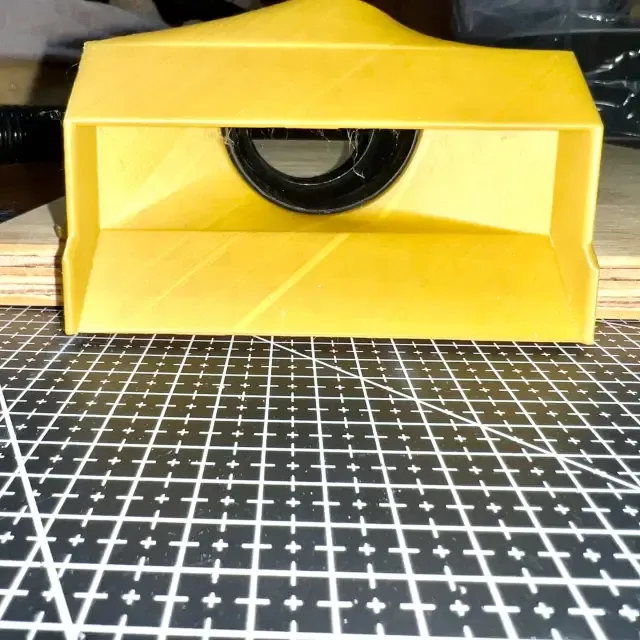
This collection covers STL files for flexible dust collection parts: drill shrouds, hose adapters, magnetic connectors and cyclone separators. Most of them are small enough to print on a desktop 3D printer in one or two sessions. They help route dust from a hand tool into a vacuum or a duct line. Polyzon does not confirm whether models are free, their price, license, official status, affiliation, safety or fitness. Check the current terms at the source.
本合集的文字为英文,搜索本身支持任何语言。
 Polyzon合集 · 48个模型 来自4个平台
此合集由Polyzon根据已接入平台的搜索结果整理而成:去除重复项和没有预览图的模型,匹配度低的排在最后,其余按搜索结果顺序排列。模型归作者所有——请在各模型页面查看使用条款。
筛选规则:Polyzon编辑部 · 文字更新于2026年10月14日

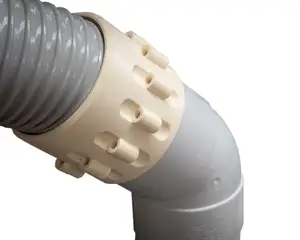
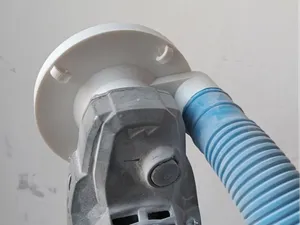
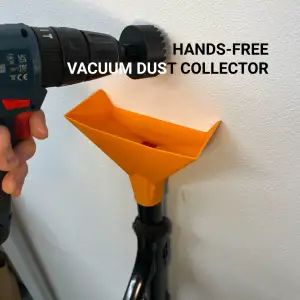


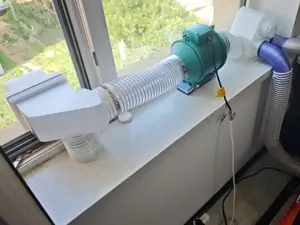
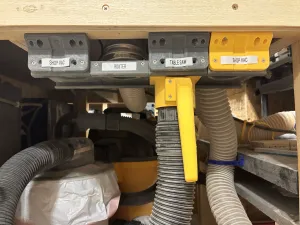


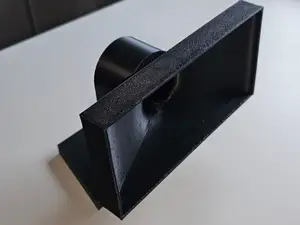
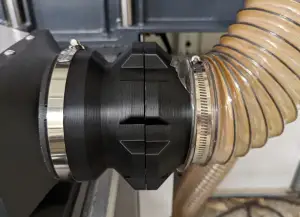

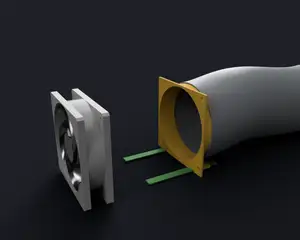
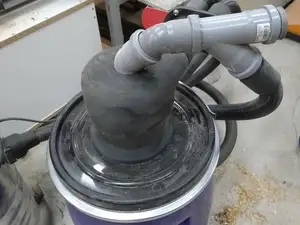
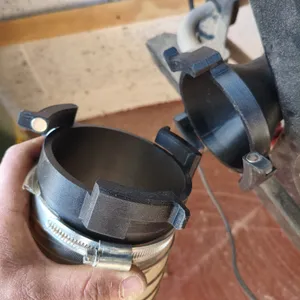


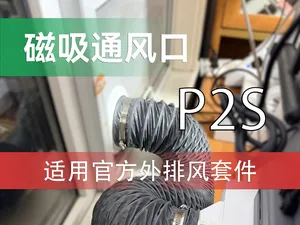
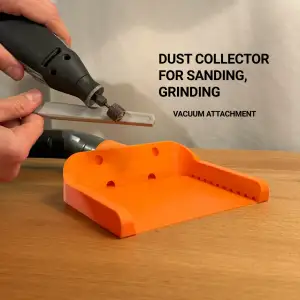

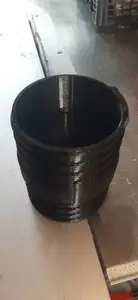
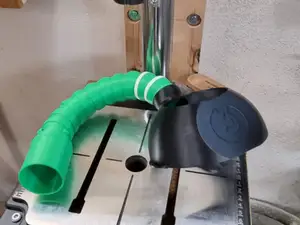
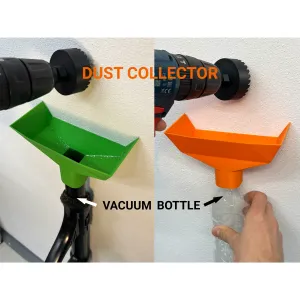


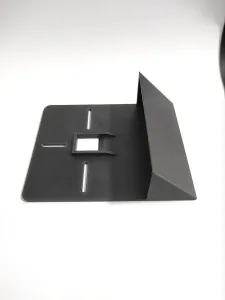


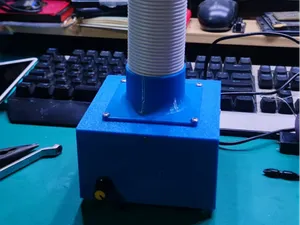
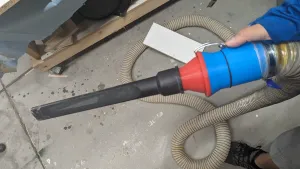

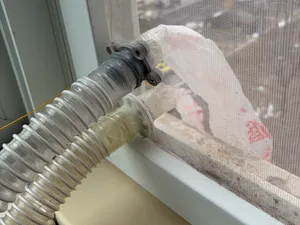
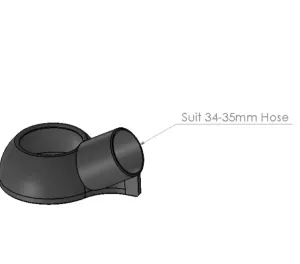

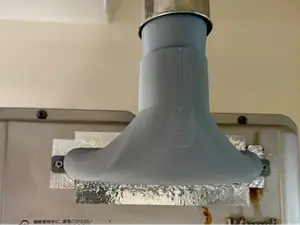
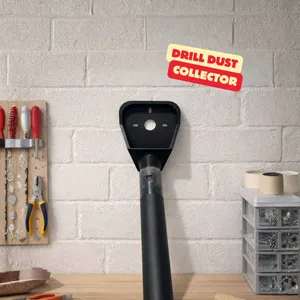


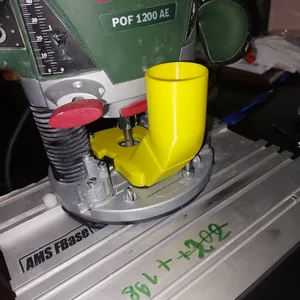

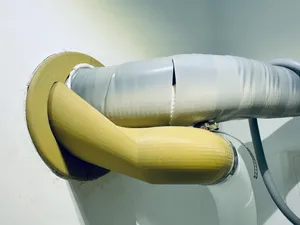
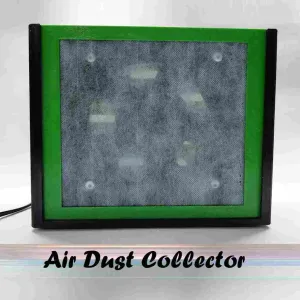
The models fall into a few groups. Drill and wall-drilling shrouds sit around the bit and catch debris at the source, while hose adapters and couplings join a tool port to a flexible duct of a given diameter. Magnetic fittings hold two sections together and come apart quickly, and cyclone separators or modular systems handle larger volumes in a fixed setup. Grinder shrouds and fan-to-duct connectors cover sanding and ventilation instead of drilling.
Before printing, open the author's page and read the listed dimensions: port diameter, collar diameter, wall thickness and overall height. Check how many parts the model has, whether it is meant to be glued or screwed together, and whether the author shows supports in the print orientation. Photos of real prints and the material and layer settings the author lists are more useful than a preview render, because thin walls and long overhangs behave differently in PLA, PETG or ASA.
If the first results look narrow, widen the wording. Try synonyms such as dust extractor, dust shoe, chip collector, vacuum adapter or hose coupling, and add the tool or the duct size you work with, for example wall drilling, angle grinder, bench saw or 100 mm ducting. Related topics worth browsing are cyclone separators, workshop vacuum accessories, CNC dust shoes and ventilation ducting parts.




完整的主题目录:从家居日用到CNC,均可在已接入的来源平台中搜索。