
Gratuit 
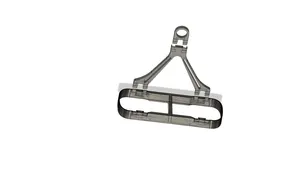
Brunswick GS-X Elevator Shovel Roller
Thingiverse
This collection gathers 3D models for elevator rollers and related lifting mechanisms, from guide rollers to marble-run chain lifts. It also covers bearing rollers, moving sleds and pattern rollers that appear under the same search terms. Use it to compare how each STL part is built before you send it to a 3D printer. Polyzon does not confirm whether models are free, their price, license, official status, affiliation, safety or fitness. Check the current terms at the source.
Le texte de cette collection est rédigé en anglais ; la recherche, elle, fonctionne dans toutes les langues.
 Une collection Polyzon · 48 modèles sur 3 plateformes
Polyzon compose cette collection à partir des résultats de recherche des plateformes connectées. Les doublons et les modèles sans aperçu sont retirés, les correspondances faibles sont placées à la fin, et le reste suit l’ordre de la recherche. Les modèles appartiennent à leurs auteurs : consultez les conditions sur la page de chaque modèle.
Règles de sélection : la rédaction de Polyzon · Texte mis à jour le 12/10/2026

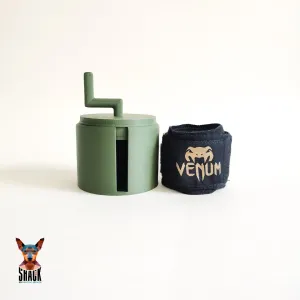

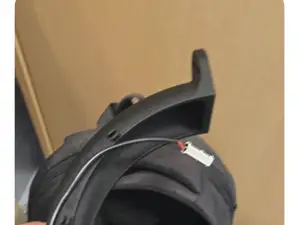
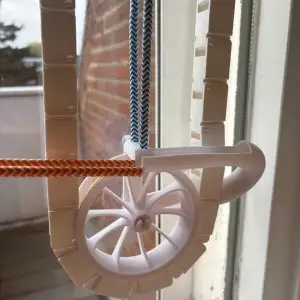

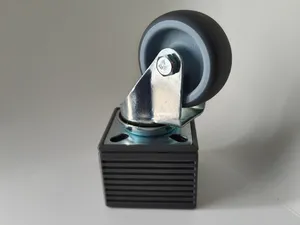
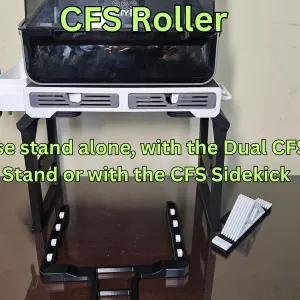

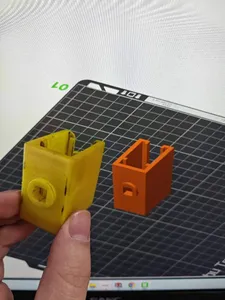
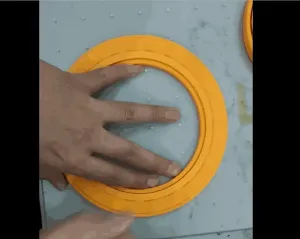

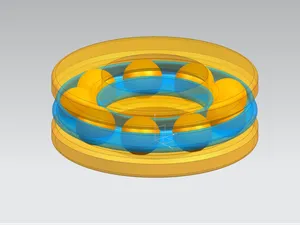
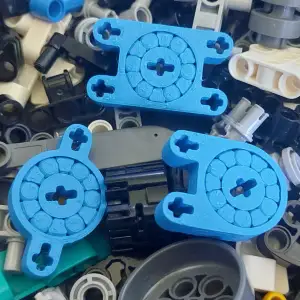

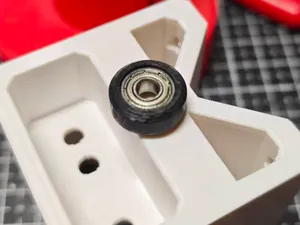
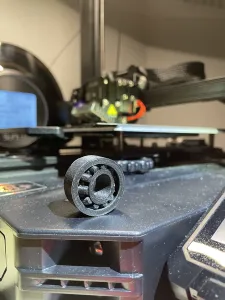

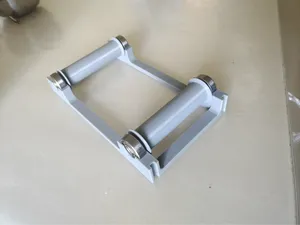
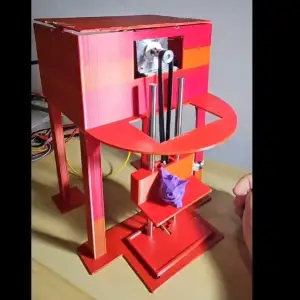

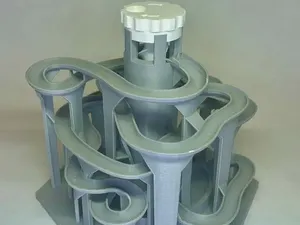
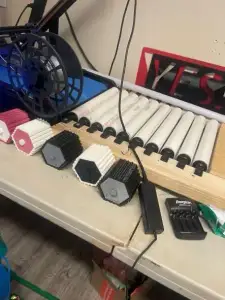

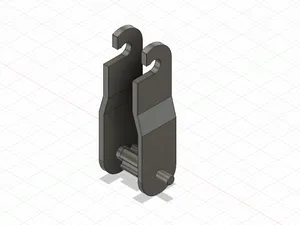
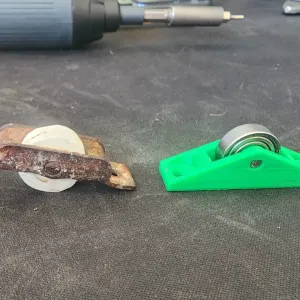


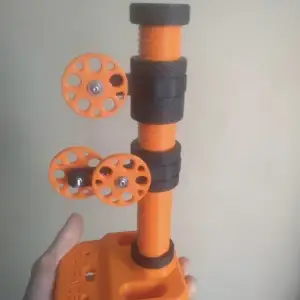

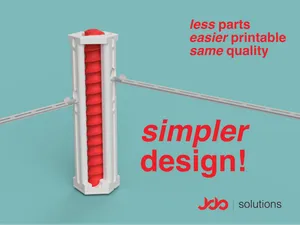
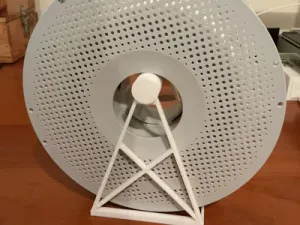


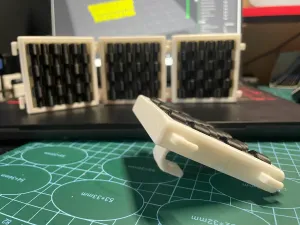

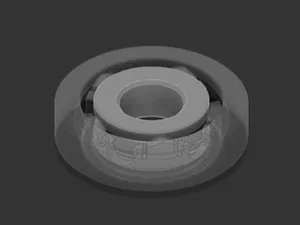
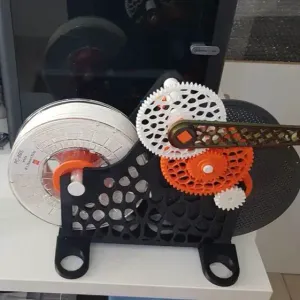

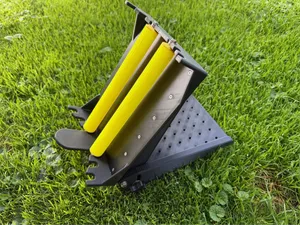
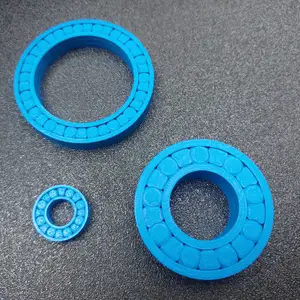

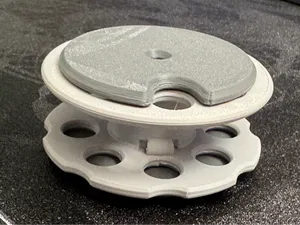

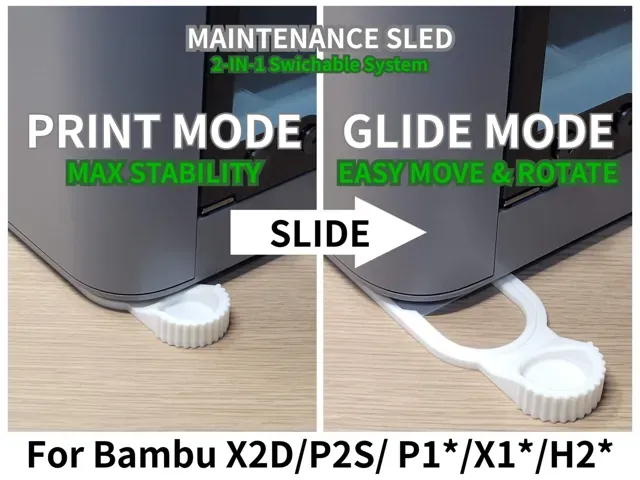
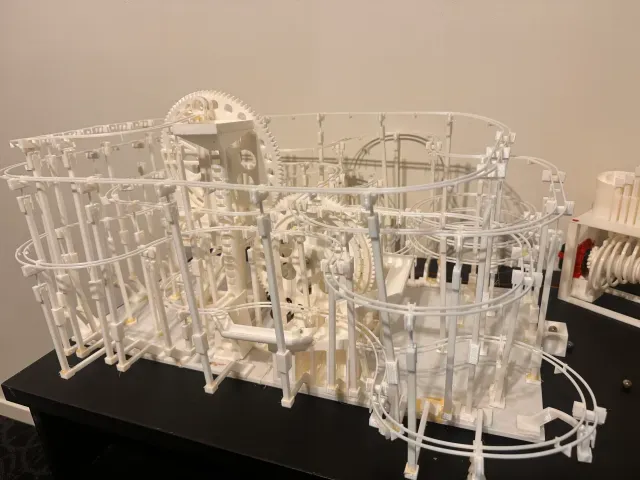
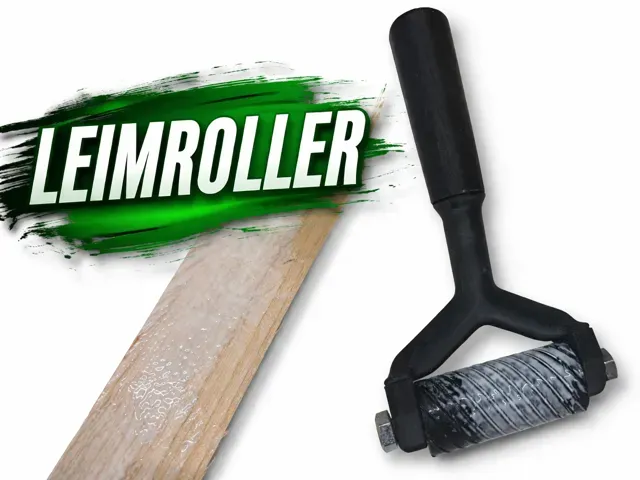
The results mix several families of parts. Elevator and lift rollers often use shafts, brackets or sheaves, while marble-run chain lifts focus on moving marbles between levels. Bearing rollers and low-friction rollers are usually smaller and built around balls or pins, and furniture rollers or moving sleds are larger assemblies for sliding loads. Pattern and hand rollers form a separate group, where the surface texture matters more than the lifting action.
When choosing a model, check the listed size and scale first, since a roller for a small marble track and one for a furniture foot differ greatly. Look at the number of parts and whether assembly uses screws, pins, bearings or printed axles. Read the author's notes on material, layer height, wall count and whether supports are needed. Photos of real prints help you judge tolerances and surface finish before you slice the file.
To refine the search, try synonyms such as roller, wheel, sheave, pulley, bearing and guide. Related topics include marble run, chain lift, conveyor, sliding sled and furniture caster. You can also search by function, for example lift mechanism, rotating joint or low-friction axle, and then filter by the printer type or material you plan to use.


Le catalogue complet des thèmes, de la maison à la CNC, avec une recherche sur tous les sites connectés.