Gratuit 
Rolling Roller
GrabCAD
The collection covers rolling pins, texture rollers, and roller-based mechanisms shared as STL files. You can find models for dough, clay, paper, and workshop tasks. It helps you compare shapes, sizes, and assembly needs before opening a model page. Polyzon does not confirm whether models are free, their price, license, official status, affiliation, safety or fitness. Check the current terms at the source.
Le texte de cette collection est rédigé en anglais ; la recherche, elle, fonctionne dans toutes les langues.
 Une collection Polyzon · 45 modèles sur 8 plateformes
Polyzon compose cette collection à partir des résultats de recherche des plateformes connectées. Les doublons et les modèles sans aperçu sont retirés, les correspondances faibles sont placées à la fin, et le reste suit l’ordre de la recherche. Les modèles appartiennent à leurs auteurs : consultez les conditions sur la page de chaque modèle.
Règles de sélection : la rédaction de Polyzon · Texte mis à jour le 13/10/2026
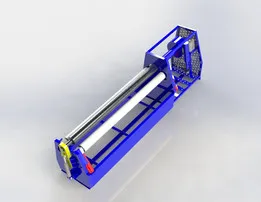
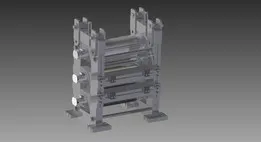
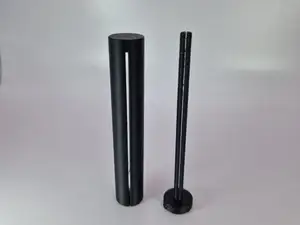

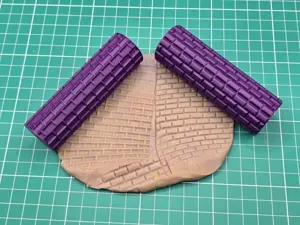


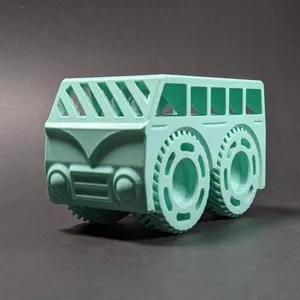
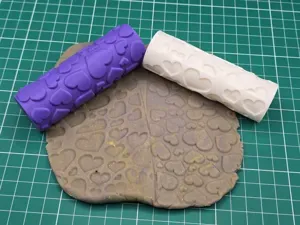
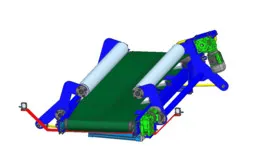

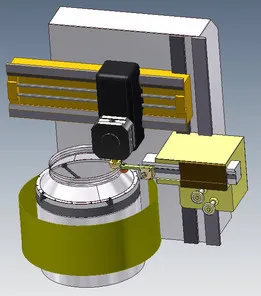
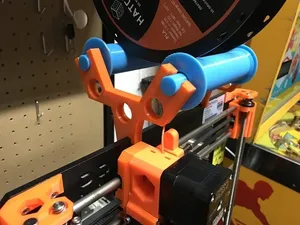

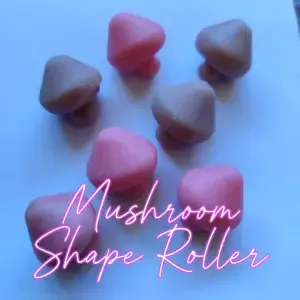
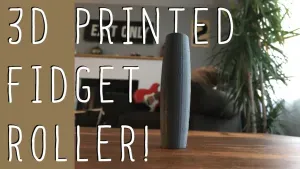
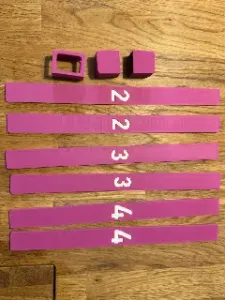
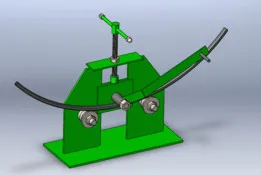



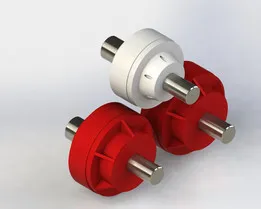
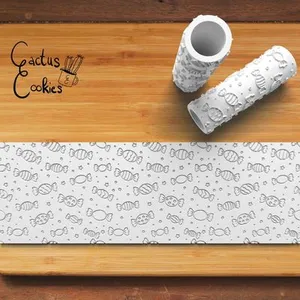
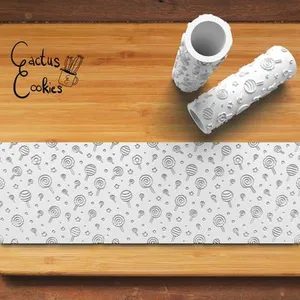
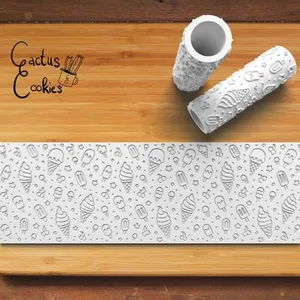
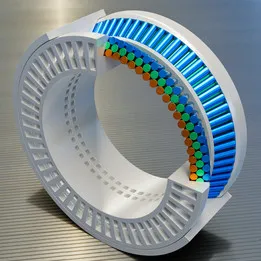

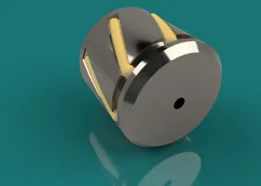
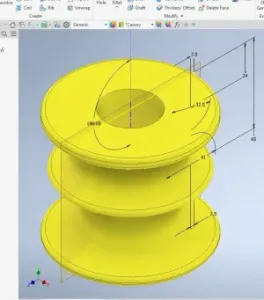
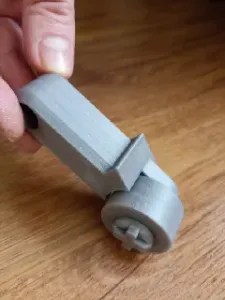
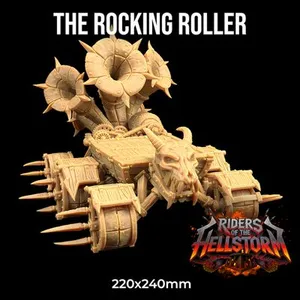



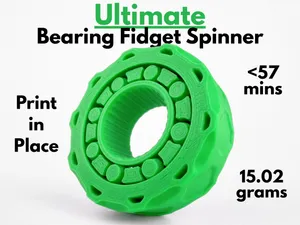
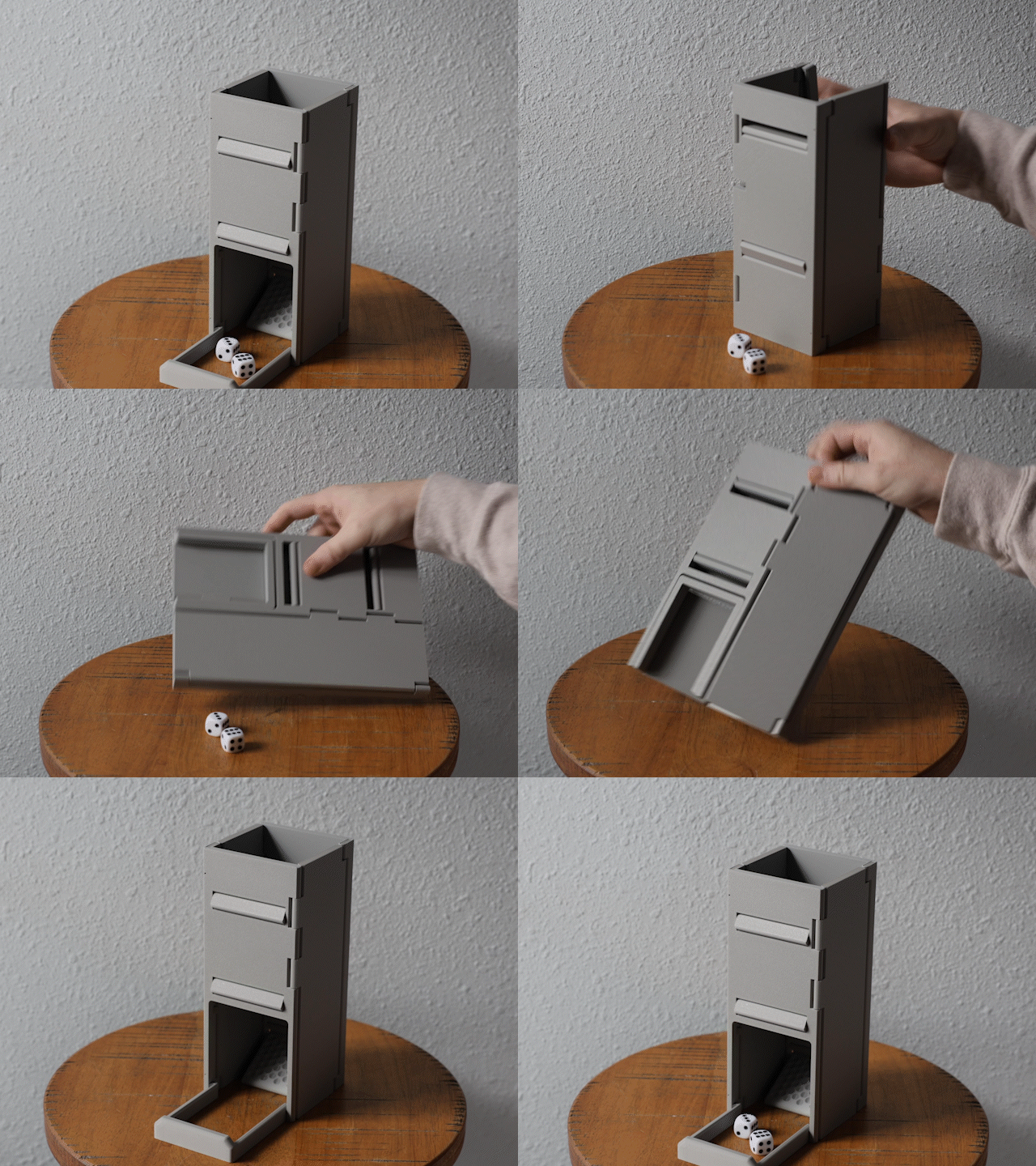

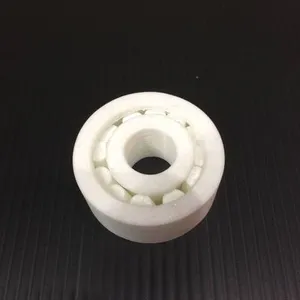
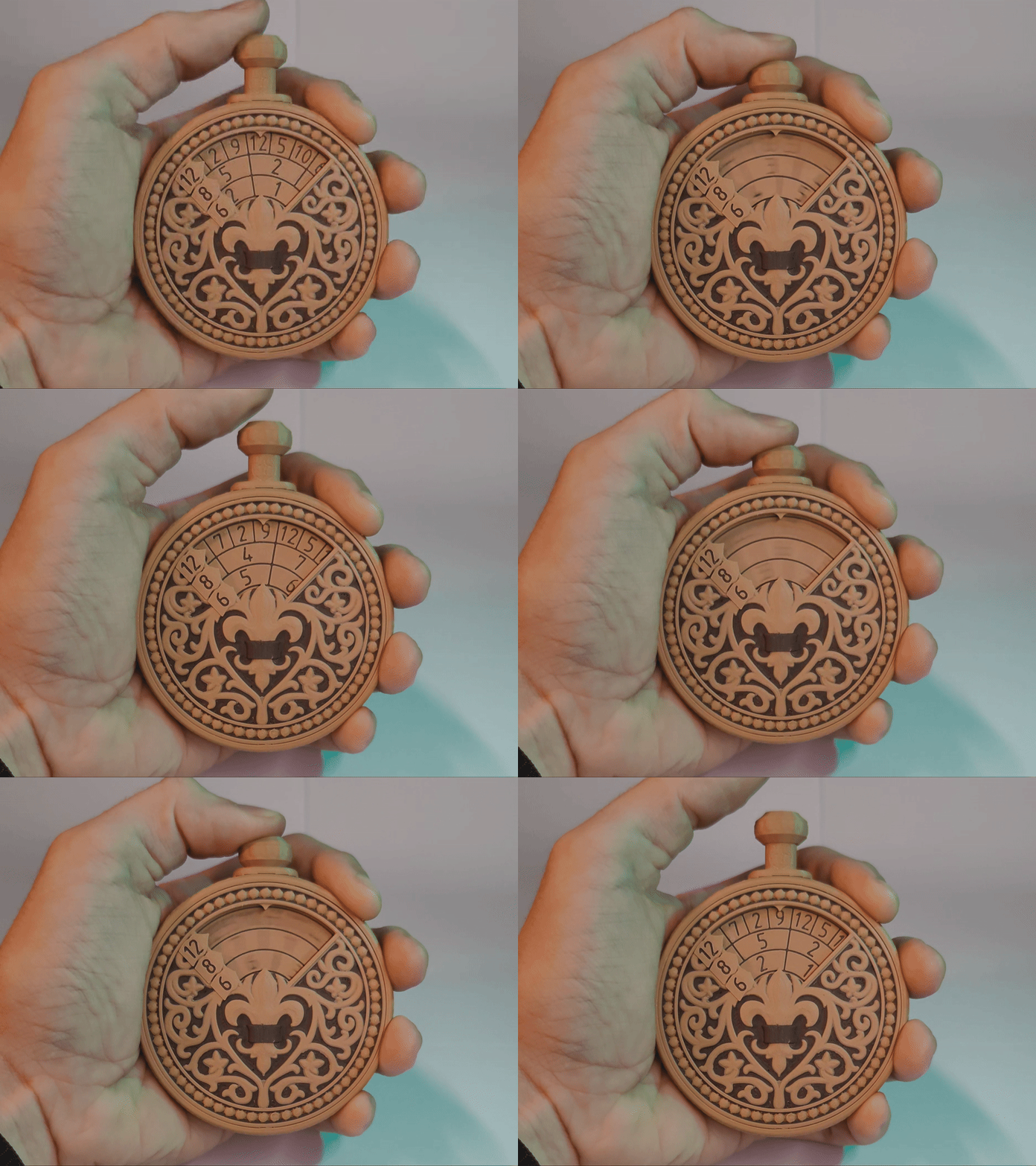

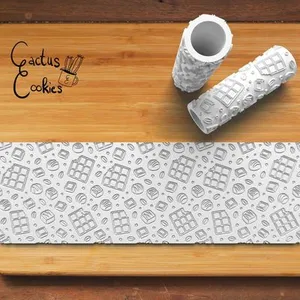
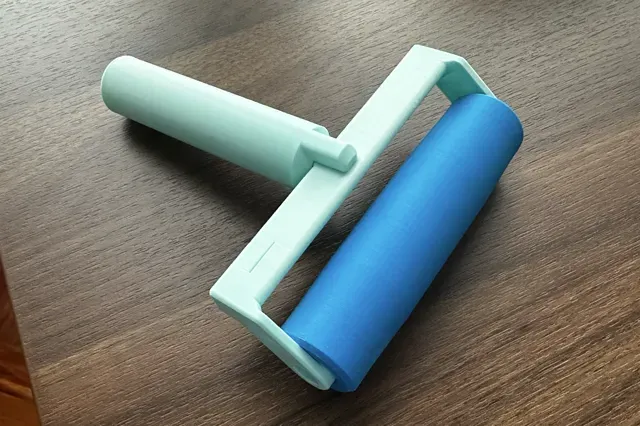
Rolling pins and dough rollers usually have a simple cylinder with handles, while texture rollers add a patterned surface for clay or fondant. Multi-roller machines and mills use several cylinders and often include frames, gears, or adjustment parts. Bead rollers and sensory rollers focus on repeated grooves or shapes, and cigarette rollers combine a small channel with a rolling mechanism.
When choosing a model, check the listed dimensions, wall thickness, and number of parts, since large rollers may need to be printed in sections. Look at whether the author shows supports, layer height, material, and real photos of the printed object. For moving parts, review the clearances and how axles or handles are joined.
To refine the search, try synonyms such as rolling pin, texture roller, dough roller, clay roller, bead roller, and rolling mill. Related terms like embossing roller, pattern roller, or pasta roller can lead to other useful results. You can also combine a material or task with the roller type, for example clay texture roller or dough rolling pin.




Le catalogue complet des thèmes, de la maison à la CNC, avec une recherche sur tous les sites connectés.