
Gratuit 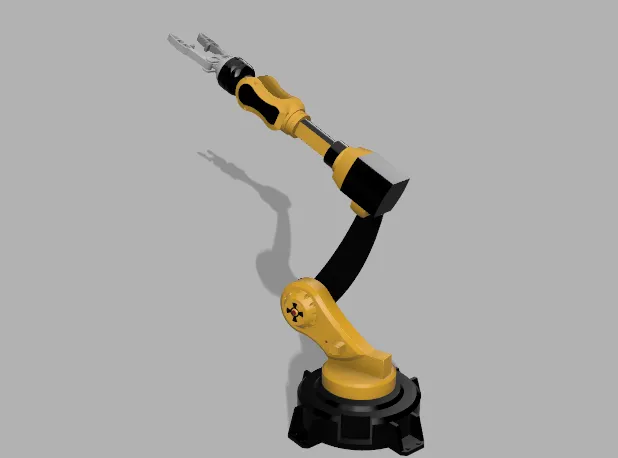
Рука-манипулятор
3DToday
This collection gathers STL files for robotic manipulator arms, from small desktop units with a gripper to multi-jointed arms and arms built onto a mobile base. It is useful if you are planning a 3D printing project that has to move, grip or reach rather than sit still. The models differ a lot in joint count, part count and how much of the mechanism is printed. Polyzon does not confirm whether models are free, their price, license, official status, affiliation, safety or fitness. Check the current terms at the source.
Le texte de cette collection est rédigé en anglais ; la recherche, elle, fonctionne dans toutes les langues.
 Une collection Polyzon · 47 modèles sur 8 plateformes
Polyzon compose cette collection à partir des résultats de recherche des plateformes connectées. Les doublons et les modèles sans aperçu sont retirés, les correspondances faibles sont placées à la fin, et le reste suit l’ordre de la recherche. Les modèles appartiennent à leurs auteurs : consultez les conditions sur la page de chaque modèle.
Règles de sélection : la rédaction de Polyzon · Texte mis à jour le 14/10/2026
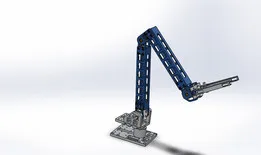

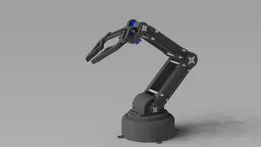
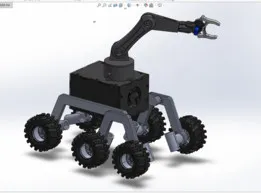
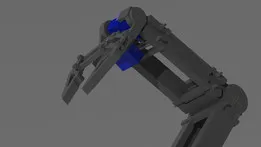

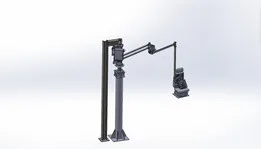
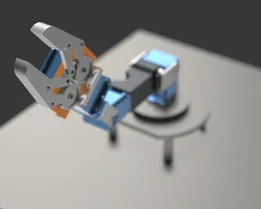
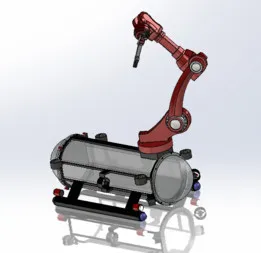
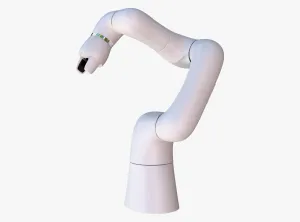

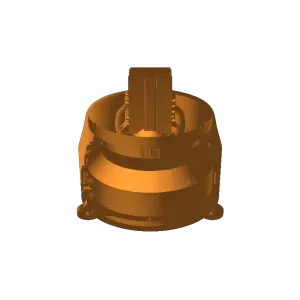
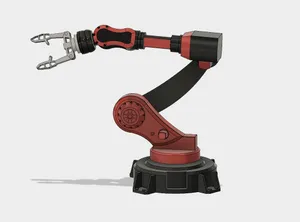
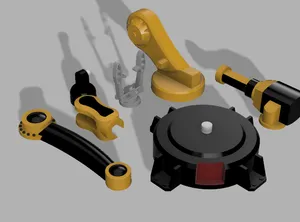
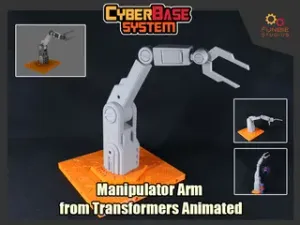


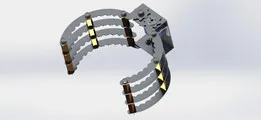
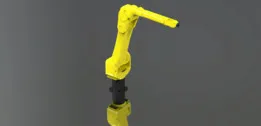

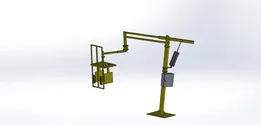
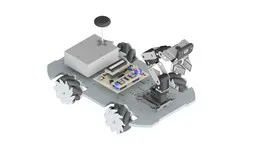
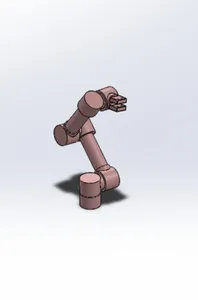
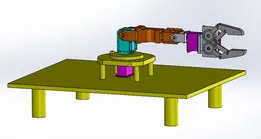

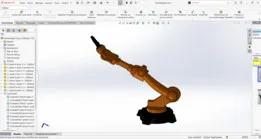

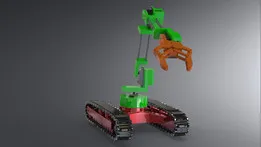


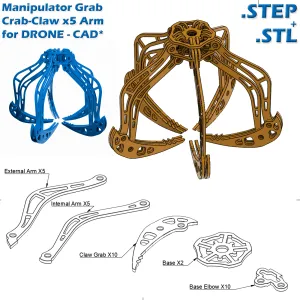
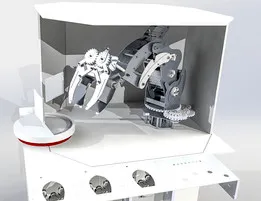
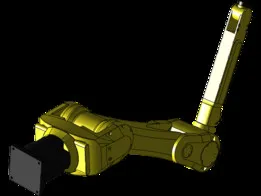
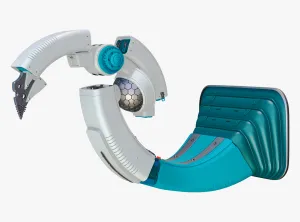


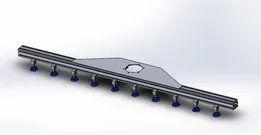
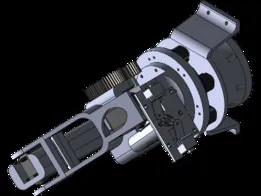


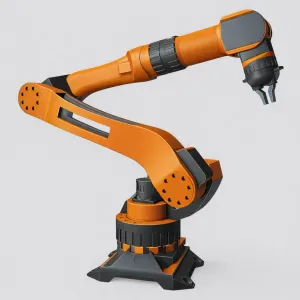
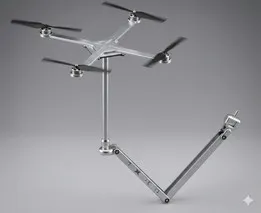
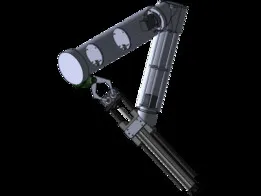
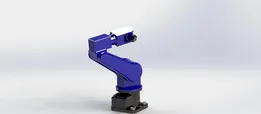
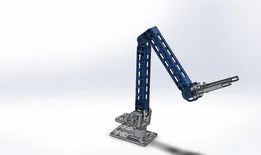
The most common kind is a compact arm driven by hobby servos, usually with a claw or gripper at the end and a printed base that can be screwed to a table or a plate. Multi-DOF versions add more joints along the arm, which changes reach and the way the arm folds, and they often need a controller and a sequence of positions rather than a single switch. A separate group mounts the arm on a rover or another mobile platform, where the base itself moves and the arm has to work from a changing position. There are also replicas of industrial manipulators, which tend to be larger and closer to a real machine in proportions, and character-inspired arms that follow a design from animation or film.
Before printing, read the author's page for the number of parts and how they assemble, the joint type at each axis, and whether the design expects bearings, shafts, screws or printed pivots. Check the stated servo or motor sizes, because a printed link sized for one servo will not take another, and look at the material and settings the author lists, since long thin links and gear teeth behave differently in different filaments. Photos of real prints are the quickest way to judge how the parts fit and how much post-processing the surfaces need. If the arm is meant to lift something, the payload and the balance of the base matter more than the look of the model.
Search results for this topic mix several naming habits, so it helps to try robotic arm, robot arm, manipulator, gripper, claw and end effector alongside the term you started with. Adding a joint count, a drive type or a mounting style narrows the list quickly, and related topics such as robot chassis, servo brackets, gearboxes and camera mounts often lead to parts that go with an arm. If you want a specific mechanism, search by its structure rather than by the object, for example parallel gripper or articulated arm.
When a model has no instructions, the assembly order usually follows the base outward, with the wrist and gripper last. Print one link first and test the joint fit before committing to the whole set, and keep tolerances in mind if your printer tends to over-extrude.


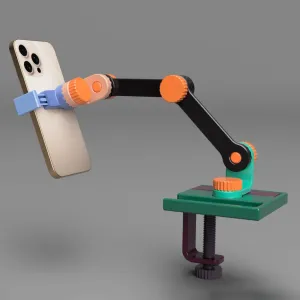
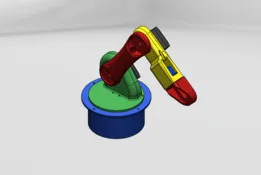

Le catalogue complet des thèmes, de la maison à la CNC, avec une recherche sur tous les sites connectés.