
免费 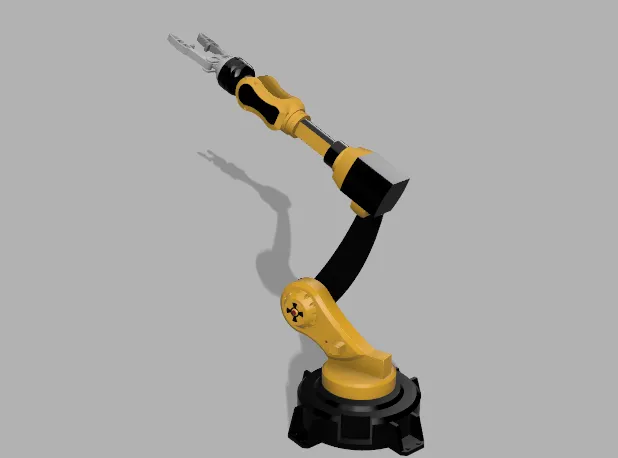
Рука-манипулятор
3DToday
This collection gathers STL files for robotic manipulator arms, from small desktop units with a gripper to multi-jointed arms and arms built onto a mobile base. It is useful if you are planning a 3D printing project that has to move, grip or reach rather than sit still. The models differ a lot in joint count, part count and how much of the mechanism is printed. Polyzon does not confirm whether models are free, their price, license, official status, affiliation, safety or fitness. Check the current terms at the source.
本合集的文字为英文,搜索本身支持任何语言。
 Polyzon合集 · 47个模型 来自8个平台
此合集由Polyzon根据已接入平台的搜索结果整理而成:去除重复项和没有预览图的模型,匹配度低的排在最后,其余按搜索结果顺序排列。模型归作者所有——请在各模型页面查看使用条款。
筛选规则:Polyzon编辑部 · 文字更新于2026年10月14日
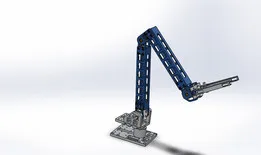

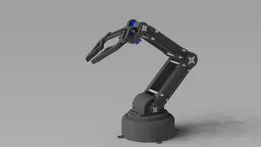
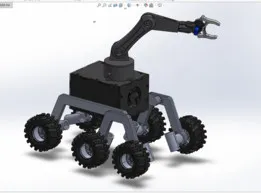
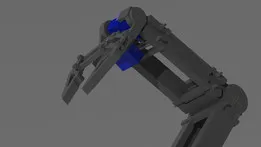

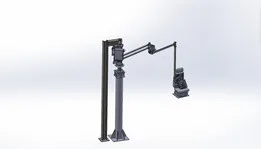
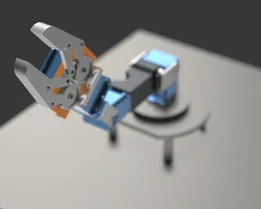
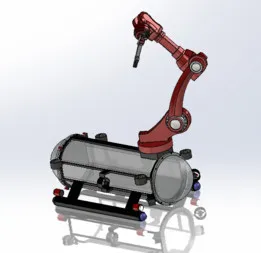
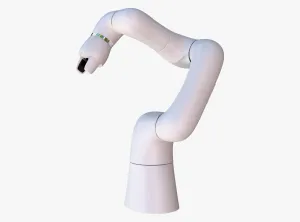

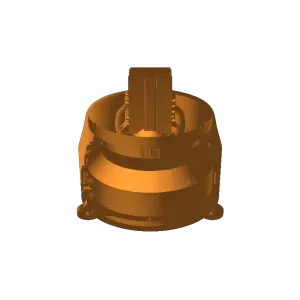
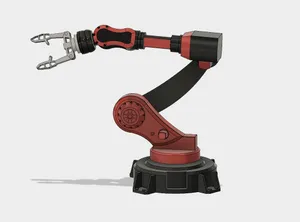
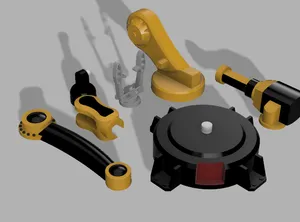
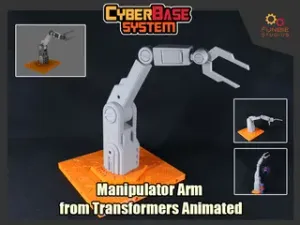


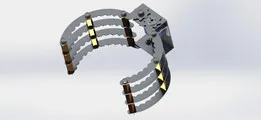
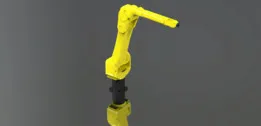

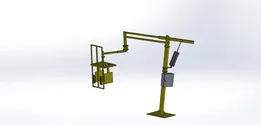
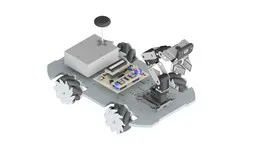
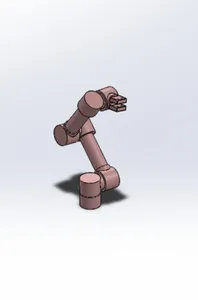
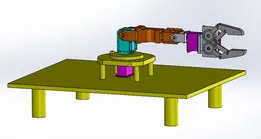


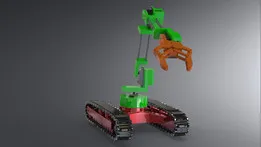


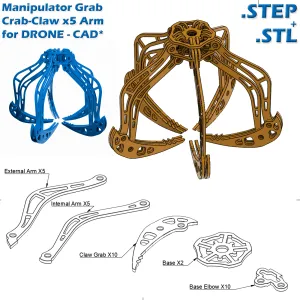
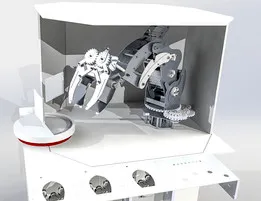
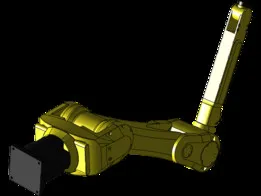
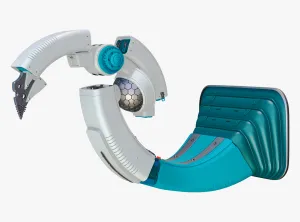


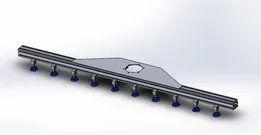
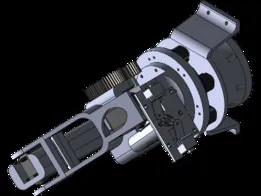


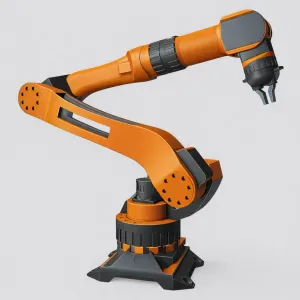
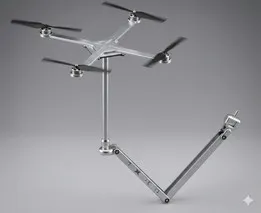
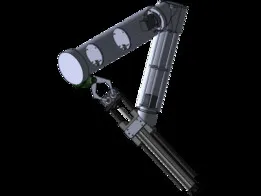
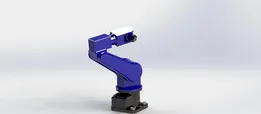
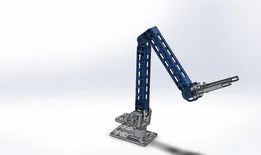
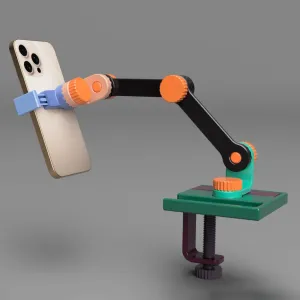
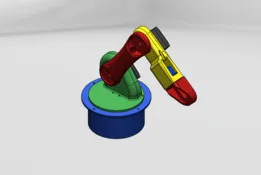
The most common kind is a compact arm driven by hobby servos, usually with a claw or gripper at the end and a printed base that can be screwed to a table or a plate. Multi-DOF versions add more joints along the arm, which changes reach and the way the arm folds, and they often need a controller and a sequence of positions rather than a single switch. A separate group mounts the arm on a rover or another mobile platform, where the base itself moves and the arm has to work from a changing position. There are also replicas of industrial manipulators, which tend to be larger and closer to a real machine in proportions, and character-inspired arms that follow a design from animation or film.
Before printing, read the author's page for the number of parts and how they assemble, the joint type at each axis, and whether the design expects bearings, shafts, screws or printed pivots. Check the stated servo or motor sizes, because a printed link sized for one servo will not take another, and look at the material and settings the author lists, since long thin links and gear teeth behave differently in different filaments. Photos of real prints are the quickest way to judge how the parts fit and how much post-processing the surfaces need. If the arm is meant to lift something, the payload and the balance of the base matter more than the look of the model.
Search results for this topic mix several naming habits, so it helps to try robotic arm, robot arm, manipulator, gripper, claw and end effector alongside the term you started with. Adding a joint count, a drive type or a mounting style narrows the list quickly, and related topics such as robot chassis, servo brackets, gearboxes and camera mounts often lead to parts that go with an arm. If you want a specific mechanism, search by its structure rather than by the object, for example parallel gripper or articulated arm.
When a model has no instructions, the assembly order usually follows the base outward, with the wrist and gripper last. Print one link first and test the joint fit before committing to the whole set, and keep tolerances in mind if your printer tends to over-extrude.



完整的主题目录:从家居日用到CNC,均可在已接入的来源平台中搜索。