
Gratuit 
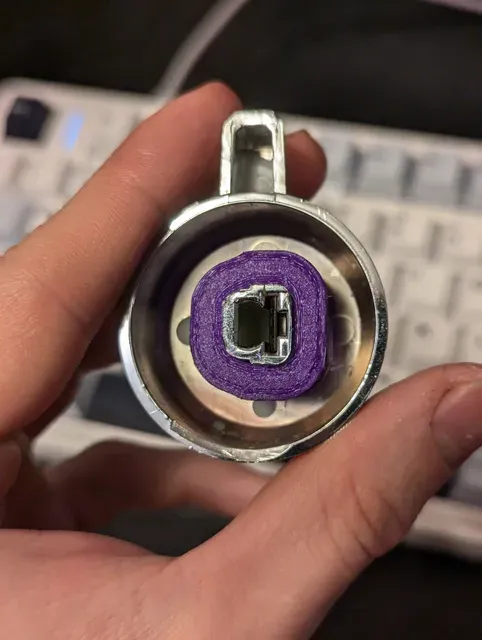
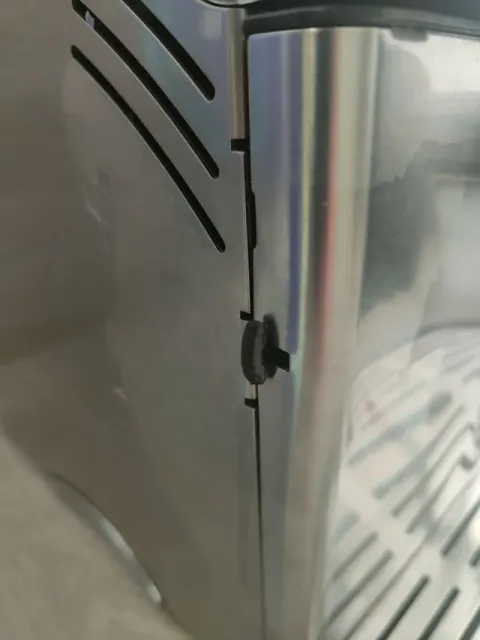
Saeco Incanto Coffee Machine - Grinder Adjustment Knob
Thingiverse
This collection gathers STL files for knobs and small fittings used on Saeco espresso machines. It covers steam knobs, grinder adjustment dials, door and latch parts, and generic knurled knobs sized for common metric screws. When a plastic knob on a machine has cracked or gone missing, a printed replacement is one way to keep the machine working. Polyzon does not confirm whether models are free, their price, license, official status, affiliation, safety or fitness. Check the current terms at the source.
Le texte de cette collection est rédigé en anglais ; la recherche, elle, fonctionne dans toutes les langues.
 Une collection Polyzon · 39 modèles sur 4 plateformes
Polyzon compose cette collection à partir des résultats de recherche des plateformes connectées. Les doublons et les modèles sans aperçu sont retirés, les correspondances faibles sont placées à la fin, et le reste suit l’ordre de la recherche. Les modèles appartiennent à leurs auteurs : consultez les conditions sur la page de chaque modèle.
Règles de sélection : la rédaction de Polyzon · Texte mis à jour le 14/10/2026


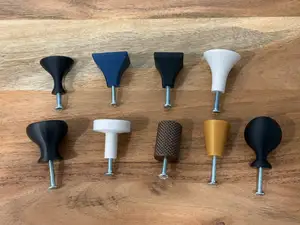

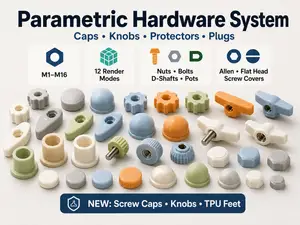

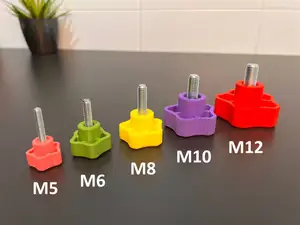

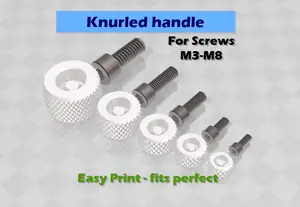

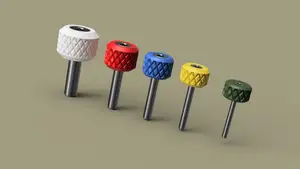

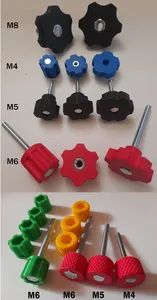

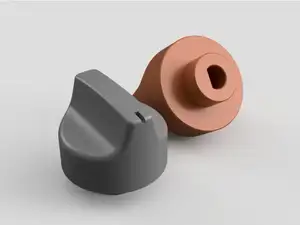

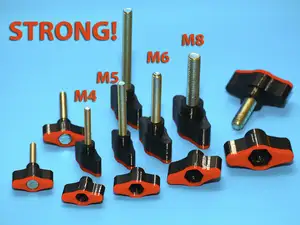



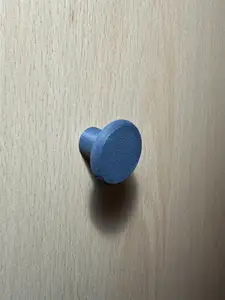






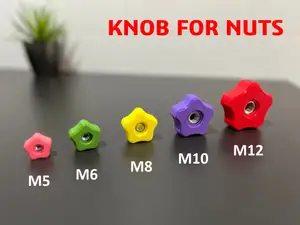

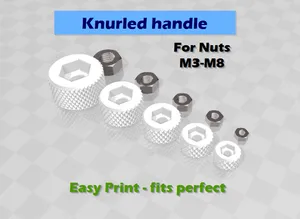
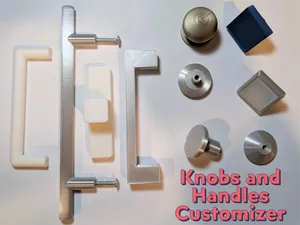
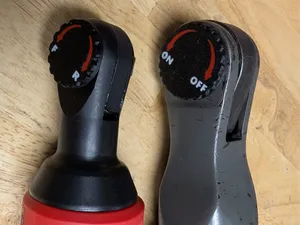
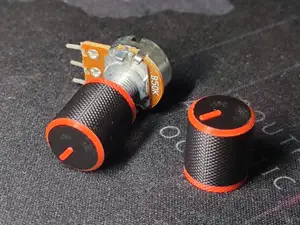

The models fall into a few groups. Steam knobs sit on the front or side of the machine and are turned by hand, so their shape usually includes a grip pattern and a shaft or screw fitting. Grinder and dose knobs are smaller and often indexed, with markings or detents that set a position. Door, latch and infuser parts are mechanical rather than decorative and have to line up with an existing opening or hinge. A separate group is not tied to any machine: knurled knobs, butterfly knobs and thumbscrews made for standard metric screws.
Before printing, open the author's model page and read what is listed there. Check the diameter and height of the knob, the bore or thread it expects, and whether the original screw is reused or a new one is needed. Look at the number of parts and whether assembly or glue is involved, and at whether the model needs supports. The material and settings the author names matter too, since a knob that is turned under load behaves differently from a decorative one. Photos of real prints show how the grip and the shaft came out.
If the results are thin, try other words for the same part: dial, handle, grip, cap or lever, and the machine series name rather than the word knob. Searching for the screw size, such as a knurled knob for an M5 or M6 screw, often turns up generic designs that fit the same job. Related topics are worth a look as well: grinds collectors, portafilter attachments and other small machine fittings are often published by the same authors.




Le catalogue complet des thèmes, de la maison à la CNC, avec une recherche sur tous les sites connectés.