

Gratuit 
Универсальный шаровой шарнир с открытым исходным кодом (для повторного использования!)
Cults3D
This collection gathers 3D models where a ball joint is the main feature: snap-fit and lockable joints, articulated figures, mounts and joints meant to be reused in other builds. It helps if you need a pivoting connection for a 3D printing project and want to compare how different authors solve the socket, the pin and the locking. Polyzon does not confirm whether models are free, their price, license, official status, affiliation, safety or fitness. Check the current terms at the source.
Le texte de cette collection est rédigé en anglais ; la recherche, elle, fonctionne dans toutes les langues.
 Une collection Polyzon · 47 modèles sur 6 plateformes
Polyzon compose cette collection à partir des résultats de recherche des plateformes connectées. Les doublons et les modèles sans aperçu sont retirés, les correspondances faibles sont placées à la fin, et le reste suit l’ordre de la recherche. Les modèles appartiennent à leurs auteurs : consultez les conditions sur la page de chaque modèle.
Règles de sélection : la rédaction de Polyzon · Texte mis à jour le 10/10/2026


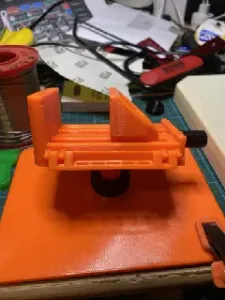


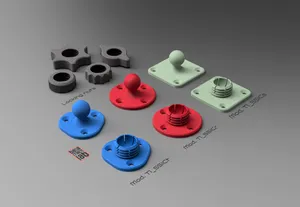
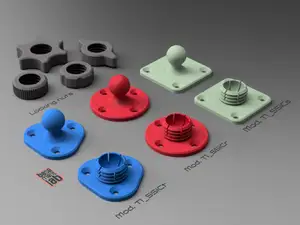

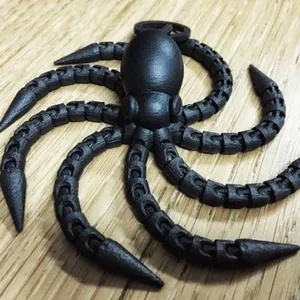

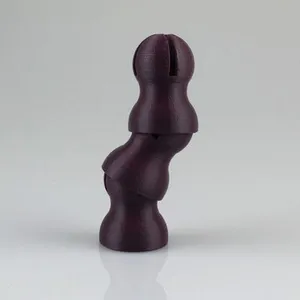


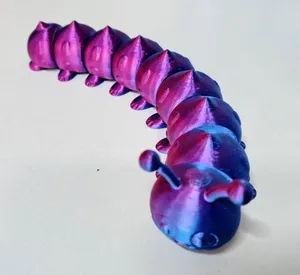


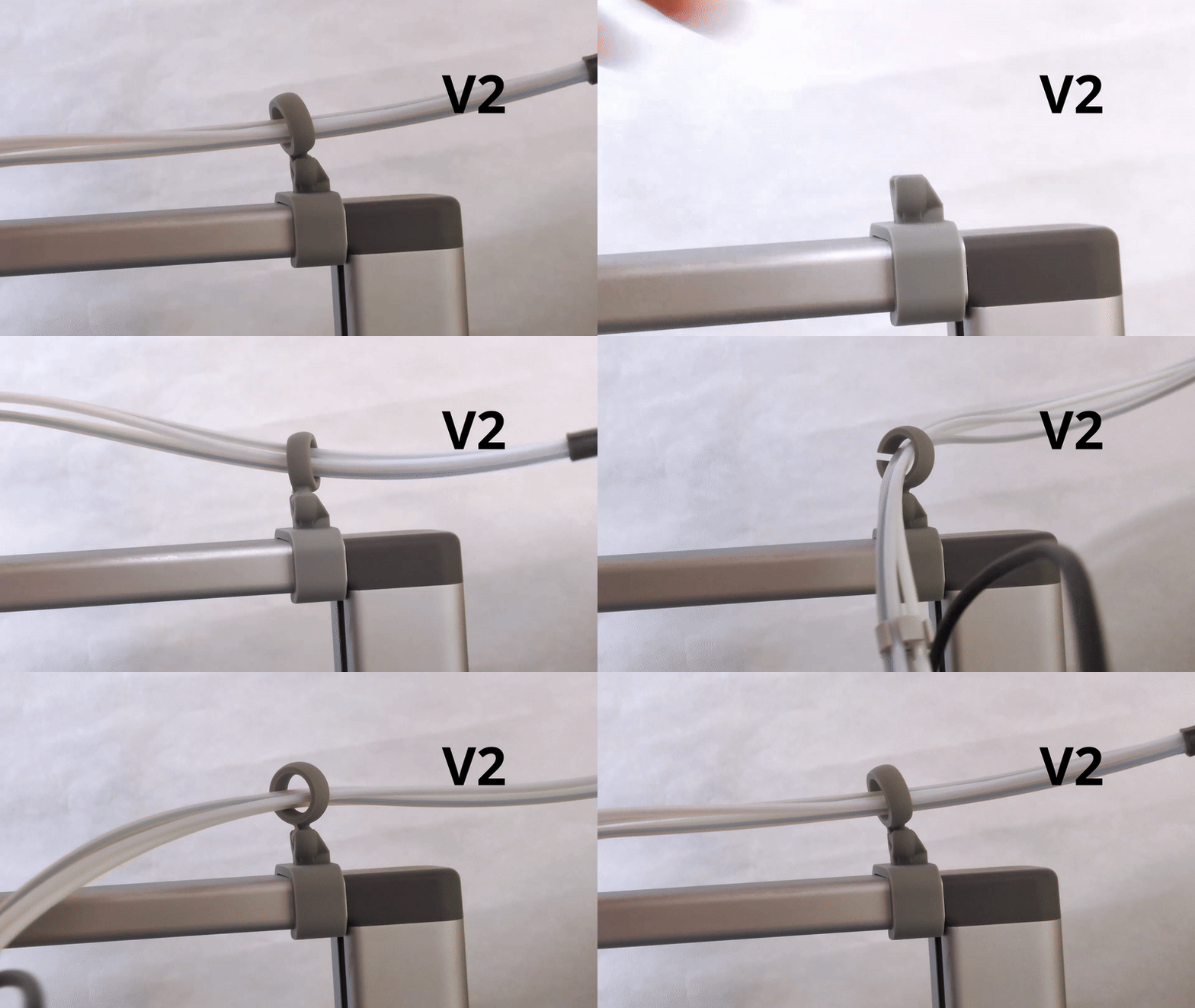
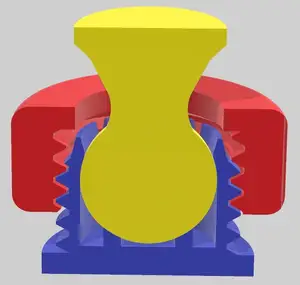
The models fall into a few groups. Snap-fit joints with a locking nut or ring are printed as separate parts and clipped together; articulated figures repeat the same joint many times to form a body; universal and lockable versions are drawn as generic parts so they can be dropped into another design; mounts and holders end in a ball so a lamp, speaker or camera can be angled. Mech and doll models use the same joint inside a larger assembly.
When choosing, open the author's model page and look at the size and scale, the number of parts and how they assemble, and whether supports are needed for the socket. Check the material and settings the author lists, since clearance between ball and socket behaves differently in PLA and in PETG, and look at photos of real prints to judge how the joint holds. A joint that is too tight can be sanded; one that is too loose is harder to correct.
To widen the search, try synonyms such as ball socket, spherical joint, pivot, swivel or snap joint, and combine them with the object you have in mind, for example arm, stand, bracket or figure. Related topics include articulated models, print-in-place mechanisms, poseable figures and modular mounts, which often use the same joint geometry under a different name.


Le catalogue complet des thèmes, de la maison à la CNC, avec une recherche sur tous les sites connectés.

