Gratuit 
pipe joint
Thingiverse
This collection gathers 3D models that connect, extend or redirect pipes, hoses and tubes. It covers straight unions, threaded adapters, angled and cross fittings, clamps and parametric generators that build a joint around your own measurements. Useful when a store-bought part does not match the diameter you have, or when you want to adapt a printed piece to an existing run. Polyzon does not confirm whether models are free, their price, license, official status, affiliation, safety or fitness. Check the current terms at the source.
Le texte de cette collection est rédigé en anglais ; la recherche, elle, fonctionne dans toutes les langues.
 Une collection Polyzon · 46 modèles sur 4 plateformes
Polyzon compose cette collection à partir des résultats de recherche des plateformes connectées. Les doublons et les modèles sans aperçu sont retirés, les correspondances faibles sont placées à la fin, et le reste suit l’ordre de la recherche. Les modèles appartiennent à leurs auteurs : consultez les conditions sur la page de chaque modèle.
Règles de sélection : la rédaction de Polyzon · Texte mis à jour le 12/10/2026
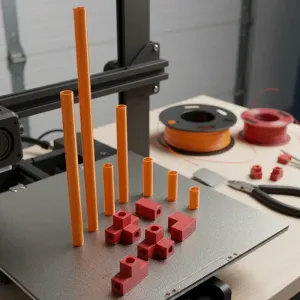

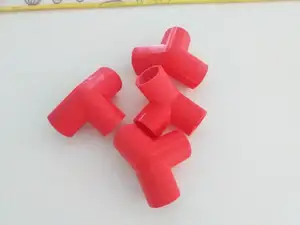
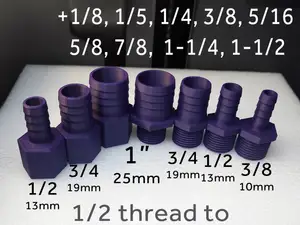
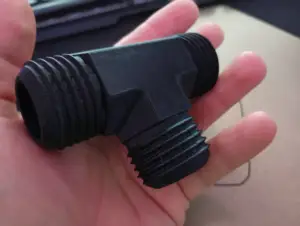


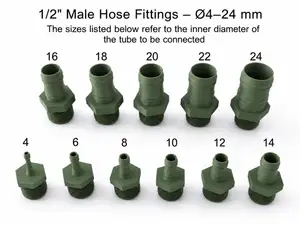
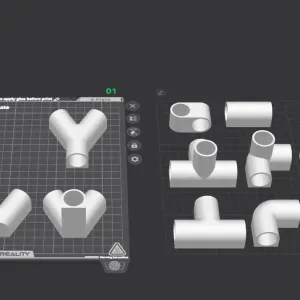

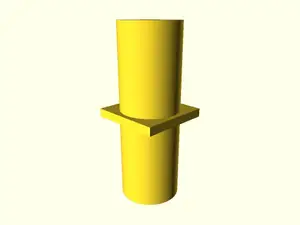
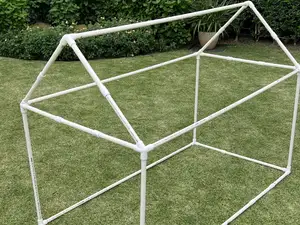
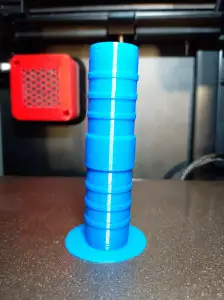

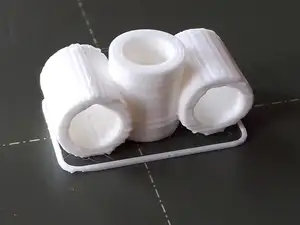
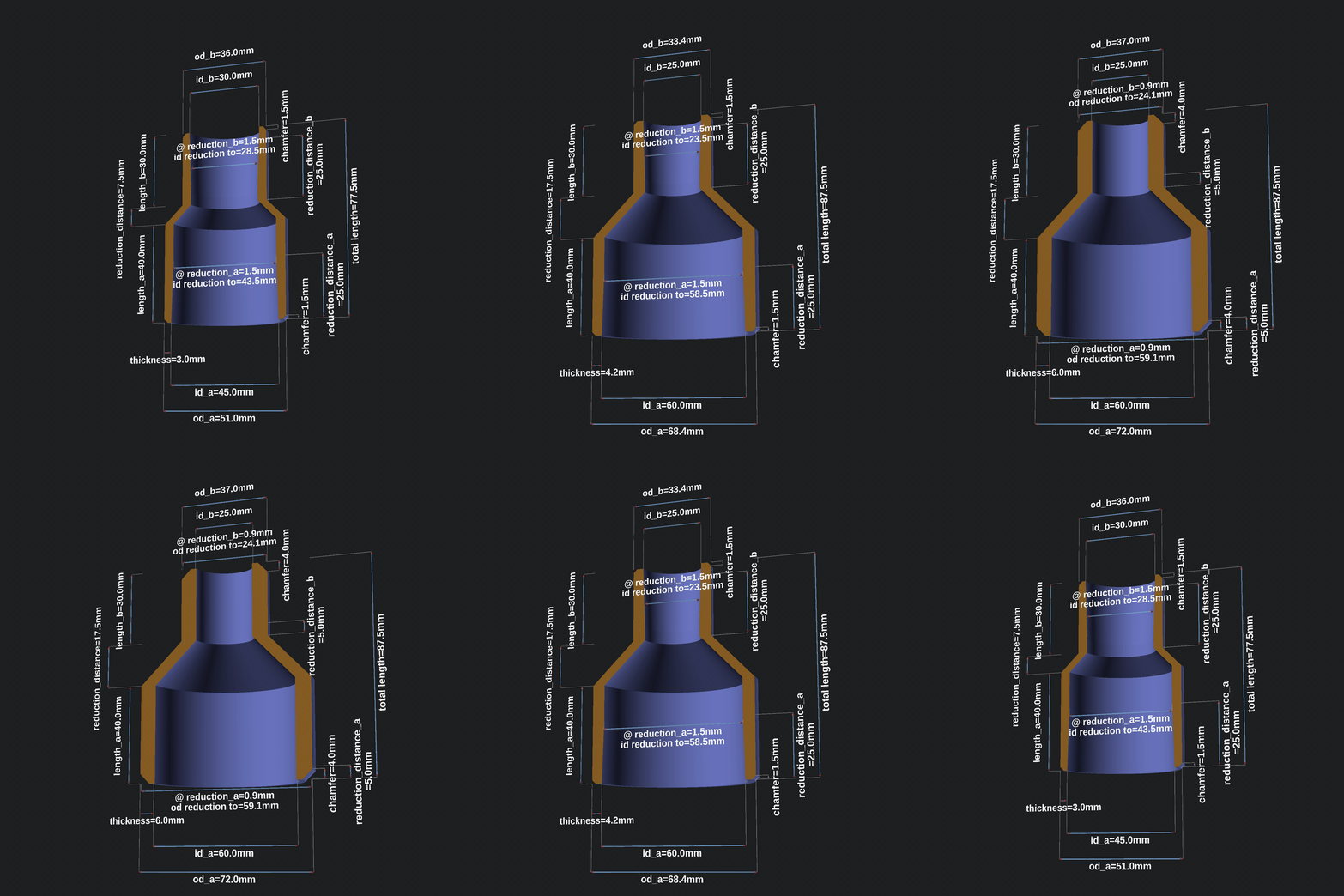
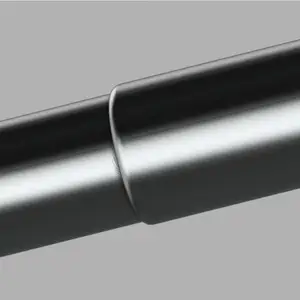


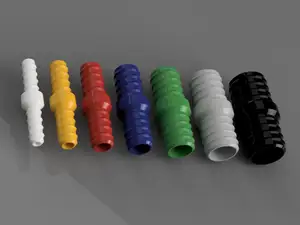
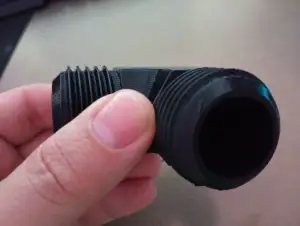

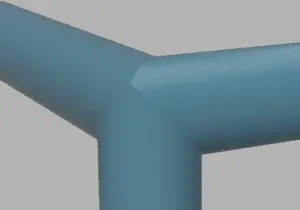
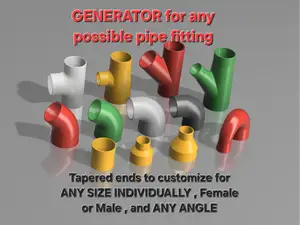
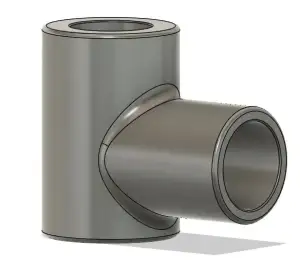
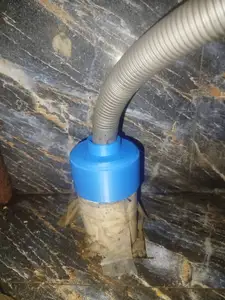
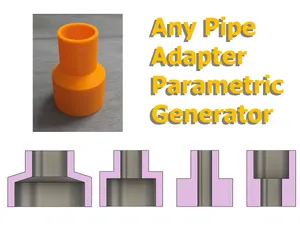
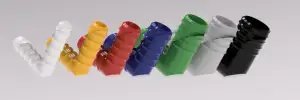

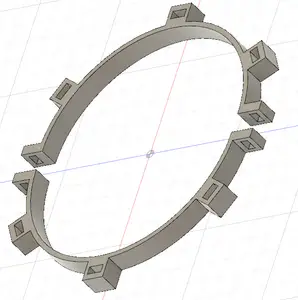
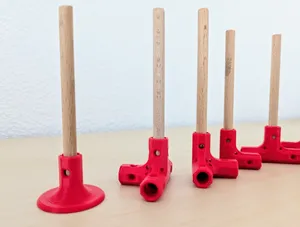
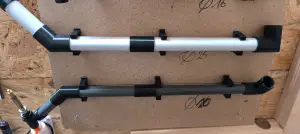

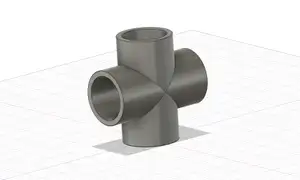
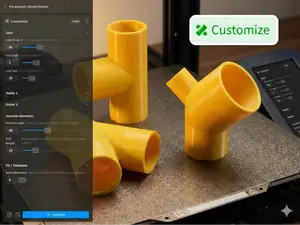

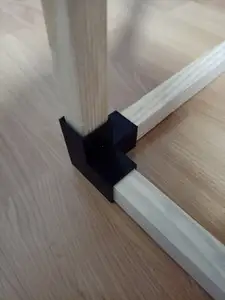
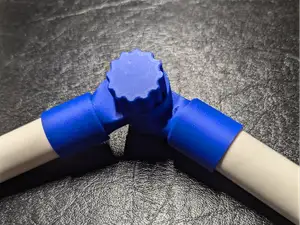
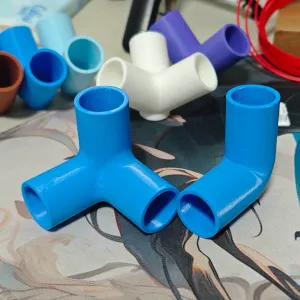

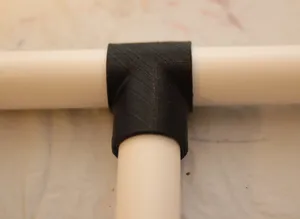
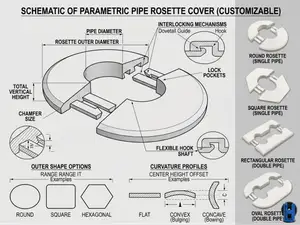
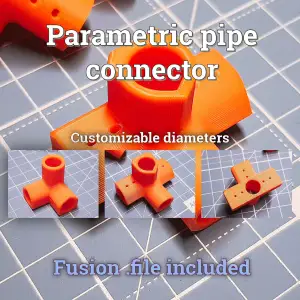
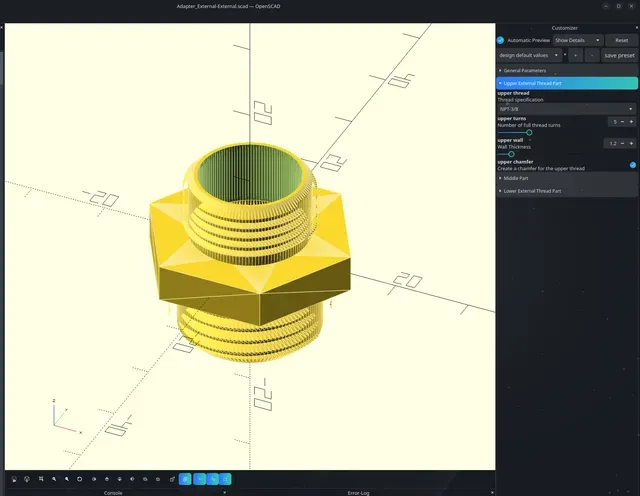
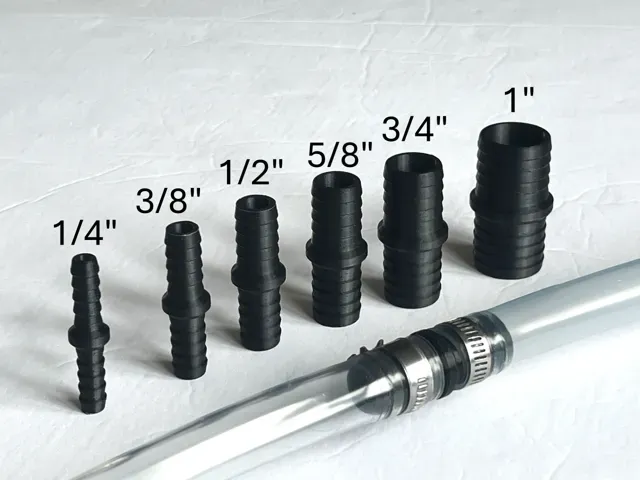
The models differ mainly in how they attach. Some slide over a smooth or ribbed tube and hold it by friction, others rely on a printed thread that mates with a standard pipe thread, and a third group is meant to be glued or clamped in place. Branching parts come in fixed angles or as cross pieces, while pivoting designs allow the connected sections to rotate. Parametric files take a different approach: instead of a fixed shape, you enter the outer and inner diameters, wall thickness and thread type, and the geometry is generated to match.
Before printing, open the author's page and read what the model expects. Check the nominal diameter and whether it refers to the inner or outer measurement, the thread standard if one is used, and how much clearance is built into the mating surfaces. Look at the part count and whether the joint prints as one piece or has to be assembled. Layer orientation matters for threads and for anything that carries load, so see which way the author oriented the model and which material and settings they list. Photos of real prints show how the surfaces and threads came out better than a render does.
If the first results do not match your case, try other wording: connector, coupler, adapter, reducer, splice, elbow, manifold, or the name of the tube type you are joining. Searching by the diameter or by the thread designation often narrows things faster than a generic term. Related topics worth checking are hose adapters for household appliances, fittings for garden irrigation, and pipe-based frame or furniture builds, where the same joint shapes reappear in a different context.



Le catalogue complet des thèmes, de la maison à la CNC, avec une recherche sur tous les sites connectés.