免费 
Chinese wall lamp
Thingiverse
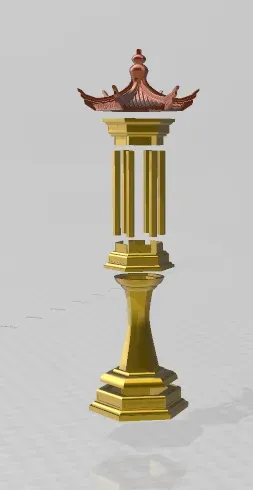
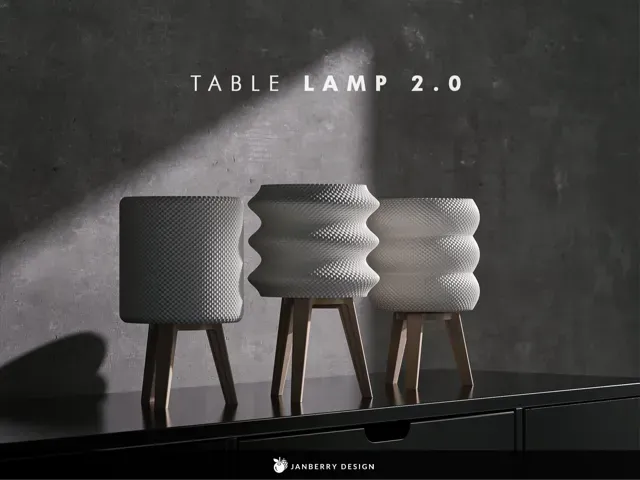
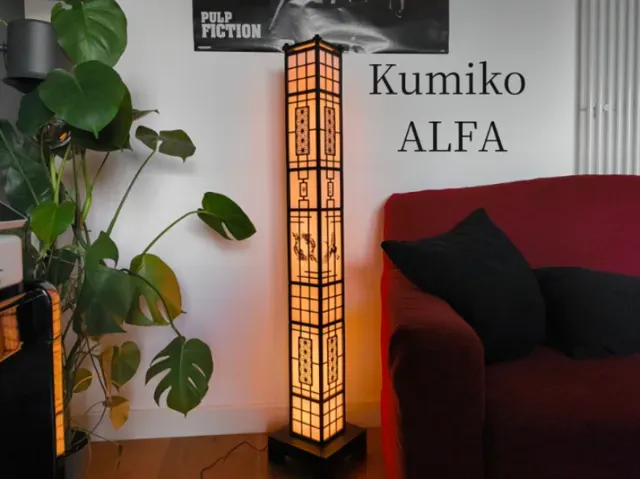
This collection gathers 3D models for lamps in Chinese and wider East Asian styles: lantern shades, shoji panels, small LED mood lights and New Year designs. Most of them are made for a 3D printer and assembled around a bulb, an LED strip or a small light module. It is useful if you want a light fixture whose shape and pattern you can adjust before printing. Polyzon does not confirm whether models are free, their price, license, official status, affiliation, safety or fitness. Check the current terms at the source.
本合集的文字为英文,搜索本身支持任何语言。
 Polyzon合集 · 47个模型 来自4个平台
此合集由Polyzon根据已接入平台的搜索结果整理而成:去除重复项和没有预览图的模型,匹配度低的排在最后,其余按搜索结果顺序排列。模型归作者所有——请在各模型页面查看使用条款。
筛选规则:Polyzon编辑部 · 文字更新于2026年10月13日


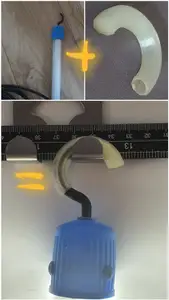
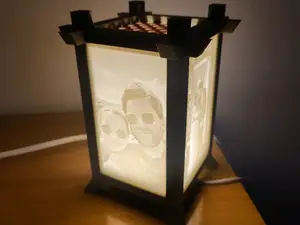
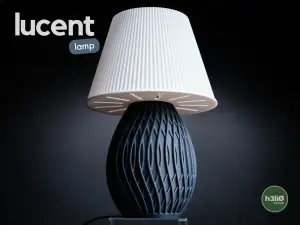


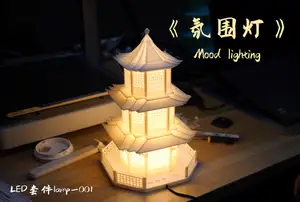
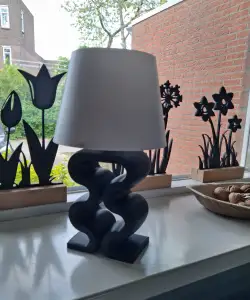


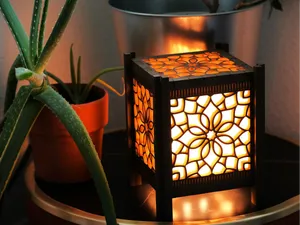


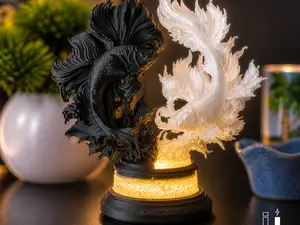
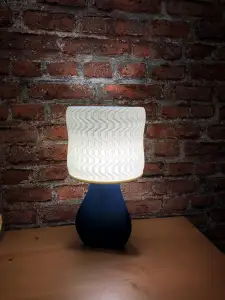


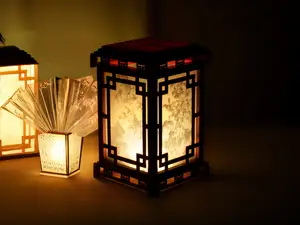
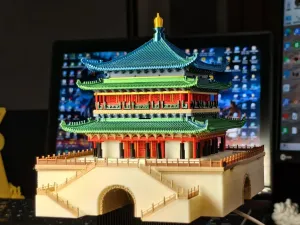


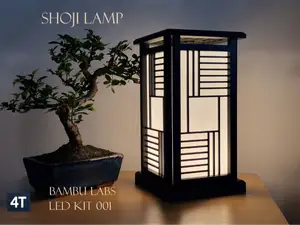

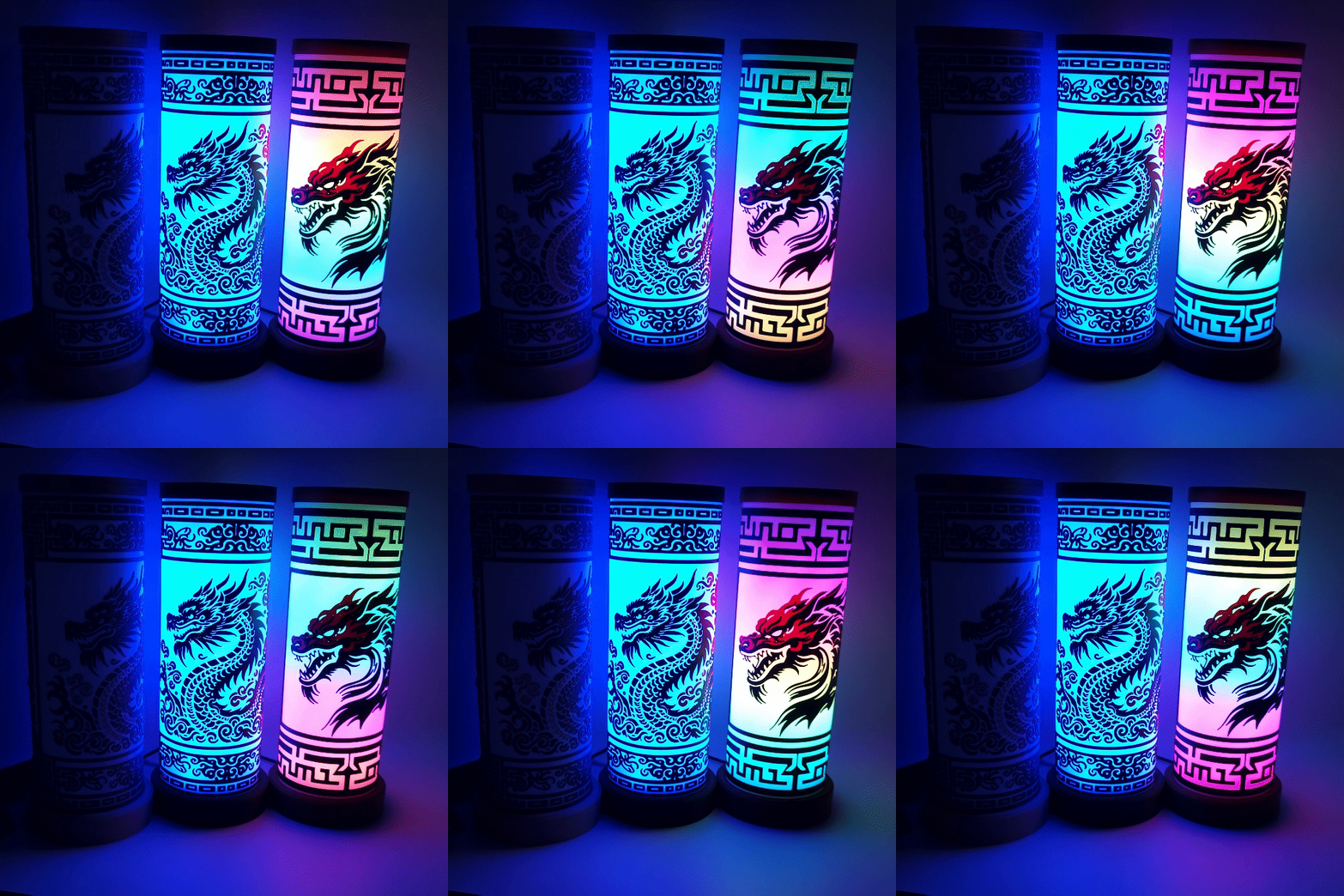
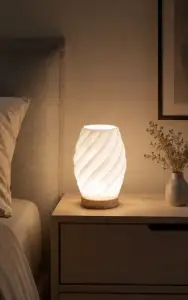

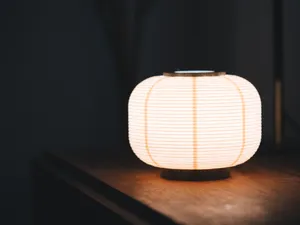
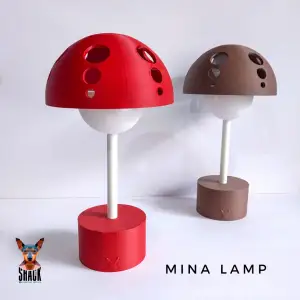

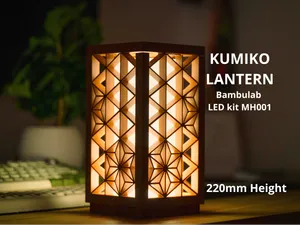
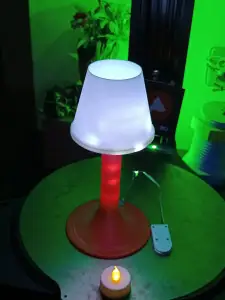

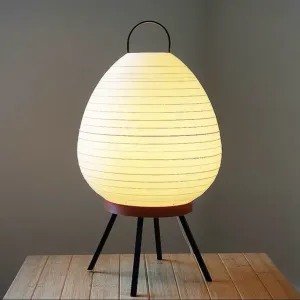

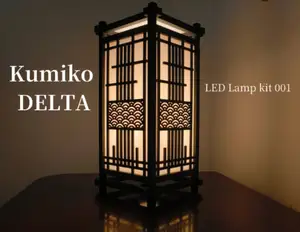

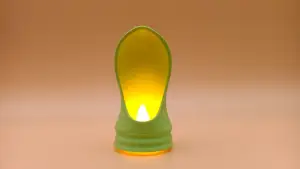
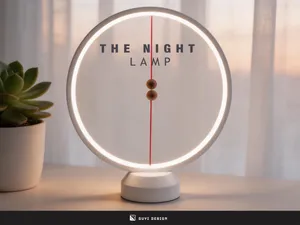
The models differ mainly in how the light leaves the shade. Lantern-style pieces are usually built from ribs or panels and throw a broad, patterned glow, while shoji and kumiko designs rely on a grid of thin wooden-looking strips over a translucent sheet. Lightboxes and mood lamps work the other way round: the light passes through a flat printed picture or a thin wall, so the shape of the housing matters less than the artwork on it. Desk and table versions add a base, a stem or a tripod, which turns the shade into a larger object with more parts.
Before printing, open the author's model page and read what is listed there: overall size and scale, wall thickness of the shade, number of separate parts and how they join, and whether the model needs supports. Check which material and settings the author used, since translucent filament, thin white walls and opaque frames all behave differently and change how the light spreads. Photos of real prints are the most useful reference for judging wall thickness and surface finish, especially on curved lantern panels.
If the results feel narrow, try related wording: lantern, shoji, kumiko, lightbox, lithophane, mood light, night light, or the name of a room such as tea house. Combining a style word with a function word, for example a wall lamp or a desk lamp, usually brings up a different set of files than a single term. You can also search by the light source you already have, such as an LED strip or a small module, to find housings built around that size.
完整的主题目录:从家居日用到CNC,均可在已接入的来源平台中搜索。