Gratuit 
Tapered thread bowden coupling PC4-M6, PC4-M10
Thingiverse
This collection gathers 3D models that join things together: hose and pipe couplings, cable connectors, board joints and replacement parts for existing hardware. Most of them are small, functional pieces where a fraction of a millimetre decides whether the two sides meet. That makes the collection useful when a store-bought part no longer exists or does not fit your 3D printer setup. Polyzon does not confirm whether models are free, their price, license, official status, affiliation, safety or fitness. Check the current terms at the source.
Le texte de cette collection est rédigé en anglais ; la recherche, elle, fonctionne dans toutes les langues.
 Une collection Polyzon · 47 modèles sur 4 plateformes
Polyzon compose cette collection à partir des résultats de recherche des plateformes connectées. Les doublons et les modèles sans aperçu sont retirés, les correspondances faibles sont placées à la fin, et le reste suit l’ordre de la recherche. Les modèles appartiennent à leurs auteurs : consultez les conditions sur la page de chaque modèle.
Règles de sélection : la rédaction de Polyzon · Texte mis à jour le 12/10/2026
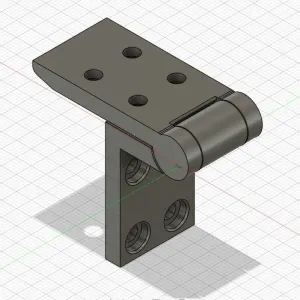

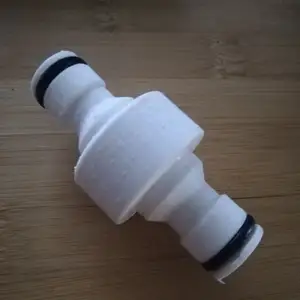
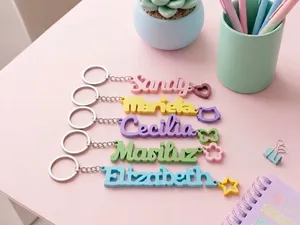
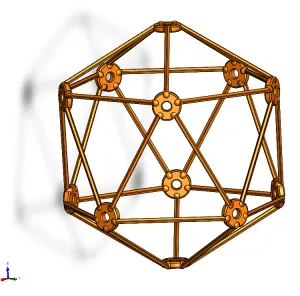


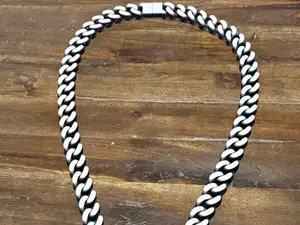
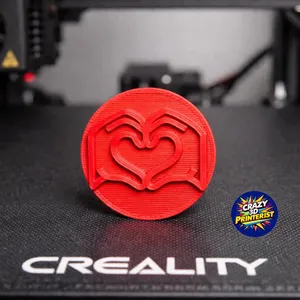

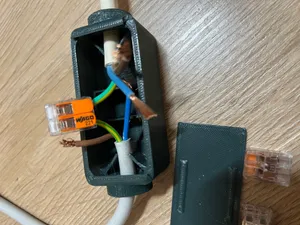
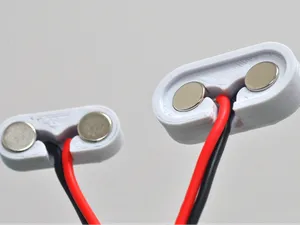


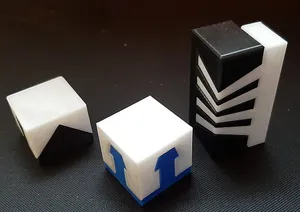
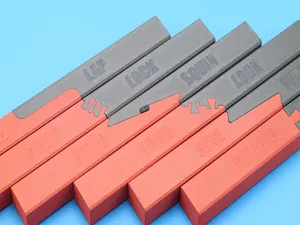
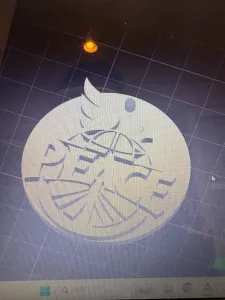


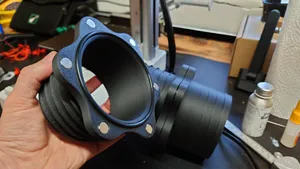
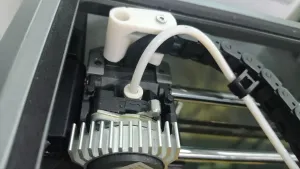


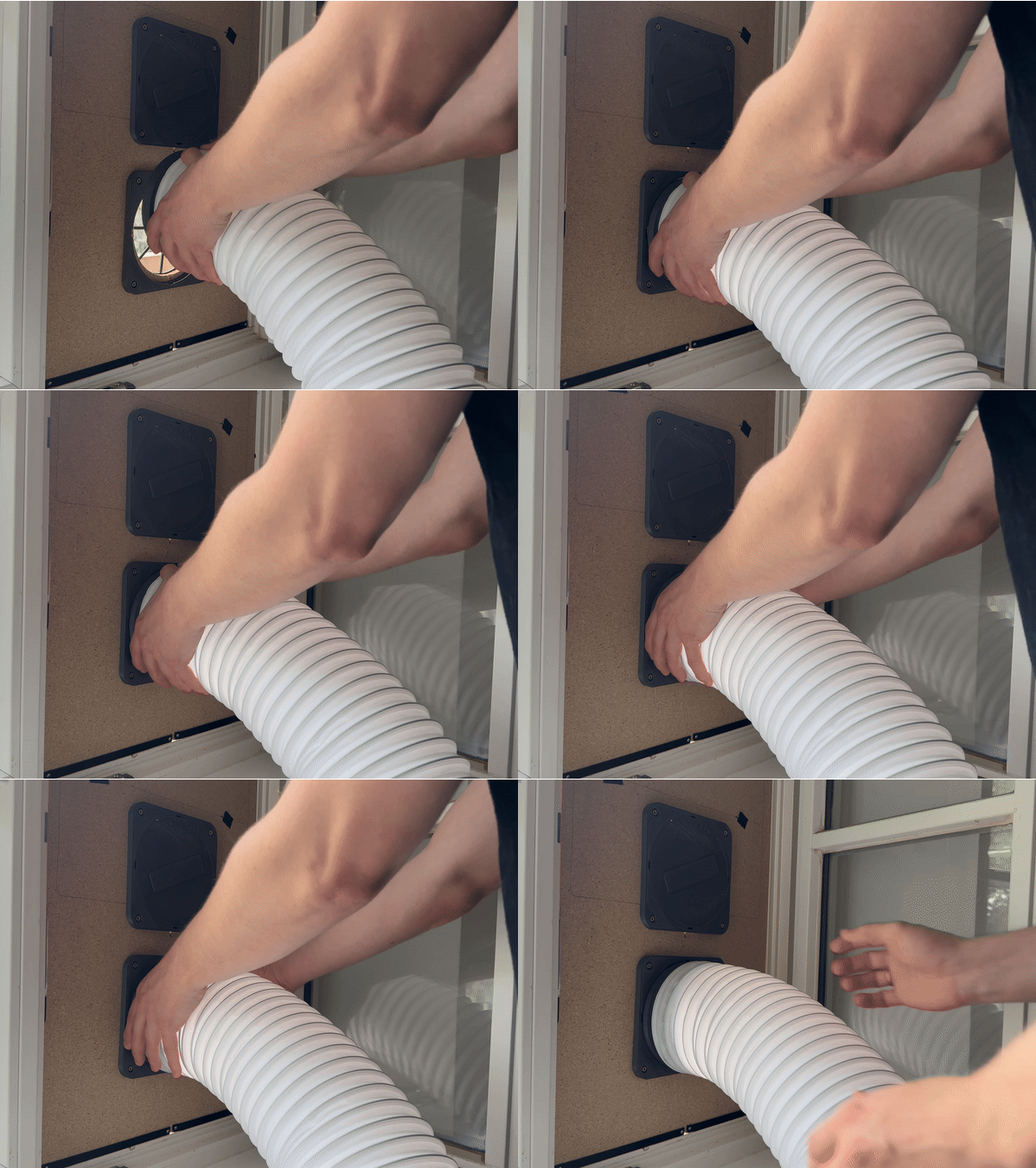
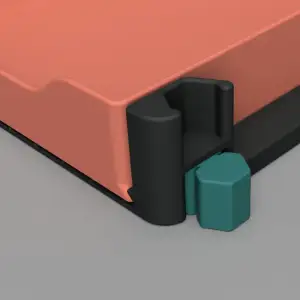

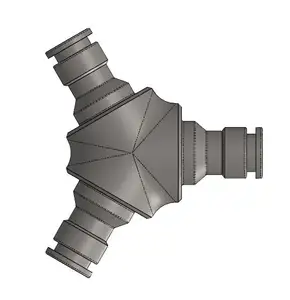
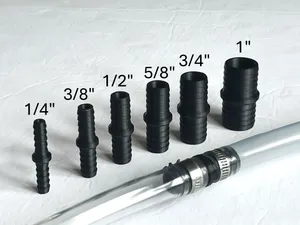


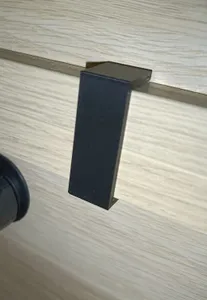
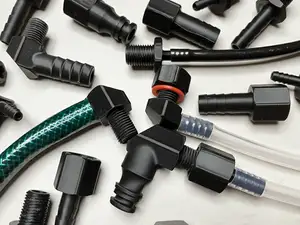



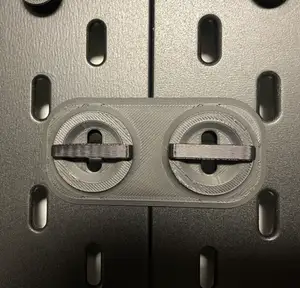
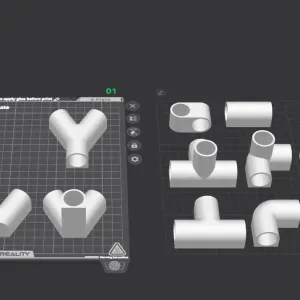


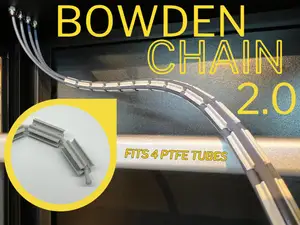
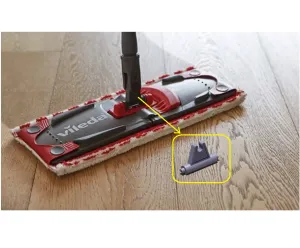
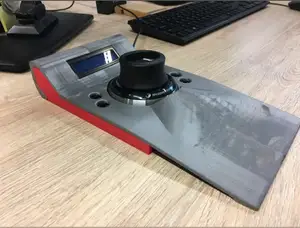
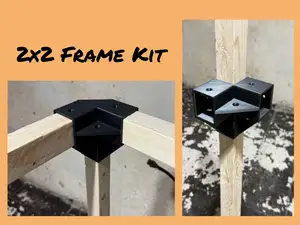

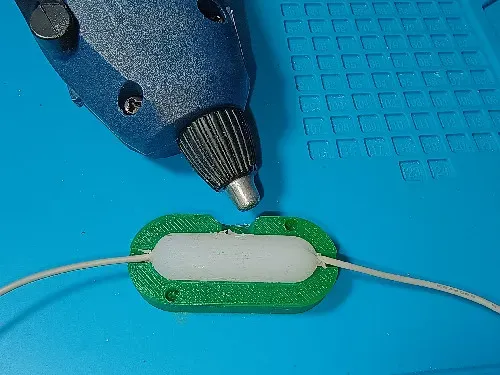
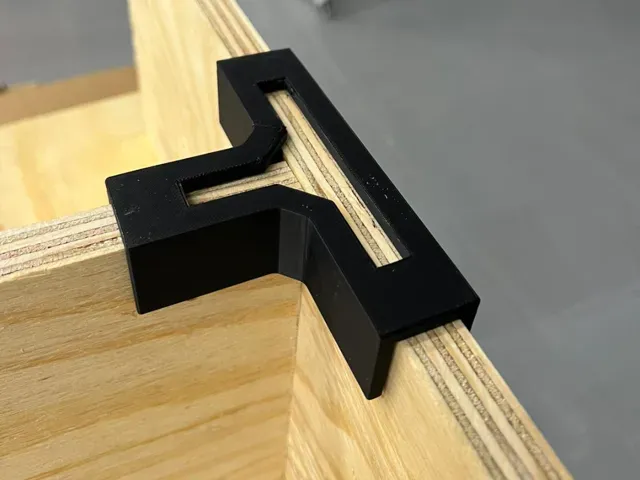
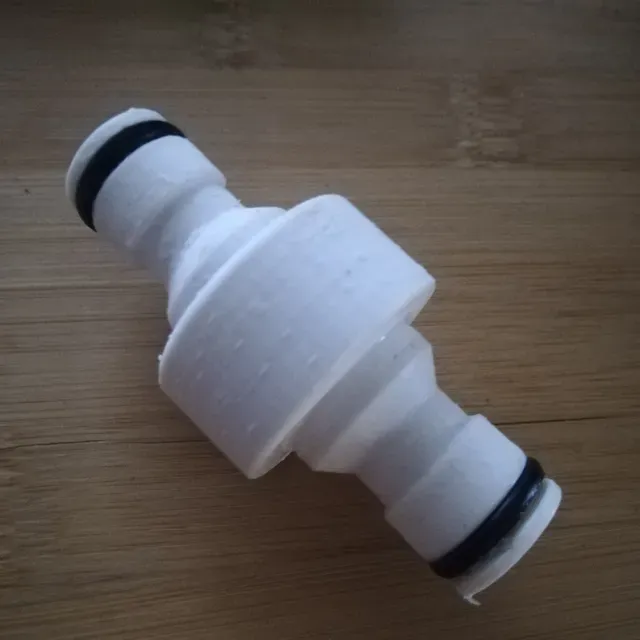
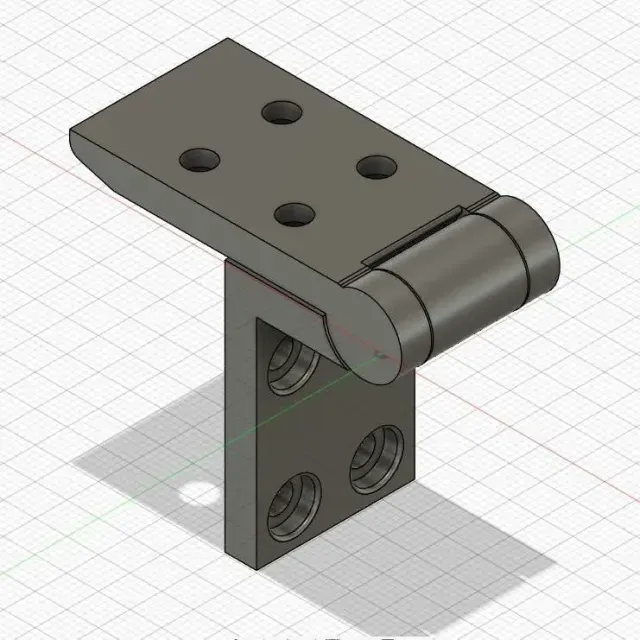
The models fall into a few groups. Hose and pipe couplings cover threaded adapters, T-joints and magnetic duct rings, and they differ mainly in the connection standard they copy. Electrical parts range from quick cable boxes and wire seals to small magnetic contacts for projects. Furniture and board joints, hinges and replacement parts for toys or devices form a third group, where the geometry is usually simpler but the fit is tighter.
When choosing a model, read the author's page before downloading. Check the stated diameter, thread type and pitch, wall thickness and the number of separate parts, since a coupling printed as one piece behaves differently from a two-part assembly. Look at whether supports are needed and where they would sit inside a thread or a bore. Material and settings matter too: rigid parts and parts that must flex are printed differently, and photos of real prints show how the surfaces and tolerances came out.
If the first search gives little, try synonyms and related terms. Coupling, adapter, joint, fitting, connector and reducer often describe the same object, and adding a standard or a size narrows the list quickly. Related topics are worth a look as well: replacement parts for specific devices, cable management, plumbing fittings, hinges and magnetic mounts. Changing the wording usually brings more results than scrolling through the same query.



Le catalogue complet des thèmes, de la maison à la CNC, avec une recherche sur tous les sites connectés.