
Gratuit 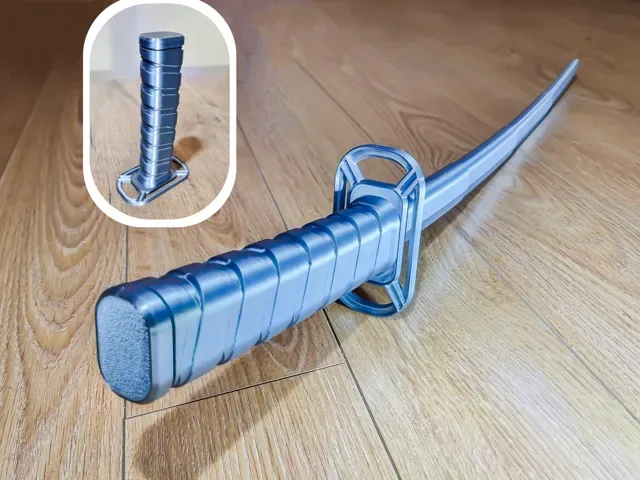
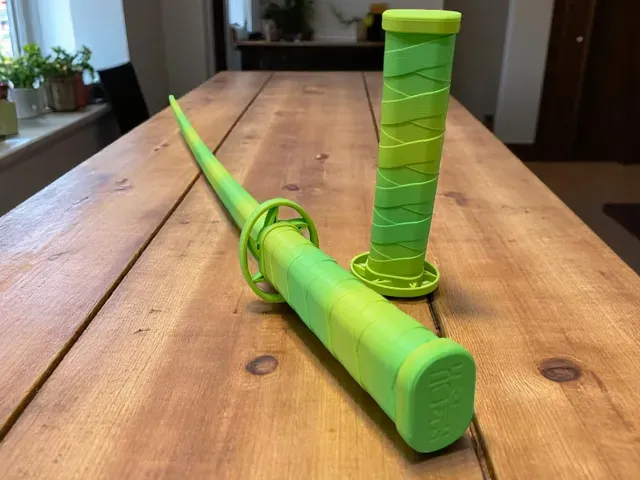
Stainless Katana Sword (Print in Place)
MakerWorld
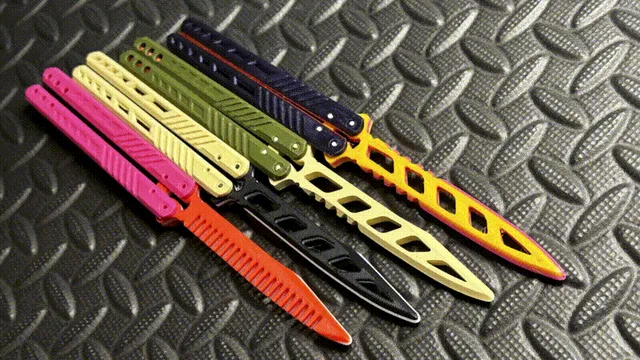
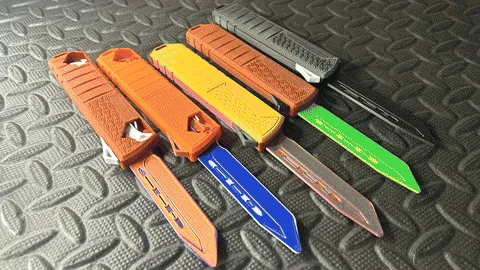
This collection gathers sword 3D models in several directions: collapsing print-in-place blades, katana and samurai shapes, replicas from games and films, and fantasy or historical designs. It is useful when you want a prop, a display piece or a small novelty item and need to compare how each one is built. Every listing links to a source page, so you can read the author's notes before starting a 3D printing session. Polyzon does not confirm whether models are free, their price, license, official status, affiliation, safety or fitness. Check the current terms at the source.
Le texte de cette collection est rédigé en anglais ; la recherche, elle, fonctionne dans toutes les langues.
 Une collection Polyzon · 47 modèles sur 4 plateformes
Polyzon compose cette collection à partir des résultats de recherche des plateformes connectées. Les doublons et les modèles sans aperçu sont retirés, les correspondances faibles sont placées à la fin, et le reste suit l’ordre de la recherche. Les modèles appartiennent à leurs auteurs : consultez les conditions sur la page de chaque modèle.
Règles de sélection : la rédaction de Polyzon · Texte mis à jour le 11/10/2026

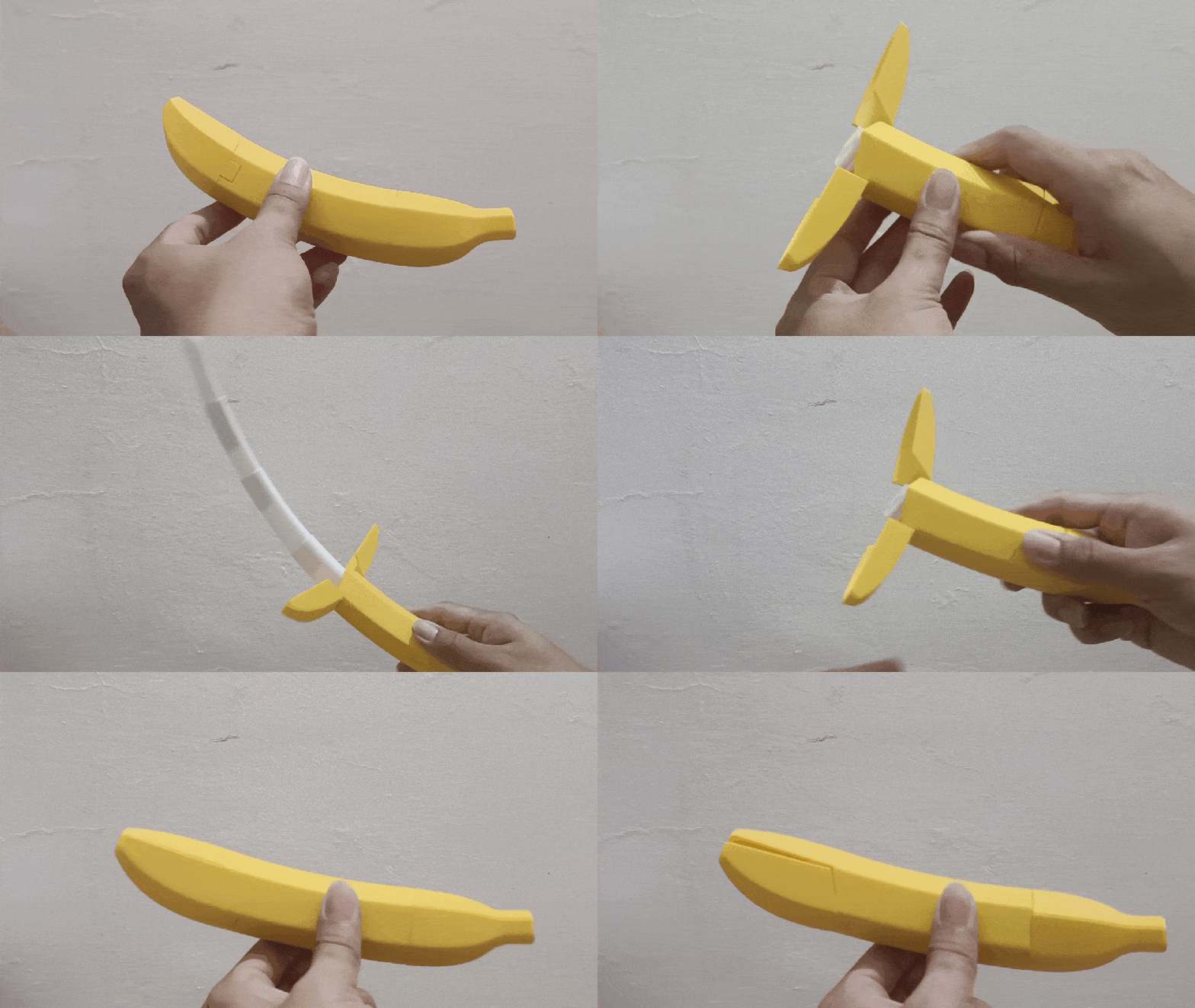
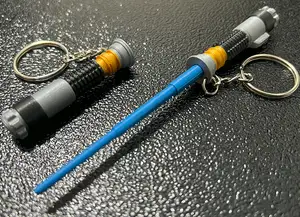
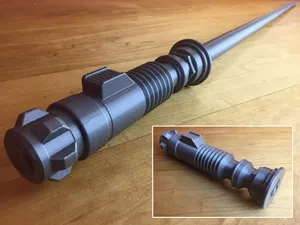

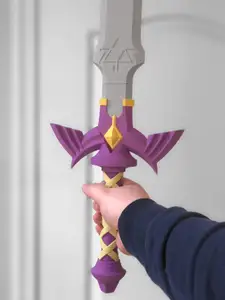
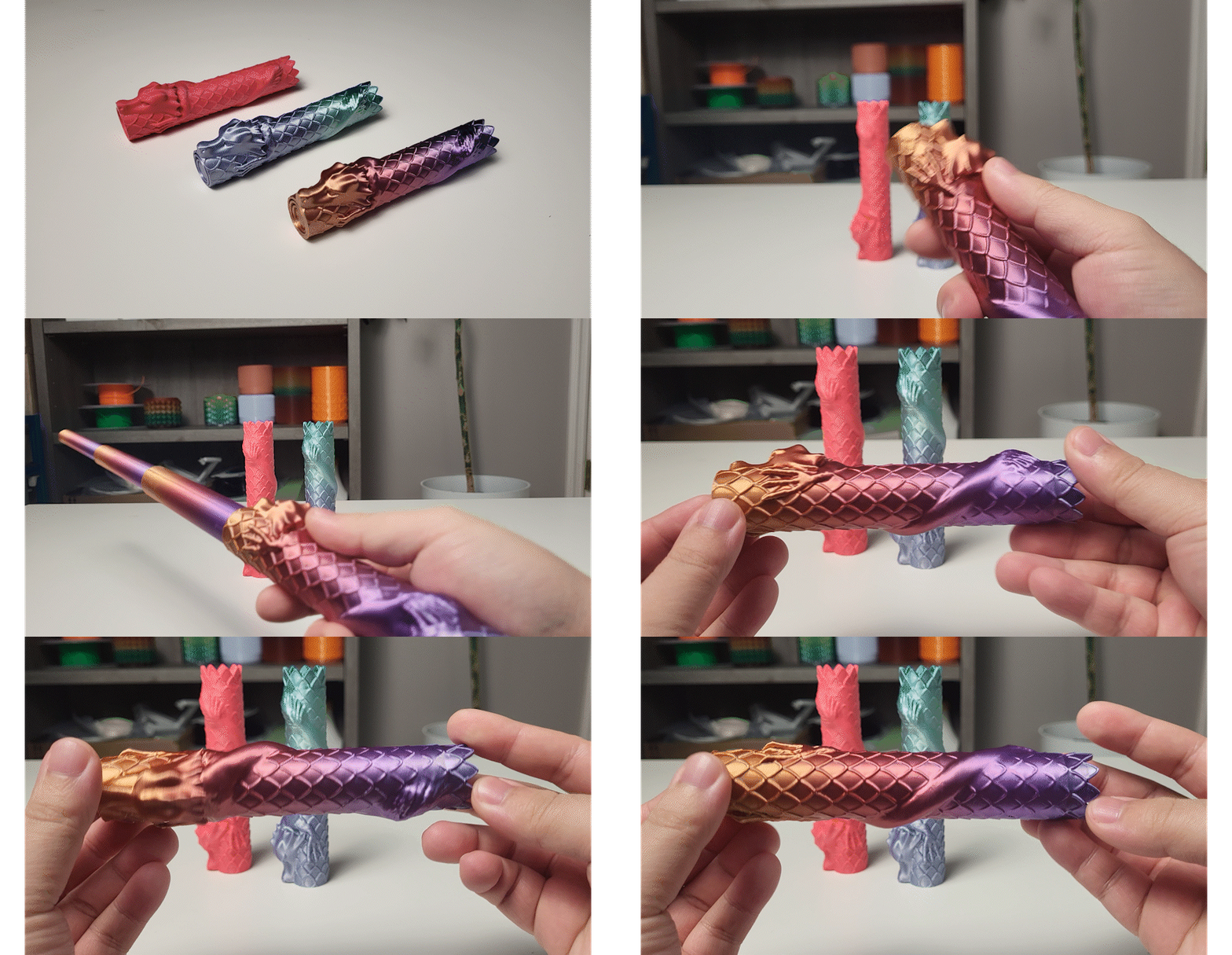
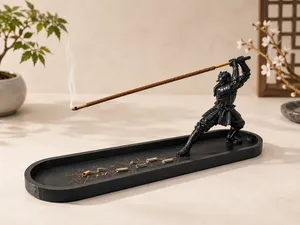

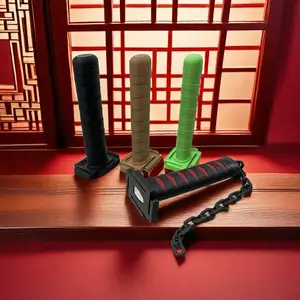
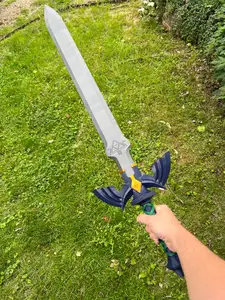
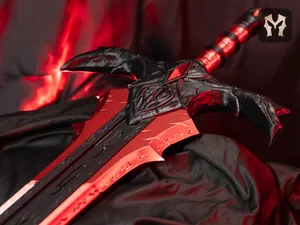
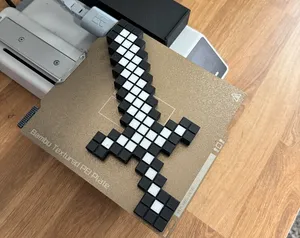


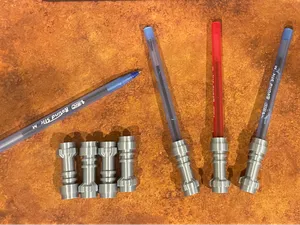

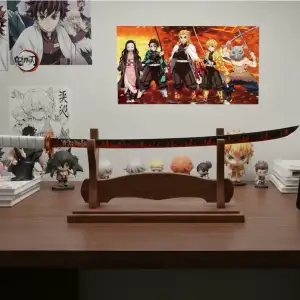
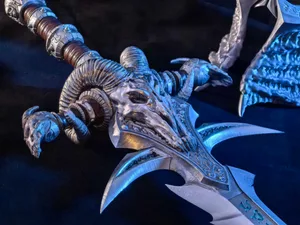
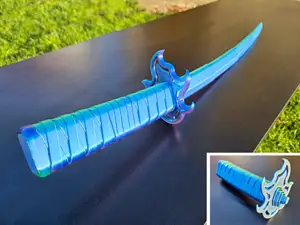

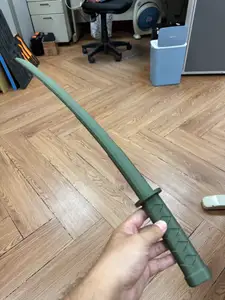

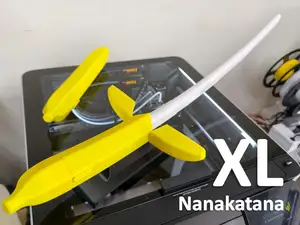
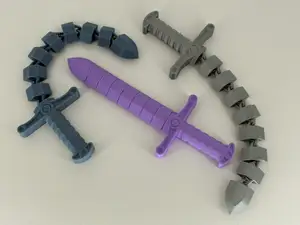

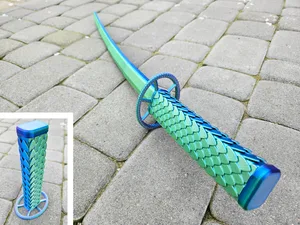

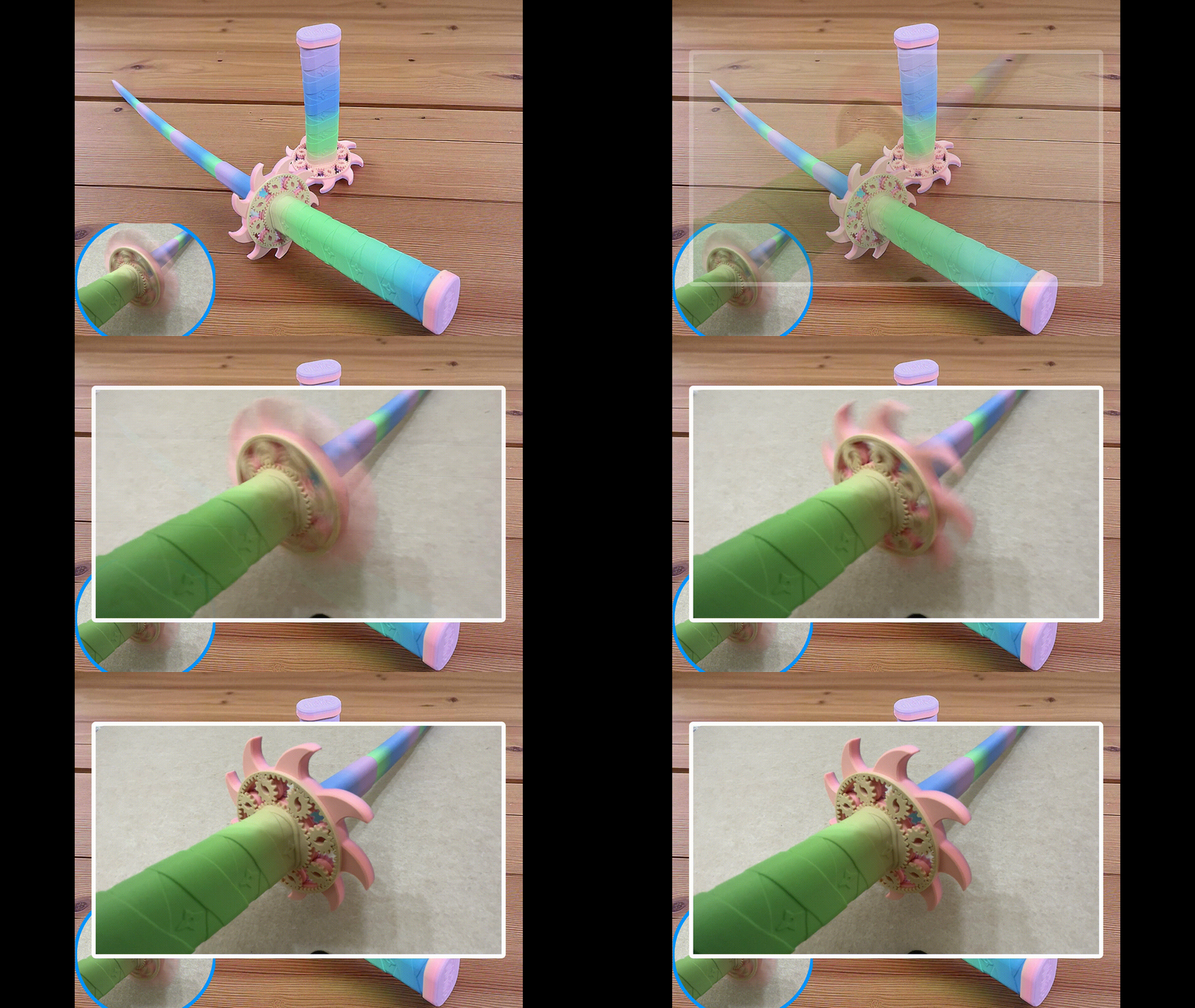
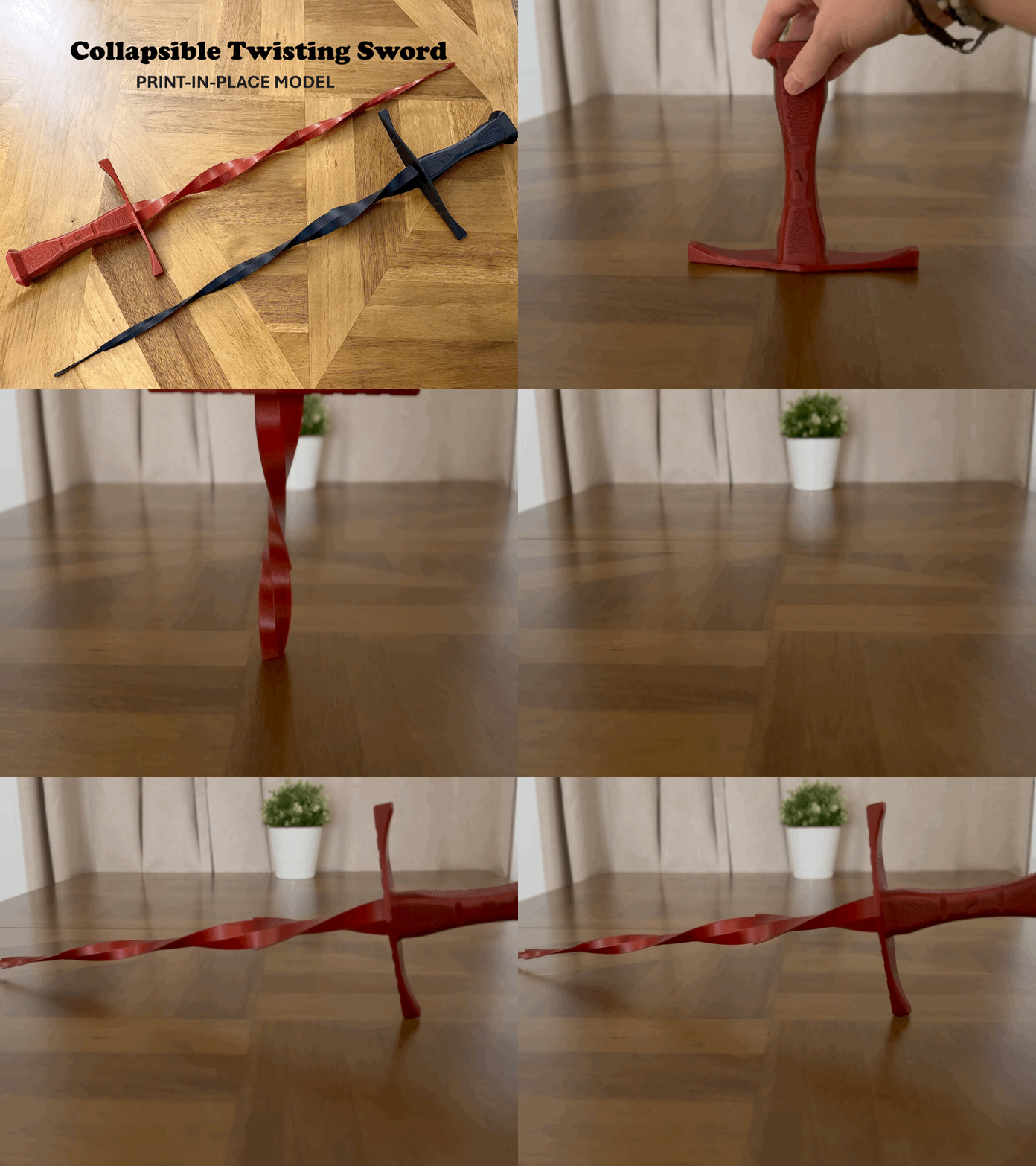

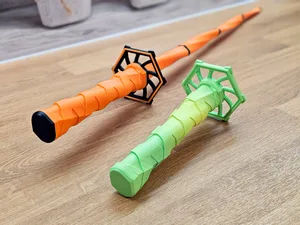

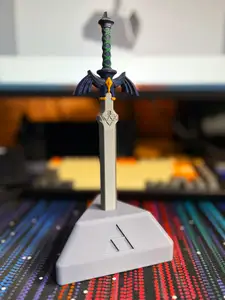

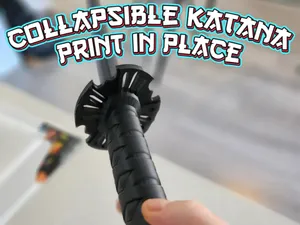
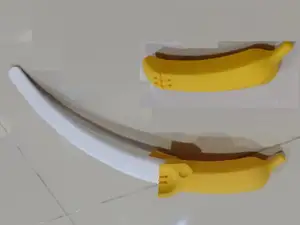
The range splits mainly by how the sword is put together. Collapsing and print-in-place designs come off the plate as one moving piece, while katana, samurai and replica swords are usually split into blade, guard, handle and pommel. Fantasy and historical blades often follow a single sculpted shape, and small novelty versions trade detail for a shorter print.
When choosing, open the model page and read what the author states: overall length and scale, the number of separate parts, whether glue or pins hold them together, and whether supports are required. Look at the material and layer height the author lists, since long thin blades behave differently from compact handles. Photos of real prints, including close-ups of joints and tips, tell you more than a render.
To widen or narrow the results, try related terms such as katana, longsword, dagger, prop, cosplay or display stand, and combine them with print-in-place or collapsible. If you want a specific look, search by franchise or by historical period instead of the generic word. Adding a size word, like mini or full scale, helps separate wearable props from shelf pieces.
Le catalogue complet des thèmes, de la maison à la CNC, avec une recherche sur tous les sites connectés.