
免费 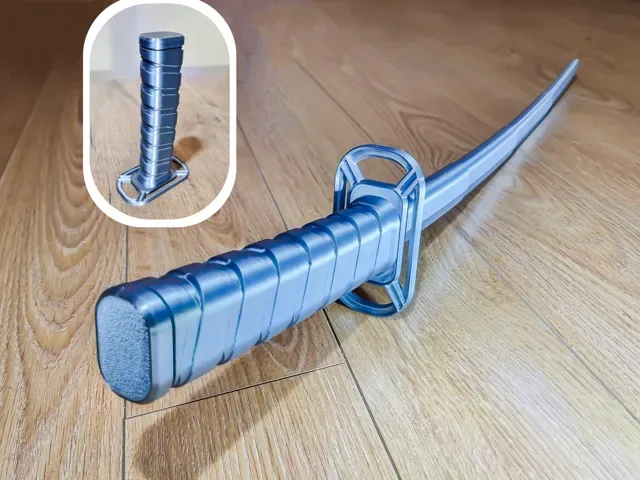
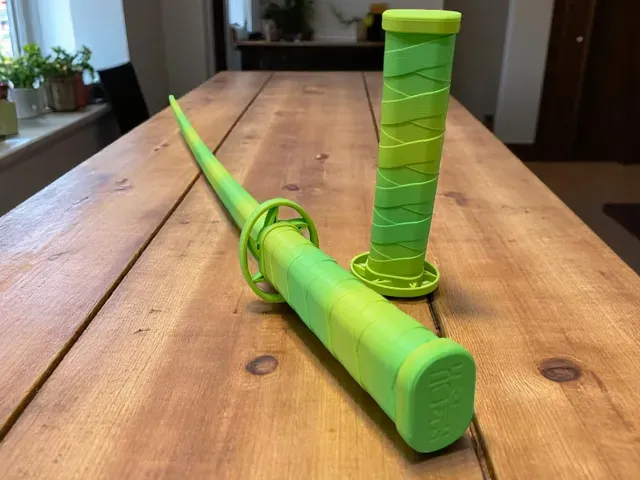
Stainless Katana Sword (Print in Place)
MakerWorld
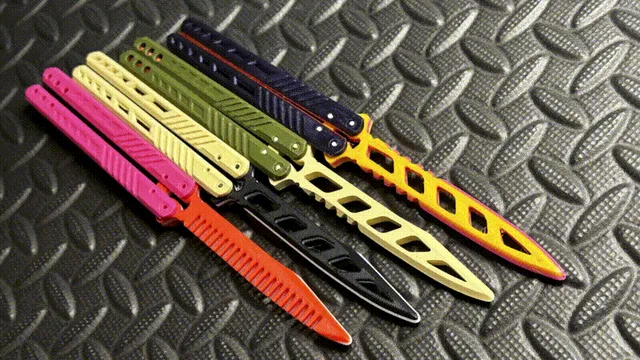
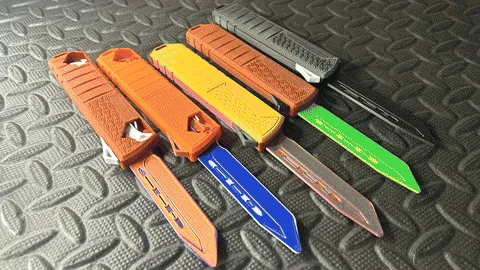
This collection gathers sword 3D models in several directions: collapsing print-in-place blades, katana and samurai shapes, replicas from games and films, and fantasy or historical designs. It is useful when you want a prop, a display piece or a small novelty item and need to compare how each one is built. Every listing links to a source page, so you can read the author's notes before starting a 3D printing session. Polyzon does not confirm whether models are free, their price, license, official status, affiliation, safety or fitness. Check the current terms at the source.
本合集的文字为英文,搜索本身支持任何语言。
 Polyzon合集 · 47个模型 来自4个平台
此合集由Polyzon根据已接入平台的搜索结果整理而成:去除重复项和没有预览图的模型,匹配度低的排在最后,其余按搜索结果顺序排列。模型归作者所有——请在各模型页面查看使用条款。
筛选规则:Polyzon编辑部 · 文字更新于2026年10月11日

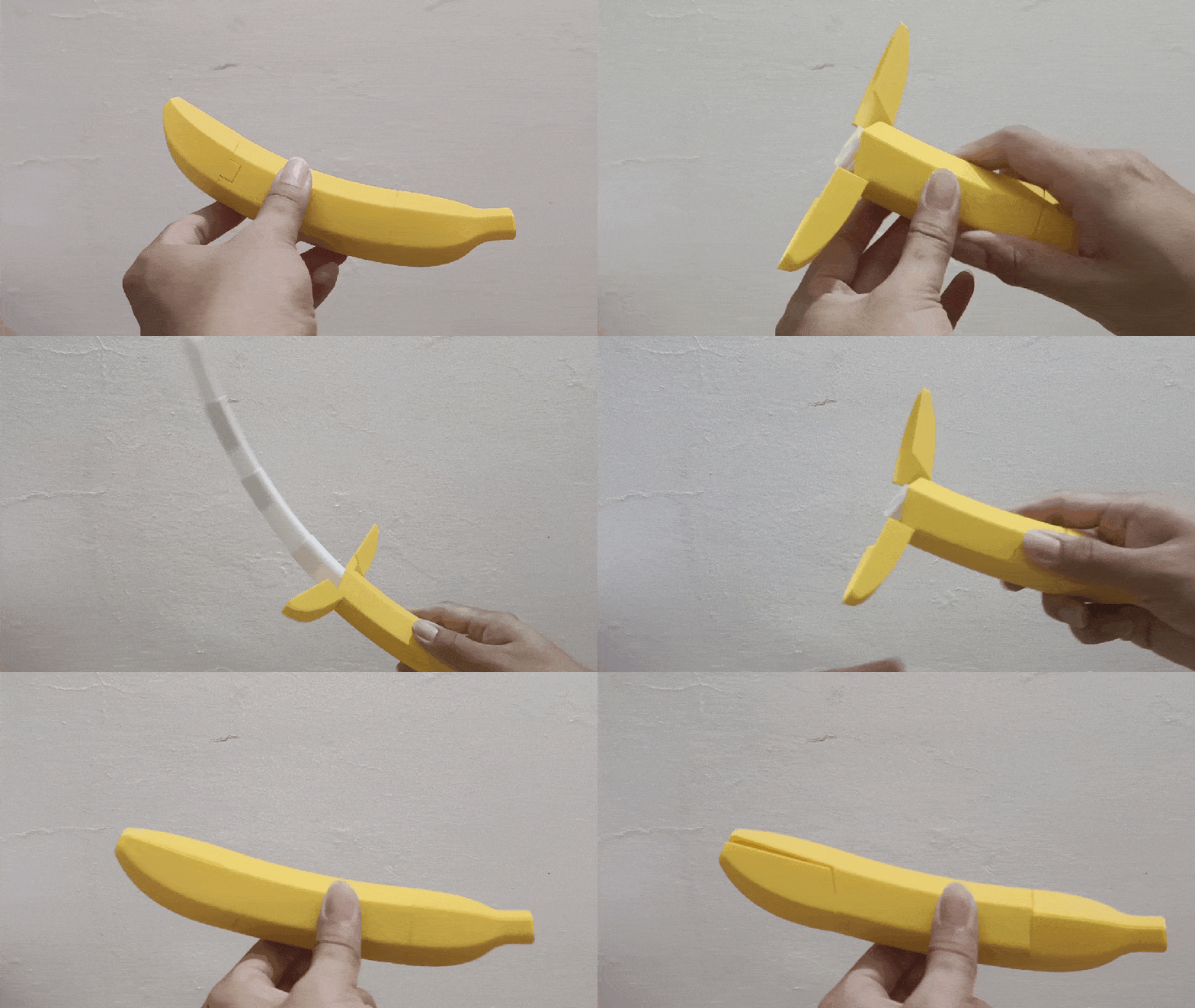
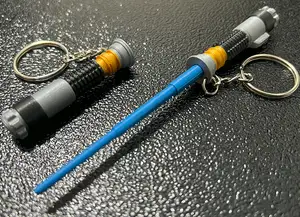
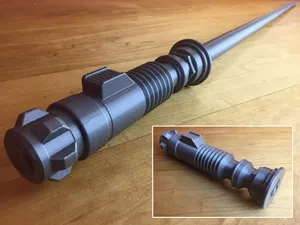

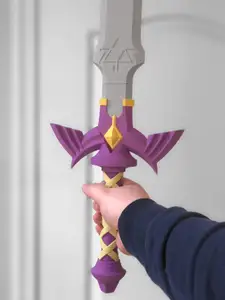
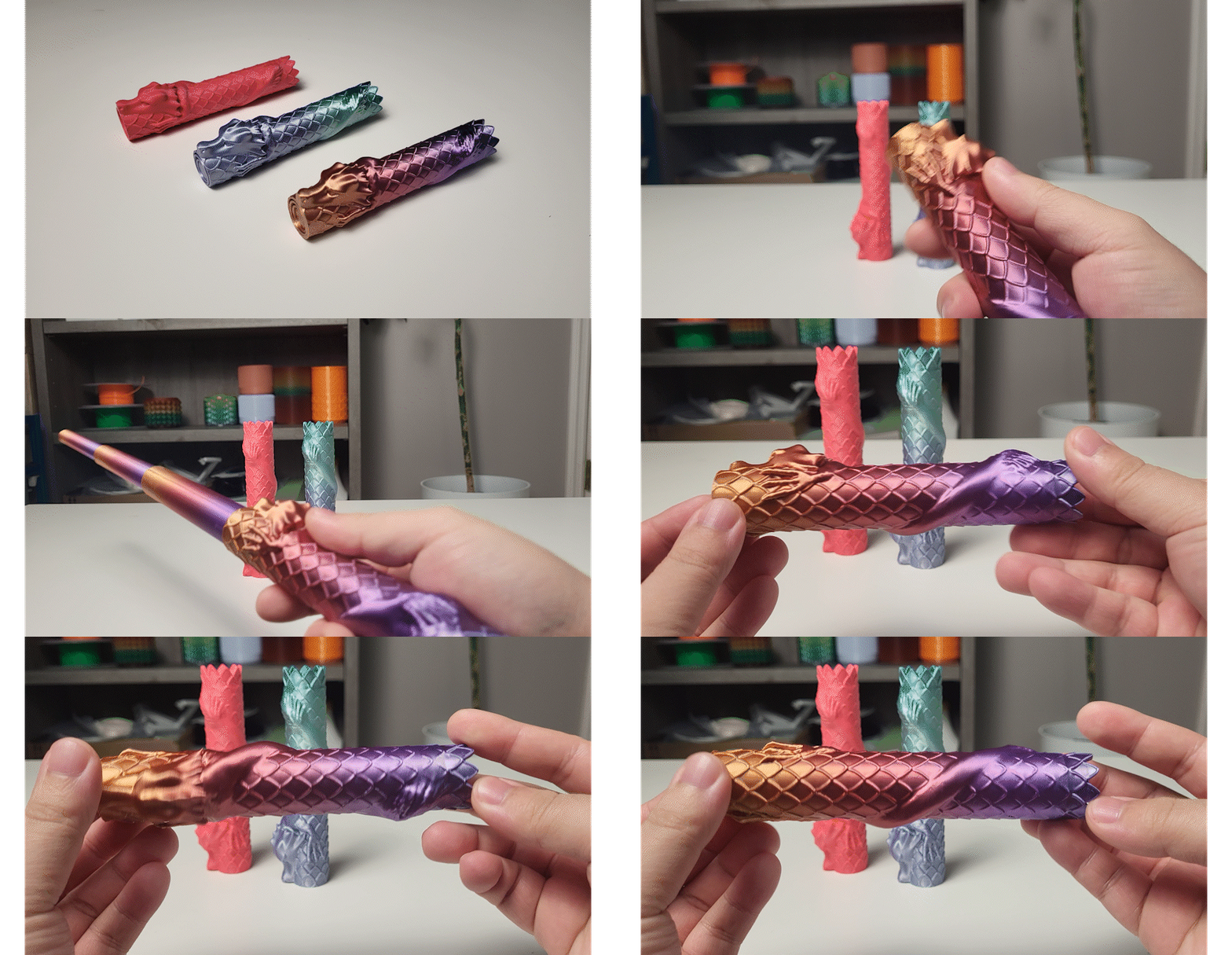
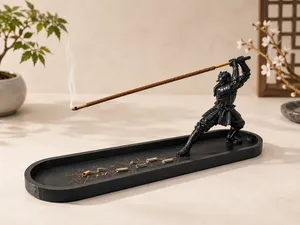

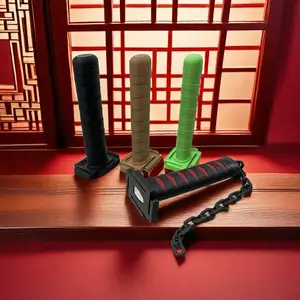
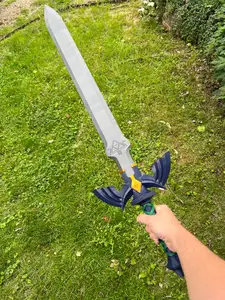
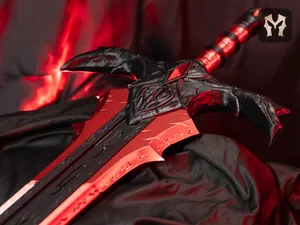
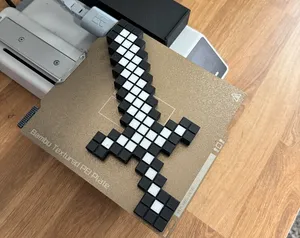


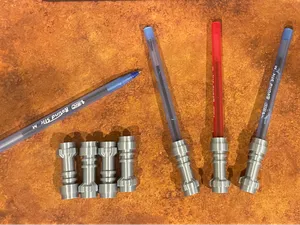

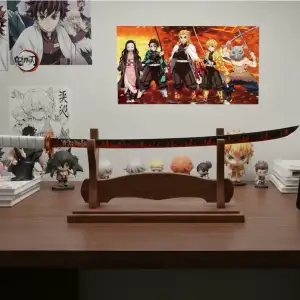
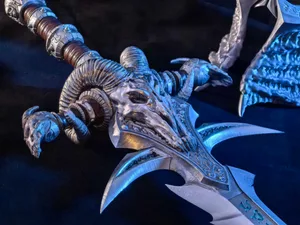
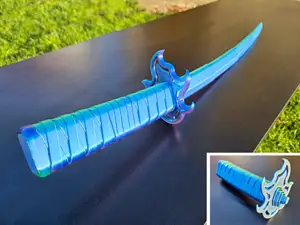

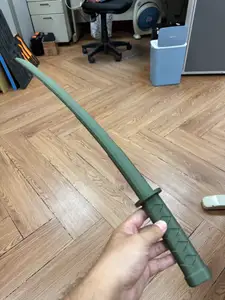

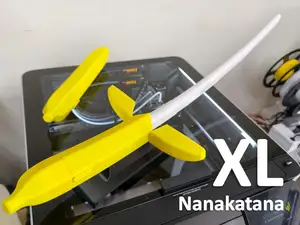
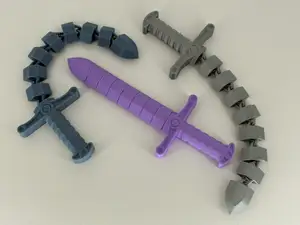

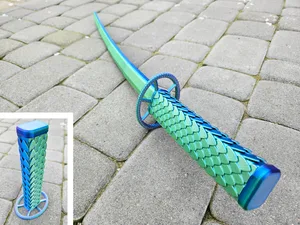

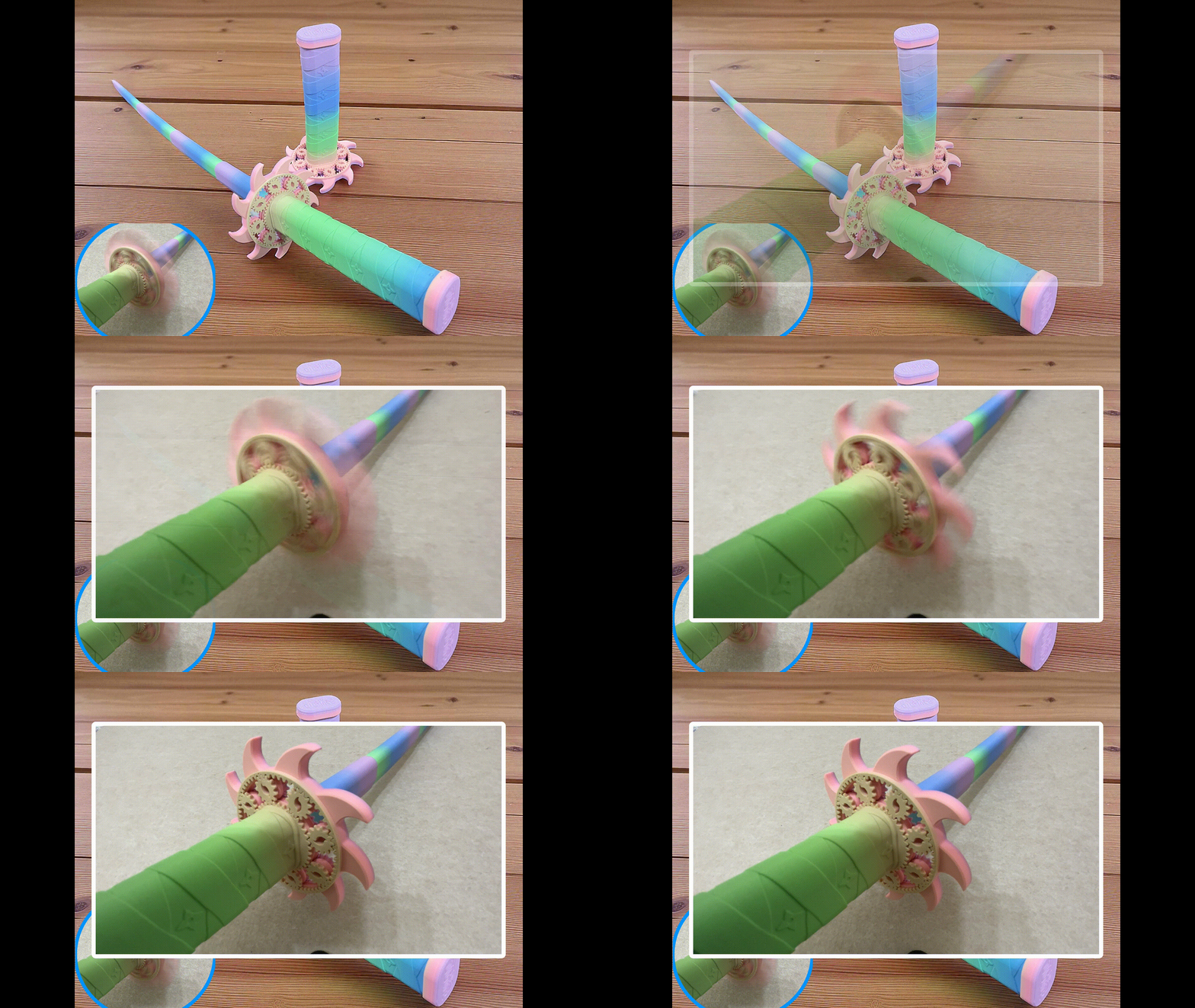
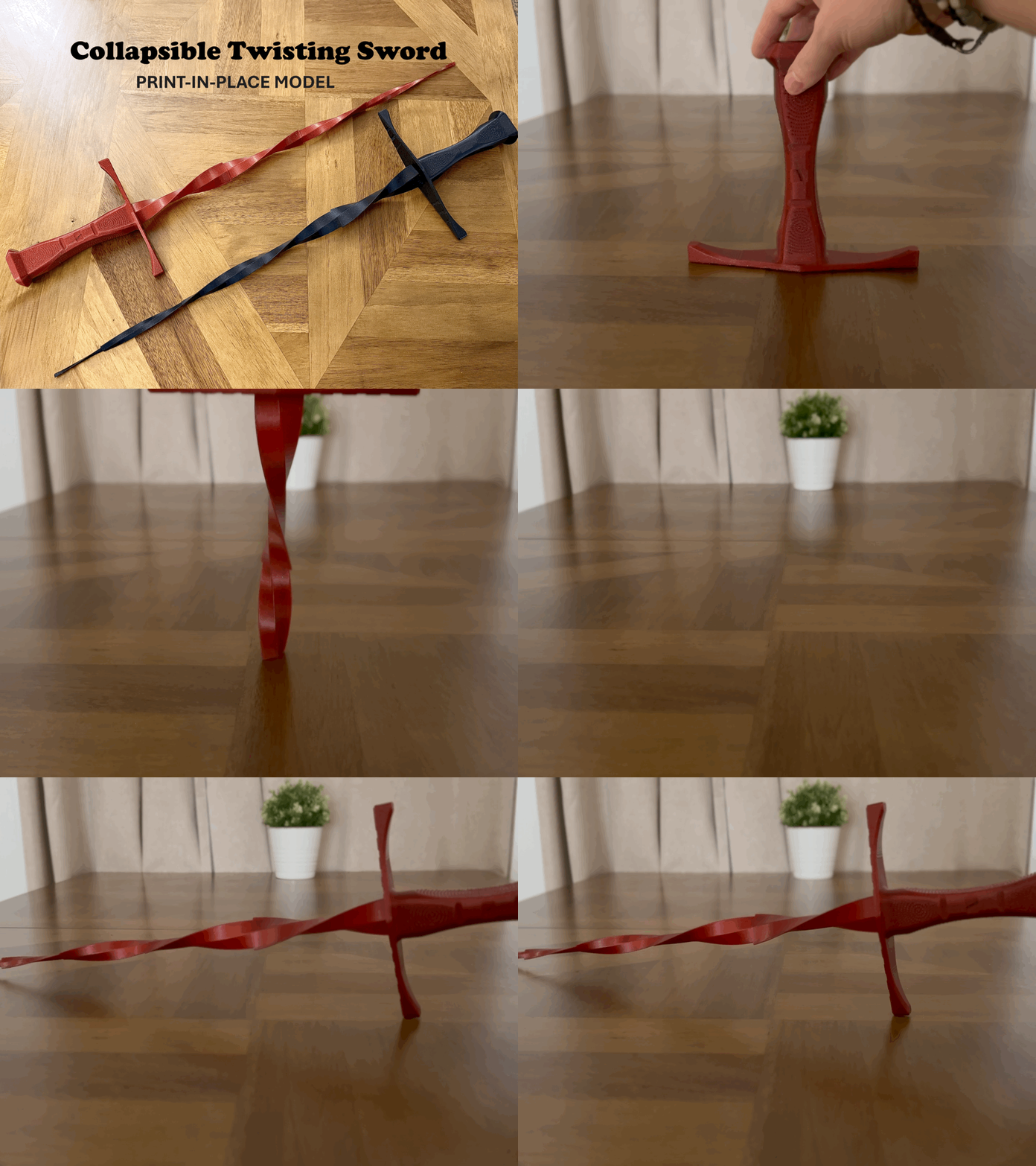

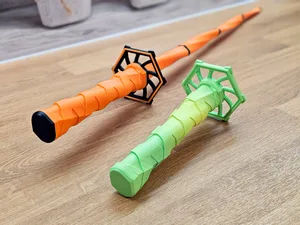

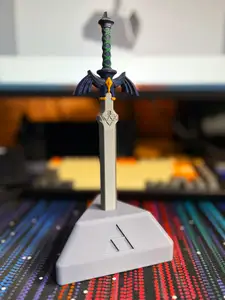

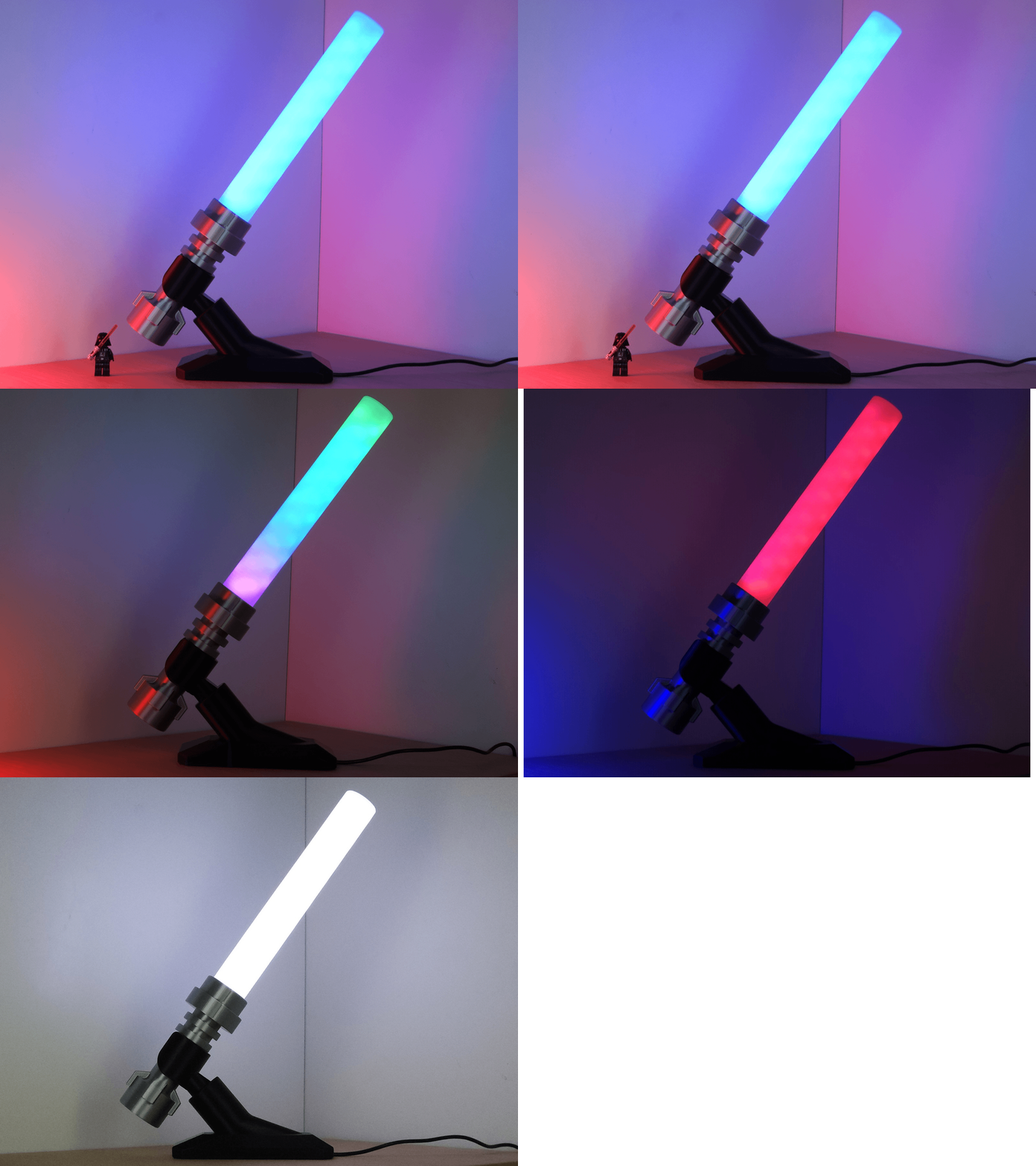
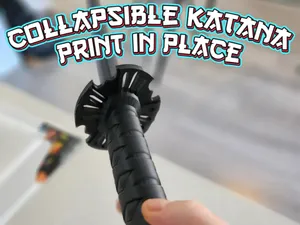
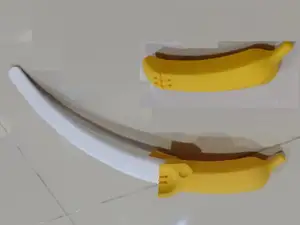
The range splits mainly by how the sword is put together. Collapsing and print-in-place designs come off the plate as one moving piece, while katana, samurai and replica swords are usually split into blade, guard, handle and pommel. Fantasy and historical blades often follow a single sculpted shape, and small novelty versions trade detail for a shorter print.
When choosing, open the model page and read what the author states: overall length and scale, the number of separate parts, whether glue or pins hold them together, and whether supports are required. Look at the material and layer height the author lists, since long thin blades behave differently from compact handles. Photos of real prints, including close-ups of joints and tips, tell you more than a render.
To widen or narrow the results, try related terms such as katana, longsword, dagger, prop, cosplay or display stand, and combine them with print-in-place or collapsible. If you want a specific look, search by franchise or by historical period instead of the generic word. Adding a size word, like mini or full scale, helps separate wearable props from shelf pieces.
完整的主题目录:从家居日用到CNC,均可在已接入的来源平台中搜索。