Gratis 
Linear Servo Actuators
Thingiverse
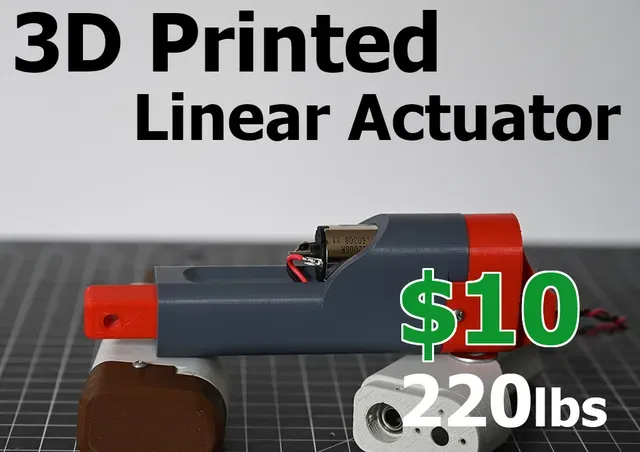
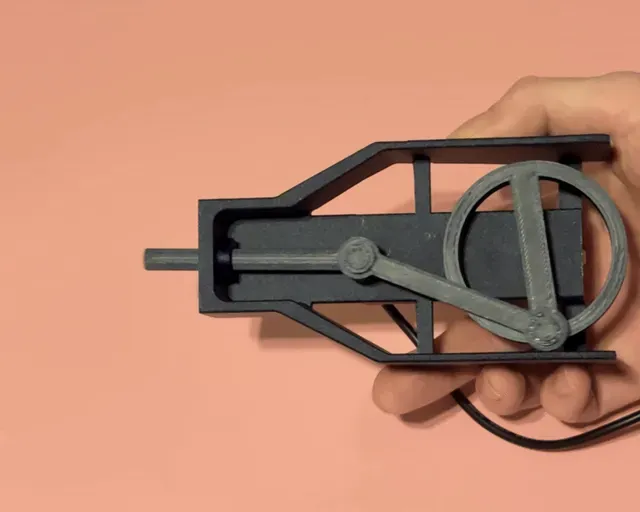
This collection gathers 3D models of actuators: linear units, servo-driven mechanisms, geared drives and replacement parts for valves and flaps. Most of them are multi-part assemblies, so they are useful when you want to build motion into a project rather than print a static object. Each listing points to a model page where the author describes the parts, the hardware and the settings used for 3D printing. Polyzon does not confirm whether models are free, their price, license, official status, affiliation, safety or fitness. Check the current terms at the source.
Il testo di questa raccolta è in inglese; la ricerca funziona in qualsiasi lingua.
 Una raccolta di Polyzon · 46 modelli da 4 siti
Polyzon compone questa raccolta a partire dai risultati di ricerca dei siti collegati. I doppioni e i modelli senza anteprima vengono rimossi, le corrispondenze deboli finiscono in fondo e il resto mantiene l’ordine dei risultati. I modelli appartengono ai rispettivi autori: verifica le condizioni sulla pagina di ciascun modello.
Criteri di selezione a cura della redazione di Polyzon · Testo aggiornato: 13/10/2026
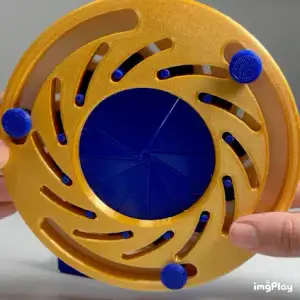


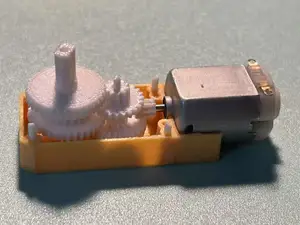
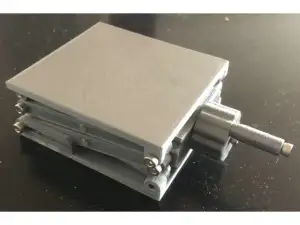

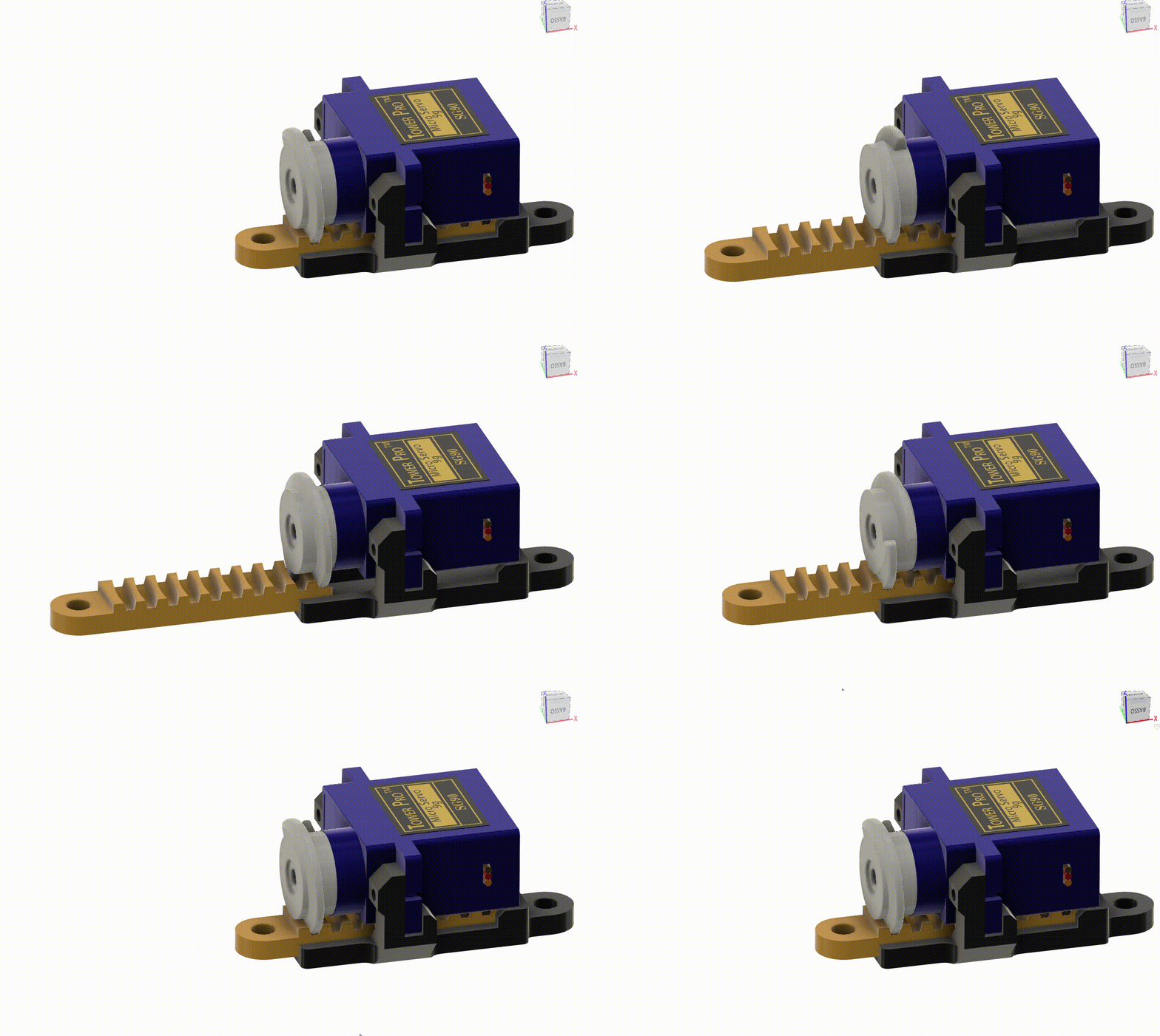
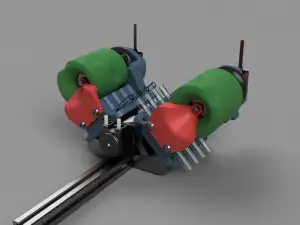

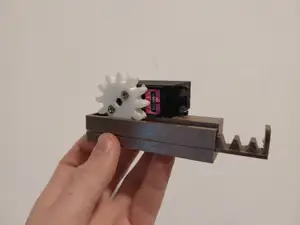
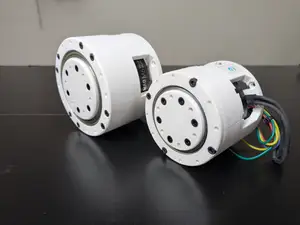
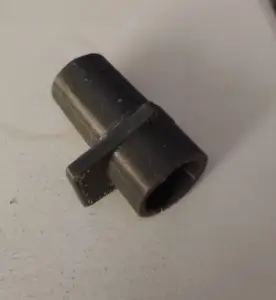


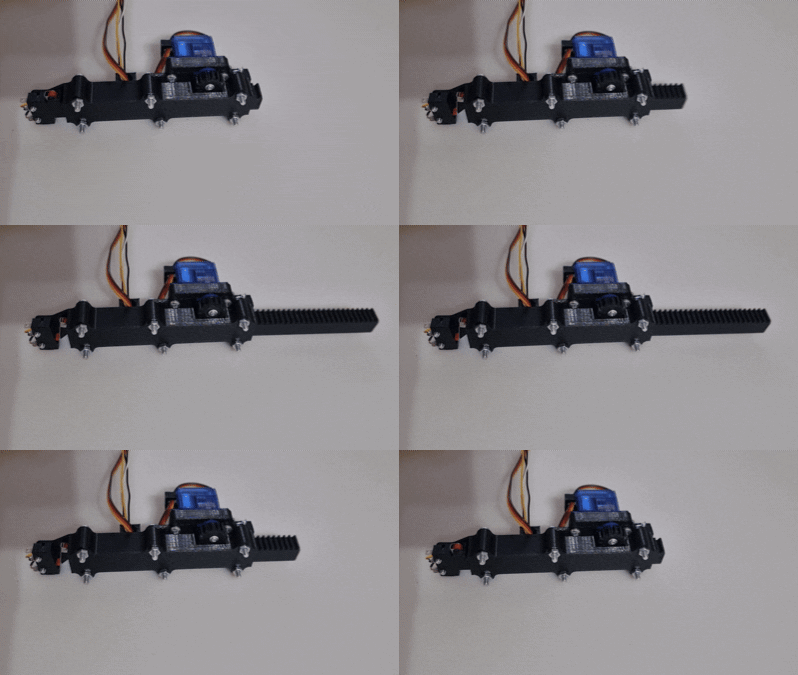
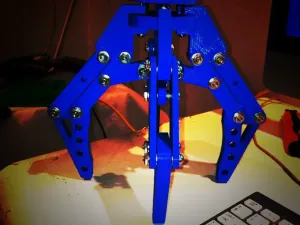


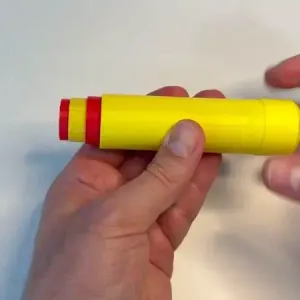

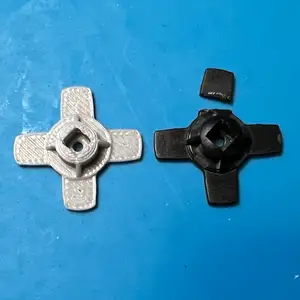
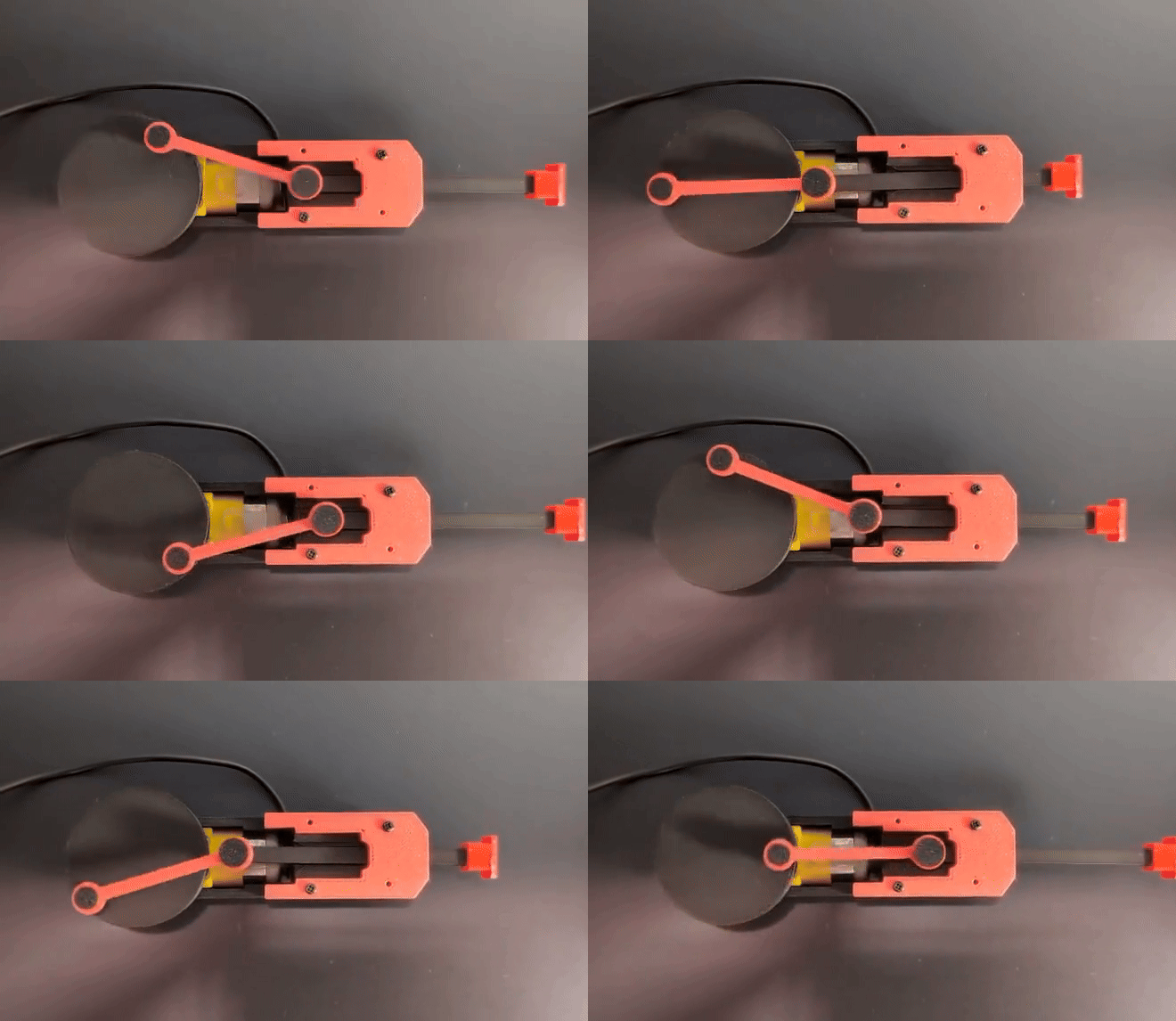
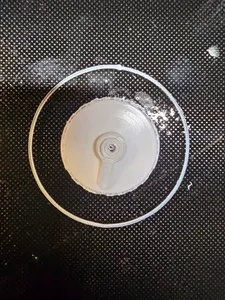


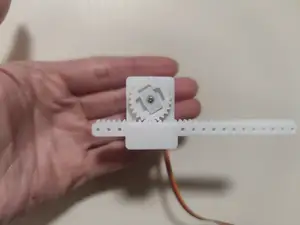
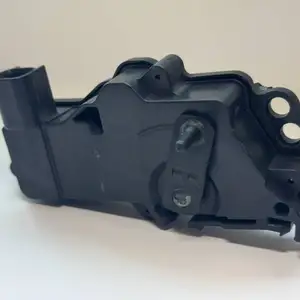

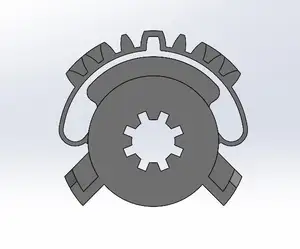

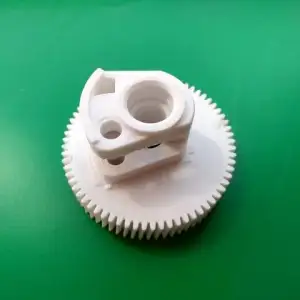

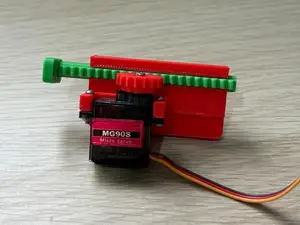
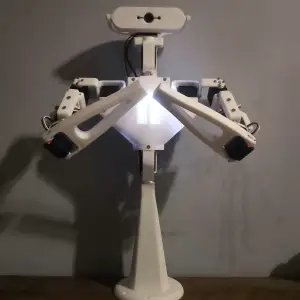


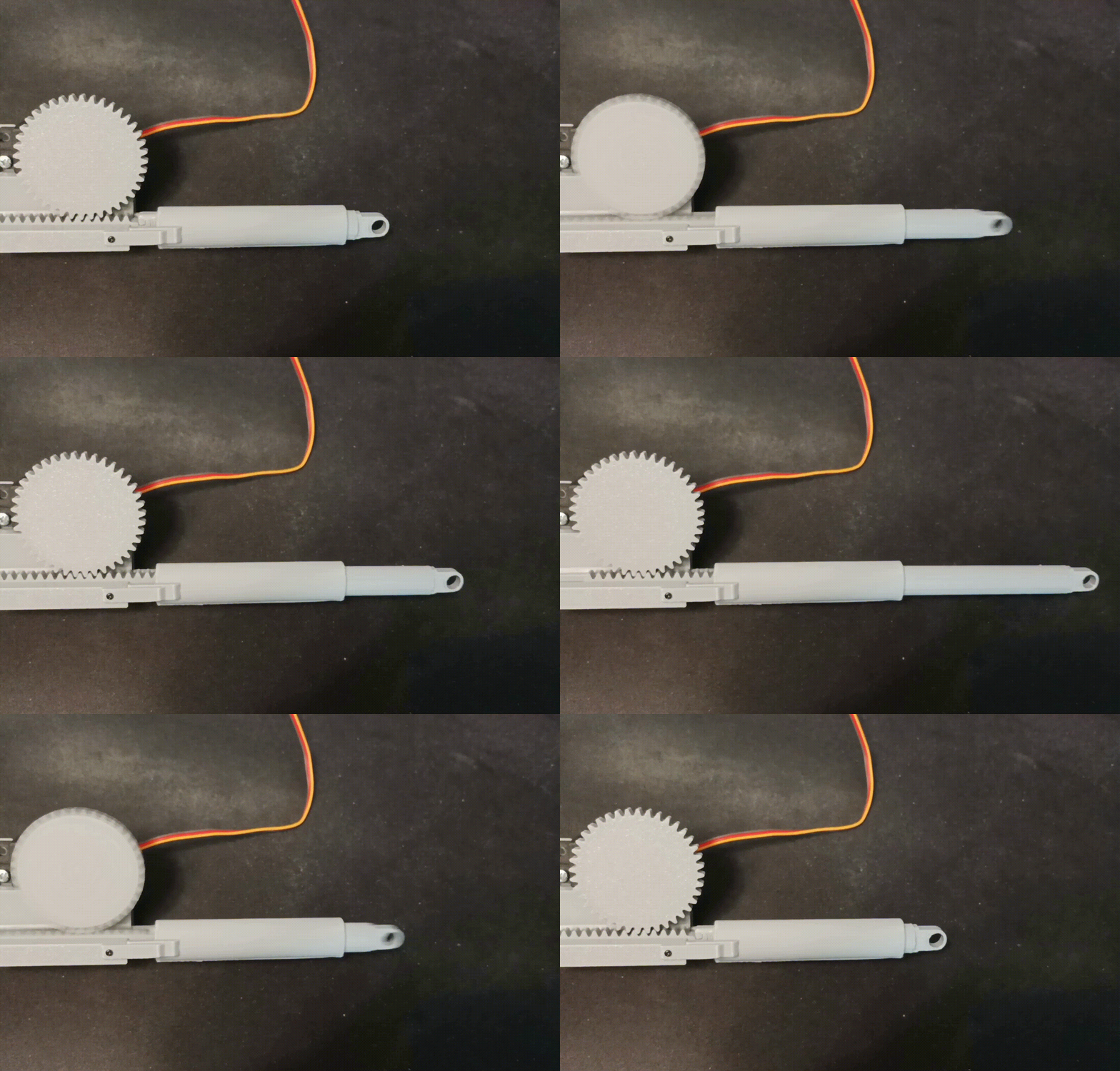
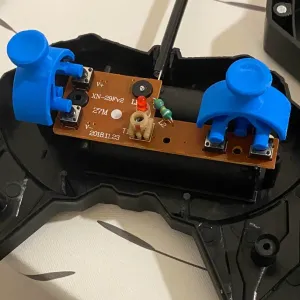


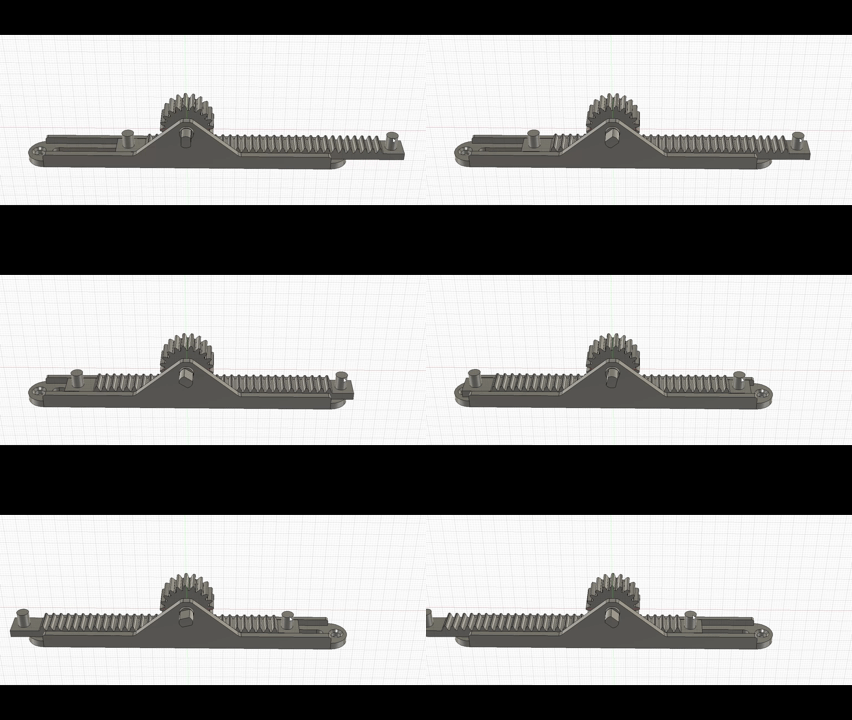
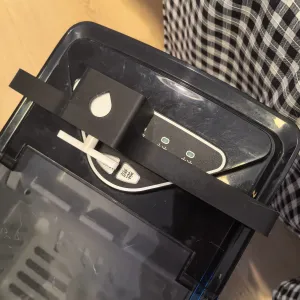
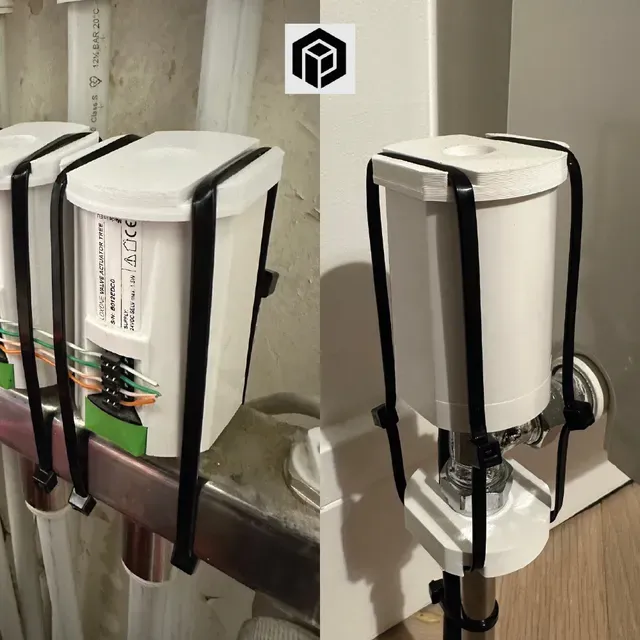
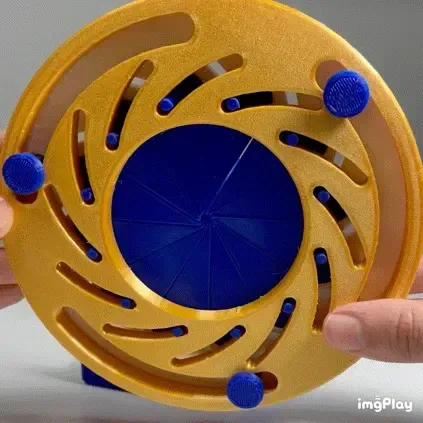
The models differ mainly in how motion is produced. Some rely on a hobby servo pushing a slider along a rail, others use a motor with a gearbox, a rack-and-pinion pair or a cycloidal reduction stage to trade speed for force. There are also simpler mechanical versions without any electronics, and replacement actuators shaped to fit an existing valve or air flap. Grippers and small mechanism toys often include an actuator as one part of a larger assembly.
Before printing, read the model page for the details that decide whether the build works: overall size and stroke, number of parts and how they join, whether fasteners, bearings or a specific servo and motor are required, and whether supports are needed on overhangs. Check the material and layer settings the author lists, since thin gear teeth and long sliding surfaces behave differently in PLA, PETG or resin. Photos of real prints show how the parts fit together better than renders do.
If the results are too narrow, try related wording: linear actuator, servo bracket, lead screw, rack and pinion, gearbox, reduction drive, slider, push rod. Searching for the mechanism rather than the part often surfaces more options, for example gripper, lifting table or valve flap. Combining a mechanism term with a hardware name such as a small servo or a geared motor also helps narrow the list.


Il catalogo completo dei temi, dalla casa alla lavorazione CNC, con ricerca su tutti i siti collegati.